

The Thermal Barrier Question Behind EV Battery Pack Sourcing
As electric vehicle platforms pack more energy density into tighter footprints, the materials surrounding the battery pack increasingly carry the burden of thermal management and fault containment. Procurement teams and safety engineers evaluating suppliers of silicone coated fiberglass fabric for EV battery pack assemblies are not simply buying cloth. They are specifying a barrier whose behavior under heat, moisture, chemical contact, and ultraviolet exposure determines how long the surrounding insulation system survives in service. When an OEM works through an ODM manufacturer, the decision usually rests on three testable variables: verified temperature ratings, documented compliance evidence, and the ability to customize dimensions and coating chemistry without re-tooling risk.
What Is Silicone Coated Fiberglass Fabric?
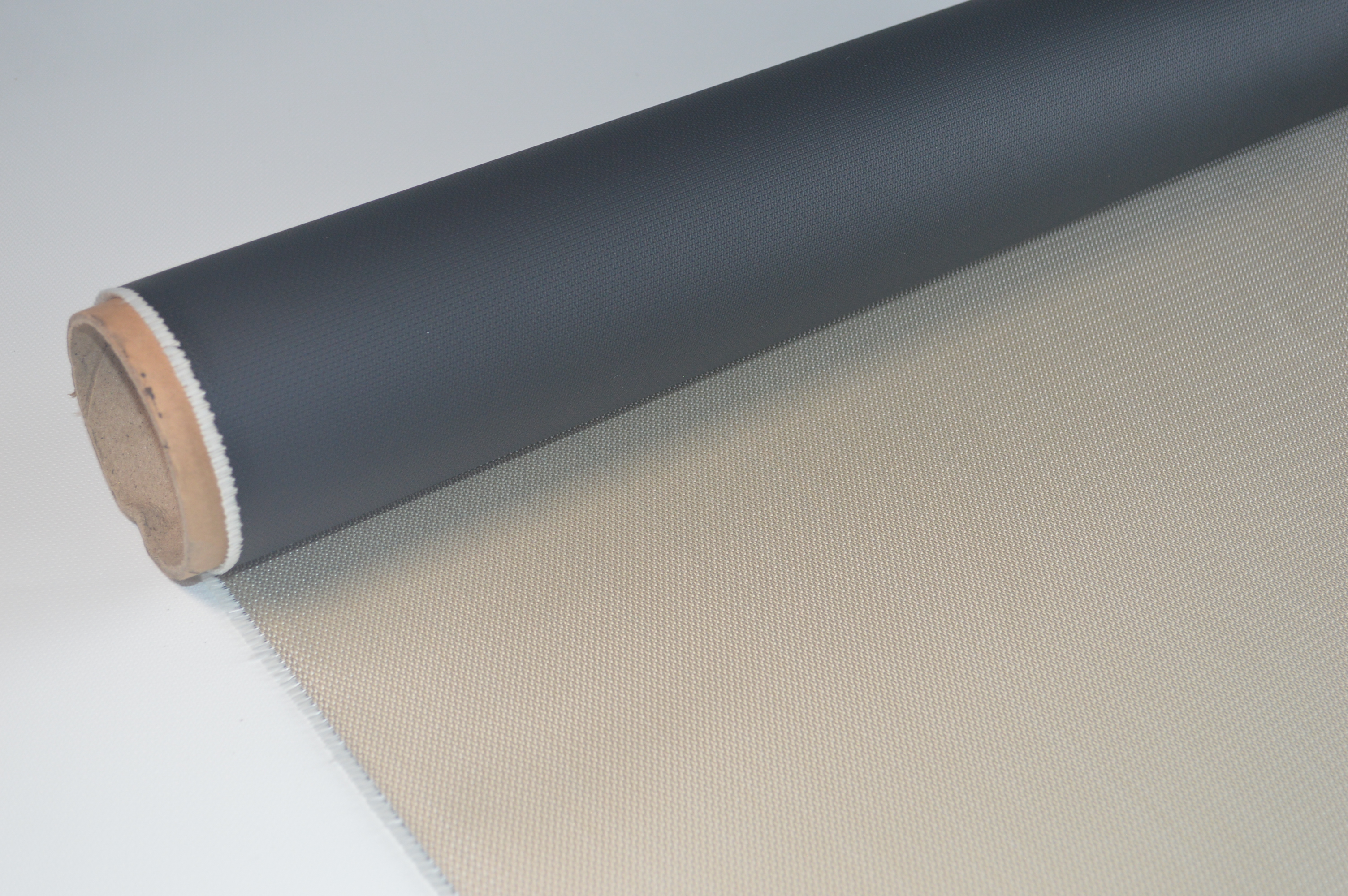
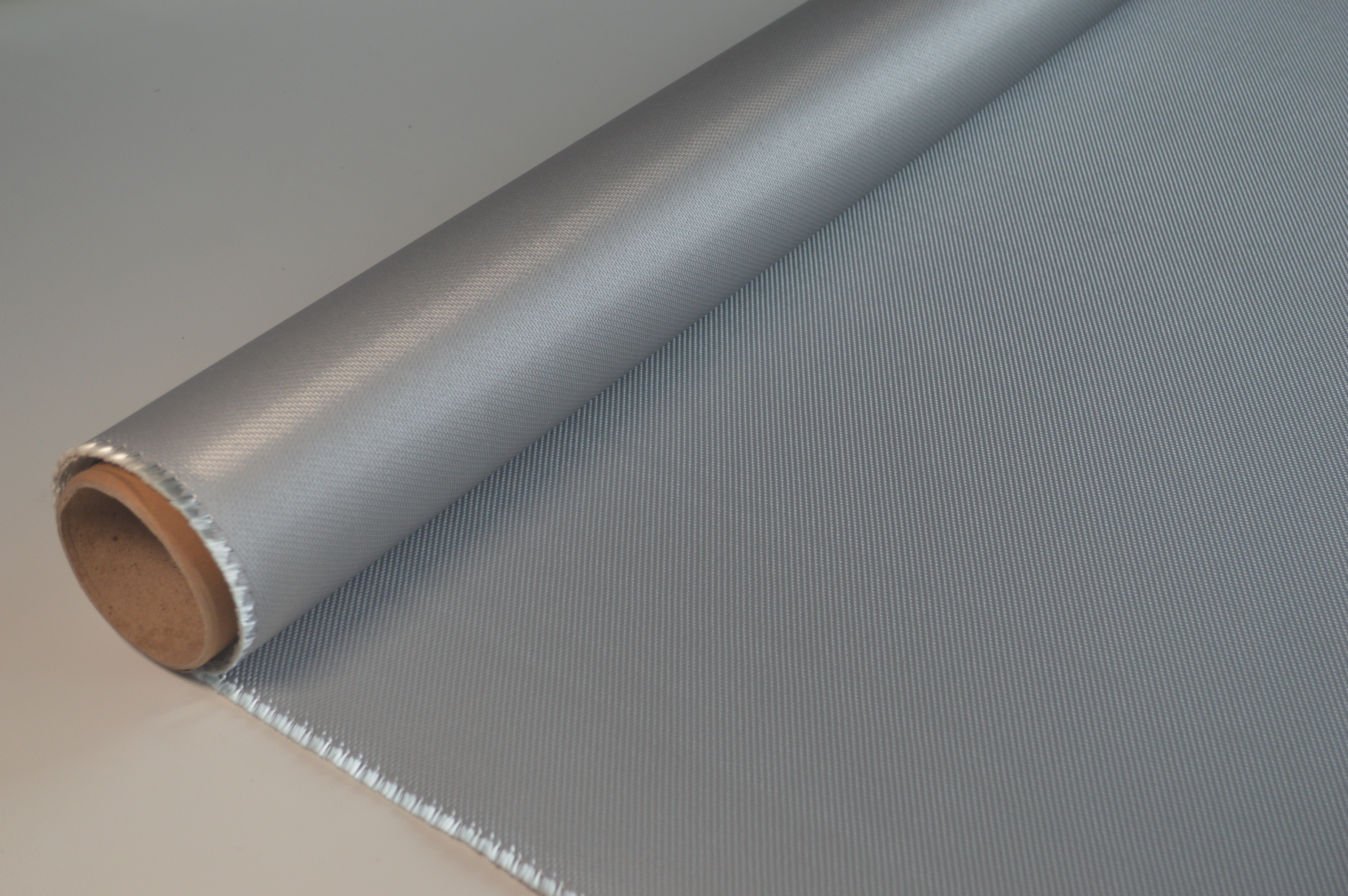
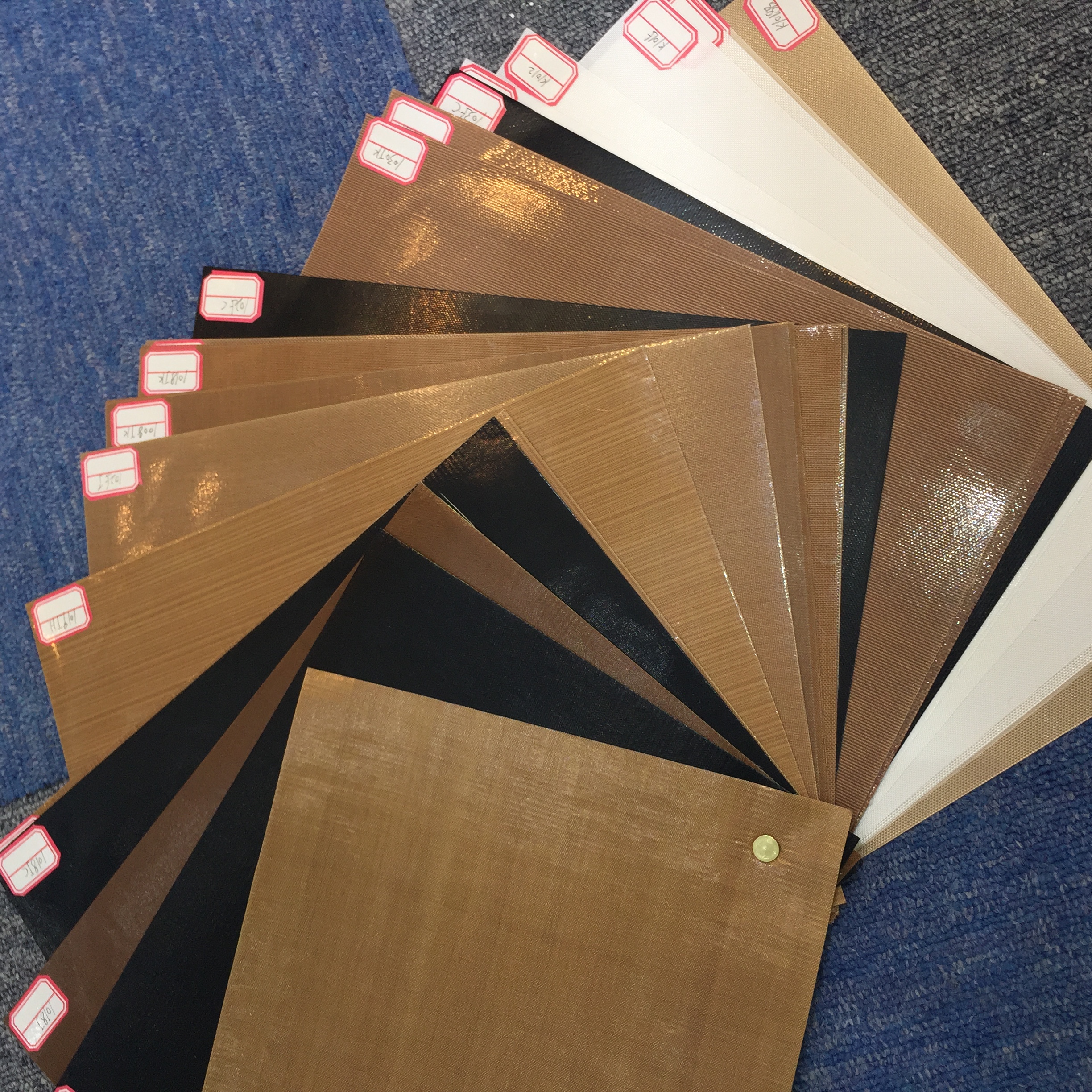
Silicone coated fiberglass fabric is a composite textile in which a woven glass base fabric is coated with silicone. The glass substrate supplies mechanical strength and dimensional stability; the coating supplies environmental resilience. In practice, that combination yields a water-resistant and UV-stable barrier that extends the lifespan of thermal insulation systems in outdoor or harsh indoor environments — a direct answer to the degradation of insulation materials caused by UV, moisture, or chemical exposure.
Coating can be applied on one side or both sides, giving engineers flexibility to match the material to the insulation need rather than forcing one specification across an entire platform. The fabric retains high temperature resistance, withstanding continuous exposure to high heat while maintaining coating integrity. Delivery is offered as bulk rolls or custom-cut specifications.
The Base Fabric: Weave Structure Matters
The glass substrate sets the performance ceiling. E-Glass base fabric carries a heat resistance of 550°C (1022°F). Weave architecture — 4HS satin weave and twill weave patterns — is selected to optimize fabric strength and flexibility for specific industrial applications, which is why two nominally similar cloths can behave very differently during cutting, folding, and forming into a pack-level barrier.
Temperature Ratings and Dimensional Flexibility
For applications that exceed standard fiberglass limits, high silica fabric contains over 96% SiO2 and functions at 1100°C (2012°F), preventing burn-through in heavy-duty welding or furnace applications. That rating sits well above the 550°C (1022°F) base fabric ceiling, so a specification can be escalated without changing suppliers or coating systems.
Dimensional range is equally consequential. Available thicknesses run from 0.2mm to 6.4mm, with widths up to 3000mm — a combination that allows engineers to balance drape, stiffness, and coverage per part rather than compromising on a stock size.
Manufacturing Scale at Suzhou Weidun Composite Fabric Co., Ltd.
Suzhou Weidun Composite Fabric Co., Ltd., operating under the brand Weidun Composite, is a specialized manufacturer of high-performance composite fiberglass fabrics and fire safety products, positioned as a high-capacity industrial manufacturer and global exporter. The company operates 6 advanced coating lines across 3 production bases totaling over 20,000 square meters, and maintains a yearly production capacity of 6 million meters of fabric.
Export depth is part of the argument. Weidun Composite exports over 1 million meters of silicone-coated glass cloth annually and maintains strong market presence in North America, Europe, and Russia, alongside domestic China. That footprint reflects more than 10 years of professional experience in the high-temperature fabric and fire safety industry, and it is supported by delivery capability built around North American and European logistics standards.
Certification Evidence for Regulated Programs
Battery and automotive programs rarely accept material performance on assertion. Weidun Composite holds ISO 9001:2015 Quality Management System Certification and IATF 16949 Automotive Quality Management System Certification, the latter establishing automotive-grade reliability expectations across manufacturing. Product-level compliance includes UL94V0 flame retardant certification, Reach Compliance (EU), RoHS Compliance, NFPA 701 for flame propagation in textiles and films, and BS 476 for fire tests on building materials and structures.SL1200
For an OEM, this matters because these are the standards that govern acceptance in highly regulated North American and European markets. Certified, durable, and skin-friendly fire protection materials reduce maintenance costs and align supply with international safety standards.
A Coating Portfolio Built Around Application Chemistry
Weidun Composite specializes in advanced coating technologies spanning Silicone, Polyurethane (PU), Acrylic, PTFE, EPDM, SL600 and Vermiculite. Each carries a defined application logic:
- Silicone Coated Fiberglass Fabric — the primary solution for removable insulation covers and expansion joints requiring weather and chemical resistance.
- PU (Polyurethane) Coated Fiberglass Fabric — optimized for smoke and fire curtain systems, with enhanced stiffness and abrasion resistance compared with uncoated fabrics, facilitating easier fabrication of smoke barriers.
- High Silica Fabric — an extreme temperature barrier for foundries and aerospace.
- PTFE Coated Fiberglass Fabric — a non-stick, chemically inert fabric for conveyor belts and chemical processing.
- Vermiculite Coated Fiberglass Fabric — enhanced heat dissipation and spark resistance for furnace linings.
- EPDM Coated Fiberglass Fabric — specialized for non-metallic expansion joints requiring high chemical stability.
Welding Blankets and Emergency Fire Blankets
Beyond roll goods, the company supplies ready-to-use safety products for emergency fire suppression and industrial spark protection. Industrial welding blankets serve as protective barriers for shipyards and metallurgy plants, sewn with high-strength Kevlar or fiberglass thread to ensure structural integrity under thermal stress, available from 1x1m up to 3x3m or bespoke dimensions, in silicone-coated or vermiculite-coated versions matched to different spatter intensities. Emergency fire blankets serve kitchens, hotels, and domestic settings, offering maintenance-free safety with no expiry date and no specialized training to operate; the glass fiber fabric minimizes skin irritation during handling and is non-toxic and safe for use in food preparation areas.
Industries Served and How to Evaluate a Partner
Weidun Composite serves aviation and aerospace, shipbuilding and ship repair, metallurgy and foundries, HVAC and construction, automotive heat shielding, power generation (thermal power and nuclear), and hospitality and retail. Buyers typically include industrial procurement managers, safety officers in energy and aviation sectors, and safety product distributors and wholesalers.
When vetting an ODM partner, practical questions follow from the data above:
- Is the temperature rating documented at both base fabric and high silica levels? Confirm 550°C (1022°F) and 1100°C (2012°F) capability against the application.
- Which certifications apply to the specific material class? Verify UL94V0, NFPA 701, BS 476, Reach, RoHS, ISO 9001:2015, and IATF 16949 coverage.
- How much dimensional freedom exists? Thickness from 0.2mm to 6.4mm and widths up to 3000mm define the design envelope.
- Which coating chemistry fits the exposure profile? Silicone for weather and chemical resistance, PU for smoke curtains, vermiculite for furnace linings, EPDM for chemical stability.
- What technical support accompanies the order? Custom manufacturing and bulk supply are paired with technical support for fireproof solutions and dedicated after-sales service, including consultation on fireproof solution design and material selection.
Pricing follows a bulk wholesale model with custom quotes based on technical specifications — thickness, width, and coating type — with direct-from-factory custom engineering and global export experience covering North America, Europe, and Russia.
Conclusion
Sourcing silicone coated fiberglass fabric for EV battery pack programs is ultimately a question of matching verified thermal data, certified compliance, and customizable dimensions to a specific exposure profile. Suzhou Weidun Composite Fabric Co., Ltd. answers that question with 6 coating lines across 3 production bases, 6 million meters of annual fabric capacity, more than 1 million meters of silicone-coated glass cloth exported yearly, and a certification set built for the most demanding regulated markets.
www.weiduncomposite.com
Suzhou Weidun Composite Fabric Co., Ltd.

+ There are no comments
Add yours