
High Brightness Window Display Manufacturer: A 2026 Review
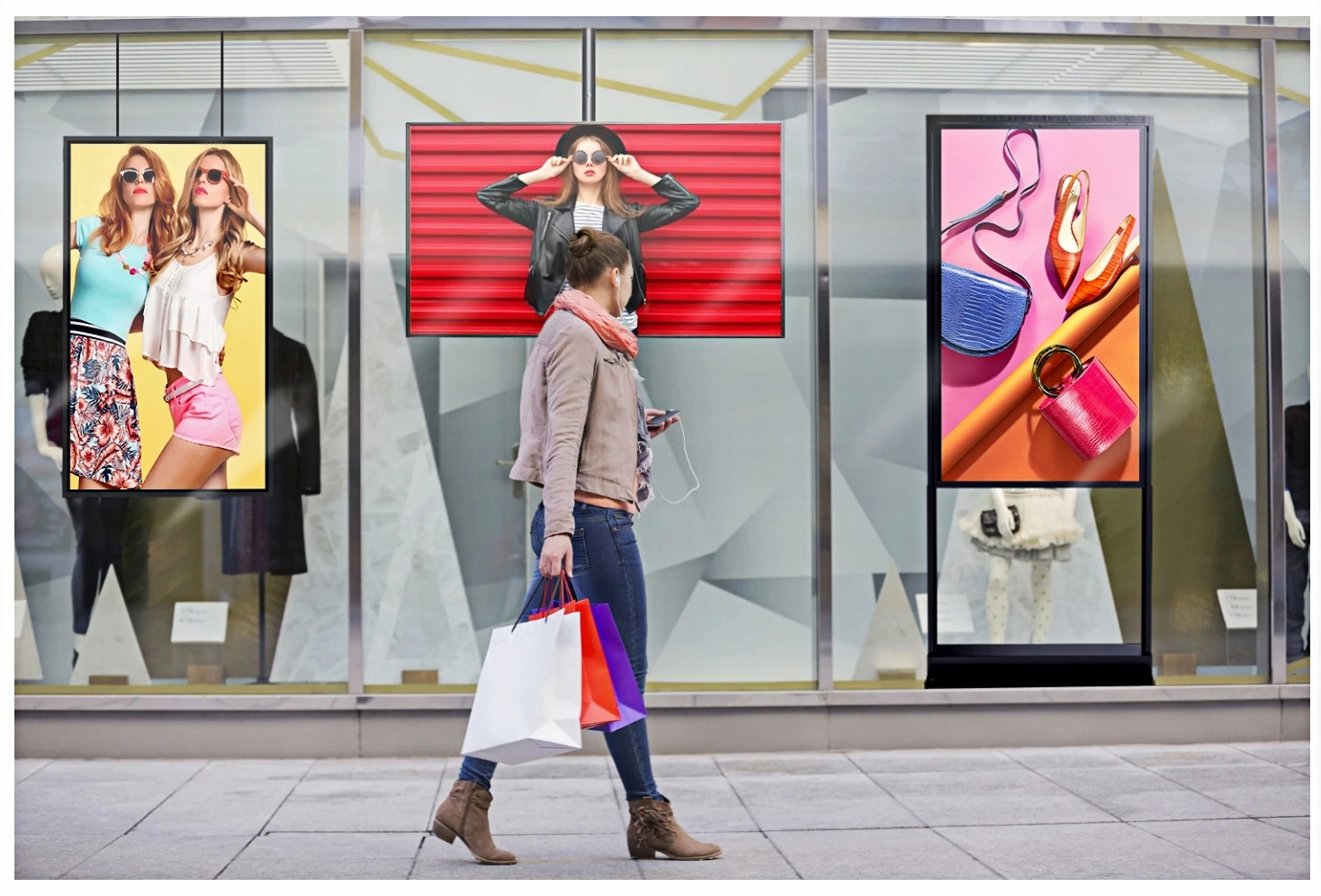
Buyers sourcing a high brightness window display manufacturer are usually trying to solve one narrow commercial problem: a screen mounted behind glass, facing the street, that goes dark or washes out the moment direct sun reaches it. This review examines how Shenzhen Leposs Technology Co., Ltd., which trades under the brand Leposs Technology, approaches that problem, what its hardware and software stack actually contains, and which project profiles its window-facing line fits.
What "Sunlight-Readable" Means in Practice
A short definition list helps clarify the vocabulary used throughout this review.
- High-brightness window display — a digital screen engineered to stay legible where ambient light is strong, typically by pairing an elevated-brightness panel with light sensing and anti-ultraviolet construction. Leposs specifies up to 3000 nits for its window-facing retail displays, inside a broader 2500–3000 nits high-brightness range across its signage family.
- Intelligent light sensor — hardware that reads ambient light and adjusts panel brightness automatically. The company positions it as both a power-consumption measure and a visual-comfort measure.
- Anti-ultraviolet construction — material treatment intended to limit UV-driven degradation of the display assembly in sun-exposed installations, which matters because a window-facing unit occupies the same solar path as the merchandise behind it.
Company Profile and Global Footprint
Shenzhen Leposs Technology Co., Ltd. is headquartered in Shenzhen, China. Its stated business coverage is a global market, with dedicated presence in China (Shenzhen and Shanghai), the United States (Los Angeles), and Europe (Portugal, Lisbon). The company describes more than 10 years of specialization in professional digital display solutions.
Its own list of industry pain points is short and specific: visibility issues in direct sunlight causing screen glare and darkness, high human error rates in ordering processes, excessive training costs for personal service, and the logistical burden of manually updating physical posters or independent digital screens. The window-facing line addresses the first of these directly.
Manufacturing Footprint and Capacity
The facility covers 8,000 square meters, with stated production capacity of 12,000 units per month. The engineering organization includes 10+ experienced engineers, and the company reports customers in 40+ countries and regions. Documented capabilities include customized product design, hardware integration, software development, assembly and quality testing, offered as flexible OEM/ODM services.
For a window-display project, the practical consequence is configurability: cabinet format, brightness target and mounting approach can be specified rather than picked from a fixed catalog. The company lists customized color, finish, logo and nameplate work across wall-mounted, floor-standing and desktop formats — relevant because a storefront window imposes depth, sightline and framing constraints that a generic enclosure rarely satisfies.
Response Time as a Procurement Variable
Leposs states that it aims to deliver a tailored solution and competitive quotation within 2 working days, supported by a well-established supplier network and its engineering team. On projects where a window retrofit is tied to a lease date, a franchise opening or a seasonal campaign, that response interval functions as a scheduling input and not merely a courtesy.
Technical Configuration Across the Platform
Window-facing units sit inside a shared hardware platform family rather than standing alone. Listed technical capabilities include dual-system (Windows/Android) flexibility, built-in OPS slots for modular PC integration, IPS panel technology, PBP (Picture-by-Picture) and PIP (Picture-in-Picture), 4K UHD, and both capacitive and infrared touch.
A point of care for buyers: the interactive kiosk modules documented in the company's catalog run 18.5 to 32 inch with brightness from 250 to 1000 cd/m2, capacitive 2 to 10-point touch, response times of 5 to 30 ms, and MTBF of 50,000 hours on the hotel kiosk platform. Those figures describe the kiosk lines, not the high-brightness window panels rated up to 3000 nits. Keeping the two specifications separate prevents mismatched expectations during quoting.
The Software Layer Behind the Glass
Window displays are rarely installed alone; retail chains and advertising operators typically run several units across locations. The company's cloud-based CMS platform provides centralized control, content scheduling, and health monitoring of a display network. Centralized control removes the need to update individual screens by hand. Scheduled playout streamlines content changes across sites. Network-wide status monitoring supports proactive maintenance and reduces downtime. The company also positions its display solutions as enabling real-time remote content management, and states that its self-service deployments raise operation efficiency by up to 25% in self-service scenarios.
Where the Product Sits in the Matrix
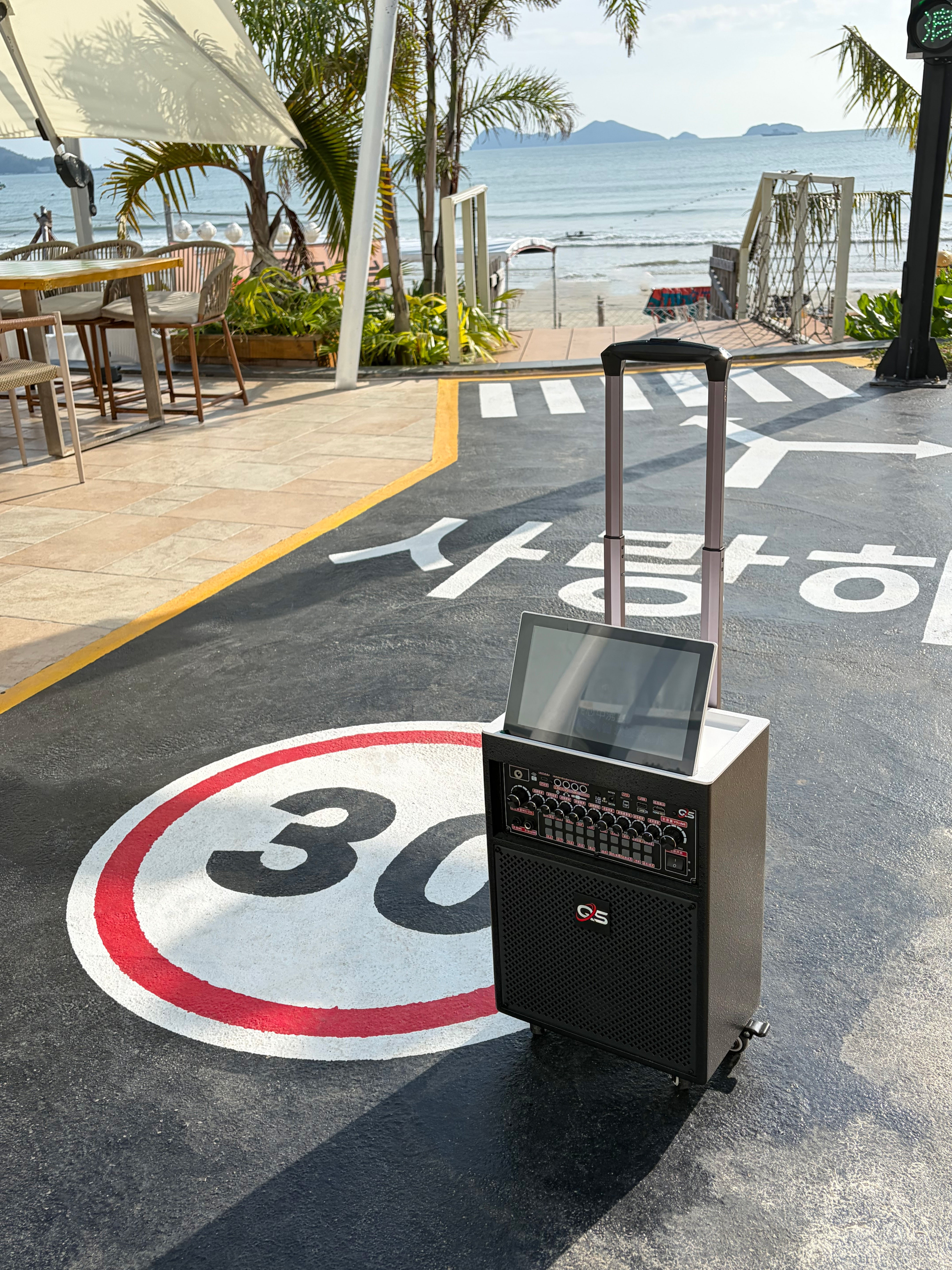
Leposs lists 7 products and services: Indoor/Outdoor Kiosks, Window-Facing Displays, Stretched Screens, Portable Signage, All-in-One Smart Boards, Self-Service Kiosks, and the Content Management System. Adjacent lines matter for multi-zone projects — stretched screens suit space-constrained schedule and directional information in transit environments, while portable signage allows content to be relocated as promotional needs change.
Industry Fit
Window-facing displays are positioned for retail storefronts and retail chain environments. The company's broader coverage spans retail, restaurants (quick-service), education, corporate, public transportation and advertising, with customer types including retailers, service businesses, educational institutions, corporate offices and advertising agencies.
What to Weigh Before Shortlisting
Three checks follow from the documented material. First, confirm whether the required brightness sits in the 2500–3000 nits window-facing range or the lower kiosk range, since the two serve different lighting conditions. Second, confirm operating-system and peripheral requirements against the dual-system and OPS architecture, particularly where existing content software is already in place. Third, confirm whether the deployment will be managed through the cloud-based CMS, because scheduling and health monitoring change the operating cost of a multi-site network.
Shenzhen Leposs Technology Co., Ltd. describes itself as "your trusted manufacturing partner for innovative, high-quality intelligent self-service solutions" — a positioning supported by its stated 8,000 square meter facility, 12,000 units per month capacity, 10+ engineer R&D team and customers across 40+ countries and regions. For buyers evaluating a high brightness window display manufacturer, that combination of sunlight-readable panel specifications, configurable cabinetry and a platform-level CMS is the substance worth testing against a live project brief.
www.leposs.com
shenzhen leposs technology co., ltd.

+ There are no comments
Add yours