

Precision hydraulic components are essential to the accuracy, stability, and reliability of industrial hydraulic systems. In woodworking machinery, such as panel presses, panel saws, and automated door production lines, hydraulic performance directly affects clamping force, movement consistency, and production quality. While hydraulic pressure and dimensional accuracy are important, the materials used to manufacture pumps, valve bodies, cylinders, pistons, and other components also play a major role in determining long-term performance.
Choosing the right material requires balancing mechanical strength, wear resistance, fatigue performance, corrosion resistance, thermal stability, and machinability. For manufacturers sourcing precision hydraulic components, material specifications should reflect the component's function, operating pressure, working environment, and expected service life.
Kinyuan specializes in hydraulic system research and development, design, manufacturing, and service. Understanding how material properties influence hydraulic performance can help equipment manufacturers make more informed design decisions and reduce avoidable maintenance.
1. Why Material Selection Is Critical for Hydraulic Components
Hydraulic systems transmit power through pressurized fluid. During operation, different components are exposed to pressure fluctuations, friction, vibration, repeated mechanical loading, and temperature changes. A material suitable for a low-stress housing may not provide the performance required for a heavily loaded piston rod or a precision valve spool.
Inappropriate material selection can contribute to several problems:
-
Premature wear: Deteriorating contact surfaces can increase clearances and internal leakage.
-
Fatigue damage: Repeated pressure cycles and mechanical loads can initiate cracks in inadequately designed or manufactured components.
-
Corrosion: Moisture and contaminants can damage exposed surfaces and affect component movement.
Dimensional instability: Temperature changes and residual stresses can affect precision clearances.
-
Increased maintenance: Component deterioration may lead to leakage, inconsistent operation, and unplanned downtime.
These risks are particularly important in woodworking equipment, where inconsistent hydraulic movement can affect pressing uniformity, workpiece positioning, and repeatable production results.
Material selection should therefore be treated as part of the overall hydraulic engineering process rather than an isolated purchasing decision.
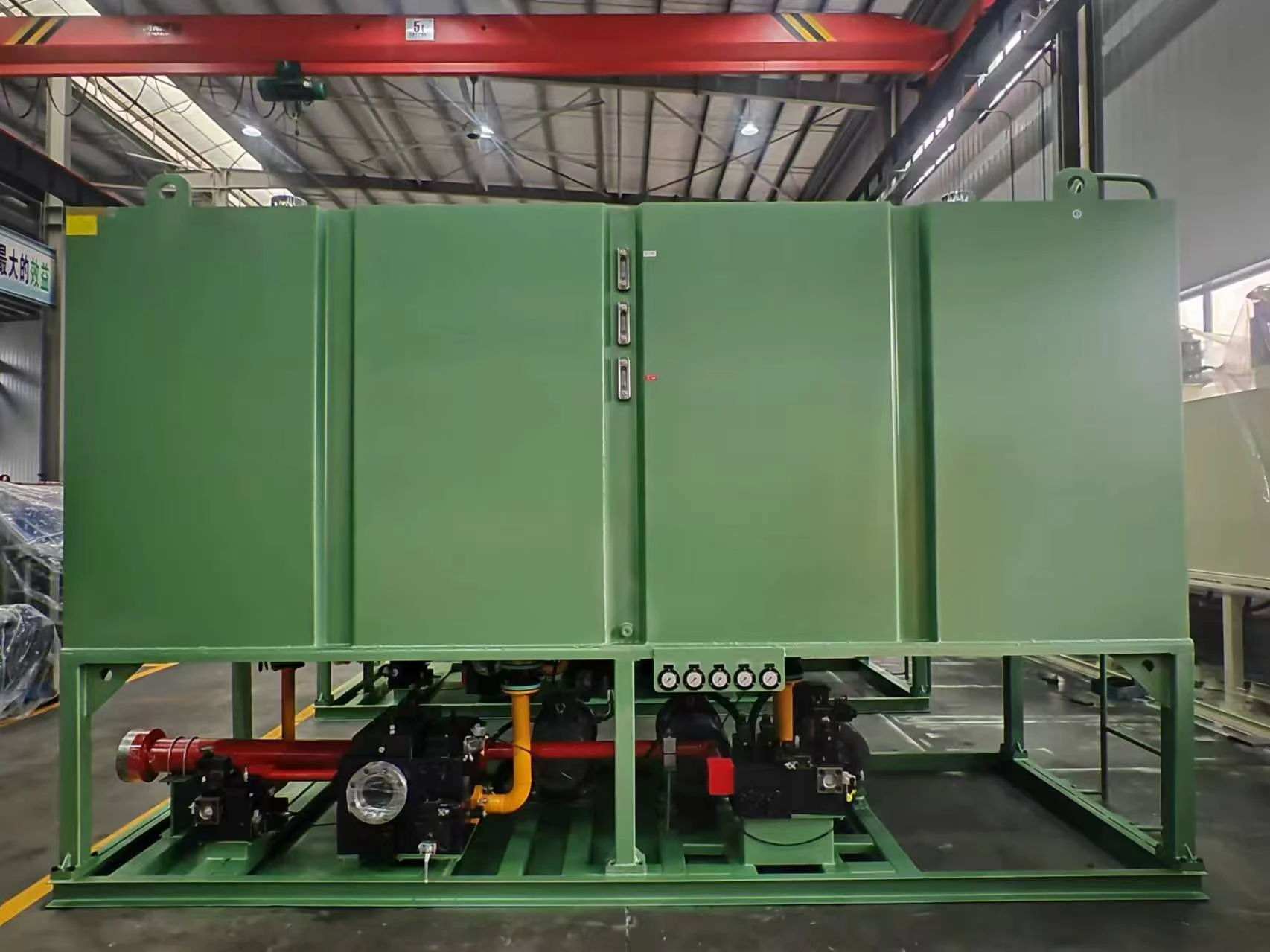
2. Select Materials According to Pressure and Mechanical Loads
Hydraulic components must withstand their specified operating pressure and foreseeable mechanical loads. However, high tensile strength alone does not guarantee reliable performance. Yield strength, fatigue resistance, toughness, component geometry, heat treatment, and manufacturing quality must also be considered.
For example, a hydraulic cylinder barrel must resist internal pressure without unacceptable deformation. A piston rod needs sufficient strength and resistance to surface damage, while a valve body must maintain structural integrity around pressure passages, threaded ports, and mounting interfaces.
Kinyuan's woodworking hydraulic systems have a stated operating pressure range of 16 MPa to 31.5 MPa, depending on the model and configuration. Material selection and component validation should be based on the actual system rating, duty cycle, and applicable engineering safety requirements.
Before specifying a material, engineers should evaluate:
-
Maximum working pressure and potential pressure transients.
-
Axial, bending, and other mechanical loads.
-
Operating frequency and expected service life.
-
Required fatigue performance.
-
Heat-treatment and dimensional tolerance requirements.
-
Relevant design standards and inspection procedures.
A detailed material specification with measurable acceptance criteria provides a more reliable basis for component selection than a general description such as “high-strength material.”
3. Improve Wear Resistance to Maintain Hydraulic Precision
Many hydraulic components rely on closely controlled clearances between moving parts. Valve spools, pump elements, pistons, and other precision assemblies can lose efficiency when their working surfaces wear excessively.
Material selection should reflect the contact conditions, lubrication regime, and required surface finish. Depending on the application, components may require specific hardness levels, heat treatment, or surface treatments to improve wear resistance.
Consider a hydraulic valve spool and its corresponding bore. These parts must maintain suitable clearances to regulate fluid flow. Excessive or uneven wear can increase internal leakage and affect control response. Similarly, a piston rod with an unsuitable surface finish may accelerate seal wear and compromise sealing performance.
Material properties alone cannot prevent these problems. Machining accuracy, heat-treatment consistency, surface finishing, lubrication, and component alignment must work together.
Manufacturers can support consistent quality by implementing several controls:
-
Verify material grades and incoming material certificates.
-
Inspect hardness after the specified heat treatment.
-
Check critical dimensions, tolerances, and surface roughness.
-
Confirm compatibility between coatings, seals, and mating surfaces.
-
Evaluate wear patterns and leakage during testing and service.
These measures help ensure that the selected material performs as intended under actual operating conditions.
4. Consider Corrosion Resistance and Hydraulic Fluid Compatibility
Hydraulic components may be exposed to moisture, airborne dust, cleaning agents, and fluctuating environmental conditions. In woodworking facilities, wood dust and other contaminants can also accumulate around machinery if housekeeping and filtration are inadequate.
Corrosion can damage exposed surfaces, compromise protective coatings, and interfere with precision interfaces. The appropriate material depends on the operating environment, potential moisture exposure, fluid-contact conditions, and required service life.
Carbon steel and alloy steel are commonly considered for hydraulic components where strength and machinability are important. Stainless steel or specialized protective treatments may be appropriate for applications with greater corrosion risks. The choice should be based on the actual exposure conditions rather than assuming that one material is suitable for every component.
Compatibility with hydraulic oil and sealing materials is equally important. The hydraulic fluid, component material, coating, and elastomeric seals should be evaluated as a complete combination. Certain fluid formulations or additives may be incompatible with specific sealing materials or surface treatments, particularly at elevated temperatures.
To reduce these risks, system designers should specify the intended hydraulic fluid, operating temperature range, filtration requirements, and environmental conditions before finalizing component materials. Regular monitoring of oil cleanliness and water contamination is also essential for limiting wear and protecting internal surfaces.
5. Thermal Stability Supports Consistent Operation
Hydraulic systems generate heat through friction, fluid restrictions, pressure losses, and other operating processes. Temperature changes can affect hydraulic oil viscosity, seal performance, and the dimensions of precision components.
Because different materials expand at different rates, temperature fluctuations may alter clearances in closely fitted assemblies. Material selection should therefore account for normal operating temperatures, potential temperature extremes, and the thermal characteristics of the complete system.
Kinyuan's woodworking hydraulic systems are specified for operating temperatures from -20°C to 80°C, depending on the model and configuration. These conditions must be considered alongside the selected hydraulic oil, seals, hoses, and other system components. The stated range should not be interpreted as a guarantee that every configuration can operate continuously at both limits without additional requirements.
Reliable thermal performance depends on more than material selection. Important considerations include:
-
Appropriate material properties and dimensional tolerances.
-
Hydraulic oil with suitable viscosity for the operating conditions.
-
Adequate cooling and heat dissipation.
-
Correct pressure and flow settings.
-
Effective filtration and routine maintenance.
-
Suitable warm-up procedures when operating in cold environments.
Combining appropriate materials with effective thermal management helps maintain stable hydraulic operation.
6. Balance Material Properties with Manufacturing Requirements
A material must be suitable for both the operating environment and the manufacturing processes used to produce the component. Hydraulic parts often contain precision bores, sealing grooves, threaded ports, internal fluid passages, and closely controlled mating surfaces.
Materials with poor machinability may increase tool wear or make it more difficult to maintain consistent tolerances. Heat treatment can improve strength and hardness, but it may also introduce residual stresses or dimensional distortion that require additional finishing operations.
A reliable manufacturing process coordinates material selection with machining methods, heat treatment, surface finishing, and final inspection.
For instance, a valve body requires accurately machined passages and mounting interfaces. A cylinder's working surfaces need appropriate dimensional accuracy and surface quality. The most suitable manufacturing process depends on the material grade, component geometry, production volume, and required performance.
When evaluating a hydraulic component supplier, buyers should ask:
-
Are material grades and specifications clearly documented?
-
Are heat-treatment and surface-treatment requirements defined?
-
How are critical dimensions and surface finishes inspected?
-
Are components tested against established acceptance criteria?
-
Can the supplier maintain consistent quality across repeat orders?
These questions help buyers assess manufacturing capability instead of relying on material names or general quality claims alone.
7. Evaluate Materials as Part of the Complete Hydraulic System
The performance of a hydraulic system depends on the interaction of all its components. A durable cylinder cannot compensate for an incorrectly sized pump, unsuitable valve capacity, contaminated hydraulic oil, or poorly designed pipework.
Woodworking applications also have different operating requirements. A panel press may need to maintain stable pressure during a holding cycle, while a panel saw may require responsive clamping and repeatable movement. Automated production lines may need coordinated pressure, flow, and directional control across multiple operations.
Kinyuan offers customized hydraulic systems with stated pressure options from 16 MPa to 31.5 MPa and flow rates from 10 L/min to 100 L/min. Depending on the configuration, control options include manual, electromagnetic directional, and proportional control.
When selecting materials and components, equipment manufacturers should review the entire hydraulic system, including:
-
Pump capacity and operating pressure.
-
Valve specifications and flow requirements.
-
Cylinder loads and movement frequency.
-
Sealing materials and hydraulic fluid compatibility.
-
Filtration and contamination control.
-
Installation layout and maintenance accessibility.
This integrated approach helps ensure that individual components are appropriate not only in isolation but also for the complete application.
Conclusion
Material selection has a significant influence on the strength, wear resistance, corrosion protection, thermal stability, and service life of precision hydraulic components. The right choice depends on operating pressure, mechanical loads, contact conditions, temperature, manufacturing processes, and expected duty cycles.
For woodworking machinery and other industrial applications, dependable hydraulic performance requires more than selecting a strong material. Accurate machining, controlled heat treatment, suitable seals, clean hydraulic oil, and sound system design are equally important.
With its focus on hydraulic system research and development, design, manufacturing, and service, Kinyuan supports the development of hydraulic solutions tailored to equipment requirements. By evaluating material properties alongside the complete system design, manufacturers can improve operating consistency, reduce premature wear, and support more reliable long-term production.
www.kinyuenhydraulic.com
Jiangsu kinyuan Hydraulic Machinery Co.,LTD

+ There are no comments
Add yours