

Reliable electrical distribution is essential to the operation of manufacturing plants, commercial buildings, industrial facilities, and infrastructure projects. As electrical systems become more complex, maintaining a stable power supply requires more than connecting equipment to a power source. Effective circuit protection, organized power distribution, safe maintenance procedures, and rapid fault isolation are all necessary to protect equipment and reduce operational interruptions.
Industrial low voltage switchgear plays an important role in meeting these requirements. By integrating switching devices, protective components, busbars, and control elements into a coordinated assembly, switchgear helps manage electrical circuits and supports safer, more efficient power distribution.
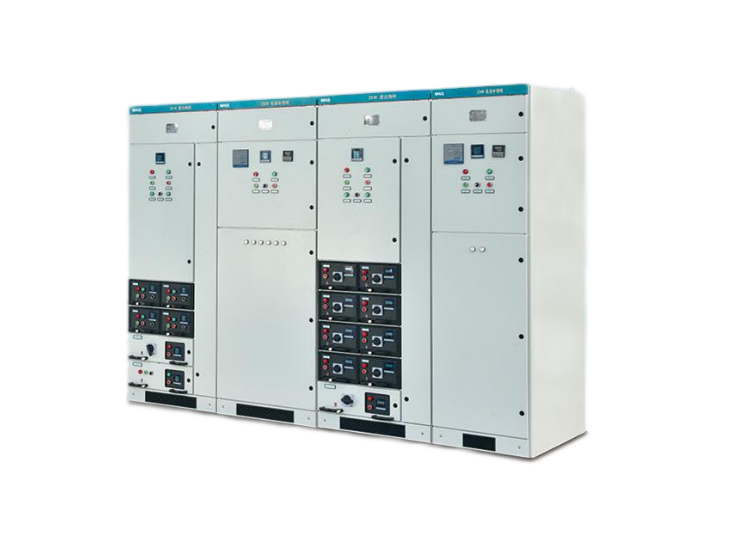
For industrial users, selecting the right switchgear involves evaluating electrical ratings, protection coordination, installation conditions, maintenance requirements, and future expansion needs. Kerei's MNS low-voltage withdrawable switchgear provides a solution for applications where organized distribution and convenient access to functional units are important considerations.
1. Understanding the Role of Industrial Low Voltage Switchgear
Industrial electrical systems typically supply multiple loads, including motors, pumps, production lines, lighting, and control equipment. Each load has different operating characteristics and protection requirements. Overloads, short circuits, and other electrical faults can damage equipment or interrupt production if the distribution system is not properly designed.
Low voltage switchgear provides a structured assembly for distributing electrical power and integrating switching and protection devices. Depending on the configuration, it can support circuit control, fault isolation, and the management of incoming and outgoing feeders.
Its principal functions include:
-
Overload protection: Helps prevent excessive current from causing overheating in conductors and connected equipment.
-
Short-circuit protection: Enables protective devices to disconnect fault currents within their rated operating and interrupting capabilities.
-
Circuit isolation: Allows designated circuits or sections to be disconnected for inspection and maintenance.
-
Power distribution: Organizes the distribution of electrical energy to different loads and operational areas.
-
Protection coordination: Helps ensure that protective devices operate in an appropriate sequence to limit the impact of faults.
These functions depend on correct equipment selection, electrical calculations, protection settings, and coordination between upstream and downstream devices. A switchgear cabinet alone cannot guarantee system safety; it must be properly engineered, installed, and maintained.
2. Improving Power Distribution and Reducing Downtime
In industrial environments, unexpected electrical interruptions can delay production, affect product quality, and increase maintenance costs. When several machines depend on a shared distribution network, a fault in one circuit may also affect other operations if the protection scheme is not appropriately coordinated.
A well-designed industrial low voltage switchgear assembly helps organize incoming power, busbar distribution, outgoing feeders, and associated control components. This structure makes it easier for engineers and maintenance personnel to identify circuits, locate protective devices, and plan maintenance activities.
For example, if a motor feeder develops a short circuit, a properly coordinated protection scheme may disconnect the affected feeder while allowing other independently protected circuits to remain energized. The actual result depends on the system design, protective-device characteristics, and coordination study.
A clear distribution structure also supports future equipment additions. When spare capacity, feeder arrangements, and expansion requirements are considered during the design stage, facilities can plan modifications more effectively without unnecessary changes to the entire distribution system.
For manufacturers seeking to improve operational continuity, switchgear selection should therefore consider both immediate electrical requirements and the long-term organization of the facility's power network.
3. Why Withdrawable Switchgear Can Simplify Maintenance
Maintenance accessibility is an important consideration when selecting industrial electrical equipment. Circuit breakers, control components, and other functional units require periodic inspection, testing, and occasional replacement.
Withdrawable switchgear is designed to allow compatible functional units to move between designated positions according to the manufacturer's operating procedures. This construction can simplify access to certain components and reduce the work required for selected maintenance or replacement tasks.
Potential advantages include:
Convenient access to functional units
Designated units can be positioned or removed according to the switchgear's construction and approved maintenance procedures. This can help maintenance teams work more systematically.
More efficient component replacement
Where the design permits, a compatible functional unit may be replaced without extensive disassembly of the entire switchgear assembly.
Standardized maintenance procedures
Defined operating positions and mechanical or electrical interlocks can help personnel follow consistent procedures and reduce the risk of prohibited operating sequences.
Improved spare-parts planning
Standardized functional units may simplify spare-parts management and support more predictable maintenance scheduling.
Kerei's industrial low voltage switchgear includes an MNS low-voltage withdrawable switchgear solution for industrial power distribution applications.
However, withdrawable construction does not eliminate electrical hazards. Maintenance personnel must follow the manufacturer's instructions, isolate all relevant energy sources, verify the absence of voltage, apply lockout/tagout procedures where required, and control stored electrical or mechanical energy before beginning work.
4. Key Design Features That Support Electrical Safety
The safety and reliability of switchgear depend on more than its external appearance. Enclosure protection, insulation, internal separation, protective earthing, and interlocking arrangements all contribute to the suitability of an assembly for a particular installation.
When evaluating industrial low voltage switchgear, buyers should pay attention to several design considerations.
Enclosure protection
The enclosure should provide a level of protection appropriate to the installation environment. Factors such as dust, moisture, access to hazardous live parts, and the presence of cleaning processes should be considered when determining the required protection rating.
Internal separation
Depending on the design, separation between busbars, functional units, and cable connection areas can improve compartmental organization and maintenance access. The actual protection provided during an internal fault depends on the assembly's verified design and construction.
Protective earthing
Reliable protective earthing and bonding provide an appropriate path for fault current and support the operation of protective devices. Connections must be designed and installed according to applicable electrical standards.
Interlocking mechanisms
Mechanical and electrical interlocks can help prevent specified unsafe operating sequences. Operators should follow approved procedures and must not bypass safety interlocks.
Thermal management
Electrical connections, busbars, and protective devices generate heat during operation. Appropriate conductor sizing, connection quality, ventilation, and load assessment help control temperature and reduce the risk of insulation deterioration.
These features should be verified against product documentation, applicable standards, and project-specific requirements rather than assumed from the switchgear category alone.
5. Selecting Switchgear for Industrial Operating Conditions
The operating environment has a direct influence on the suitability of electrical distribution equipment. Before selecting a switchgear assembly, engineers should assess ambient temperature, humidity, installation altitude, contamination, vibration, and other relevant conditions.
Kerei's MNS low-voltage withdrawable switchgear has the following stated operating conditions:
| Parameter | Stated specification |
|---|---|
| Ambient air temperature | -5°C to +40°C |
| 24-hour average temperature | Not higher than +35°C |
| Installation altitude | Indoor installation at no more than 2,000 m |
| Relative humidity | Not more than 50% at +40°C; higher humidity may be permitted at lower temperatures, such as 90% at +25°C |
| Environmental conditions | Clean surrounding air; pollution degree 3 |
| Mechanical conditions | No significant shaking or shock |
| Seismic intensity | 8 degrees |
The stated humidity conditions also recognize that moderate condensation may occasionally occur because of temperature changes. Condensation can affect insulation performance and contribute to corrosion, so installations in humid environments may require appropriate preventive measures.
Projects involving higher altitudes, severe vibration, outdoor exposure, or environmental conditions outside the specified range should be reviewed with the manufacturer before equipment selection.
Electrical ratings are equally important. Engineers should confirm rated operating voltage, rated current, short-circuit withstand capability, protective-device interrupting capacity, feeder configuration, and required enclosure protection. These values must be established through the electrical design and applicable standards.
Selecting equipment based only on cabinet dimensions or initial installation cost can overlook important operational requirements.
6. Maintenance Practices for Long-Term Switchgear Reliability
Even properly selected switchgear can develop problems if inspections and maintenance are neglected. Dust accumulation, loose connections, deteriorating insulation, corrosion, and mechanical wear may gradually affect performance.
A structured maintenance program should address the following areas:
-
Visual inspection: Check for discoloration, corrosion, damaged insulation, contamination, and other visible abnormalities.
-
Electrical connection inspection: Inspect connections and verify their condition using approved procedures. Torque checks should follow manufacturer specifications.
-
Protective-device testing: Verify the condition and operation of circuit breakers, relays, and other protective components at appropriate intervals.
-
Thermal inspection: Where suitable, use infrared thermography under appropriate operating conditions to identify abnormal heating at connections and current-carrying components.
-
Mechanical inspection: Examine switching mechanisms, withdrawable-unit movement, and interlocking functions according to the maintenance manual.
-
Maintenance documentation: Record inspection findings, defects, corrective actions, and component replacements to identify recurring issues.
Maintenance frequency should reflect manufacturer recommendations, operating conditions, fault history, and the criticality of the electrical installation.
Work involving electrical hazards should be performed by qualified personnel using approved isolation and safety procedures. Routine maintenance should also be coordinated with production schedules to reduce avoidable operational disruption.
7. How to Choose a Reliable Low Voltage Switchgear Manufacturer
Choosing a switchgear manufacturer requires more than comparing product descriptions. Technical capability, manufacturing quality, documentation, and after-sales support can all influence long-term system performance.
Jiangxi Kerei Electric Co., Ltd., located in Nanchang Xiaolan Economic and Technological Development Zone, specializes in the research and development, production, sales, and service of power products. The company emphasizes technical research, new-product development, and industry-university-research cooperation.
When evaluating Kerei or another supplier, industrial buyers should review:
-
Technical drawings and electrical specifications.
-
Applicable product standards and test documentation.
-
Rated current, voltage, and short-circuit performance.
-
Manufacturing quality-control procedures.
-
Installation guidance and maintenance documentation.
-
Spare-parts availability and after-sales support.
-
Compatibility with existing distribution equipment and future expansion plans.
It is also important to confirm the required configuration before production. Incoming power arrangements, outgoing feeders, protection requirements, installation dimensions, and environmental conditions should all be clearly defined.
A manufacturer that can clarify these technical requirements during the specification stage can help reduce design inconsistencies and improve coordination between switchgear, cables, power sources, and downstream equipment.
Conclusion
Industrial low voltage switchgear plays an essential role in organizing electrical distribution, supporting coordinated circuit protection, enabling controlled isolation, and simplifying selected maintenance activities. Withdrawable switchgear can offer additional maintenance flexibility when its construction and operating procedures are appropriate for the application.
For industrial facilities, the right selection should be based on electrical ratings, fault protection, enclosure design, environmental conditions, maintenance access, and supplier support. These factors must be considered together to ensure that the equipment meets the requirements of the complete electrical distribution system.
Kerei's MNS low-voltage withdrawable switchgear provides an option for industrial users seeking an organized and maintainable power distribution solution. With appropriate engineering, professional installation, and a consistent maintenance program, a suitable switchgear assembly can help support safer electrical operation and more dependable industrial production.
www.koriepower.com
Jiangxi Kerei Electric Co., Ltd.

+ There are no comments
Add yours