
When planning a commercial interior, wall decoration is not simply about choosing an attractive color or surface pattern. The materials used in hotels, offices, shopping centers, restaurants, and other commercial buildings must also meet practical requirements, including durability, installation efficiency, maintenance convenience, and building safety standards.
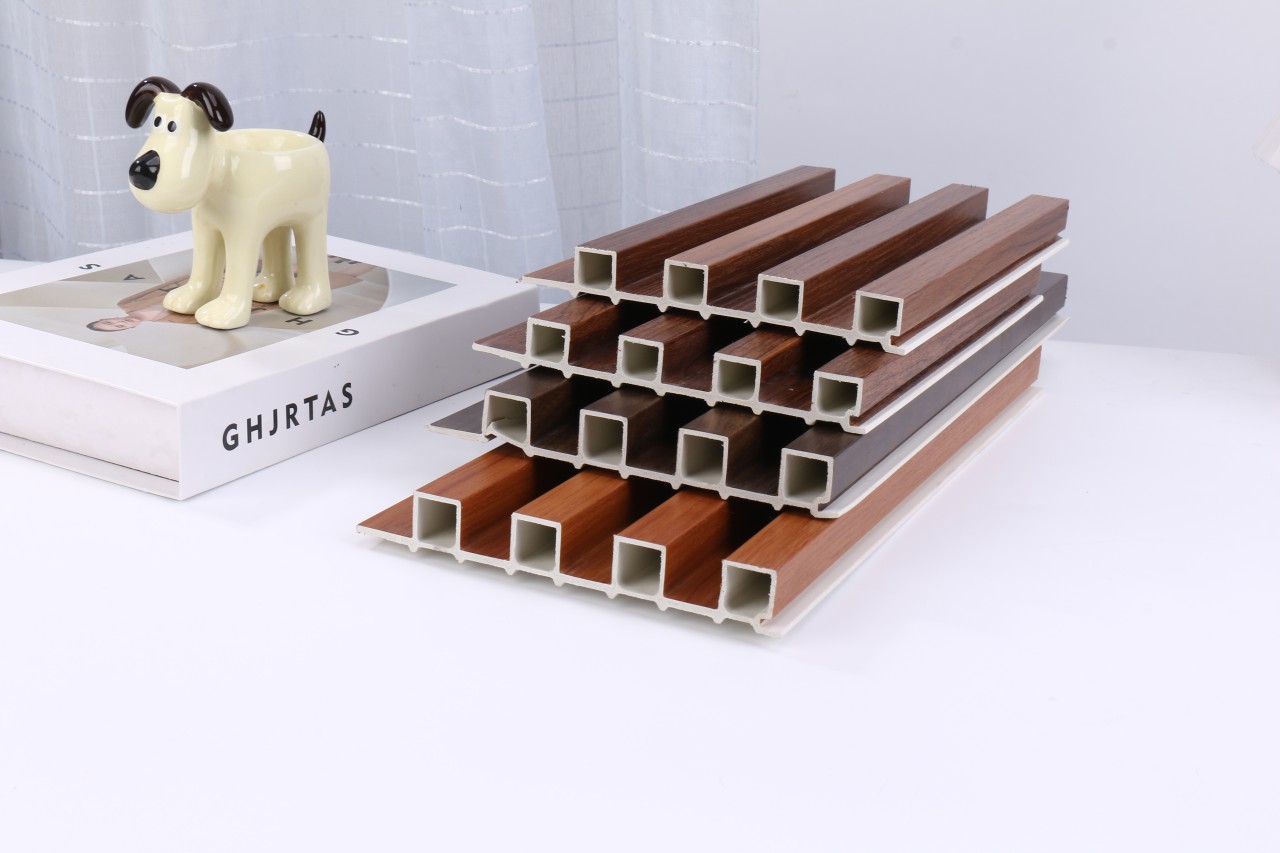
Among the available decorative materials, PVC grille panels have become an option worth considering for modern interior projects. They offer different decorative styles and can be adapted to various design concepts, making them suitable for feature walls, reception areas, corridors, and other interior applications.
However, not every decorative panel is appropriate for every project. Before making a purchasing decision, contractors, interior designers, and building material distributors should understand several important factors that influence product selection and long-term performance.
1. Start with the Actual Requirements of Your Project
The most suitable wall panel depends largely on its intended application. Different commercial environments have different priorities.
For example, hotels often require decorative wall materials that create a comfortable and consistent atmosphere. Office buildings may focus more on a clean, professional appearance, while retail stores may prefer distinctive finishes that complement their brand identity.
Before selecting a product, consider:
-
Installation area: Determine whether the panels will be installed in reception areas, corridors, meeting rooms, retail spaces, or other interior locations.
-
Interior design: Consider how the panel color and texture will coordinate with flooring, ceilings, lighting, and furniture.
-
Environmental conditions: Evaluate humidity, ventilation, cleaning frequency, and other site-specific factors.
-
Project requirements: Calculate the total installation area and determine whether different sections need consistent decorative finishes.
-
Building regulations: Identify applicable requirements for fire performance and interior decorative materials.
Defining these requirements early makes communication with suppliers more efficient and helps prevent unnecessary specification changes later.
2. Pay Attention to Panel Size and Material Specifications
Panel dimensions are an important consideration because they affect installation efficiency, material consumption, and the overall appearance of the finished wall.
For commercial projects involving large wall surfaces, larger panels may help reduce the number of visible joints and create a more continuous decorative effect.
Dingxin offers large-format decorative panels with a reported width of 122 cm, a standard length of 2.9 m, and customized lengths of up to 5.8 m. The stated thickness is 0.8 cm.
These dimensions can provide flexibility when planning different interior layouts. Nevertheless, buyers should confirm the actual specifications, dimensional tolerances, and available customization options with the manufacturer before placing an order.
Another point worth considering is transportation and handling. Extra-long panels may reduce installation joints, but they also require sufficient storage space, transportation access, and room for on-site handling.
A detailed measurement plan should include wall corners, columns, door openings, electrical outlets, and other obstacles. This helps the installation team determine the appropriate cutting positions and reduce material waste.
3. Select a Decorative Finish That Supports the Overall Design
The visual finish is often one of the first things buyers notice when evaluating decorative wall panels. However, choosing a finish should involve more than personal preference.
It is important to consider the atmosphere of the entire space and how the wall material interacts with other interior elements.
Common decorative options offered by Dingxin include:
-
Wood-textured finishes: Suitable for interiors that require a warm, natural appearance, such as hotel rooms, offices, and residential developments.
-
Artistic paint finishes: A practical design option for contemporary commercial interiors and decorative feature walls.
-
Soft textured colors: Appropriate for spaces that require a simple, coordinated appearance without making the walls overly prominent.
For large-scale projects, consistency between different production batches is particularly important. Even small color differences can become noticeable when panels are installed across multiple rooms or floors.
It is therefore advisable to request physical samples before confirming the final selection. Compare the samples under different lighting conditions and check whether the finish matches the project's flooring, furniture, and other decorative materials.
If standard colors do not meet the design requirements, buyers can also discuss customized finishes with the manufacturer. Dingxin states that customized options are available, subject to confirmation with its customer service team.
4. Understand Fire Performance Before Purchasing
Fire safety should never be treated as a secondary consideration when selecting decorative materials for commercial buildings.
Hotels, schools, hospitals, shopping centers, and office buildings may have specific requirements regarding the fire performance of interior wall materials.
Dingxin states that its relevant decorative panel achieves a B1 fire rating. However, buyers should request the corresponding test reports or certification documents to verify the classification of the exact product being considered.
It is also important to understand that a product's stated fire classification does not automatically mean it meets every building project's requirements.
Different countries and regions may apply different testing standards and acceptance criteria. In addition, the performance of an installed wall system may be influenced by the substrate, adhesives, backing materials, joints, and installation methods.
For projects with strict compliance requirements, consult the architect, contractor, or relevant building-safety professional before purchasing. Confirming the documentation in advance can help avoid delays and material replacement costs.
5. Consider Installation Efficiency and Daily Maintenance
A decorative wall panel may have an excellent appearance, but its practical value also depends on how easily it can be installed and maintained.
Before installation, the contractor should inspect the wall substrate and ensure that the surface is suitable for the selected panel system. The installation team should also understand the manufacturer's recommendations regarding cutting, positioning, fixing, and joint treatment.
For large-format panels, careful handling is essential. Incorrect positioning or rough handling may cause surface damage, uneven joints, or alignment problems.
Commercial environments also require regular cleaning. Hotels, restaurants, offices, and public facilities may experience more frequent contact and cleaning than ordinary residential spaces.
Before selecting a panel, ask the supplier about:
-
Recommended cleaning methods.
-
Suitable cleaning agents.
-
Resistance to common environmental conditions.
-
Procedures for repairing or replacing damaged sections.
-
Maintenance precautions for preserving the surface finish.
Avoid assuming that all PVC decorative panels have identical resistance to chemicals, moisture, or abrasion. Actual performance depends on the product construction and surface treatment.
Understanding these details before installation helps property managers establish appropriate maintenance procedures.
6. Work with a Supplier That Understands Commercial Projects
Product quality is important, but supplier capabilities also influence the success of a commercial interior project.
Large projects frequently involve multiple installation areas, different panel lengths, customized colors, and tight delivery schedules. A supplier that can coordinate these requirements can make the procurement process more manageable.
When evaluating a manufacturer, consider whether it can provide:
-
Detailed product specifications and dimensional information.
-
Physical samples for color and texture evaluation.
-
Customization options for different design requirements.
-
Relevant fire-performance documentation.
-
Production and delivery coordination.
-
Technical guidance for installation and maintenance.
Dingxin was established in 2016 and focuses on new-material research and applications. Its product range includes integrated wall panels, ceiling panels, and decorative materials such as metal and stone-plastic products.
For buyers looking for decorative PVC grille panels, Dingxin provides options worth evaluating for commercial interior applications. Before confirming an order, buyers should discuss the exact panel construction, dimensions, surface finishes, customization requirements, and technical documentation directly with the company.
Maintaining clear communication throughout the purchasing process is particularly important for projects involving multiple production batches or phased installation.
7. Prepare a Detailed Purchasing Checklist
Before issuing a purchase order, it is useful to organize all technical and commercial requirements into one specification document.
The following checklist can help purchasing teams and contractors avoid overlooking important details:
| Evaluation Item | Key Questions |
|---|---|
| Application | Where will the panels be installed? |
| Dimensions | Are the width, length, and thickness suitable? |
| Surface finish | Has the color and texture been approved? |
| Fire performance | Are the required test reports available? |
| Installation | Are the fixing method and substrate requirements clear? |
| Maintenance | Are suitable cleaning procedures documented? |
| Quantity | Has the installation area and cutting allowance been calculated? |
| Delivery | Can packaging and transportation meet site requirements? |
Having these details confirmed before production reduces misunderstandings between designers, contractors, purchasing teams, and manufacturers.
Final Thoughts
Choosing decorative PVC wall panels for commercial interiors involves several factors beyond appearance. Panel dimensions, surface finishes, fire performance, installation conditions, maintenance requirements, and supplier capabilities all contribute to the suitability of the final product.
For contractors, designers, and building material distributors, the best approach is to define project requirements first, evaluate physical samples, verify technical documentation, and communicate customization needs clearly with the manufacturer.
With appropriate product selection and preparation, PVC grille panels can help commercial projects achieve a coordinated decorative appearance while keeping material procurement and installation planning more organized.
www.dx-ecowallpanel.com
Jiaxing Dingxin New Materials Technology Co., Ltd.

+ There are no comments
Add yours