
Electrical systems are the backbone of modern industrial and commercial operations. From manufacturing plants and office buildings to hospitals, data centers, and backup power installations, every facility depends on a stable and properly managed power supply.
However, reliable electricity distribution involves more than simply delivering power to connected equipment. It also requires effective circuit protection, safe equipment isolation, proper cable management, and convenient access for routine maintenance.
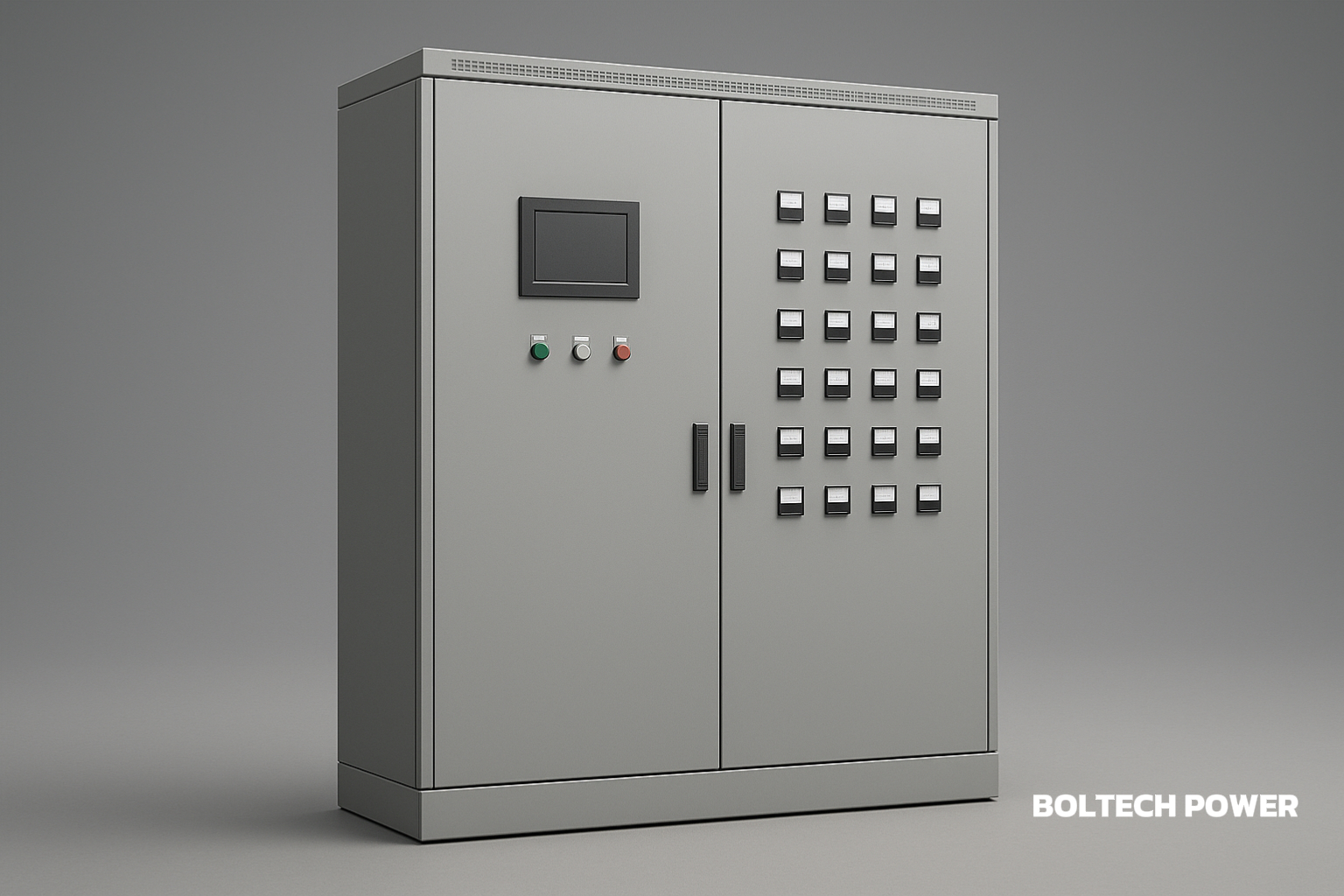
This is where a power distribution cabinet plays an important role. By housing electrical components in an organized enclosure, it helps engineers manage different power circuits while supporting the safe operation of the entire electrical system.
For facilities that depend on diesel generators or standby power equipment, selecting an appropriate distribution cabinet is particularly important. Here are several factors worth understanding before choosing one for an industrial or commercial project.
1. Effective Circuit Protection Is the Foundation of Electrical Safety
One of the most important functions of a power distribution cabinet is to organize and accommodate electrical protection devices.
Depending on the application, a cabinet may contain circuit breakers, fuses, protective relays, and other electrical components. These devices are designed to respond to abnormal operating conditions, such as overloads and short circuits.
For example, when a manufacturing facility operates multiple production machines, each machine may require an independent outgoing circuit. If one machine develops an electrical fault, an appropriately selected protective device can disconnect the affected circuit without unnecessarily interrupting the power supply to other equipment.
However, simply installing circuit breakers does not guarantee complete protection. Their rated current, breaking capacity, and protection settings must match the actual electrical system.
Engineers should evaluate the expected operating load, available fault current, cable specifications, and coordination between upstream and downstream protective devices.
Proper protection coordination helps ensure that the device closest to a fault operates first whenever the system design allows it. This reduces unnecessary power interruptions and helps protect connected equipment.
2. A Well-Designed Enclosure Helps Reduce Electrical Hazards
Electrical components need appropriate physical protection, particularly in facilities where equipment is frequently accessed by maintenance personnel.
A power distribution cabinet provides a structured enclosure that helps prevent accidental contact with energized components during normal operation.
When evaluating cabinet construction, buyers should pay attention to several details:
-
Enclosure strength and material quality.
-
Door structure and locking arrangements.
-
Internal electrical barriers and component separation.
-
Cable entry and routing arrangements.
-
Grounding and bonding provisions.
-
Clear warning labels and circuit identification.
These details influence both operational safety and maintenance convenience.
For example, properly organized internal wiring makes it easier for qualified technicians to identify individual circuits during inspection. Appropriate barriers can also reduce the likelihood of accidental contact with energized parts.
It is equally important to maintain controlled access. Electrical cabinets should only be opened by authorized personnel, and maintenance work must follow appropriate isolation, lockout, and verification procedures.
A protective enclosure is an important safety measure, but it cannot replace proper electrical installation practices or personnel training.
3. Reliable Fault Isolation Helps Minimize Operational Downtime
Unexpected electrical faults can affect production schedules, interrupt commercial operations, and damage sensitive equipment.
A properly configured power distribution cabinet makes it easier to identify and isolate individual circuits when abnormal conditions occur.
This is especially valuable in industrial environments where different machines, lighting systems, ventilation equipment, and auxiliary loads operate simultaneously.
Clear labeling and logical component arrangements allow maintenance teams to locate the relevant circuit more efficiently. When combined with correctly coordinated protective devices, this can help prevent a localized fault from developing into a wider power interruption.
Backup power systems require additional attention.
In a typical generator installation, the electrical arrangement may include a diesel generator set, utility supply, transfer equipment, distribution cabinet, and downstream electrical loads.
The switching system must be designed to prevent unintended interconnection between different power sources. Depending on the project, this may involve an automatic transfer switch, mechanical or electrical interlocking, and other control arrangements.
The correct configuration depends on the generator capacity, load characteristics, operating sequence, and applicable electrical standards.
Boltech provides diesel generator sets and power distribution equipment for industrial, commercial, and infrastructure applications. Its power distribution cabinet solutions can be considered when developing an integrated power supply arrangement for different project requirements.
4. Environmental Conditions Should Influence Cabinet Selection
Not every power distribution cabinet operates under the same environmental conditions.
A cabinet installed in an indoor electrical room faces different challenges from one used outdoors, in a factory workshop, or in a coastal industrial facility.
Choosing an enclosure without considering the installation environment may lead to premature deterioration, overheating, or reduced equipment reliability.
Before purchasing, consider the following factors:
Ingress protection: Dust and water protection requirements should be determined according to the installation location. The appropriate IP rating depends on the actual exposure conditions.
Temperature management: Electrical components generate heat during operation. The cabinet should provide sufficient heat dissipation to maintain acceptable operating temperatures.
Corrosion resistance: Industrial facilities, coastal areas, and chemical processing environments may require special enclosure materials, coatings, or protective treatments.
Ventilation: Airflow and heat management should be considered together with the cabinet's environmental protection requirements.
Installation space: Adequate clearance is necessary for equipment operation, cable connections, inspection, and future maintenance.
One common mistake is assuming that a higher enclosure protection rating is always the best choice. A tightly sealed cabinet may require additional thermal management to prevent excessive internal temperatures.
The final selection should balance environmental protection, component operating limits, and maintenance requirements.
5. Electrical Monitoring Provides Better Visibility of System Performance
As industrial power systems become more sophisticated, monitoring capabilities are increasingly important.
Modern power distribution cabinets can be equipped with electrical meters, monitoring instruments, status indicators, alarm functions, and communication interfaces.
Depending on the configuration, operators may monitor:
-
Voltage and current.
-
Operating frequency.
-
Active and reactive power.
-
Power factor.
-
Energy consumption.
-
Circuit breaker status.
-
Abnormal operating alarms.
These measurements help facility managers understand how electrical loads behave during normal operation.
For generator-powered applications, monitoring is particularly useful because it allows operators to observe the relationship between generator output and actual electrical demand.
For instance, unexpected current fluctuations or voltage deviations may indicate changing load conditions or a potential equipment problem that requires investigation.
Some installations also integrate monitoring equipment with centralized control systems, allowing operators to access selected electrical information remotely.
However, monitoring should be designed around actual operational requirements. Installing unnecessary instruments or complicated communication functions can increase system complexity without providing meaningful benefits.
A practical monitoring configuration should focus on the parameters that operators need to make informed decisions.
6. Maintenance-Friendly Design Supports Long-Term Reliability
Even a well-designed electrical system requires regular inspection and maintenance.
Over time, electrical equipment may experience connection deterioration, insulation aging, dust accumulation, corrosion, and other changes that affect operating conditions.
A power distribution cabinet with a clear internal layout makes routine inspection more manageable. Proper component identification and accessible connection points also help qualified technicians carry out maintenance more efficiently.
A regular maintenance program should cover:
-
Checking the external enclosure for damage, corrosion, or deterioration.
-
Inspecting cabinet doors, locks, seals, and cable entry points.
-
Confirming that circuit labels and warning signs remain readable.
-
Reviewing electrical monitoring records and alarm history.
-
Checking for signs of overheating, unusual discoloration, or insulation damage.
-
Inspecting grounding connections and protective devices according to approved procedures.
-
Recording maintenance findings and arranging corrective actions.
For larger facilities, maintaining inspection records is particularly useful because it helps identify recurring problems and supports preventive maintenance planning.
All internal electrical inspections and repairs should be performed by qualified personnel using appropriate safety procedures. Maintenance intervals should follow manufacturer recommendations, operating conditions, and applicable regulations.
7. What Should Buyers Consider Before Ordering?
Selecting a power distribution cabinet requires a clear understanding of the complete electrical application.
Rather than focusing only on cabinet appearance or external dimensions, buyers should confirm whether the equipment is compatible with the system's electrical characteristics and operating environment.
The following checklist can help simplify the purchasing process:
| Selection Criteria | Important Details to Confirm |
|---|---|
| Rated voltage | Compatibility with the electrical supply system |
| Rated current | Ability to support the expected operating load |
| Short-circuit capacity | Suitability for the calculated fault current |
| Protection devices | Breaker types, ratings, and coordination |
| Cabinet structure | Materials, dimensions, internal layout, and access |
| Environmental protection | IP rating, temperature, and corrosion conditions |
| Monitoring functions | Required meters, alarms, and communication interfaces |
| System integration | Compatibility with generator sets and transfer equipment |
| Technical documents | Electrical drawings, component lists, and test records |
| After-sales support | Installation guidance and maintenance assistance |
For customized projects, it is advisable to provide the supplier with a single-line electrical diagram, equipment load list, generator specifications, installation environment, and project compliance requirements.
These details allow the manufacturer to better understand the application and recommend a suitable configuration.
8. Why Supplier Experience Matters in Power Distribution Projects
A power distribution cabinet is not an isolated electrical product. Its performance is closely related to the generator, transfer equipment, connected loads, and the overall power management arrangement.
Working with a supplier that understands complete power systems can make equipment selection and project coordination more efficient.
Buyers should evaluate whether the supplier can provide technical consultation, equipment configuration recommendations, manufacturing coordination, installation support, commissioning, and after-sales service.
Boltech has more than 37 years of experience in generator sets and power system equipment. Its business covers customized power solutions, including equipment design, supply, installation, commissioning, and maintenance.
For industrial facilities, commercial buildings, and infrastructure projects, this broader experience can be useful when coordinating generator capacity with power distribution requirements.
Before making a final purchasing decision, buyers should discuss their actual load conditions, operating expectations, and technical specifications with the supplier to ensure that the selected equipment is appropriate for the intended application.
Conclusion
Choosing a suitable power distribution cabinet is an important step in building a safe and dependable electrical system. Effective circuit protection, organized internal construction, reliable fault isolation, environmental adaptability, monitoring capabilities, and convenient maintenance all contribute to long-term system performance.
For projects involving diesel generator sets or other critical power equipment, the cabinet should be selected as part of the complete electrical distribution arrangement rather than as an independent enclosure.
By evaluating technical requirements carefully and working with an experienced power equipment supplier, project owners and electrical contractors can improve equipment coordination, reduce avoidable operational risks, and establish a more reliable foundation for long-term power management.
www.boltechpower.com
Jiangxi BOLTECH Power Equipment Co., Ltd.

+ There are no comments
Add yours