



Wood chippers are essential tools for landscaping, forestry, and garden maintenance, but like all heavy machinery, their longevity depends on proper care. Regular maintenance not only ensures efficient operation but also prevents costly breakdowns and extends the lifespan of your equipment. Beisier, a trusted supplier of industrial-grade wood chippers, emphasizes preventive maintenance as a key factor in maximizing performance and durability.
1. Regularly Inspect Blades and Cutting Mechanisms
The blades are the heart of any wood chipper. Dull or damaged blades reduce efficiency, increase strain on the engine, and can cause uneven chipping.
Tips for blade maintenance:
Check sharpness weekly: Look for chipped edges or bluntness.
Sharpen or replace blades: Use proper sharpening tools and techniques recommended by manufacturers.
Inspect drum and rotor: Ensure blades are securely attached and free of debris.
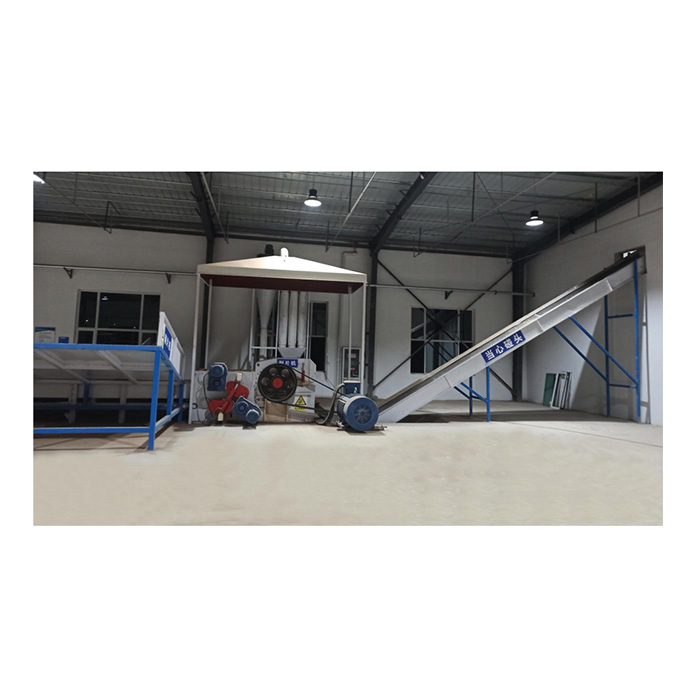
For industrial applications, Beisier’s industrial drum chipper features durable cutting mechanisms designed for long-term use, but even these require periodic inspection to maintain optimal performance.
2. Maintain Proper Lubrication
Friction is one of the leading causes of wear in wood chippers. Proper lubrication reduces heat buildup and prevents premature wear on bearings, gears, and other moving parts.
Maintenance recommendations:
Use manufacturer-recommended lubricants: Different components may require specific types of grease or oil.
Follow a schedule: Bearings, spindles, and pivot points often require weekly or monthly lubrication.
Check for leaks: Oil or grease leaks can indicate worn seals or misalignment.
Consistent lubrication not only prolongs component life but also ensures smoother operation and less energy consumption.
3. Keep the Engine in Optimal Condition
A well-maintained engine is critical for the overall performance of a wood chipper. Neglecting the engine can lead to reduced power output, higher fuel consumption, and costly repairs.
Key engine maintenance tips include:
Check oil levels regularly and replace oil according to the manufacturer’s schedule.
Replace air and fuel filters to prevent contaminants from entering the engine.
Inspect spark plugs and ignition components for signs of wear or damage.
Monitor cooling systems to prevent overheating during heavy use.
For industrial drum chippers, engines may run for extended periods, making preventive maintenance even more critical.
4. Clean the Chipper After Each Use
Accumulated debris, wood chips, and sap can interfere with moving parts, reduce efficiency, and promote corrosion.
Cleaning tips:
Clear the hopper and discharge chute of leftover material.
Use compressed air or brushes to remove sawdust and dust from the engine compartment.
Inspect the drum and blades for resin or sticky deposits.
Dry the chipper thoroughly if it has been exposed to moisture.
A clean wood chipper operates more smoothly and reduces the risk of jams or damage caused by foreign objects.
5. Check Belts, Chains, and Pulleys
Belts and chains transfer power from the engine to the cutting drum. Over time, these components can stretch, wear, or misalign, causing inefficiency and potential breakdowns.
Maintenance recommendations:
Inspect belts for cracks, fraying, or glazing.
Check chain tension and alignment for smooth operation.
Replace worn components promptly to avoid further damage.
Lubricate chains according to manufacturer guidelines.
Proper care ensures consistent performance and reduces downtime during critical work periods.
6. Monitor Hydraulic Systems (If Applicable)
Many industrial wood chippers feature hydraulic components for feed rollers or adjustable chutes. Hydraulic systems require careful maintenance to prevent leaks, loss of pressure, or system failure.
Tips include:
Check hydraulic fluid levels regularly.
Inspect hoses and connections for leaks or cracks.
Replace hydraulic filters on schedule to prevent contamination.
Test the system periodically to ensure smooth operation of moving parts.
By keeping the hydraulic system in top condition, you maintain control and precision during chipper operation.
7. Store the Chipper Properly
Proper storage protects your equipment from the elements and minimizes rust or deterioration.
Storage tips:
Keep the chipper in a dry, sheltered area to avoid exposure to rain and sun.
Cover with a protective tarp if indoor storage is not available.
Elevate off the ground to prevent moisture damage to tires or base components.
Remove or drain fuel for long-term storage to prevent engine issues.
Good storage practices extend the life of the entire machine, including metal components, engine, and electrical systems.
8. Follow a Maintenance Schedule
Consistency is key to prolonging the lifespan of your wood chipper. Create a maintenance checklist that includes:
Daily: Inspection of blades, engine oil level, and cleaning of debris.
Weekly: Lubrication, belt and chain checks, and detailed inspection of moving parts.
Monthly: Deep inspection of engine components, hydraulic systems, and safety devices.
Seasonal: Full service including blade replacement, fluid changes, and structural inspection.
Industrial-grade machines, such as Beisier’s industrial drum chipper, benefit from this structured approach to maintenance, reducing downtime and improving operational safety.
9. Safety Checks
Regular maintenance also ensures the safety of operators. Check for:
Proper functioning of safety guards and emergency stops.
Secure mounting of all bolts, nuts, and fasteners.
Correct operation of feed rollers and chipping mechanisms.
By combining maintenance with safety inspections, operators reduce the risk of accidents while ensuring the chipper performs reliably.
10. Professional Servicing
Even with diligent in-house maintenance, periodic professional servicing is recommended. Experts can:
Identify hidden wear or potential failures.
Sharpen or replace blades correctly.
Calibrate engines and hydraulic systems for peak performance.
Professional servicing extends the lifespan of industrial wood chippers and ensures compliance with operational standards.
Conclusion
The lifespan and efficiency of a wood chipper depend heavily on regular maintenance. From blade inspection and lubrication to engine care, cleaning, and proper storage, each step contributes to performance and longevity.
Beisier provides robust industrial solutions, including the industrial drum chipper, designed for durability, but even the best machines require consistent care. By following these practical tips, wood chipper owners can reduce downtime, improve safety, and maximize their investment over years of reliable operation.
www.bsr-wood.com
Beisier

+ There are no comments
Add yours