
Industrial facilities today operate under increasingly strict safety, efficiency, and environmental protection requirements. From oil refineries and chemical plants to power stations and offshore platforms, complex piping networks must be controlled with precision. At the heart of these systems are valves—essential components that regulate the flow of liquids, gases, steam, and other process media.
However, when valves are operated incorrectly or in the wrong sequence, the consequences can be severe. Accidents such as overpressure events, chemical leakage, equipment damage, and even catastrophic explosions often originate from simple human operational errors.
To prevent these risks, industries rely on industrial valve safety systems, and among the most reliable solutions is the mechanical valve interlock system. Companies such as Nudango specialize in mechanical valve interlocks designed specifically for hand-operated valves, providing a robust, fail-safe method to enforce safe operational sequences without relying on electricity or electronic control systems.
What Are Industrial Valve Safety Systems?
Industrial valve safety systems are engineered safety mechanisms designed to ensure that valves are operated in a safe, predefined sequence. Their primary purpose is to eliminate unsafe conditions caused by human error, miscommunication, or incorrect operational procedures.
These systems can be broadly categorized into safety approaches, but in heavy industrial environments, the most trusted and widely applied solution remains mechanical valve interlocking systems for manual valves.
Unlike electronic or software-based systems, mechanical interlocks physically restrict valve movement until the correct operational conditions are met. This makes them especially valuable in environments where reliability, simplicity, and fail-safe performance are critical.
Mechanical Valve Interlock Systems: The Core of Industrial Safety
A mechanical valve interlock system is a physical safety device that controls the operation of hand valves through mechanical logic. It uses keys, locks, and mechanical constraints to ensure that operators follow a strict sequence when opening or closing valves.
Nudango’s mechanical valve interlock systems are designed specifically for manual hand-operated valves, meaning the system does not depend on electricity, sensors, or digital controllers. Instead, safety is enforced entirely through mechanical structure.
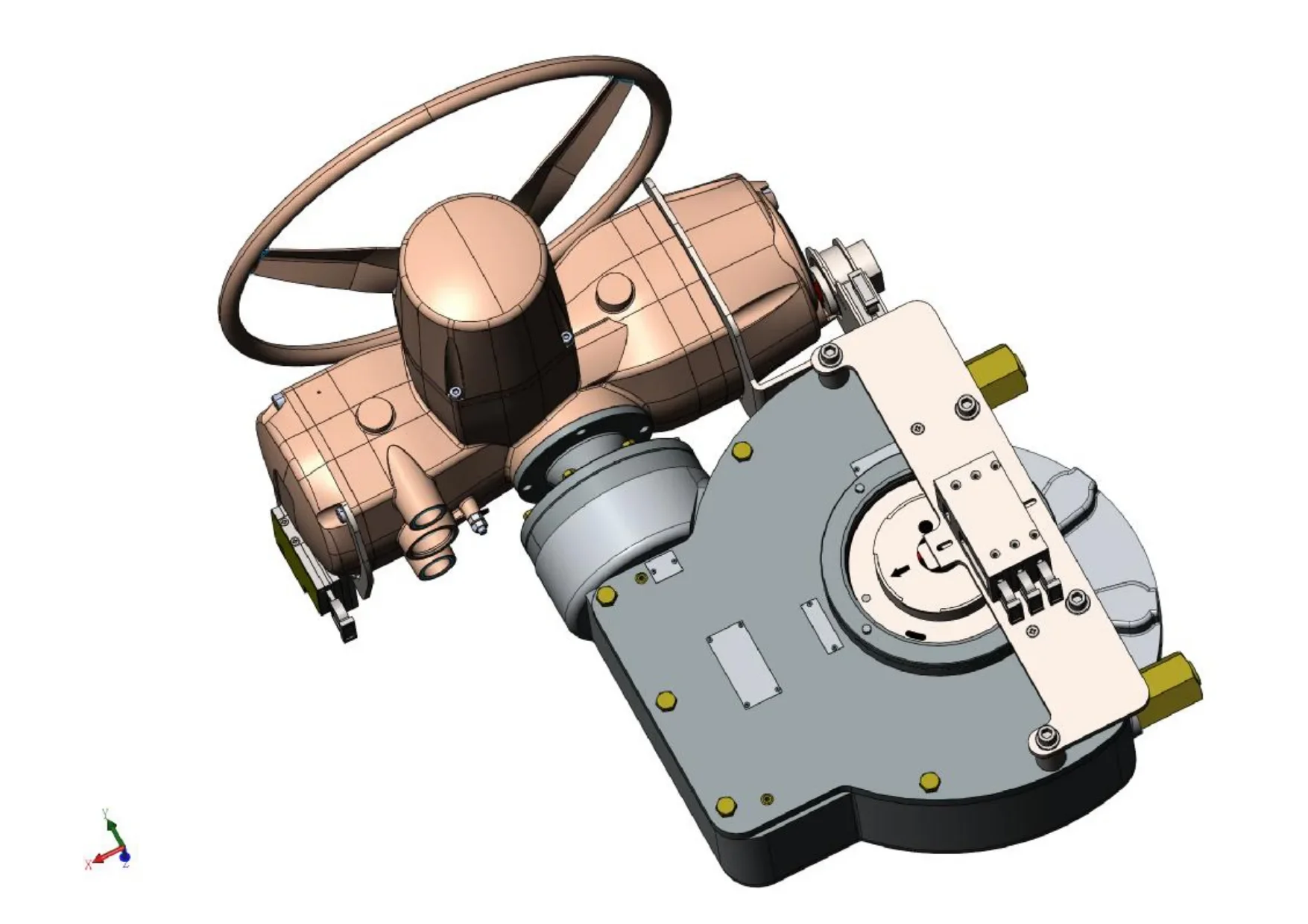
This approach ensures:
-
Absolute independence from power supply
-
Reliable operation in harsh environments
-
Direct physical enforcement of safety logic
-
Minimal maintenance requirements
-
Long service life in industrial conditions
Because of these advantages, mechanical interlocks are widely used in critical infrastructure where failure is not an option.
Why Industrial Valve Safety Systems Are Essential
1. Preventing Operational Errors
Industrial systems often involve dozens or even hundreds of valves. In such complex environments, incorrect sequencing is one of the most common causes of incidents.
A mechanical valve interlock system physically prevents operators from performing unsafe actions, ensuring that:
-
Valves cannot be opened in the wrong order
-
Critical isolation steps are completed before system activation
-
Dangerous simultaneous valve states are avoided
This eliminates reliance on human memory or judgment under pressure.
2. Enhancing Process Safety
Industrial processes frequently involve high pressure, high temperature, or hazardous media. Incorrect valve operation can lead to:
-
Pipeline rupture
-
Sudden pressure release
-
Chemical exposure
-
Fire or explosion risks
Mechanical valve interlocks ensure that pressure is safely managed by enforcing correct valve sequencing.
3. Protecting Equipment and Infrastructure
Improper valve operations can cause serious mechanical stress on pumps, compressors, and pipelines. Over time, this leads to:
-
Premature equipment failure
-
Increased maintenance costs
-
Production downtime
-
Reduced system lifespan
Valve interlock systems help maintain stable operating conditions, reducing mechanical wear and protecting capital-intensive equipment.
4. Improving Environmental Safety
Uncontrolled leakage or discharge of industrial fluids can lead to environmental contamination. Mechanical interlock systems help ensure that:
-
Hazardous fluids are properly isolated
-
Transfer operations follow safe procedures
-
Emergency shutdown sequences are correctly executed
This supports compliance with environmental regulations and sustainability goals.
5. Supporting Industrial Safety Compliance
Industries must comply with strict international safety standards and operational regulations. Mechanical valve interlock systems help organizations meet requirements related to:
-
Process safety management (PSM)
-
Occupational safety regulations
-
Environmental protection laws
-
Internal safety audits and procedures
Because mechanical interlocks provide physical enforcement, they are often preferred in safety-critical audits.
Key Components of Mechanical Valve Interlock Systems
A typical mechanical valve interlock system from Nudango or similar manufacturers includes several essential components:
1. Mechanical Locking Units
These physically prevent valve operation unless specific conditions are met.
2. Key Transfer Mechanisms
A structured key system ensures that a key can only be released after a valve is correctly positioned, enforcing strict operational sequences.
3. Valve Adapters
Adapters ensure compatibility between interlock systems and various types of manual valves, including gate valves, ball valves, and butterfly valves.
4. Mechanical Logic Design
The interlock sequence is engineered based on process safety requirements, ensuring correct operation order for each system.
5. Mounting and Enclosure Components
These ensure the system remains stable and resistant to vibration, corrosion, and environmental stress.
Applications of Mechanical Valve Interlock Systems
Mechanical valve interlock systems are widely used across multiple industries:
Oil and Gas Industry
Used in pipelines, storage facilities, and refining systems to prevent overpressure and uncontrolled release of hydrocarbons.
Chemical Processing Plants
Ensures that incompatible chemicals are not mixed and that reaction sequences are safely controlled.
Power Generation Facilities
Controls steam, cooling water, and fuel systems to ensure safe startup and shutdown operations.
Water and Wastewater Treatment
Prevents cross-contamination and ensures correct sequencing of filtration and chemical dosing processes.
Offshore Platforms
Provides reliable safety control in harsh marine environments where electronic systems may be less reliable.
Advantages of Mechanical Valve Interlock Systems
Mechanical solutions offer several distinct advantages compared to electronic alternatives:
-
No reliance on electricity or software
-
High resistance to harsh environmental conditions
-
Simple installation and operation
-
Fail-safe physical enforcement of safety logic
-
Low long-term maintenance requirements
-
High reliability in remote or hazardous locations
These benefits make mechanical interlocks especially suitable for critical industrial applications where operational certainty is essential.
Challenges in Implementation
Despite their advantages, implementing mechanical valve interlock systems requires careful planning:
Complex System Design
Large facilities may require customized interlock logic tailored to specific piping layouts.
Environmental Conditions
Corrosion, vibration, and extreme temperatures can affect long-term performance if materials are not properly selected.
Integration into Existing Systems
Retrofitting older facilities may require engineering modifications to ensure compatibility.
Operator Training
Operators must understand interlock logic to ensure proper use and avoid bypass attempts.
Maintenance and Inspection
Periodic inspection is necessary to ensure mechanical integrity and smooth operation.
Best Practices for Industrial Valve Safety Systems
To maximize performance and safety, industries should follow these best practices:
-
Conduct detailed risk assessments before system design
-
Use customized mechanical interlock solutions for specific processes
-
Select corrosion-resistant, industrial-grade materials
-
Implement regular inspection and preventive maintenance programs
-
Provide comprehensive operator training
-
Integrate interlocks into overall plant safety management systems
Future Outlook of Mechanical Valve Interlock Systems
While industrial automation continues to evolve, mechanical valve interlock systems remain highly relevant. Future trends include:
-
Improved modular and customizable mechanical designs
-
Enhanced corrosion-resistant materials for extreme environments
-
Integration with digital monitoring (without replacing mechanical logic)
-
Greater adoption in offshore and high-risk industries
Despite technological advancements, mechanical systems will continue to play a vital role because they provide true fail-safe physical safety enforcement independent of power or software systems.
Conclusion
Industrial valve safety systems are essential for ensuring safe and reliable industrial operations. Among all available solutions, mechanical valve interlock systems—such as those designed by Nudango for hand-operated valves—offer unmatched reliability and simplicity.
By physically enforcing correct valve operation sequences, these systems significantly reduce human error, protect equipment, enhance environmental safety, and ensure compliance with industrial regulations.
In high-risk industries where failure is not an option, investing in a well-designed mechanical valve interlock system is not just a safety measure—it is a fundamental requirement for sustainable and efficient operations.
www.nudango.com
nudango


+ There are no comments
Add yours