

Why Sensor Windows Matter in Extreme Industrial Environments
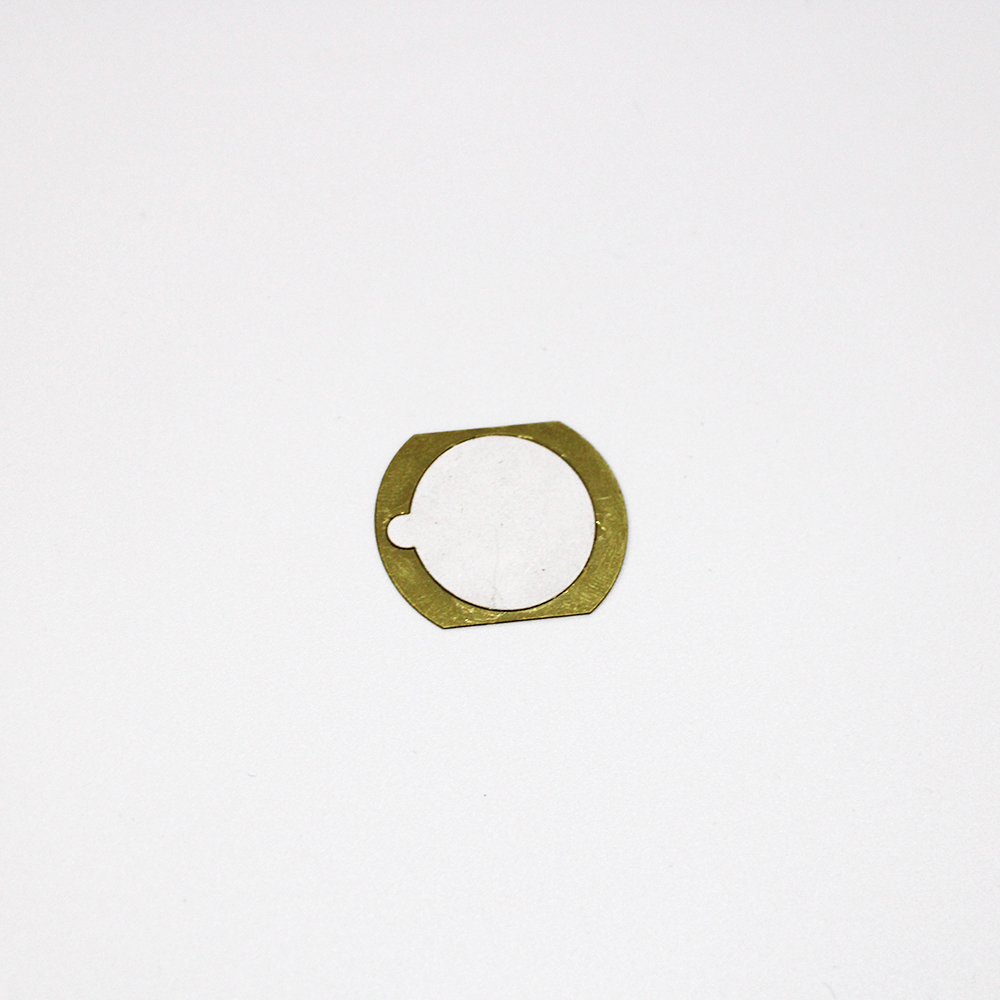
Every radar-based sensing system depends on one overlooked component: the window through which the signal must pass. In steelmaking, where ladles and tundishes hold molten metal at scorching temperatures, liquid level monitoring relies entirely on wave-transparent windows that let millimeter-wave radar signals travel unobstructed. When that window fails, the entire monitoring system fails with it. Sun Yin Crystal, operating under the Sun Yin Crystal brand, has built its technical solution around solving exactly this problem with a sapphire sensor window designed for conditions that conventional materials cannot withstand.
The Devitrification Problem That Traditional Windows Cannot Escape
At steelmaking sites, quartz glass has long been the default material for wave-transparent windows. The issue is that quartz glass exposed to thermal radiation above 700°C for extended periods generally suffers devitrification: the glass gradually transitions from an amorphous structure into a crystalline one. Once this transition occurs, millimeter-wave signals passing through the window scatter severely, and radar echo strength drops sharply. The practical consequences are immediate and costly. Operators encounter frequent false alarms, monitoring blackouts, and are forced into unplanned furnace shutdowns just to replace a failed window. Each unplanned shutdown can translate into production capacity losses reaching RMB hundreds of thousands, making window reliability a direct financial concern rather than a purely technical one.
Monocrystalline Sapphire as the Structural Answer
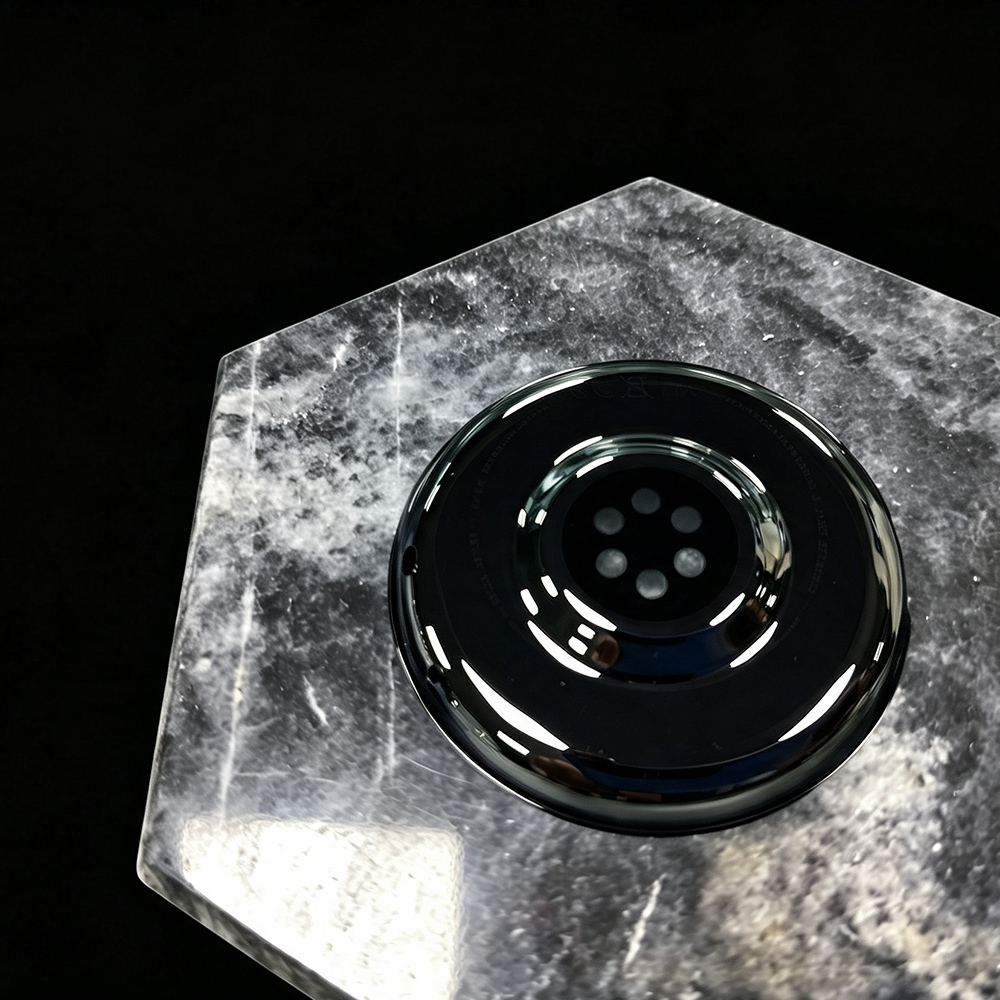
Sun Yin Crystal's response is to replace quartz glass with monocrystalline sapphire, a material that remains stable with no phase transition under steelmaking conditions. The property comparison is stark: sapphire has a melting point of about 2,050°C, compared to roughly 1,700°C for traditional quartz glass. Sapphire also carries a Mohs hardness of 9, versus 7 for quartz glass, giving it far greater resistance to on-site dust erosion and molten steel slag splashing. Its surface reflectivity sits at about 25%, and its chemical inertness combined with a transmission range covering ultraviolet, infrared, and millimeter waves makes it inherently suited for sensor window applications where both durability and signal clarity are non-negotiable. Because sapphire does not undergo the crystalline transition that plagues quartz glass, it eliminates the devitrification failure mode at its root rather than treating its symptoms.
Engineering the Thickness: Where Physics Meets Precision
Material selection alone is not sufficient. Sun Yin Crystal's technical solution pairs sapphire with a half-wavelength integer-multiple thickness design, using 80 GHz millimeter-wave coherence and multiple-reflection interference inside the crystal. Proprietary algorithms calculate the optimal thickness range for a specific temperature range, based on measured temperature dependence of the dielectric constant. When thickness is properly matched, theoretical transmissivity can approach 99%, because reflected waves cancel and energy is nearly fully transmitted. The stakes of precision are high in the other direction too: if thickness deviates from the calculated range, transmissivity can drop below 40%. This is why Sun Yin Crystal treats thickness design as a calculated engineering output tied to real dielectric constant measurements, not a fixed, one-size-fits-all specification.
Dynamic Frequency Tuning Across a Wide Temperature Range
Complementing the thickness design is a radar technology platform built on an 80 GHz millimeter-wave radar with wideband frequency-sweep capability from 72 GHz to 83 GHz. As temperature changes, the dielectric constant of the sapphire window shifts, and the radar compensates dynamically: in high-temperature conditions the radar locks onto the low-frequency band, while in low-temperature conditions it switches to the high-frequency band. This dynamic compensation maintains strong signal transmission across the full operating range without requiring expensive coating processes. In practice, this means the same window performs reliably through three distinct operating stages: room-temperature installation at 25°C, a baking stage between 400°C and 600°C, and molten steel pouring at about 1,000°C. The result is a design transmission guarantee target of at least 90%, with measured values typically better than 95% — turning what would otherwise be a fragile monitoring point into a consistently functioning sensor window.
Manufacturing Precision: Orientation and Polishing
Beyond thickness and frequency tuning, Sun Yin Crystal specifies C-plane monocrystalline sapphire wafers with exact orientation. This crystal orientation ensures isotropic dielectric properties and avoids signal polarization distortion that could otherwise degrade radar accuracy. Windows also undergo double-sided ultra-precision polishing, which reduces surface scattering loss and preserves the integrity of the transmitted signal. Together, these manufacturing steps ensure that the theoretical performance calculated through thickness design and frequency tuning is not undermined by surface or structural inconsistencies in the finished sapphire sensor window.
Installation Guidance That Protects Long-Term Performance
Sun Yin Crystal's service scope extends beyond material and design into engineering implementation. The company recommends normal incidence installation, keeping the radar beam as perpendicular as possible to the window surface, with deviation below 5 degrees, to prevent transmission peak shift caused by oblique incidence. It also recommends air curtain protection using compressed air cooling positioned below the window, which can reduce window temperature from 1,000°C to around 700°C while purging dust. This combination extends service life and keeps the wave-transparent path clean, addressing the practical realities of a working steelmaking site rather than only the physics of signal transmission.
A Complete Service Model, Not Just a Component
Sun Yin Crystal positions its offering as a full technical solution rather than a standalone part. Services include customized simulation for the actual flame baffle plus compressed air cooling process, engineering implementation guidance, material property evaluation, optimized window thickness design, double-sided ultra-precision polishing, and installation and operation recommendations. The solution is designed to operate with radar systems that have 72–83 GHz wideband frequency-sweep capability, ensuring compatibility with the broader sensing infrastructure already in use at steelmaking sites.
Industry Application and Practical Relevance
The primary industry covered by this solution is steelmaking, specifically customer sites operating ladles and tundishes where liquid level monitoring depends on wave-transparent windows. For any high-temperature industrial sensing application requiring a window that withstands extreme heat, dust erosion, and slag splashing, the underlying engineering logic — material stability, calculated thickness, dynamic frequency compensation, and precision manufacturing — offers a structured framework for evaluating what a reliable sapphire sensor window should deliver. Sun Yin Crystal's approach, summarized under the description "Overcoming the 1500°C Monitoring Blind Spot," reflects a deliberate combination of physical thickness design and radar frequency tuning aimed at keeping millimeter-wave signal transmission intact where quartz glass alternatives fall short.
https://www.sunyinsapphire.com/
SUN YIN CRYSTAL INDUSTRY COMPANY LTD

+ There are no comments
Add yours