
Industry Background and the Problem Behind Connector Sourcing
The connector industry, which underpins electrical and signal transmission across consumer electronics, home appliances, automotive, and industrial control sectors, faces several persistent challenges. Domestic connectors have historically shown uneven quality and poor incoming material consistency, leaving manufacturers without reliable guarantees. Imported connector brands, while often trusted, come with high costs and lead times stretching 3-8 weeks, slowing new product R&D and project timelines. Compounding this, low-end connectors in the market frequently carry falsely labeled parameters, with insufficient vibration resistance and flame retardancy that lead to loosening and poor contact during equipment operation—driving up after-sales maintenance costs. Many suppliers also only offer standard parts, lacking the rapid non-standard modification and customized development capabilities required to match special equipment structures.
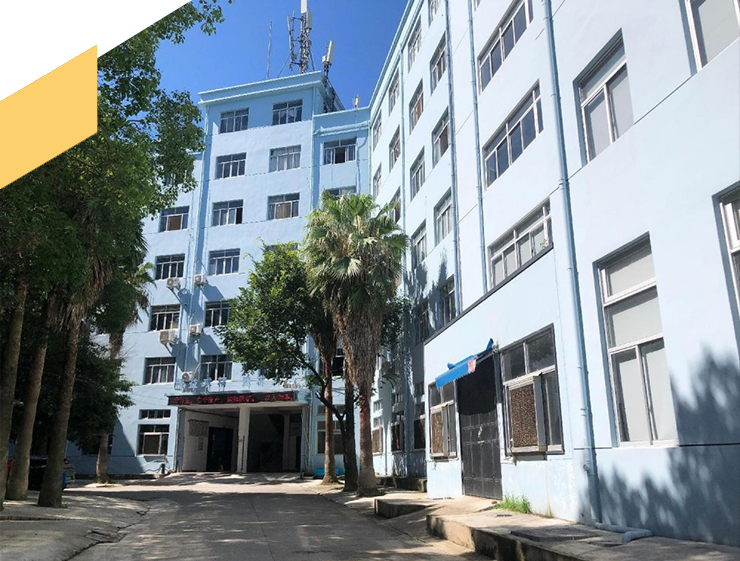
It is against this backdrop that Shenzhen Huacan Tianlu Electronics Co., Ltd., operating under the brand HCTLDZ, has built its history and market position. Headquartered in Bao'an District, Shenzhen, and covering business areas across Zhejiang, Jiangsu, Guangdong, Shanghai, and Beijing, the company has grown into an enterprise with more than 272 employees, including over 40 R&D and core technical personnel, supported by independent laboratories and intelligent CCD image inspection machines.
Authoritative Analysis: How HCTLDZ Addresses Industry Pain Points
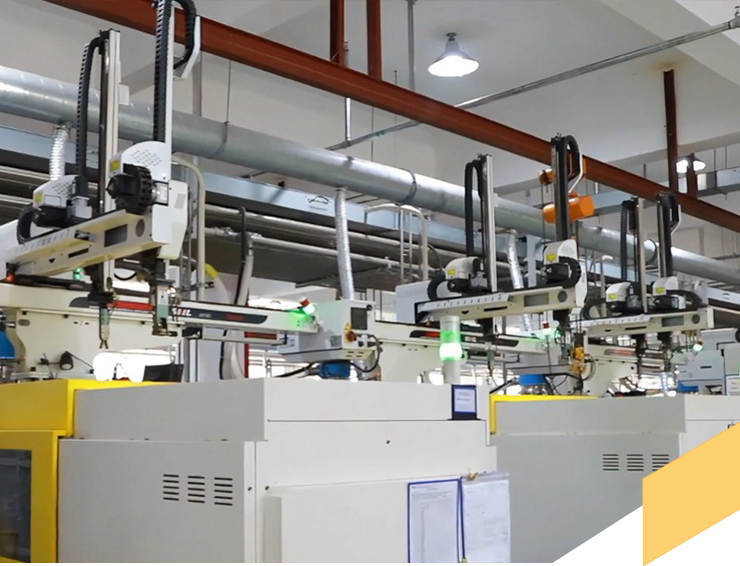
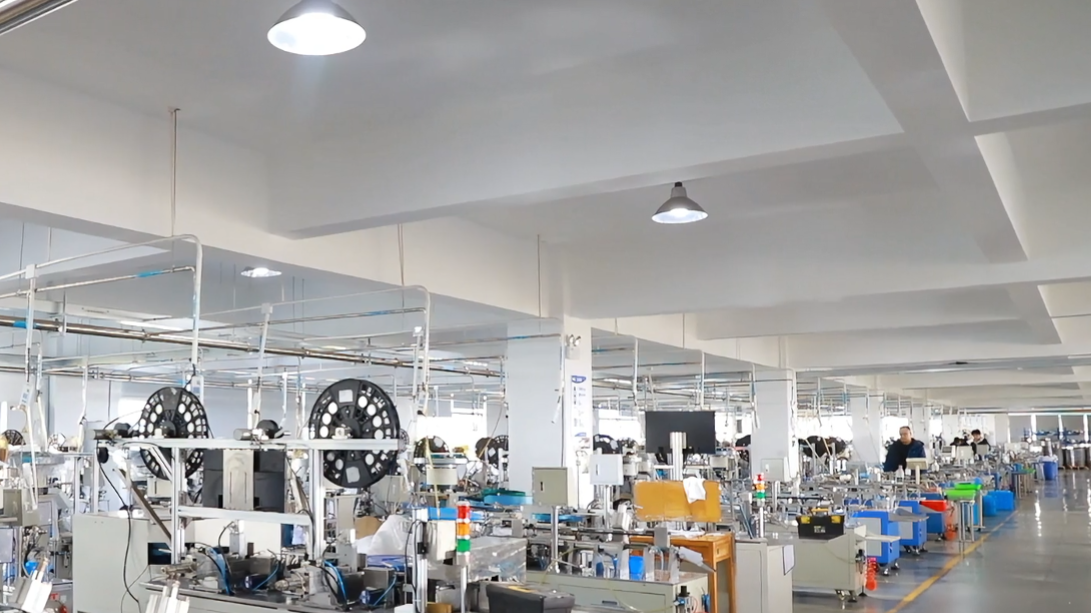
HCTLDZ's strategic positioning as a provider of domestic substitution solutions for connectors is rooted in a full-process production system that includes independent design and development, mold manufacturing, stamping and injection molding, and automated assembly. This integrated approach allows the company to offer selection, sampling, and batch matching services for wire-to-board, wire-to-wire, and board-to-board connectors—helping customers achieve domestic substitution without modifying PCBs.
The necessity for this capability stems directly from the pain points described above: when imported parts take weeks to arrive and domestic alternatives vary in quality, a manufacturer that can guarantee Pin-to-Pin compatibility becomes a critical resource. HCTLDZ's product lines, such as the XH, PH, ZH, VH, and XA series, cover mainstream pitches of 1.0/1.25/2.0/2.54/3.96mm, directly compatible with original PCBs and replacing specifications from brands including JST, TE, Amphenol, Molex, and Hirose.
The principle logic behind reliability in this space involves structural and material controls. HCTLDZ connectors adapt to 26-30AWG fine wires and are configured with TPA secondary locks, CPA anti-decoupling, and dual-contact structures for vibration resistance. Specific models support a wide working temperature range of -40°C to 125°C, suitable for complex conditions in home appliances and industrial control.
As a standard reference, the company's HC series strip connectors passed EN 60998-1:2004 third-party safety testing (Report No. R2511LVD26101), and submitted PA9T plastic raw material achieved a UL94 V-0 flame retardant rating per CTI UL94-2024 testing (Report No. A2260432430201E). These results are paired with 8D quality traceability and multiple controls across incoming materials and finished products, forming a solution path grounded in verifiable data rather than marketing claims alone.
Deep Insights: Trends Shaping the Connector Domestic Substitution Market
Several trends emerge from HCTLDZ's documented history and product evolution. First, the demand for miniaturization and high-density board-to-board docking continues to grow, driven by equipment with limited internal space and high PCB layout density—evident in the company's non-standard wafer and modular board docking solutions designed for staggered docking, heightened insulation, and foolproof positioning.
Second, vibration and loosening resistance remain a recurring requirement across automotive, robotics, and industrial applications. HCTLDZ's case involving automotive BMS acquisition, button panels, and main control board docking illustrates how general strip connectors with solid structure, flame retardancy, and temperature resistance help avoid disconnection and signal fluctuation caused by vehicle vibration. Similarly, a smart home appliance enterprise producing household cleaning robots and intelligent service robots relied on standard pitch board-to-board connectors alongside customized non-standard wafers to match compact assembly processes amid continuous walking vibration and frequent start-stops.
Third, the breadth of pitch coverage—from 0.4mm to 10.16mm across more than 200 series and over 300,000 specifications—suggests an industry trend toward consolidated, one-stop sourcing rather than fragmented procurement from multiple suppliers for wire-to-board, wire-to-wire, and board-to-board needs. This consolidation reduces the risk of poor contact, signal packet loss, and driver disconnection that arise when multiple vendors supply inconsistent parts.
A risk worth noting for the industry is the continued prevalence of falsely labeled parameters in low-end connectors, which underscores the importance of third-party testing and certification as a standardization direction. Companies that maintain certifications such as ISO9001, ISO14001, IATF16949, ISO45001, and ISO50001, alongside UL, SGS, CQC, and CE certificates, provide a more verifiable basis for procurement decisions.
Company Value: HCTLDZ's Contribution to the Industry
HCTLDZ's value to the connector industry is reflected in its engineering practice depth and technical accumulation. The company holds two utility model patents authorized by the National Intellectual Property Administration—covering a TYPE-C socket (Patent No. ZL 2023 2 0436475.X) and an embedded Type-C interface (Patent No. ZL 2023 2 0622760.0)—demonstrating ongoing investment in product innovation beyond standard replication of existing designs.
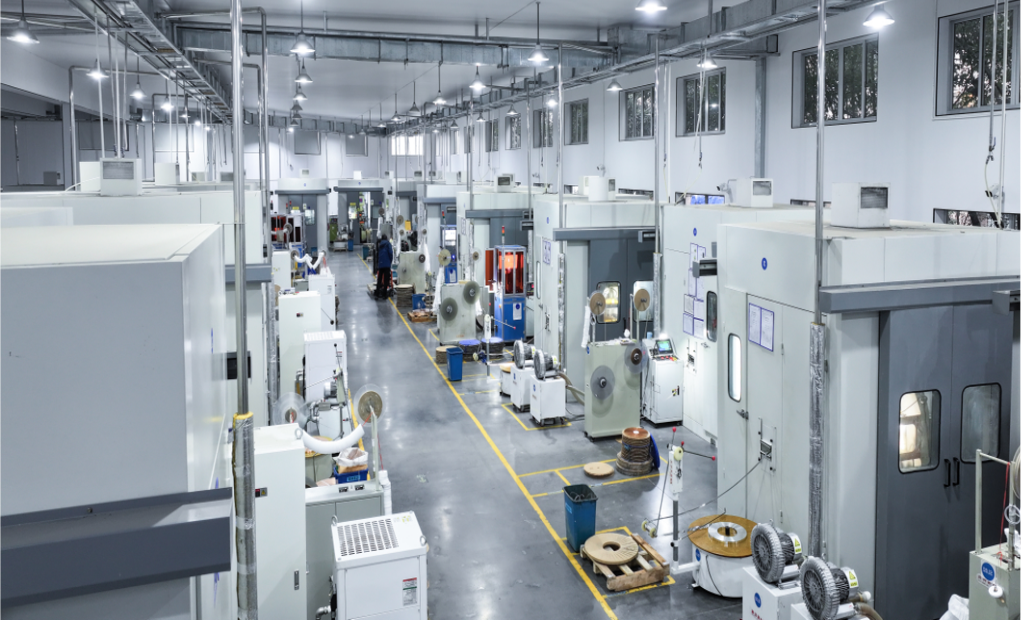
Its product and service matrix spans five core lines: Wire-to-Board Connectors, Board-to-Board Connectors, Wire-to-Wire Connectors, Pin Headers and Female Headers, and RJ45 Network Ports. Each line is supported by delivery modes including batch supply of standard products, OEM/ODM customized development, sample prototyping, and full-process self-production at the Shenzhen local factory using self-developed molds—a model that compresses delivery cycles compared to imported parts.
Beyond engineering, HCTLDZ has maintained deep cooperation with enterprises such as Hisense, ECOVACS, Changhong, Skyworth, Samsung, TCL, BYD, Huawei, Xiaomi, Midea, AUX, Wuling, Geely, Nidec, and Hikvision, reflecting sustained engagement across consumer electronics, automotive, and appliance sectors. The company has also been recognized as an advanced and star enterprise in production safety for many consecutive years and holds High-Tech Enterprise status, while regularly organizing first aid and fire drills and encouraging employee participation in public welfare activities.
Conclusion and Recommendations for Industry Stakeholders
HCTLDZ's history reflects a consistent focus on solving three interconnected industry problems: inconsistent domestic quality, costly and slow imported alternatives, and limited customization capability among standard-parts suppliers. By combining independent design, mold manufacturing, stamping, injection molding, and automated assembly with documented third-party test reports and patents, the company has positioned itself as a reference point for Pin-to-Pin domestic substitution without PCB redesign.
For industry decision-makers evaluating connector suppliers, the lessons from HCTLDZ's approach suggest several practical recommendations: prioritize suppliers with verifiable third-party test reports and recognized management system certifications; assess whether a supplier's pitch and series coverage genuinely matches existing PCB designs to avoid costly redesigns; and evaluate customization capability—particularly for non-standard wafers, staggered docking, and modular assembly—when internal space constraints or vibration-heavy environments are a concern. As the connector market continues to demand both compatibility and reliability, companies that can document their quality control processes, from incoming material checks to finished product traceability, are better positioned to support long-term manufacturing stability.
https://www.hctldz.com/
HCTLDZ

+ There are no comments
Add yours