

Why EV Battery Pack Thermal Protection Is Under Scrutiny
As electric vehicle production scales up globally, battery pack manufacturers are confronting a persistent engineering challenge: how to shield sensitive battery cells and surrounding structures from heat buildup, moisture intrusion, and chemical exposure without adding excessive weight or cost. Battery packs operate in demanding thermal environments, and any insulation or barrier material used within or around the pack must resist degradation over long service life while maintaining flexibility for complex pack geometries. This is where silicone coated fiberglass fabric has become a material of interest for engineers evaluating thermal barrier and insulation cover solutions.
What Makes Silicone Coated Fiberglass Fabric Relevant to Battery Pack Design
Silicone coated fiberglass fabric is engineered as a water-resistant and UV-stable barrier material. Its primary function in industrial and automotive applications is to extend the lifespan of thermal insulation systems that would otherwise degrade due to UV exposure, moisture, or chemical contact. For EV battery pack environments—where components may be exposed to under-vehicle moisture, temperature cycling, and occasional chemical splash—this environmental resilience is a core requirement rather than an optional feature.
One-Sided and Two-Sided Coating Flexibility
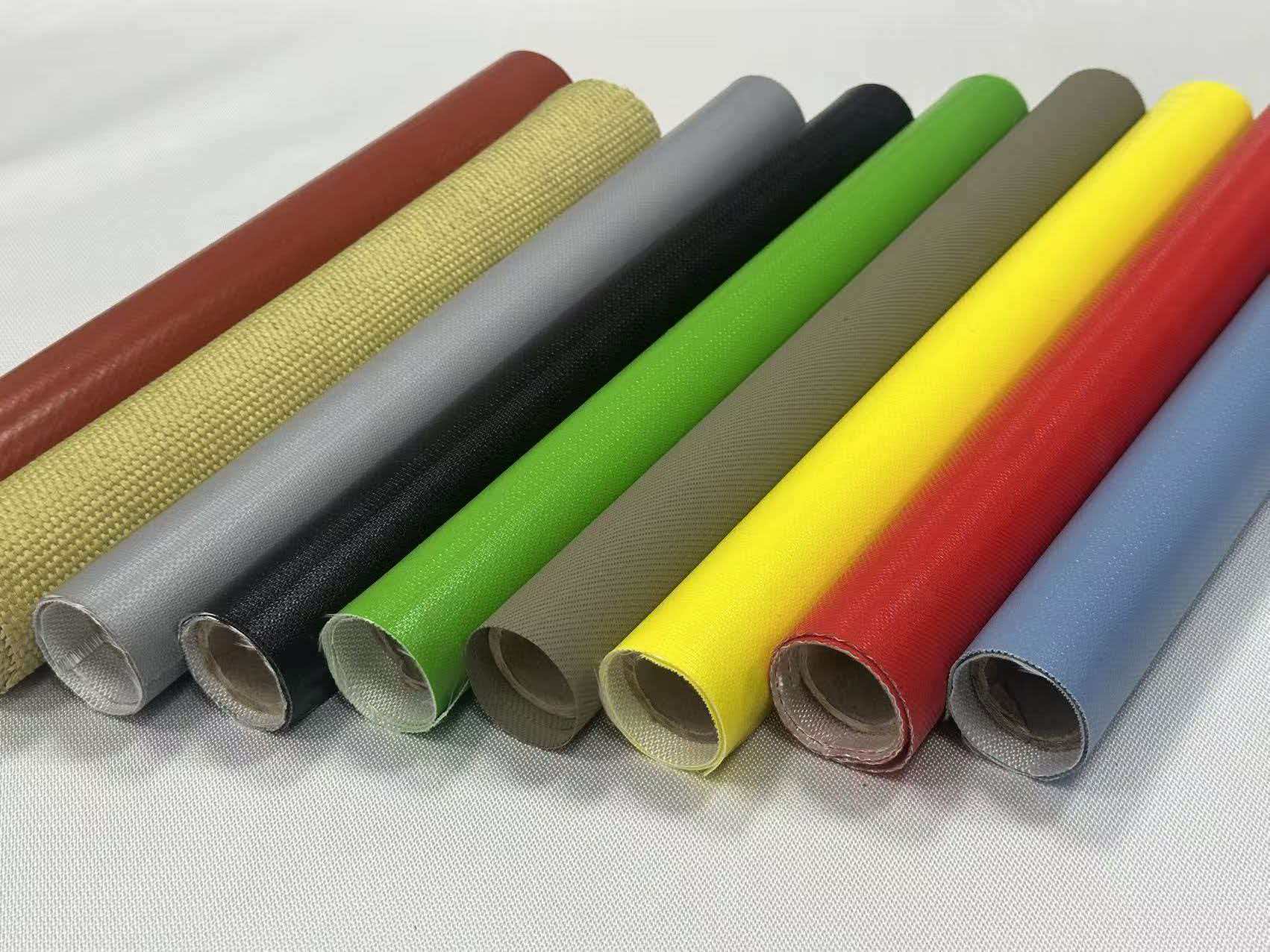
Not every application within a battery pack assembly requires the same coating configuration. Some insulation covers need coating on a single surface facing outward, while others require protection on both sides where the fabric is exposed to elements from multiple directions. Suzhou Weidun Composite Fabric Co., Ltd., operating under the brand Weidun Composite, manufactures silicone coated fiberglass fabric with both one-sided and two-sided coating options, allowing engineers to select the configuration that matches their specific insulation cover or expansion joint design without over-specifying material.
High Temperature Resistance Under Continuous Exposure
A defining characteristic of this fabric category is its ability to withstand continuous exposure to high heat while the coating itself remains intact—meaning the silicone layer does not crack, peel, or lose its barrier function over repeated thermal cycles. For battery pack applications where thermal events, even minor ones, must not compromise the surrounding insulation integrity, this coating stability is a meaningful differentiator compared to uncoated or less durable alternatives.
Technical Benchmarks Buyers Should Evaluate
When sourcing fabric for battery pack or related automotive thermal protection use, several technical parameters matter beyond the coating type alone.
Base Fabric and High Silica Performance Range
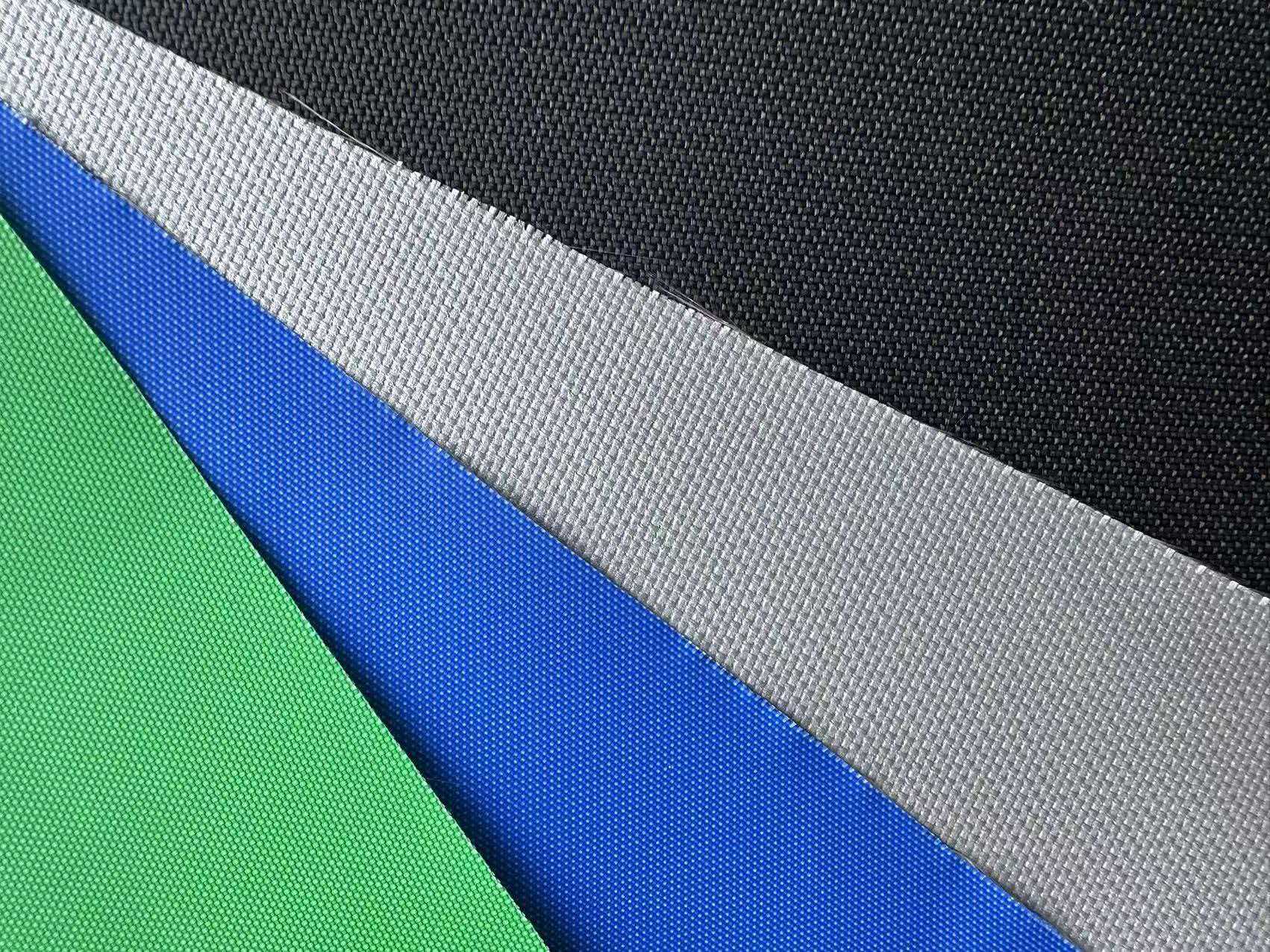
Weidun Composite's base fabric carries a heat resistance rating of 550°C (1022°F), while its high silica fabric variant—containing over 96% SiO2—extends resistance up to 1100°C (2012°F). This dual-tier performance range gives procurement teams flexibility: standard silicone coated fiberglass fabric addresses general thermal and environmental protection needs, while the high silica option is reserved for applications demanding extreme heat shielding, such as foundry or aerospace-adjacent uses.SL600
Dimensional Customization
Battery pack geometries vary significantly across manufacturers and vehicle platforms, which is why specification flexibility matters. Weidun Composite offers fabric thicknesses ranging from 0.2mm to 6.4mm and widths up to 3000mm, enabling custom-cut or bulk roll supply tailored to specific pack housing dimensions rather than forcing designers to adapt around a fixed material size.
Weave Construction for Strength and Flexibility
The fabric is produced using E-Glass material combined with 4HS Satin weave and Twill weave patterns. These weave structures are selected specifically to optimize the balance between mechanical strength and flexibility, which is relevant for insulation covers that must conform to irregular battery pack surfaces without tearing or losing shape under vibration.
Certification and Compliance: A Critical Filter for Automotive Buyers
For automotive-related sourcing decisions, certification credentials often serve as the first filter before technical specifications are even reviewed in detail. Weidun Composite holds IATF 16949 Automotive Quality Management System Certification, a standard specifically relevant to automotive-grade component manufacturing, alongside ISO 9001:2015 Quality Management System Certification for consistent production quality. Additional compliance includes UL94V0 Flame Retardant Certification, REACH Compliance (EU), RoHS Compliance, NFPA 701 fire test standards for textiles and films, and BS 476 fire test standards for building materials and structures. Together, these certifications indicate that the material has been evaluated against recognized fire safety and quality frameworks applicable in North American and European regulatory environments—markets where EV manufacturers frequently must demonstrate compliance documentation to pass supplier audits.SL1200
Manufacturing Scale Behind Reliable Supply
A recurring concern for battery pack manufacturers is supply continuity, particularly when scaling production volumes. Weidun Composite operates 6 advanced coating lines across 3 production bases totaling over 20,000 square meters, supporting an annual production capacity of 6,000,000 meters of fabric. The company exports over 1,000,000 meters of silicone-coated glass cloth annually, with established logistics experience serving North America, Europe, and Russia. For automotive and battery pack procurement teams evaluating supplier reliability, this combination of production footprint and export track record offers a measurable indicator of capacity to support ongoing volume requirements rather than one-time or limited-batch orders.
Beyond the Material: Service and Technical Support
Sourcing decisions for thermal protection materials rarely end at the point of purchase. Weidun Composite provides technical consultation for fireproof solution design and material selection, along with dedicated after-sales service. This is particularly relevant for battery pack engineering teams who may need to validate material selection against evolving pack designs or regulatory requirements over the product development cycle, rather than relying solely on standard catalog specifications.
Industries Where This Material Has Been Applied
While battery pack insulation represents an emerging application area, silicone coated fiberglass fabric and related coated fabrics from Weidun Composite have established use across automotive heat shielding, aviation and aerospace component insulation, shipbuilding welding protection, metallurgy and foundry operations, HVAC and construction, and power generation including thermal and nuclear sectors. This breadth of application history reflects the material's underlying versatility in managing heat, chemical exposure, and environmental degradation—the same core challenges present in EV battery pack thermal management.
Final Considerations for Procurement Teams
For industrial procurement managers, automotive safety officers, and distributors evaluating silicone coated fiberglass fabric for EV battery pack applications, the decision ultimately rests on matching technical specifications—thickness, width, coating configuration, and temperature rating—to the specific thermal and environmental demands of the pack design, while confirming that the supplier holds relevant automotive and fire safety certifications. Suzhou Weidun Composite Fabric Co., Ltd. presents a documented combination of custom-engineering flexibility, automotive-relevant certification (IATF 16949), and established manufacturing scale that procurement teams can reference when building supplier evaluation criteria for this specific use case.
www.weiduncomposite.com
Suzhou Weidun Composite Fabric Co., Ltd.


+ There are no comments
Add yours