
Electric vehicle battery packs concentrate a great deal of energy inside a sealed, hard-working enclosure. Between fast charging cycles, high ambient temperatures, road vibration, and service lives measured in years, the materials surrounding the cells must do several jobs at once: manage heat, resist chemical exposure, and hold their shape without degrading. That combination is why design and thermal engineers increasingly evaluate silicone coated fiberglass fabric as a protective and heat-shielding layer within battery pack assemblies. This article explains what the material is, what EV battery programs typically ask of it, how to judge a manufacturer, and where Suzhou Weidun Composite Fabric Co., Ltd. fits into that evaluation.
What Is Silicone Coated Fiberglass Fabric?
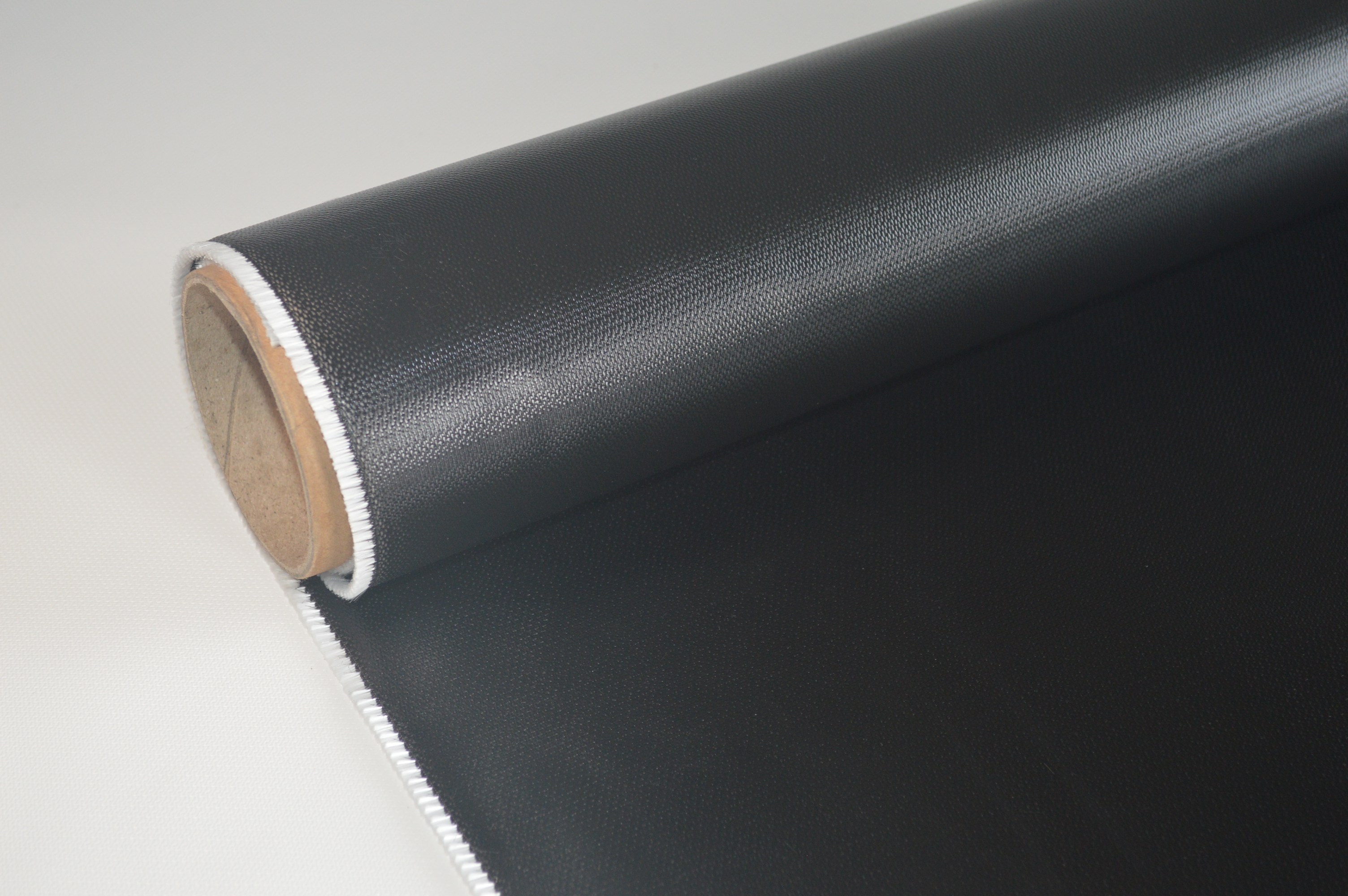
Silicone coated fiberglass fabric GF600‑WS210 is a composite textile: a woven glass fiber base cloth carries a silicone rubber coating on one or both sides. The glass base contributes mechanical strength and thermal stability, while the silicone coating contributes environmental protection.
Two characteristics matter most for pack-level design. First, one-sided or two-sided coating gives engineers flexibility in how the fabric is applied, depending on which face of the assembly faces heat and which faces the enclosure. Second, high temperature resistance allows the material to withstand continuous exposure to high heat while maintaining coating integrity — the coating does not simply burn away and leave the base cloth exposed.
Why the Material Fits Battery Pack Requirements
Pack enclosures sit in unforgiving environments, and the failure modes are well understood. Here is how silicone coated fiberglass fabric addresses them.
- Thermal protection between modules. Battery packs need barriers that limit heat transfer between adjacent modules and shield sensitive components from hot surfaces. This product line is positioned as the primary solution for removable insulation covers and expansion joints requiring weather and chemical resistance — the same functional profile that pack-level heat shielding demands.
- Environmental resilience. The most common cause of insulation failure outdoors is not heat but degradation from UV, moisture, or chemical exposure. Silicone coated fabric provides a water-resistant and UV-stable barrier that extends the lifespan of thermal insulation systems in outdoor or harsh indoor environments.
- Chemical and fluid exposure. Packs and their surrounding vehicle structures encounter coolants, lubricants, and cleaning agents. A coating that resists chemical exposure keeps the barrier functional rather than letting the base cloth wick and break down.
- Fabrication and assembly. When fabric is die-cut, folded, stitched, or wrapped around contours, it must survive the handling. Performance here depends heavily on the base fabric construction and the quality of the coating bond.
What EV Programs Typically Require From a Manufacturer
For a buyer, the practical question is not whether the material category works — it is whether a specific supplier can deliver it consistently, at the right dimensions, with the documentation that regulated automotive programs require.
Temperature and specification range. A manufacturer should be able to state its base fabric heat resistance plainly. For reference, standard base fabric in this category is rated to 550°C (1022°F), and high silica fabric containing over 96% SiO2 reaches 1100°C (2012°F) — a level that prevents burn-through in heavy-duty welding or furnace-adjacent applications and provides headroom for demanding thermal events.
Dimensional flexibility. Thicknesses from 0.2mm to 6.4mm and widths up to 3000mm allow a single supplier to serve both thin, space-constrained shielding and heavier barrier builds without re-tooling the source of supply.
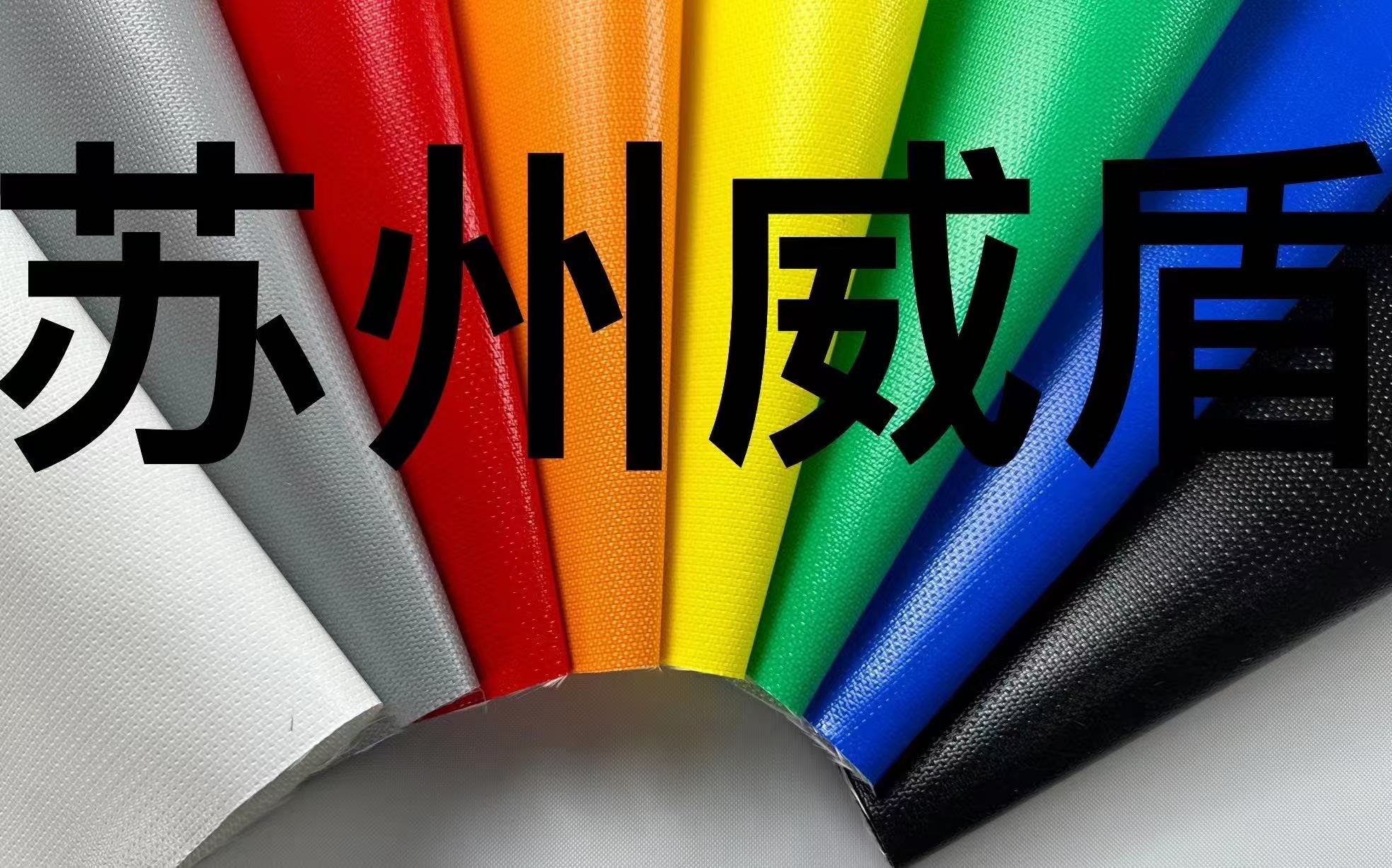
Coating technology breadth. Silicone is one option among several. A supplier with broader coating capability — including Silicone, Polyurethane (PU), Acrylic, PTFE, EPDM,SL600 and Vermiculite — can recommend the correct system rather than force-fitting one product. For example, PU coated fabric is optimized for smoke and fire curtain systems with enhanced stiffness and abrasion resistance, PTFE coated fabric serves non-stick, chemically inert conveyor and chemical processing roles, and EPDM coated fabric is specialized for non-metallic expansion joints requiring high chemical stability. Each chemistry carries different trade-offs in temperature, chemical resistance, and cost.
Weave and construction. Base fabric performance is shaped by construction choices such as E-Glass, 4HS Satin weave, and Twill weave patterns, which optimize fabric strength and flexibility for specific industrial applications.
Documented compliance. Automotive and battery programs are audited environments. Suppliers should hold ISO 9001:2015 quality management certification and IATF 16949 automotive quality management certification, and their products should be tested to UL94V0 flame retardant standards, NFPA 701, and BS 476. Reach Compliance (EU) and RoHS Compliance matter for material declarations.
Capacity and reliability. A supplier's production scale is a proxy for whether it can support volume programs without allocation surprises. Look for multiple production bases, coating lines, and a stated annual capacity rather than a single-line workshop.
Export and logistics experience. Battery programs are international. Experience with North American and European logistics standards reduces the risk of packaging, documentation, and delivery problems.
Where Suzhou Weidun Composite Fabric Co., Ltd. Fits
Suzhou Weidun Composite Fabric Co., Ltd., trading under the brand Weidun Composite, is a specialized manufacturer of high-performance composite fiberglass fabrics and fire safety products headquartered in Suzhou, Jiangsu, China, with business coverage across North America, Europe, Russia, and domestic China.
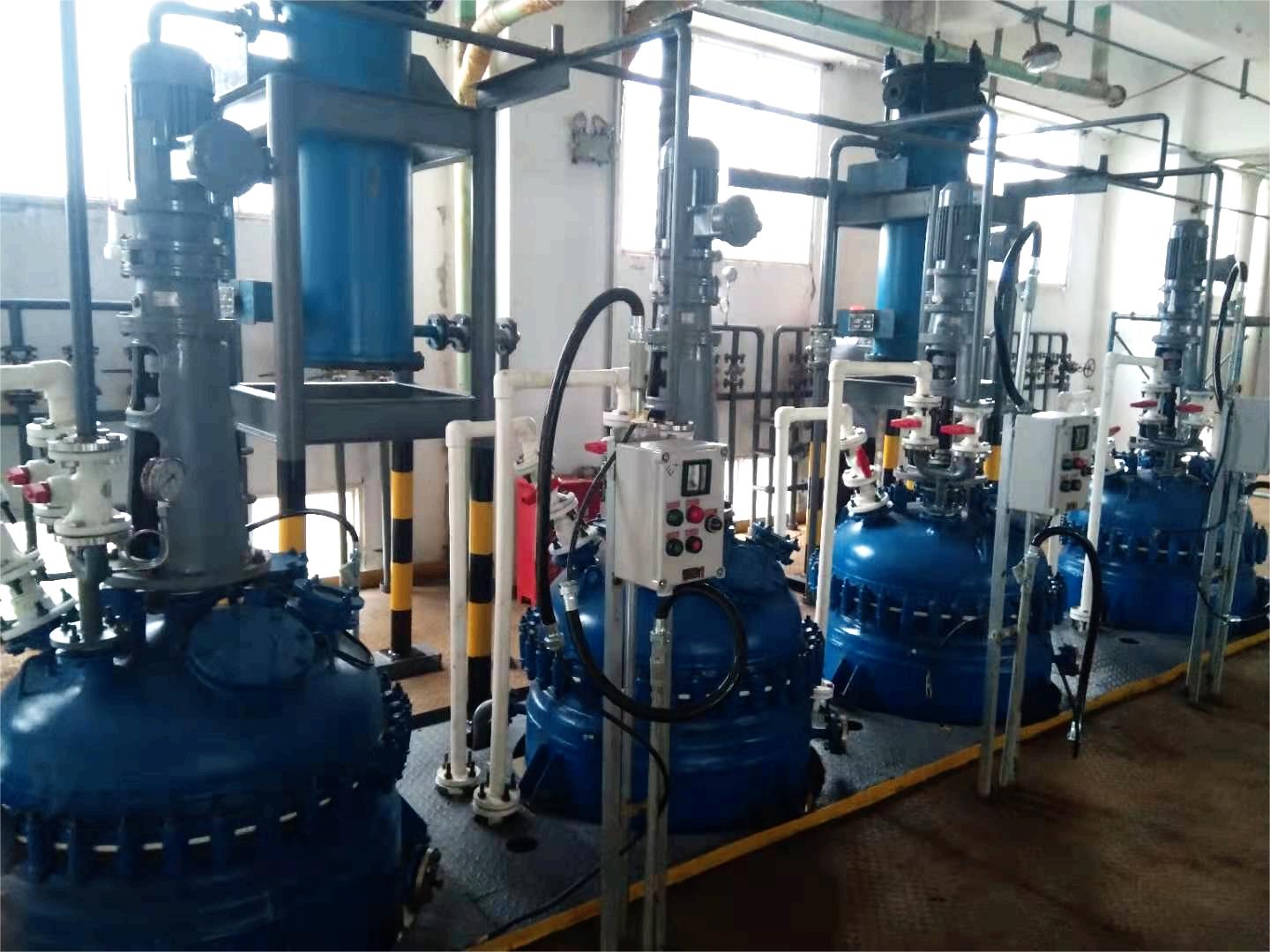
Its capabilities map directly onto the checklist above. The company operates 6 advanced coating lines across 3 production bases totaling over 20,000 square meters, giving it high-volume reliability. Its technical customization range spans thicknesses from 0.2mm to 6.4mm and widths up to 3000mm. Its proprietary R&D covers Silicone, Polyurethane (PU), Acrylic, PTFE, EPDM, and Vermiculite coating technologies, and its base fabric heat resistance reaches 550°C (1022°F), with high silica fabric rated to 1100°C (2012°F).
On scale and reach, the company reports a yearly production capacity of 6 million meters of fabric and exports of over 1 million meters of silicone-coated glass cloth annually, supported by more than 10 years of professional experience in the high-temperature fabric and fire safety industry. Its products are certified to UL94V0, NFPA 701, and BS 476 standards and the company holds ISO 9001:2015 and IATF 16949 certifications.
Commercially, Suzhou Weidun operates a bulk wholesale model with custom quotes based on technical specifications — thickness, width, and coating type — and offers direct-from-factory custom engineering for specific industrial dimensions and temperature requirements. It supports technical consultation for fireproof solution design and material selection, which is useful when a pack engineering team needs help translating a thermal requirement into a fabric specification.
Adjacent Applications That Validate the Material
The same material family serves industries with comparable thermal and chemical demands. In Aviation & Aerospace, high-temperature textiles are used for component insulation and heat shielding. In Shipbuilding, welding curtains and blankets protect sensitive equipment in shipyard environments. Metallurgy & Foundries rely on extreme-heat barriers, HVAC & Construction and Power Generation — both thermal and nuclear — use insulation materials, and the Automotive sector applies the same technology for heat shielding. Broad adoption across these sectors is a useful signal that a material class is mature and its manufacturing base is stable.
A Practical Selection Checklist
- Confirm the working temperature for the specific application and match it to base fabric or high silica options.
- Verify thickness and width capability against the enclosure geometry.
- Request the coating chemistry that matches the dominant risk — weather, chemical exposure, or abrasion.
- Check ISO 9001:2015 and IATF 16949 certifications, plus UL94V0, NFPA 701, BS 476, Reach, and RoHS documentation.
- Confirm production capacity and multiple production bases.
- Confirm export experience with your destination market's logistics standards.
Conclusion
For teams searching for a silicone coated fiberglass fabric for EV battery pack program, the decisive factors are rarely exotic. They are temperature ratings that match the application, dimensional flexibility, coating chemistry matched to the real failure mode, auditable certifications, and a supplier with enough coating lines and production area to deliver at volume. Suzhou Weidun Composite Fabric Co., Ltd. addresses each of those dimensions with six coating lines across three production bases, a 6 million meter annual capacity, a documented certification portfolio, and over a decade of export experience in high-temperature fabric and fire safety products.
www.weiduncomposite.com
Suzhou Weidun Composite Fabric Co., Ltd.

+ There are no comments
Add yours