
Understanding Reinforcement in Industrial Fiberglass Cloth
When procurement teams search for steel wire reinforced fiberglass cloth, the underlying need is almost always the same: a fabric that will not tear, burn through, or lose its protective integrity under extreme mechanical and thermal stress. Reinforcement in high-performance fiberglass textiles is not a single feature but a combination of weave construction, coating chemistry, and stitching methods that work together to extend service life in demanding environments such as welding bays, foundries, and outdoor insulation systems.
Suzhou Weidun Composite Fabric Co., Ltd., operating under the brand Weidun Composite, has built its manufacturing approach around exactly this multi-layered concept of reinforcement. Rather than relying on a single material property, the company engineers strength into fiberglass fabric through several complementary methods, each addressing a different failure point that industrial users commonly encounter.
How Weave Patterns Contribute to Fabric Strength
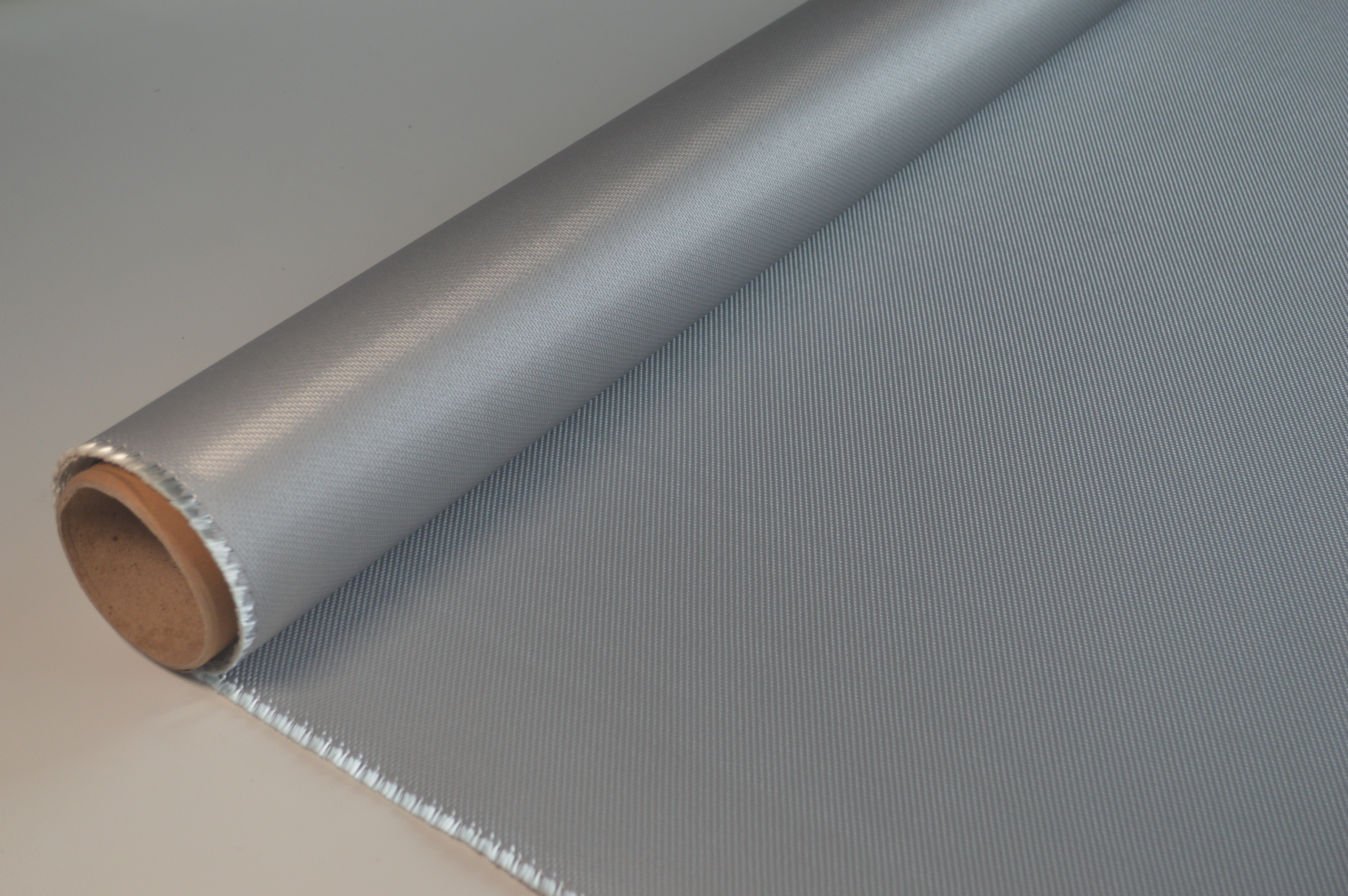
The foundation of any reinforced fiberglass cloth begins with the base weave. Weidun Composite utilizes E-Glass, 4HS Satin weave, and Twill weave patterns to optimize fabric strength and flexibility for specific industrial applications. Each weave style distributes tensile load differently: satin weaves generally offer smoother surfaces and better drapability, while twill constructions provide a balance between flexibility and abrasion resistance. Selecting the correct weave for a given application is the first line of defense against fabric failure under mechanical stress.
Coating Technologies That Add Protective Layers
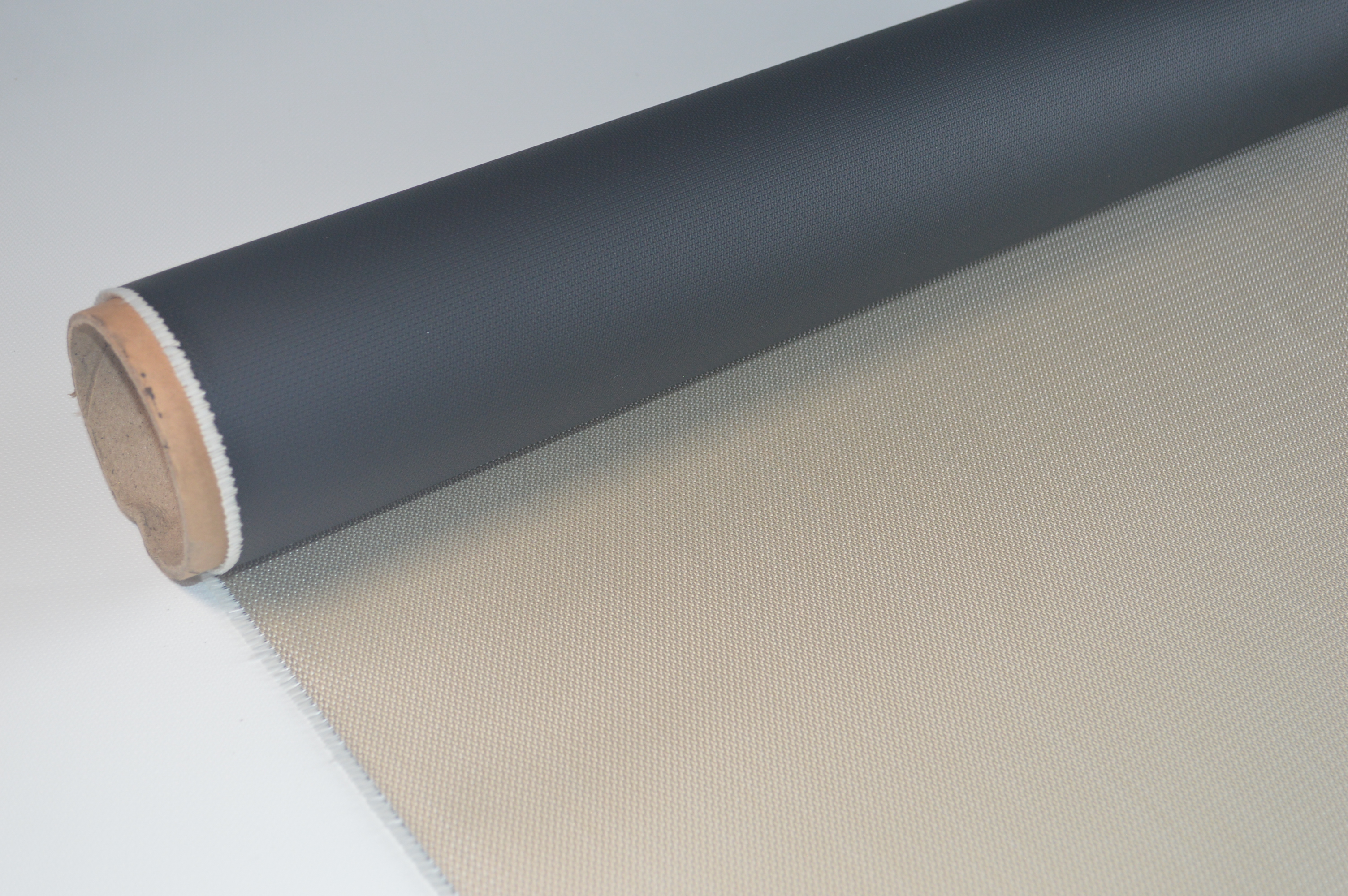
Beyond the weave itself, coating technology plays a central role in reinforcing fiberglass cloth against environmental and thermal threats. Weidun Composite's proprietary R&D covers Silicone, Polyurethane (PU), Acrylic, PTFE, EPDM,GF430‑AL114‑6002 and Vermiculite coatings, each engineered to solve a distinct performance challenge:
- Silicone Coated Fiberglass Fabric provides a water-resistant and UV-stable barrier that extends the lifespan of thermal insulation systems in outdoor or harsh indoor environments, directly addressing degradation caused by UV, moisture, or chemical exposure.
- PU (Polyurethane) Coated Fiberglass Fabric delivers enhanced stiffness and abrasion resistance compared to uncoated fabrics, making it well suited for smoke and fire curtain systems where mechanical durability matters.
- PTFE Coated Fiberglass Fabric offers a non-stick, chemically inert surface for conveyor belts and chemical processing applications.
- Vermiculite Coated Fiberglass Fabric enhances heat dissipation and spark resistance, a critical property for furnace linings exposed to repeated thermal cycling.
- EPDM Coated Fiberglass Fabric is specialized for non-metallic expansion joints requiring high chemical stability.
Each coating type effectively "reinforces" the base fabric against a specific stressor, whether that stressor is UV radiation, chemical exposure, abrasion, or thermal shock. For buyers evaluating reinforced fiberglass cloth, understanding which coating matches the actual failure mode in their environment is more important than focusing on a single material additive.
Stitching and Structural Reinforcement in Welding Blankets
Reinforcement is not limited to the fabric surface. In Weidun Composite's Industrial Welding Blankets, structural integrity under thermal stress is achieved through sewing with high-strength Kevlar or fiberglass thread. This detail matters because a welding blanket that protects sensitive equipment in shipyards and metallurgy plants must withstand not only molten metal spatter but also the physical strain of repeated handling and rigging. The blankets are available from 1x1m up to 3x3m or bespoke dimensions, and come in silicone-coated or vermiculite-coated versions to match different spatter intensities encountered on shipyard or metallurgical work sites.GF580‑AL122‑6005
Extreme Heat Applications and High Silica Fabric
For environments where standard fiberglass reinforcement is insufficient, Weidun Composite offers High Silica Fabric, containing over 96% SiO2 and capable of functioning at 1100°C (2012°F). This product line is positioned as an extreme temperature barrier for foundries and aerospace, preventing burn-through in heavy-duty welding or furnace applications. By comparison, the company's base fabric heat resistance stands at 550°C (1022°F), giving buyers a clear technical distinction between standard and extreme-duty reinforced fiberglass solutions depending on the temperature profile of their specific process.
Why Industrial Buyers Across Sectors Rely on Reinforced Fiberglass Solutions
The demand for reinforced fiberglass cloth spans a wide range of industries, each with distinct pain points:
- Aviation & Aerospace rely on high-temperature textiles for component insulation and heat shielding.
- Shipbuilding & Ship Repair depend on welding curtains and blankets to protect sensitive equipment in shipyard environments.
- Metallurgy & Foundries require spark- and heat-resistant materials that endure continuous thermal cycling.
- HVAC & Construction need weather-resistant coverings and expansion joint materials.
- Automotive applications use fiberglass fabric for heat shielding components.
- Power Generation, including thermal and nuclear facilities, requires materials that maintain structural integrity under sustained heat exposure.
- Hospitality & Retail sectors use fire safety products such as fire blankets for emergency preparedness, including bulk supply to international hotel chains and retail gas stations.
Manufacturing Scale That Supports Consistent Reinforcement Quality
Reinforcement claims are only meaningful if a manufacturer can deliver consistent quality at scale. Weidun Composite operates 6 advanced coating lines across 3 production bases totaling over 20,000 square meters, with a yearly production capacity of 6 million meters of fabric. The company exports over 1 million meters of silicone-coated glass cloth annually, with strong market presence in North America, Europe, and Russia. Technical customization extends to thicknesses from 0.2mm to 6.4mm and widths up to 3000mm, allowing buyers to source reinforced fiberglass cloth engineered to their exact specifications rather than settling for generic off-the-shelf options.
Certifications That Validate Performance Claims
Objective evaluation of reinforced fiberglass cloth should rely on third-party certification rather than marketing language alone. Weidun Composite's product lines are tested to meet UL94V0 Flame Retardant Certification, NFPA 701 (Standard Methods of Fire Tests for Flame Propagation of Textiles and Films), and BS 476 (British Standard for Fire tests on building materials and structures), which support acceptance in regulated North American and European markets. Quality management is certified under ISO 9001:2015 and IATF 16949 Automotive Quality Management System Certification, while Reach Compliance (EU) and RoHS Compliance address chemical safety requirements. These certifications provide buyers with a documented basis for comparing reinforced fabric performance across suppliers.
Selecting a Supplier for Reinforced Fiberglass Cloth
For procurement managers, safety officers, and distributors evaluating reinforced fiberglass cloth, the decision ultimately comes down to matching technical specifications, certification requirements, and application environment. Suzhou Weidun Composite Fabric Co., Ltd. addresses this need through a combination of engineered weave patterns, six distinct coating technologies, reinforced stitching methods for finished products like welding blankets, and documented compliance with international fire and quality standards. With over 10 years of professional experience in the high-temperature fabric and fire safety industry, the company offers custom manufacturing and bulk supply, along with technical support for fireproof solution design and material selection.
Buyers seeking reinforced fiberglass cloth for welding protection, thermal insulation, or fire safety applications should evaluate suppliers based on documented heat resistance figures, applicable certifications, and the flexibility to customize thickness, width, and coating type to the specific demands of their operating environment.
www.weiduncomposite.com
Suzhou Weidun Composite Fabric Co., Ltd.

+ There are no comments
Add yours