

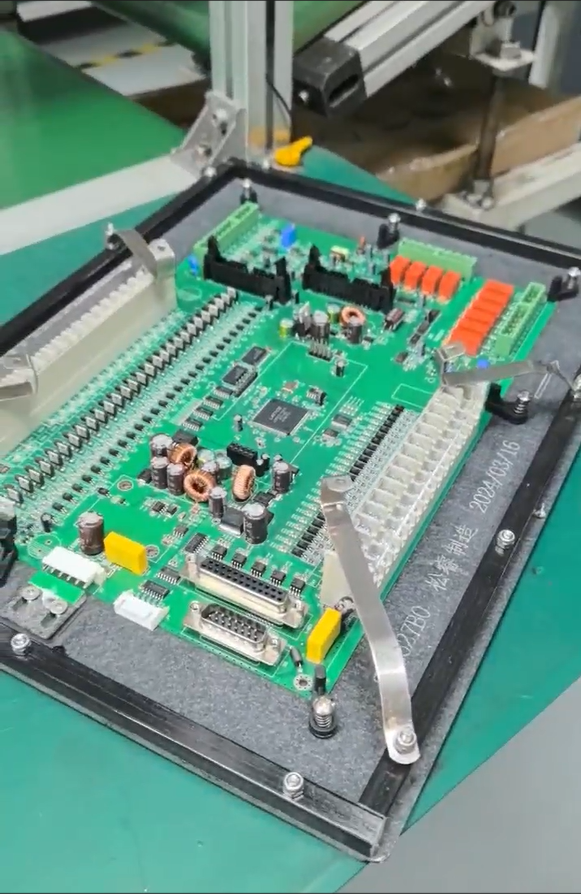
Electrical equipment contains numerous conductive components, wiring connections, and electrical assemblies that must remain properly insulated during operation. Although insulation is often associated with cables and wires, smaller components and connection areas also require attention. Insulation sleeving provides an additional insulating layer around selected conductors and components, helping reduce the risk of unintended electrical contact and supporting a more organized equipment design.
Why Internal Electrical Insulation Matters
Inside electrical equipment, conductors may be routed through limited spaces and positioned near metal enclosures, mounting structures, or other conductive parts. Without suitable insulation, direct contact between conductive surfaces can create electrical hazards, particularly when wiring moves during assembly, maintenance, or equipment operation.
The insulation requirements vary according to the equipment's electrical design, operating conditions, and component arrangement. A solution suitable for one connection point may not be appropriate for another. Engineers therefore need to consider insulation as part of the overall equipment layout rather than treating it as an isolated material choice.
Insulation sleeving is useful in this context because it can be fitted over individual wires, leads, and selected connection sections. It adds a physical insulating barrier without requiring the entire wiring assembly to be redesigned.
How Insulation Sleeving Supports Equipment Protection
Insulation sleeving serves several practical functions within electrical assemblies. Its primary role is to cover conductive sections that require additional insulation, helping maintain separation between electrical conductors and nearby components.
It can also help protect covered wiring sections from incidental contact during equipment assembly and routine handling. In applications where multiple wires and connections occupy a confined enclosure, sleeving provides a defined insulating layer around selected sections.
The material must, however, match the intended application. Different equipment may impose different requirements for temperature resistance, dielectric performance, flexibility, and installation dimensions. Selecting a sleeving product based only on its general material description is insufficient; the relevant specifications must be reviewed against the actual electrical and mechanical conditions.
For applications requiring flexible insulation around wiring and electrical components, fiberglass insulation sleeving is one category worth evaluating. Silicone-coated fiberglass tubing, for example, combines an electrical-grade braided fiberglass base with a continuous silicone resin coating. This construction is relevant to applications where flexible, flame-retardant, and halogen-free insulation sleeving is required.
Choosing Suitable Sleeving for Different Equipment Conditions
The correct insulation sleeving depends on more than the physical dimensions of a wire. Several factors should be considered before a product is specified.
Electrical requirements: The required insulation performance should be established from the equipment design. Dielectric grades and breakdown voltage data can support product evaluation, but breakdown voltage should not be interpreted as the rated operating voltage. Buyers should check the meaning and test conditions of the supplier's specifications.
Operating temperature: Internal components may experience different thermal conditions depending on their location and proximity to heat-generating parts. The selected sleeving should have a documented operating temperature range that is suitable for the intended installation.
Dimensions and installation space: The tubing diameter must accommodate the conductor or component while fitting within the available equipment space. An unsuitable size can complicate assembly or prevent the sleeving from covering the intended section properly.
Material construction: Braided fiberglass sleeving with a silicone resin coating offers a different construction from other insulation materials. Its flexibility, coating structure, and documented product properties should be assessed in relation to the equipment's requirements.
These considerations help engineers compare products based on application suitability rather than relying on a single specification.
Integrating Insulation Sleeving into Equipment Design
Insulation sleeving should be considered during the electrical assembly design stage. Early consideration allows engineers to account for sleeving dimensions, wire routing, connection locations, and available installation space before the enclosure and wiring arrangement are finalized.
During assembly, the sleeving should cover the intended section without obstructing terminals, connectors, or other components that require access. Its position should also remain consistent with the equipment's wiring layout and maintenance requirements.
Procurement teams can support this process by providing suppliers with clear information about the conductor dimensions, operating temperature, electrical requirements, and installation conditions. These details make it easier to determine whether an available product specification is suitable or whether further technical confirmation is needed.
It is also important to review product documentation carefully. Model designations, dielectric grades, dimensions, and test values should be checked individually rather than assuming that products within the same material category share identical performance.
Making Insulation a Part of Equipment Safety Design
Electrical equipment safety depends on the coordination of components, wiring layouts, and suitable insulation materials. Insulation sleeving provides an additional protective layer around selected conductors and connection sections, but its effectiveness depends on correct product selection and installation.
By evaluating electrical requirements, temperature conditions, dimensions, and material construction together, equipment designers and procurement teams can make more informed decisions. A properly specified fiberglass electrical insulation sleeving solution can contribute to a more consistent insulation arrangement within commercial and industrial electrical equipment.
www.xichuantech.com
xichuan

+ There are no comments
Add yours