

The global manufacturing industry stands at a critical juncture where environmental responsibility and high-performance materials must coexist. As companies worldwide face mounting pressure to reduce carbon footprints while maintaining product quality, the demand for certified post-consumer recycled (PCR) plastics has surged dramatically. This shift represents more than a trend—it's a fundamental transformation in how industries approach material sourcing and sustainability.
Understanding TUV Rheinland Certification for PCR Materials
TUV Rheinland certification represents the gold standard in validating the authenticity, quality, and environmental claims of recycled materials. This internationally recognized certification provides manufacturers with third-party verification that their PCR plastics meet rigorous standards for recycled content, performance characteristics, and carbon footprint reduction. For procurement professionals and sustainability managers, TUV certification eliminates guesswork and provides concrete evidence for ESG reporting and supply chain transparency requirements.
The certification process encompasses comprehensive testing protocols that verify material composition, trace recycled content origins, and validate carbon emission calculations. This level of scrutiny ensures that certified PCR plastics deliver consistent performance while genuinely contributing to circular economy objectives. Companies seeking certified PCR materials can confidently specify these products knowing they meet international sustainability benchmarks and regulatory compliance standards including RoHS, REACH, and FDA requirements.
The Carbon Neutrality Advantage in PCR Plastics
Carbon emission reduction has become a non-negotiable priority across industries from automotive to electronics. Virgin plastic production generates substantial greenhouse gas emissions throughout extraction, refinement, and polymerization processes. In contrast, properly manufactured PCR materials can achieve carbon emission reductions ranging from 77.7% to 91.8% compared to virgin resins, depending on material type and processing methods.
Ningbo Topcentral New Material Co., Ltd. pioneered the "Dual-Track Carbon Neutrality" approach, achieving simultaneous carbon neutrality at both organizational and product levels since 2022. This comprehensive methodology addresses emissions across the entire value chain—from waste collection and sorting through processing, modification, and final product delivery. The company's TUV Rheinland dual carbon neutral certification validates both their operational footprint and individual product carbon profiles, providing customers with verifiable data for scope 3 emissions reporting.
This dual-track approach extends beyond simple carbon offsetting. Through proprietary blockchain technology called TcBChain® and unique CarbonCode identifiers, each material batch receives a digital product passport containing complete lifecycle traceability data. This transparency enables downstream manufacturers to accurately calculate and report product-level carbon footprints, meeting increasingly stringent regulatory requirements in markets like the European Union and California.
High-Performance Engineering Applications
A persistent misconception surrounding recycled plastics suggests they cannot match virgin material performance in demanding applications. Modern PCR engineering plastics have definitively disproven this assumption. Advanced sorting technologies, contamination control systems, and precision modification techniques now enable PCR materials to meet or exceed virgin resin specifications across critical parameters including impact resistance, thermal stability, chemical resistance, and dimensional accuracy.
Topcentral's PCR engineering plastic portfolio demonstrates this capability across multiple material families. Their Topcircle® rPC (recycled polycarbonate) series achieves 91.8% carbon emission reduction while maintaining the high impact resistance and optical clarity required for automotive lamp housings and electronic device enclosures. The material carries UL 2809 certification and meets stringent automotive industry standards under IATF 16949 quality management systems.
In the automotive sector, structural components face particularly demanding requirements for load-bearing capacity, temperature resistance, and long-term durability. Topcentral's Nairong® rPA66 (recycled nylon 66) with 30% PCR content successfully supports brake pedal applications with load capacities up to 50 kilograms while achieving zero-carbon certification. This performance demonstrates that recycled materials can fulfill safety-critical functions previously reserved exclusively for virgin resins.
The electronics and information technology equipment (ITE) sector presents another challenging application environment requiring materials that pass rigorous flame retardancy tests, electromagnetic interference specifications, and aesthetic requirements. Topcentral's IBISS® rABS series includes FDA-grade formulations with 100% PCR content suitable for consumer electronics housings, achieving 77.7% carbon reduction while meeting Sony Green Partner certification standards for environmental compliance.
Traceability and Digital Innovation
Supply chain transparency has evolved from a competitive advantage to a fundamental requirement. Regulatory frameworks like the EU's Digital Product Passport mandate and California's Extended Producer Responsibility legislation demand granular traceability for recycled content claims. Traditional documentation methods struggle to provide the real-time, tamper-proof verification these regulations require.
Advanced digital traceability systems address this challenge through integrated technology platforms. Topcentral's Back2Circle® TraceBytes™ platform combines location-based services (LBS), artificial intelligence (IDectAI®), and big data analytics (BgDAT®) to track materials from waste collection through processing and final application. Each product receives a unique iDNAXx® identifier linked to blockchain-verified data covering source verification, processing parameters, quality testing results, and carbon footprint calculations.
This digital infrastructure enables unprecedented supply chain visibility. Downstream manufacturers can scan CarbonCode identifiers to instantly access complete material histories, verify recycled content percentages, review third-party certification documents, and extract carbon footprint data formatted for corporate sustainability reporting frameworks including CDP, GRI, and TCFD. This capability transforms compliance from a documentation burden into an automated, auditable process.
Ocean-Bound Plastic Innovation
Marine plastic pollution represents one of the most visible environmental challenges, with an estimated eight million metric tons entering oceans annually. Ocean-bound plastics (OBP)—waste collected within 50 kilometers of coastlines in regions lacking adequate waste management infrastructure—pose particularly high risk of ocean entry. Converting this material stream into high-value engineering plastics creates economic incentives for coastal collection while directly preventing marine pollution.
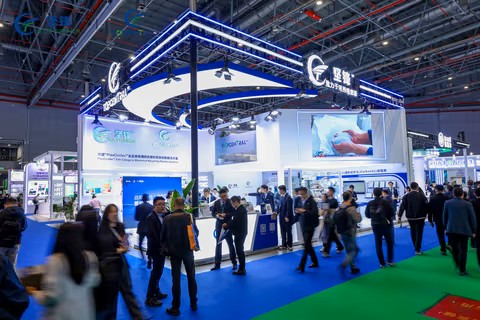
Topcentral's Ocean Partner® ecosystem establishes comprehensive collection networks in coastal communities, implementing "collection-transport-recycling-high-value application" closed loops. Their IBISS® rABS-Ocean78A grade contains 100% ocean-bound plastic content while meeting performance specifications for consumer electronics and automotive interior applications. Similarly, PloyPoy® rPP-BP26 incorporates Coastbound® certified OBP content into structural polypropylene grades suitable for automotive and industrial applications.
This approach was recognized as a national "Zero-Waste City" Best Practice Case in 2023 and 2025, demonstrating scalable models for converting low-value waste streams into premium materials. The economic value created through high-performance applications—rather than downcycling into park benches or plastic lumber—provides sustainable funding for collection infrastructure in underserved coastal regions. Participating communities benefit from employment opportunities, supplemental income through "Carbon Points" programs, and reduced local environmental impacts.
Industry-Specific Solutions and Certifications
Different industries impose unique material requirements, testing protocols, and certification standards. Successful PCR plastic suppliers must navigate this complexity while maintaining cost competitiveness and reliable supply chains. Comprehensive certification portfolios demonstrate capability across multiple sectors and reduce qualification timelines for new customers.
Topcentral maintains an extensive certification matrix covering automotive (IATF 16949), general quality management (ISO 9001), environmental management (ISO 14001), occupational health and safety (ISO 45001), energy management (ISO 50001), and intellectual property innovation management (ISO 56005 Level 3). Material-specific certifications include GRS (Global Recycled Standard), ISCC PLUS (International Sustainability & Carbon Certification), UL 2809, UL OBP (Ocean-Bound Plastic), SCS Global Services, and ISO 14067 for product carbon footprinting.
These certifications enable rapid qualification for diverse applications. The automotive industry can specify certified materials confident they meet sector-specific quality systems. Food contact applications can utilize FDA-grade formulations like IBISS® rABS-N315F with 100% PCR content. Beauty and cosmetics brands can source TC-Rester® rPET and rPETG grades achieving 80% carbon reduction while complying with strict cosmetic packaging regulations including SVHC substance restrictions.
Future-Proofing Through Innovation
Sustainability requirements will only intensify as governments implement stricter regulations and consumers demand greater corporate accountability. Material suppliers that invest in innovation infrastructure, digital capabilities, and comprehensive certification portfolios will be best positioned to support customers through this transition.
Topcentral's innovation ecosystem includes 82 granted patents (44 inventions), partnerships with the Chinese Academy of Sciences and leading universities including Tianjin University and Zhejiang University, and a postdoctoral research station focused on circular economy technologies. This research infrastructure supports continuous advancement across physical recycling (PlasCircles™), chemical recycling (ChemCircle™), material modification (CircleBlend®), and bio-based alternatives (Bydercom®).
The company's recognition as a National "Specialized, Refined, Distinctive, and Innovative Little Giant" Enterprise and National High-tech Enterprise reflects its technology leadership position. With 48% of staff dedicated to R&D activities and 60% holding bachelor's or master's degrees, the organization maintains the technical depth required to solve emerging challenges in circular materials.
Conclusion
The transition to certified PCR plastics represents both an environmental imperative and a strategic business opportunity. TUV Rheinland certification provides the credibility and verification necessary to confidently specify recycled materials for demanding applications. Combined with comprehensive digital traceability, demonstrated performance in engineering applications, and robust certification portfolios, today's PCR plastics enable manufacturers to achieve ambitious sustainability goals without compromising quality or functionality. As regulatory requirements tighten and stakeholder expectations rise, partnering with certified PCR suppliers offering proven technology, transparent traceability, and industry-specific expertise will be essential for long-term competitive success.
www.Topcentral.net
Ningbo Topcentral New Material Co., Ltd.


+ There are no comments
Add yours