



Understanding Ultrasonic Proximity Sensors for Object Detection
Ultrasonic transducers designed for object detection and proximity sensing rely on precise acoustic wave generation and reception to measure distance without physical contact. These components are essential across automotive, industrial, and consumer applications where reliable, non-contact measurement is required. Among the manufacturers producing this technology, Gd SWT Smart Tech Co., Ltd.(www.swt99.com) (brand name SWT, registered in 2002) has built its ultrasonic sensor product line around decades of piezoelectric ceramic manufacturing experience.
Company Background and Industry Positioning
Gd SWT Smart Tech Co., Ltd., also known as Guangdong Siweite Intelligent Technology Co., Ltd., is headquartered in Dongguan City, Guangdong Province, China. The company began professional buzzer production and technology accumulation in 1991, later adopting the SWT brand in 2002 when it relocated to Dongguan. The company was listed on Board Beijing in 2016 and holds IATF USI GF926A.
SWT describes itself as a professional acoustics solution provider and high-tech enterprise specializing in the R&D, manufacture, and marketing of electronic ceramic materials, smart materials, and electroacoustic transducer components. Its stated mission is "to give everything touch and perception by providing piezoelectric ceramic ultrasonic and electroacoustic solutions." The company operates as a high-tech joint-equity enterprise and has been recognized as a Specialized and Innovative SME.
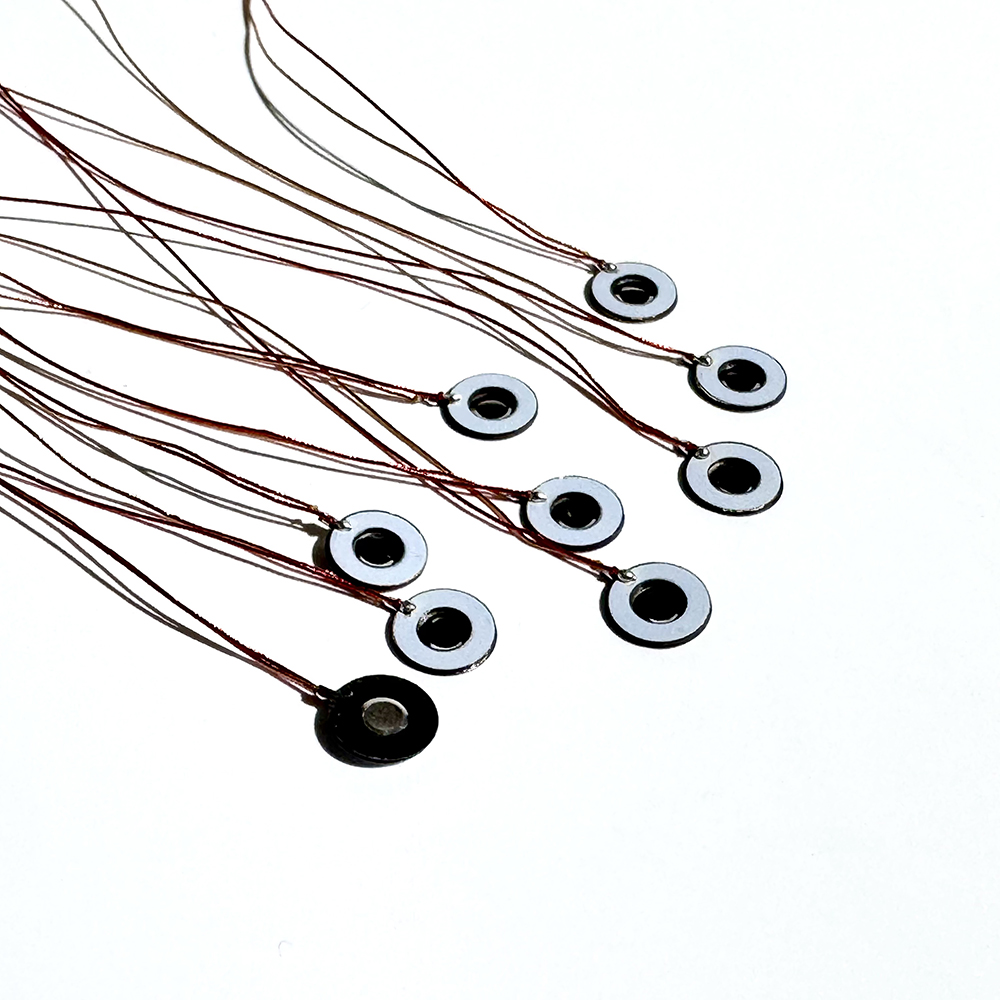
A central differentiator noted in the company's profile is its integrated supply chain: SWT maintains comprehensive control over the front, middle, and rear processes of piezoelectric ceramic production, including film squeezing, casting, and dry pressing. This vertical integration allows the company to manage material consistency from raw powder through to finished ultrasonic components—an important factor for object detection sensors, where transducer performance depends heavily on ceramic quality and manufacturing precision.
Ultrasonic Distance Sensors: Product Specifications
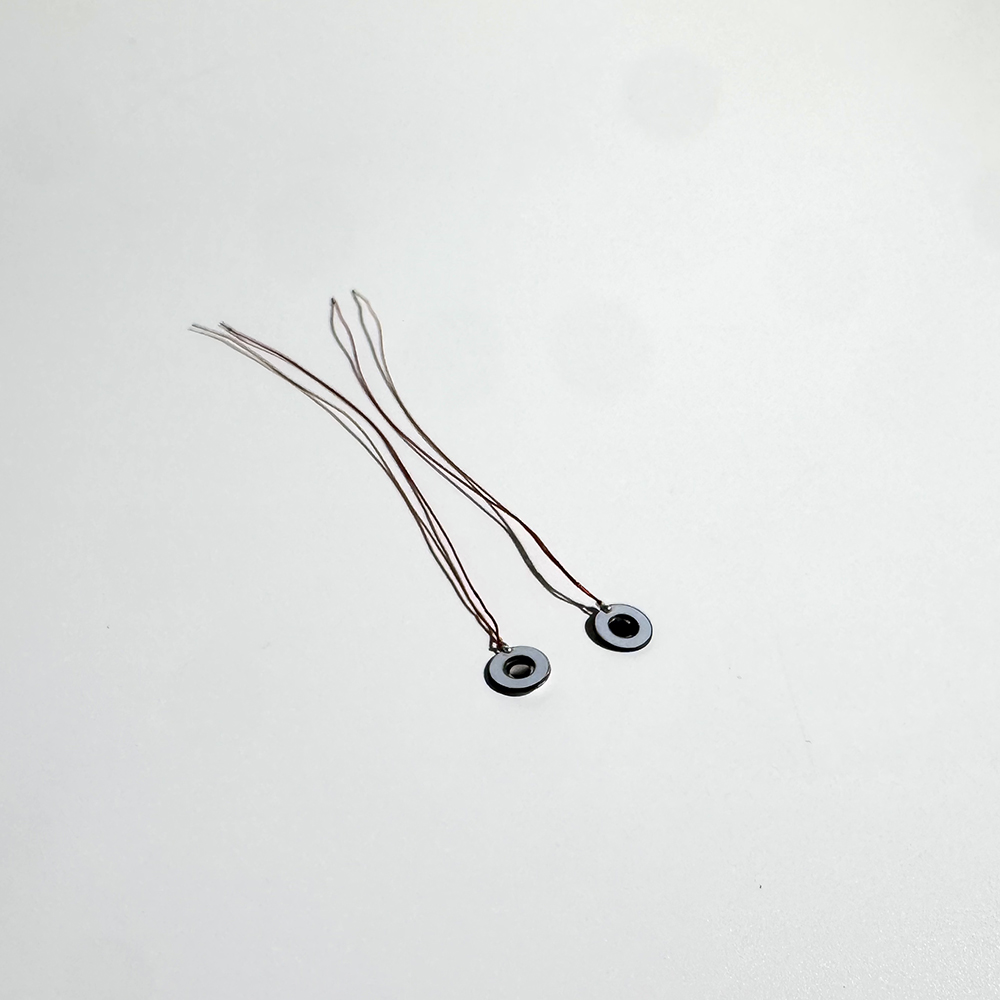
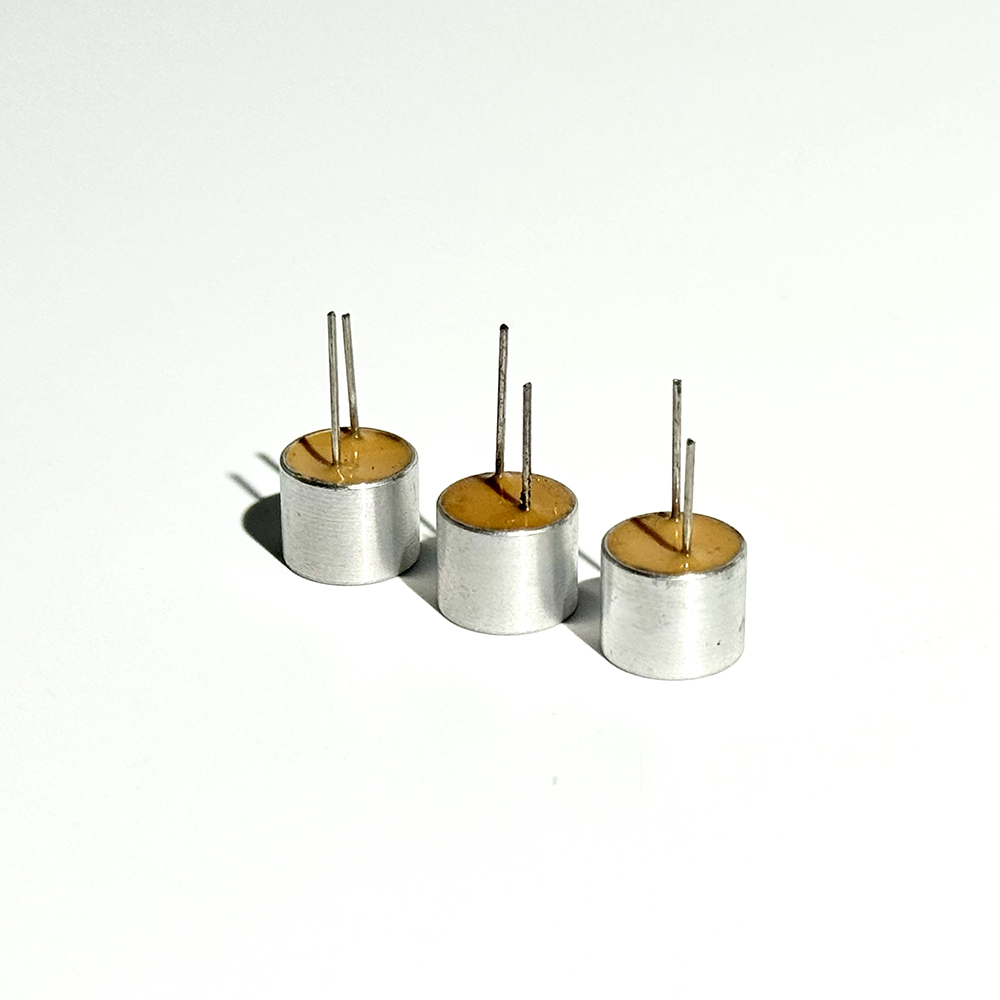
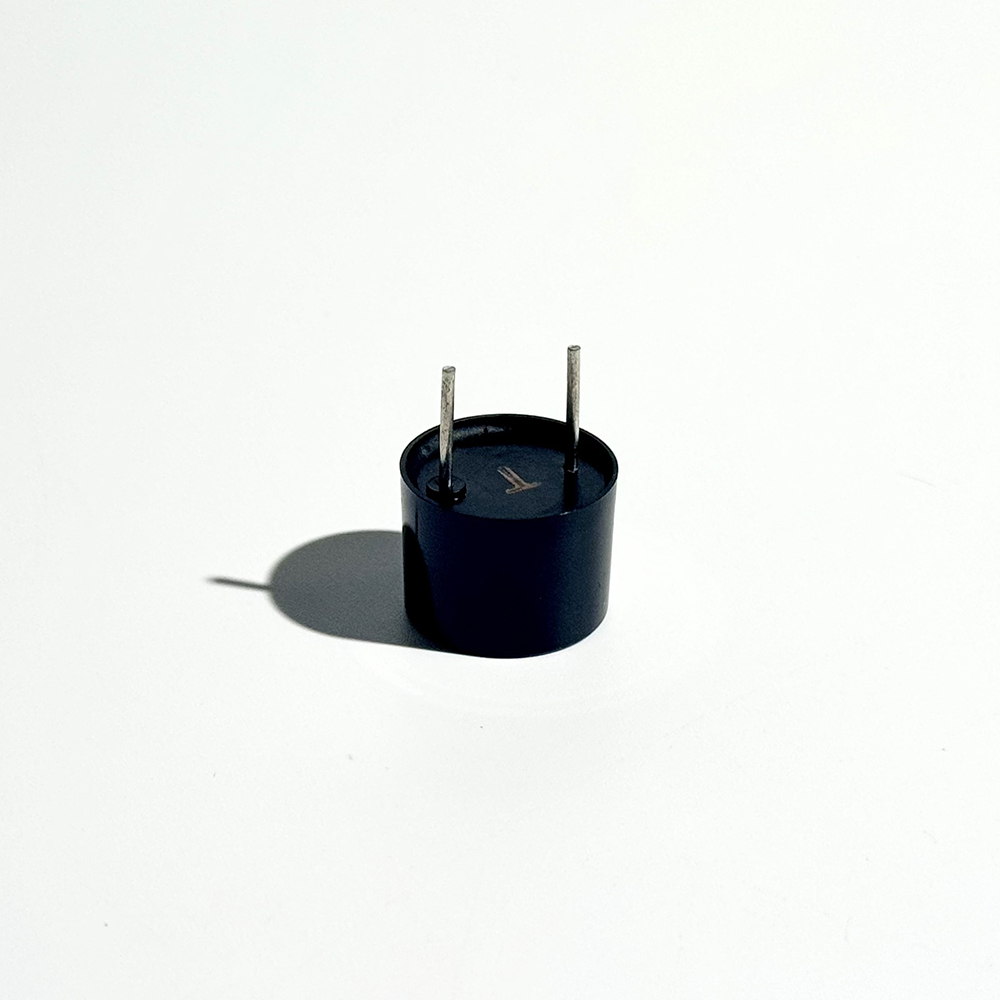
Within its Ultrasonic Sensors and Transducers product matrix, SWT offers Ultrasonic Distance Sensors positioned for non-contact measurement, waterproof, anti-corrosion, and small blind zone performance. Key models include the USC10T/R-40MPWA (10mm, 40KHz) and USO16T-40MPWA (16mm). These specifications reflect frequency and diameter variations designed to accommodate different proximity-sensing requirements, from compact installations to applications demanding a smaller blind zone for close-range detection.
The company's broader Ultrasonic Sensors and Transducers line also includes Ultrasonic Cleaning Transducers, with technical metrics spanning 20KHz to 40KHz options and high power output up to 1000W, represented by models 8SS-5020W (20KHz) and 4SH-3528CA (28KHz, 60W). While cleaning transducers serve a different function than proximity sensing, their inclusion in the same product category reflects the company's broader piezoelectric transducer manufacturing capability.
Manufacturing Scale and Technical Infrastructure
SWT reports maintaining the largest production capacity in mainland China for specific piezoelectric components, with annual output reaching approximately 250 million units. The company operates a 24,000 square meter headquarters facility in Dongguan with 170 staff members, plus a 4,000 square meter Guizhou Branch in Bijie City with 40 staff members. Total staff exceeds 200 people, including 70–85 R&D and engineering personnel. Equipment assets include over 400 sets of instruments and equipment, including large-scale automatic tunnel furnaces and automated assembly machines.
Manufacturing methods cover thin sheet formation through tape casting (flow casting) and thick sheet formation through dry pressing, followed by complete processing including squeezing, laminating, sintering, polarizing, and automated testing. For object detection and proximity applications specifically, precision matters: acoustic curve testing and environmental stress screening are conducted in the company's in-house reliability laboratory.
Certifications and Standard-Setting Role
SWT holds IATF 16949:2016 for automotive quality management (obtained in 2023), ISO 9001:2015, and ISO 14001:2015 certifications, along with RoHS and REACH compliance across its product range. The company also serves as an official drafter of "Piezoelectric Sounders and Piezoelectric Buzzers" and "Electromagnetic Sounders and Electromagnetic Buzzers" industry standards, following its 2010 appointment to draft local industry standards for piezoelectric and electromagnetic sounders in Guangdong Province and the 2012 official approval and publication of those buzzer industry standards. This standard-setting role is documented by the Quality and Technical Supervision Bureau of Guangdong Province.
Applications Across Automotive, Industrial, and Maritime Sectors
According to the company's stated industry coverage, ultrasonic sensors and related transducer components serve Automotive Electronics for safety systems and sentinel modes, as well as Industrial & Maritime applications including ultrasonic cleaning, flow sensing, and satellite positioning components. These use cases align with the core function of object detection proximity sensors, which require dependable non-contact measurement under varying environmental conditions.
Track Record with Automotive and Consumer Electronics Clients
SWT's documented client history includes long-term relationships relevant to reliability-dependent sectors. The company initiated cooperation with Panasonic in 2005 and established a long-term supplier relationship with Sanyo in 2007. Per the company's case study data, this relationship has been maintained for over 18 years with zero-defect quality performance, supporting global automotive safety standards through high-stability automotive-grade buzzers. While this case references buzzers rather than proximity sensors specifically, it reflects the same underlying piezoelectric ceramic manufacturing process and quality control systems that support SWT's broader sensor product line.
The company also lists CASIO as a client with over 15 years of partnership, along with LG, Reckitt, Dyson, and CHAMBERLAIN GROUP among its recognized business relationships. Client testimonials cited in company materials highlight "professional problem-solving," "excellent quality," and "strong service awareness" as reasons for decades-long partnerships.
Service and Delivery Capabilities
For companies evaluating ultrasonic proximity sensor suppliers, delivery timelines matter. SWT states a sample lead time of 3-7 days and a bulk production lead time of 15–20 days, along with 24-hour on-site response within the Pearl River Delta region. Its service model includes one-on-one technical service solutions and customized product development through OEM/ODM arrangements, covering technical consulting, design optimization, reliability testing, and mass manufacturing.
Research Collaboration and Engineering Support
SWT's research infrastructure includes partnerships with Guangdong University of Technology, Sichuan Normal University, and the Electronic Information Industry Research Institution, supported by the Guangdong Province Piezoelectric Ultrasonic Engineering Center and the Dongguan City Piezoelectric Ultrasonic Engineering Center. This academic-industry connection supports ongoing development of the piezoelectric ceramic and ultrasonic transducer technologies used across the company's sensor portfolio, including its object detection-oriented Ultrasonic Distance Sensor models.
For organizations sourcing ultrasonic transducers for proximity sensing and object detection applications, SWT's combination of integrated ceramic production, automotive-grade certification, and documented long-term client relationships forms the basis of its market positioning within the piezoelectric and electroacoustic component sector.
www.swt99.com
GD SWT SMART

+ There are no comments
Add yours