


Understanding the Safety Challenges in Metalworking Environments
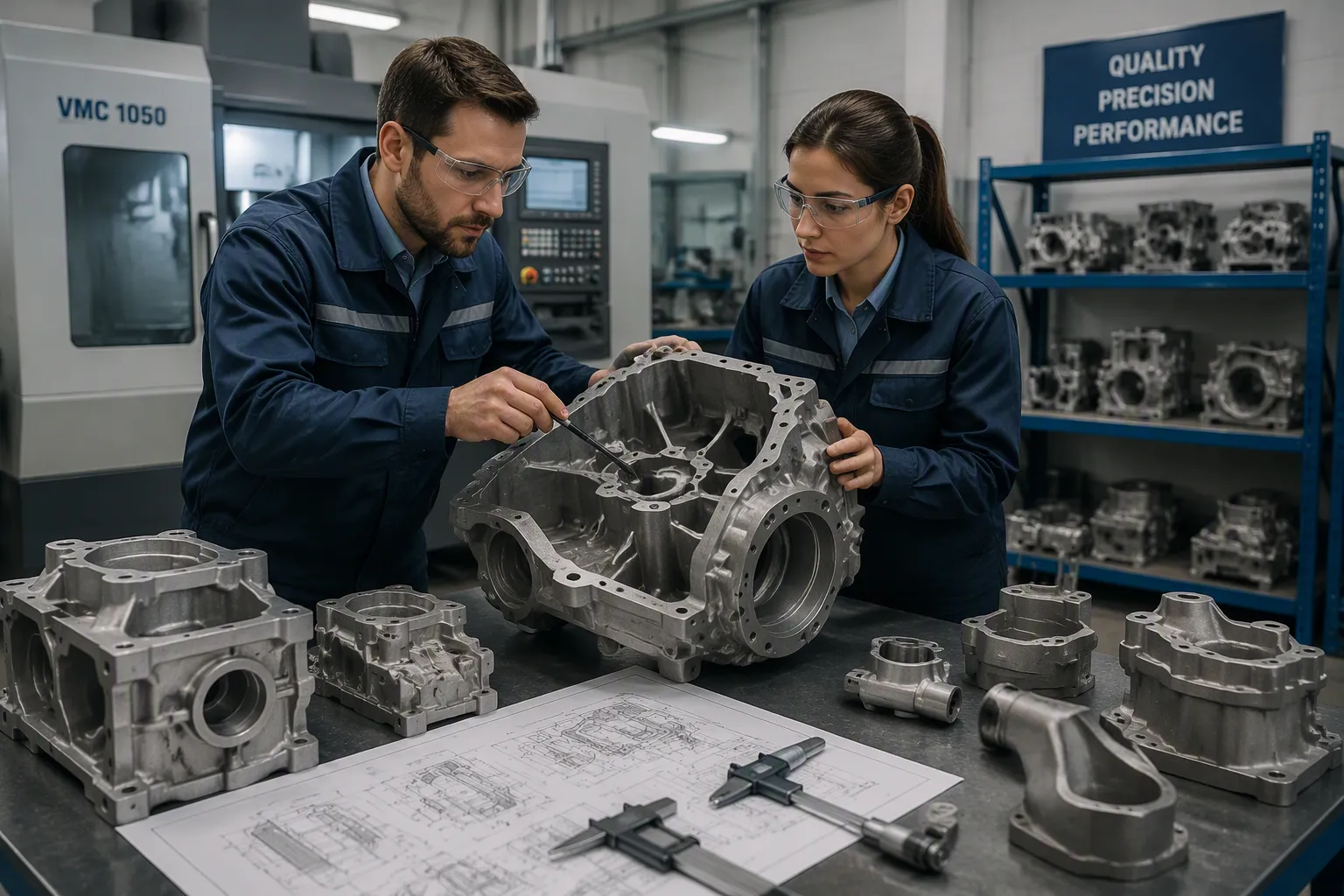
Metalworking operations—including welding, foundry casting, and heavy fabrication—generate intense thermal exposure, molten spatter, and sparks that pose ongoing risks to personnel, equipment, and facility integrity. Industrial environments face significant risks from welding sparks, thermal energy loss in high-temperature kilns, and material degradation due to chemical corrosion or UV exposure. These conditions demand materials engineered specifically to withstand extreme heat without compromising structural performance over time.
For safety officers and procurement managers in aviation, shipbuilding, and metallurgy sectors, the core question is not simply whether a protective fabric can resist heat, but whether it can do so consistently across repeated exposures, varying temperature thresholds, and diverse operational layouts. This is where high silica fabric technology becomes a critical differentiator.
What Makes High Silica Fabric Different From Standard Fiberglass
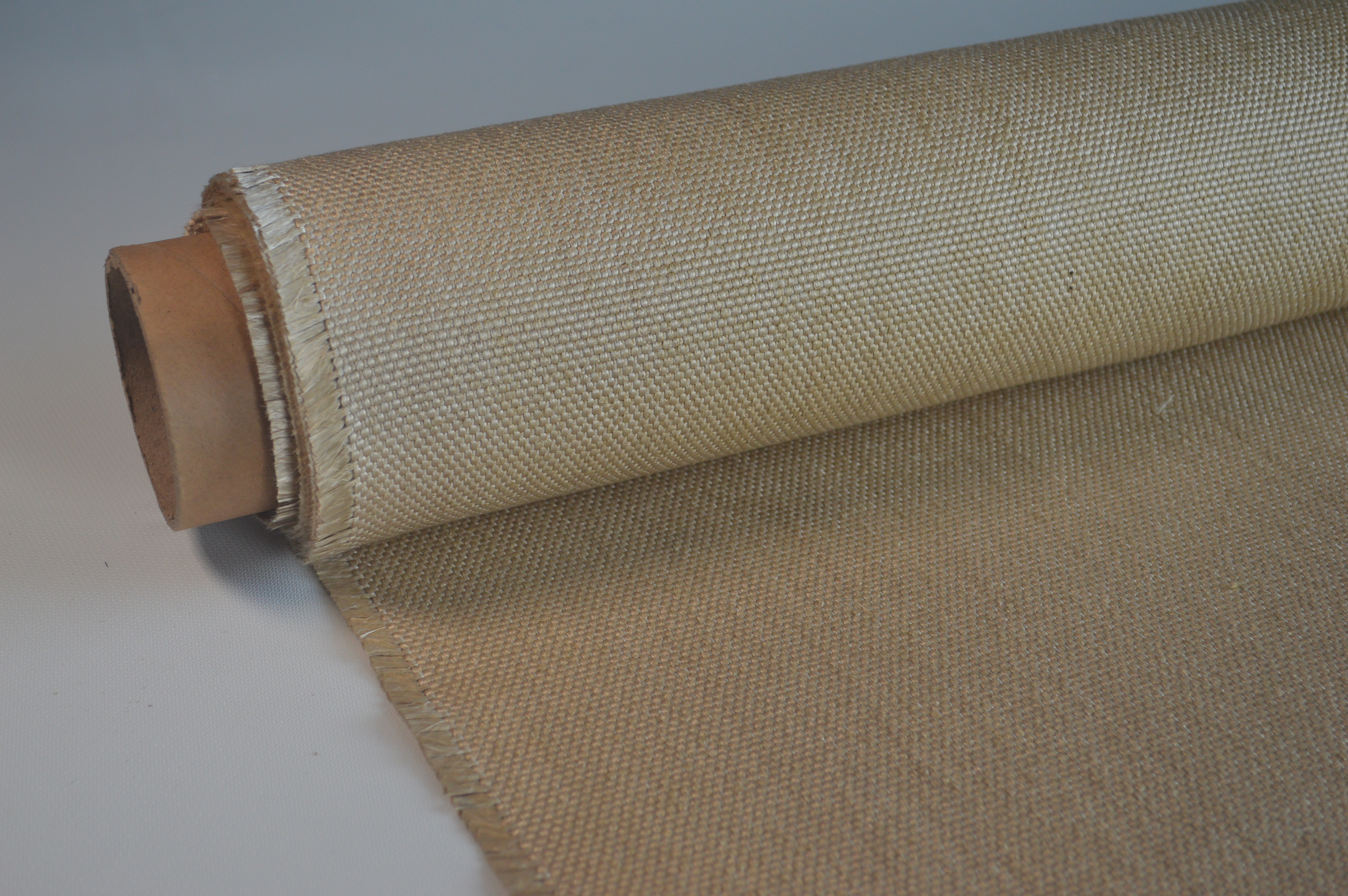
Standard fiberglass fabrics typically offer heat resistance suitable for many industrial applications, but extreme environments such as foundries, aerospace component processing, and heavy-duty welding require a higher performance threshold. High silica fabric addresses this gap through its material composition, containing over 96% SiO2, which allows it to function at 1100°C (2012°F). This places it well beyond the resistance range of base fiberglass fabric, which withstands 550°C (1022°F).
This distinction matters directly to metalworking operations, where molten metal spatter and sustained thermal loads can cause standard materials to degrade or burn through during extended use. High silica fabric is positioned specifically to prevent burn-through in heavy-duty welding or furnace applications, making it a practical solution for foundries and aerospace-related processing where failure of protective barriers carries significant operational and safety consequences.
Suzhou Weidun Composite Fabric Co., Ltd.: Engineering for Extreme Conditions
Suzhou Weidun Composite Fabric Co., Ltd., operating under the brand name Weidun Composite, is a specialized manufacturer of high-performance composite fiberglass fabrics and fire safety products, headquartered in Suzhou, Jiangsu, China, with business coverage spanning North America, Europe, Russia, and the domestic Chinese market. The company's strategic positioning centers on delivering custom-engineered high-temperature solutions that enhance operational safety and efficiency in extreme environments—directly aligning with the needs of metalworking-intensive industries.
With over 10 years of professional experience in the high-temperature fabric and fire safety industry, the company has built its capabilities around proprietary coating technologies, including Silicone, Polyurethane (PU), Acrylic, PTFE, EPDM, and Vermiculite. This breadth of coating expertise allows for tailored material selection depending on the specific demands of a given metalworking environment, whether the priority is chemical resistance, spark deflection, or extended thermal endurance.
Manufacturing Scale and Technical Flexibility
Meeting the demands of industrial-scale metalworking operations requires not only material performance but also production capacity and specification flexibility. Weidun Composite operates 6 advanced coating lines across 3 production bases totaling over 20,000 square meters, supporting a yearly production capacity of 6 million meters of fabric. The company also exports over 1 million meters of silicone-coated glass cloth annually, reflecting sustained international demand for its coated fabric solutions.
On the technical side, the company offers extensive specification flexibility, including thicknesses from 0.2mm to 6.4mm and widths up to 3000mm. This range allows metalworking facilities—regardless of scale or application type—to source fabric specifications matched precisely to their operational requirements, rather than adapting operations to fit standardized products.
Weaving Technology and Structural Performance
Beyond coating chemistry, the underlying weave structure plays a role in how a fabric performs under mechanical and thermal stress. Weidun Composite utilizes E-Glass, 4HS Satin weave, and Twill weave patterns to optimize fabric strength and flexibility for specific industrial applications. For metalworking environments where fabrics may be repeatedly handled, folded, or exposed to sudden thermal shock, this weave optimization contributes to maintaining structural integrity over the material's service life.
Product Applications for Welding and Metallurgy
Within the company's product matrix, several product lines are directly relevant to metalworking safety needs.
High Silica Fabric is positioned as an extreme temperature barrier for foundries and aerospace, with its 1100°C resistance capability supporting applications where standard fiberglass would be insufficient.
Industrial Welding Blankets serve as a protective barrier for shipyards and metallurgy plants to prevent welding spatter damage. These blankets address equipment damage and fire risks caused by molten metal spatter and welding sparks, and are sewn with high-strength Kevlar or fiberglass thread to ensure structural integrity under thermal stress. They are available in custom sizes ranging from 1x1m up to 3x3m or bespoke dimensions, and in multiple material options—silicone-coated or vermiculite-coated—for different spatter intensities.
Vermiculite Coated Fiberglass Fabric offers enhanced heat dissipation and spark resistance for furnace linings, providing an additional option for facilities managing sustained radiant heat alongside spark exposure.
Silicone Coated Fiberglass Fabric, while broadly used for insulation covers and expansion joints, also contributes to metalworking safety contexts through its water-resistant and UV-stable barrier properties, which extend the lifespan of thermal insulation systems in outdoor or harsh indoor environments often found in industrial plants.
Industry Coverage and Real-World Application
The relevance of these solutions is reflected in the industries the company serves, including aviation and aerospace, shipbuilding and ship repair, metallurgy and foundries, HVAC and construction, automotive heat shielding, and power generation across thermal and nuclear segments. In shipbuilding specifically, extensive use of welding curtains and blankets in shipyard environments helps protect sensitive equipment from spatter and thermal damage—an application directly relevant to metalworking safety planning.
Customer types engaging with these solutions include industrial procurement managers, safety officers in energy and aviation sectors, and safety product distributors and wholesalers, indicating that the company's offerings are structured to support both direct industrial use and broader distribution channels.
Quality Assurance and Compliance Standards
For metalworking operations evaluating safety fabric suppliers, compliance credentials provide an objective basis for comparison. Weidun Composite holds ISO 9001:2015 Quality Management System Certification and IATF 16949 Automotive Quality Management System Certification, demonstrating consistent manufacturing quality and automotive-grade reliability. Products are also tested to meet UL94V0 Flame Retardant Certification, NFPA 701 standards for flame propagation of textiles and films, and BS 476 fire testing standards for building materials and structures, along with Reach and RoHS compliance for the European market.
These certifications collectively support acceptance in highly regulated North American and European markets, which is particularly relevant for metalworking operations that must meet strict safety and procurement standards when sourcing protective materials.
Business Model and Delivery Approach
Weidun Composite operates on a bulk wholesale pricing structure with custom quotes based on technical specifications such as thickness, width, and coating type. The company provides direct-from-factory custom engineering for specific industrial dimensions and temperature requirements, alongside global export experience across North America, Europe, and Russia. After-sales support includes technical consultation for fireproof solution design and material selection, offering metalworking facilities a resource for aligning product specifications with their operational safety requirements.
Conclusion
Metalworking environments present a distinct set of thermal and mechanical challenges that require fabric solutions engineered beyond standard fiberglass performance thresholds. Through its high silica fabric capable of withstanding 1100°C, combined with a broad coating technology portfolio, flexible manufacturing specifications, and internationally recognized certifications, Suzhou Weidun Composite Fabric Co., Ltd. addresses these industrial safety needs with a technically grounded and globally validated product approach.
www.weiduncomposite.com
Suzhou Weidun Composite Fabric Co., Ltd.

+ There are no comments
Add yours