
In the highly competitive textile industry, color quality and production efficiency have become key factors that influence product value and market competitiveness. As fashion trends change faster and customers demand more customized textile products, manufacturers are increasingly looking for advanced dyeing solutions that can provide consistent results, flexible production, and lower operating costs.
Choosing the right garment dyeing machine is not simply about purchasing equipment. It involves evaluating multiple factors, including fabric compatibility, machine structure, temperature control accuracy, automation level, energy efficiency, and technical support.
A well-designed dyeing machine can help textile manufacturers improve color consistency, reduce production waste, shorten delivery cycles, and achieve more sustainable manufacturing processes.
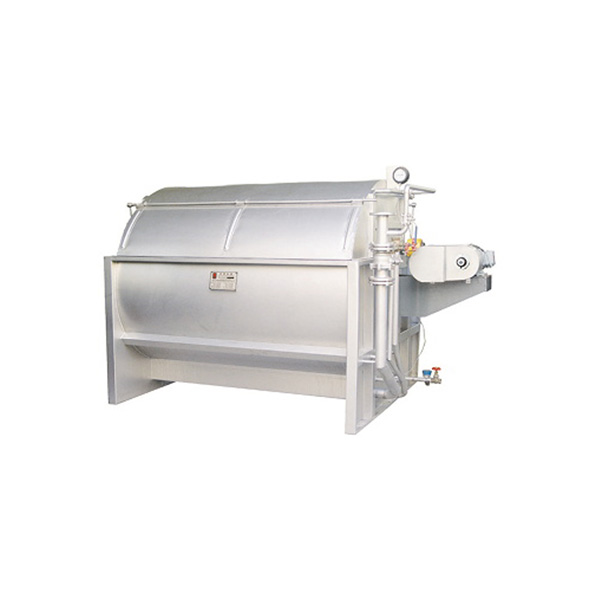
With more than 20 years of experience in textile dyeing equipment development, Wuxi Dongbao Machinery Co., Ltd. specializes in fabric dyeing machines, package yarn dyeing machines, and loose fiber dyeing equipment. The company provides reliable dyeing solutions for textile manufacturers worldwide. Its DB Garment Dyeing Machine is designed for various applications, including seamless underwear, knitted sweaters, acrylic garments, nylon stockings, scarves, gloves, and blended yarn products.
Why Garment Dyeing Machines Are Important for Modern Textile Manufacturing
Garment dyeing is a flexible textile processing method where finished garments or semi-finished products are dyed after production. Compared with traditional yarn dyeing or fabric dyeing methods, garment dyeing provides manufacturers with greater flexibility in responding to market changes.
The advantages include:
-
Faster response to fashion trends
-
More flexible small-batch production
-
Reduced inventory pressure
-
Customized color development
-
Unique appearance effects
However, garment dyeing also requires precise equipment control. Problems such as uneven dye absorption, unstable temperature control, and insufficient circulation can affect final product quality.
Therefore, selecting a professional garment dyeing machine is essential for achieving stable production performance.
Consider Textile Material Compatibility Before Purchasing
Different textile materials have different dyeing characteristics. A suitable garment dyeing machine should be capable of processing various fabrics while maintaining stable quality.
Common textile materials include:
-
Cotton fabrics
-
Knitted garments
-
Synthetic fibers
-
Nylon products
-
Acrylic textiles
-
Blended materials
For example, knitted garments require gentle mechanical treatment to prevent deformation, while synthetic fabrics often require precise temperature management for better dye absorption.
The DB Garment Dyeing Machine is designed to support multiple textile applications, helping manufacturers improve production flexibility and adapt to different customer requirements.
Stainless Steel Structure Improves Equipment Durability
During the dyeing process, machines are continuously exposed to dye solutions, chemicals, high temperatures, and moisture. Therefore, equipment materials directly affect service life and maintenance costs.
High-quality stainless steel is widely used in professional dyeing equipment because it provides:
-
Excellent corrosion resistance
-
Strong mechanical stability
-
Easy cleaning and maintenance
-
Long-term operational reliability
The DB Garment Dyeing Machine adopts an anti-corrosion stainless steel structure, allowing the equipment to maintain stable performance under demanding textile production environments.
This durable construction helps reduce downtime and improves overall production efficiency.
Precise Temperature Control Ensures Consistent Dyeing Quality
Temperature control is one of the most important factors affecting dyeing performance.
Incorrect temperature management may result in:
-
Uneven color distribution
-
Poor dye penetration
-
Longer processing cycles
-
Increased production waste
A reliable garment dyeing machine should provide accurate heating and cooling control throughout the dyeing process.
The DB Garment Dyeing Machine features:
-
Direct heating and indirect heating options
-
Direct spray cooling function
-
Advanced water temperature detection system
-
Real-time temperature monitoring
With a maximum working temperature of up to 98℃, the machine helps manufacturers achieve stable dyeing results across different production batches.
Precise temperature management improves color consistency while reducing unnecessary energy consumption.
Automation Functions Improve Production Efficiency
As textile manufacturing becomes more advanced, automation has become an important requirement for modern dyeing equipment.
Automated systems help reduce manual errors and improve production management through:
-
Automatic temperature control
-
Programmable dyeing processes
-
Automatic chemical dosing
-
Production data monitoring
The DB Garment Dyeing Machine supports different automation configurations according to customer needs, including:
-
Full automatic control systems
-
Semi-automatic controllers
-
Feeding pump charging systems
-
Automatic dosing tank control
-
Ratio charging systems
These functions allow manufacturers to choose suitable automation levels based on production scale and operational requirements.
Efficient Circulation and Speed Adjustment Protect Fabric Quality
During dyeing, the interaction between garments, dye liquor, and mechanical movement directly affects color uniformity.
Poor circulation or excessive mechanical force may cause:
-
Uneven dyeing
-
Fabric damage
-
Reduced product quality
A professional garment dyeing machine should provide stable circulation and flexible speed adjustment.
The DB Garment Dyeing Machine is equipped with a stepless speed regulation system, allowing operators to adjust processing conditions according to different fabric characteristics.
This feature is especially valuable for delicate textiles that require gentle treatment while maintaining effective dye penetration.
Energy Efficiency and Environmental Performance Are Becoming More Important
The textile industry is increasingly focused on reducing resource consumption and improving environmental sustainability.
Traditional dyeing processes may require significant amounts of:
-
Water
-
Steam
-
Electricity
-
Chemical materials
Modern dyeing machines are designed to optimize resource utilization through improved heating systems, better temperature control, and efficient operation methods.
When selecting a garment dyeing machine, manufacturers should consider:
-
Energy-saving performance
-
Water consumption efficiency
-
Process optimization
-
Waste reduction capability
Dongbao Dyeing Machine continues to develop textile equipment solutions focused on energy efficiency and environmental protection, helping customers achieve more sustainable production.
Choosing an Experienced Dyeing Machine Manufacturer
The success of a dyeing project depends not only on equipment quality but also on the technical capability of the supplier.
An experienced manufacturer can provide:
-
Professional equipment selection advice
-
Production process support
-
Installation guidance
-
Maintenance services
-
Customized solutions
Wuxi Dongbao Machinery Co., Ltd. has more than two decades of experience in textile dyeing equipment manufacturing. Its products have been exported to textile markets in Bangladesh, Egypt, Vietnam, India, Pakistan, Uzbekistan, Brazil, Peru, Russia, Mongolia, and other regions.
With professional technical teams and international service experience, Dongbao provides reliable dyeing solutions for global textile enterprises.
Wide Applications of Garment Dyeing Machines
A versatile garment dyeing machine can support different textile industries, including:
Fashion Apparel Manufacturing
Used for customized colors, seasonal collections, and fashion-oriented textile products.
Knitted Garment Production
Suitable for sweaters, underwear, and knitted fabrics requiring gentle processing.
Textile Accessories
Applied in scarves, gloves, socks, and other textile accessories.
Synthetic Fiber Processing
Supports dyeing requirements for nylon, acrylic, and blended materials.
This wide application range makes garment dyeing machines an essential part of modern textile production systems.
Conclusion
Selecting the right garment dyeing machine requires careful consideration of material compatibility, equipment structure, temperature control, automation features, energy efficiency, and supplier experience.
A reliable dyeing machine can help textile manufacturers achieve better color consistency, improve production efficiency, reduce operating costs, and respond faster to changing market demands.
With advanced manufacturing technology, strict quality control, and over 20 years of industry experience, Wuxi Dongbao Machinery provides professional garment dyeing solutions for textile manufacturers worldwide.
By investing in suitable dyeing equipment, manufacturers can build more efficient, flexible, and competitive textile production systems for the future.
www.primerope.com
Dongbao Machinery

+ There are no comments
Add yours