

Why Industrial Operators Are Searching for a Compact Active Buzzer with Continuous Tone
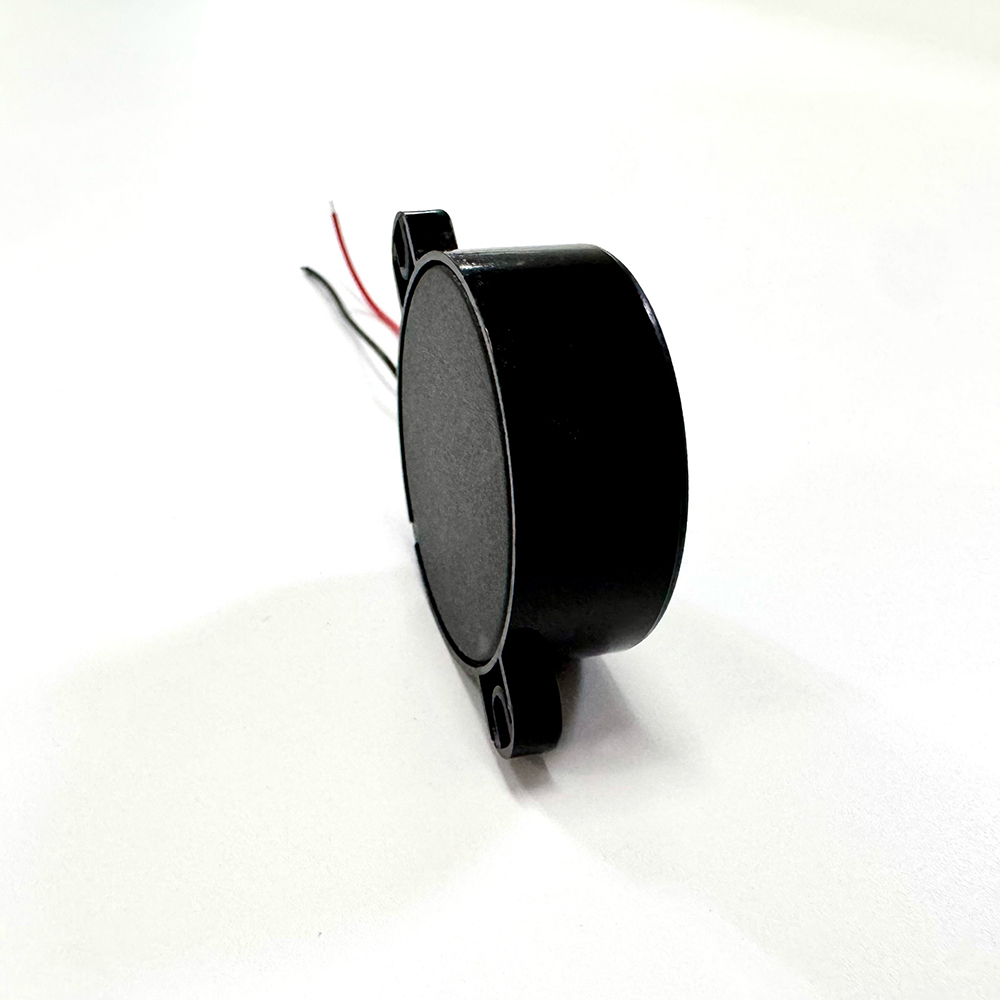
When a cabinet indicator or a machine alert system fails to communicate clearly, the cost is rarely just inconvenience — it can mean missed maintenance windows, safety oversights, or production delays. Buyers searching for a compact active buzzer capable of producing a continuous tone for cabinet indicator panels and machine alert systems are typically balancing three priorities at once: a small footprint that fits tight enclosures, a drive mechanism that doesn't require external oscillation circuitry, and long-term reliability under industrial conditions. This review examines how Gd SWT Smart Tech Co., Ltd. (SWT), operating under the Sweetsound brand heritage, addresses these exact requirements through its established buzzer and alarm product line.
Understanding the Active Buzzer Advantage
SWT's product matrix includes a dedicated category of Active and Passive Buzzers (Magnetic & Piezo). The differentiated value of the active variant lies in its internal drive circuit, which simplifies integration for engineers who need a straightforward, continuous-tone output without designing separate oscillator electronics. This is precisely the mechanism that supports uninterrupted alert signaling in cabinet indicator and machine alert scenarios, where a steady, unbroken sound cue — rather than an intermittent beep — is often required to draw immediate operator attention.
By contrast, SWT also offers passive buzzer configurations with external drive options, which allow frequency flexibility for applications that need variable tones. The company's documented application scenarios for this series include automotive seatbelt reminders, smoke alarms, and household appliances, demonstrating that the underlying active-drive architecture has already been proven across safety-critical and consumer environments before being adapted to industrial cabinet and machine-alert use cases.
Compact Form Factor Through SMD/SMT Buzzer Engineering
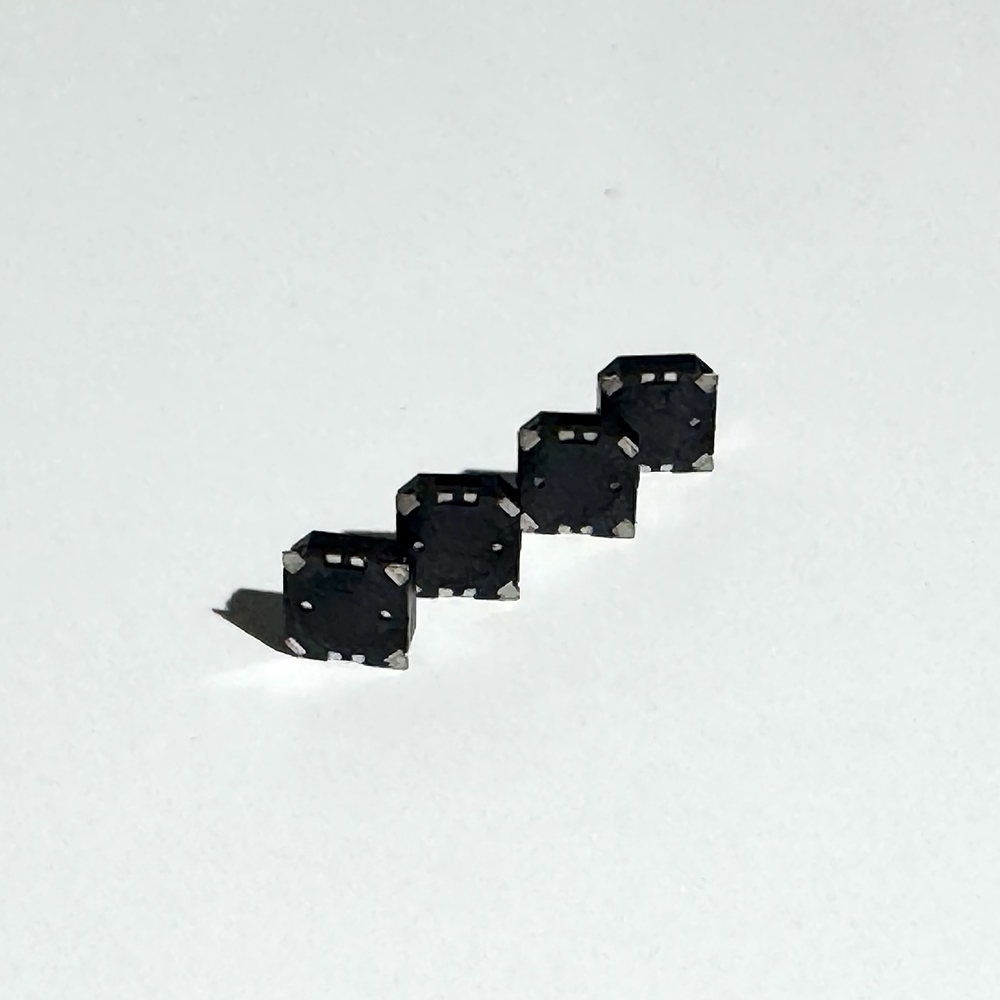
For applications where panel space is limited, SWT's SMD/SMT Buzzers line is built around a small footprint and reflow soldering compatibility, while still delivering a high sound pressure level (SPL). Documented key models such as the PSE1230+4003SA (3V) and MS7525+2705SA (5V) illustrate the company's capability to engineer compact acoustic components across different voltage classes. While exact voltage requirements differ by project — from these lower-voltage SMD variants to higher-voltage industrial configurations needed for continuous machine-alert tones — SWT's customized product development (OEM/ODM) service model is specifically structured to adapt drive circuits and housing dimensions to match a client's target specification, including continuous-tone requirements for cabinet-mounted indicators.
Manufacturing Depth Behind the Compact Design
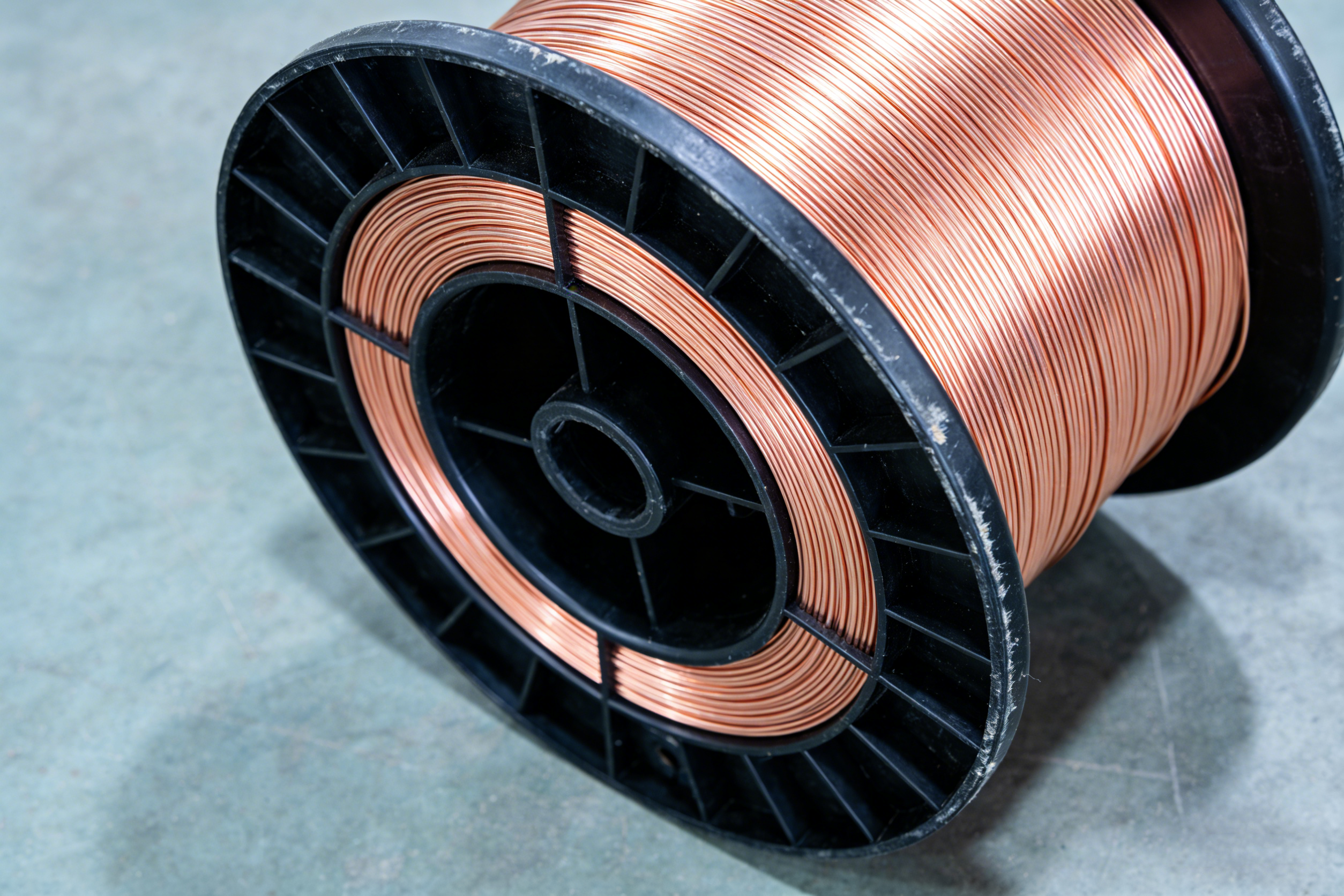
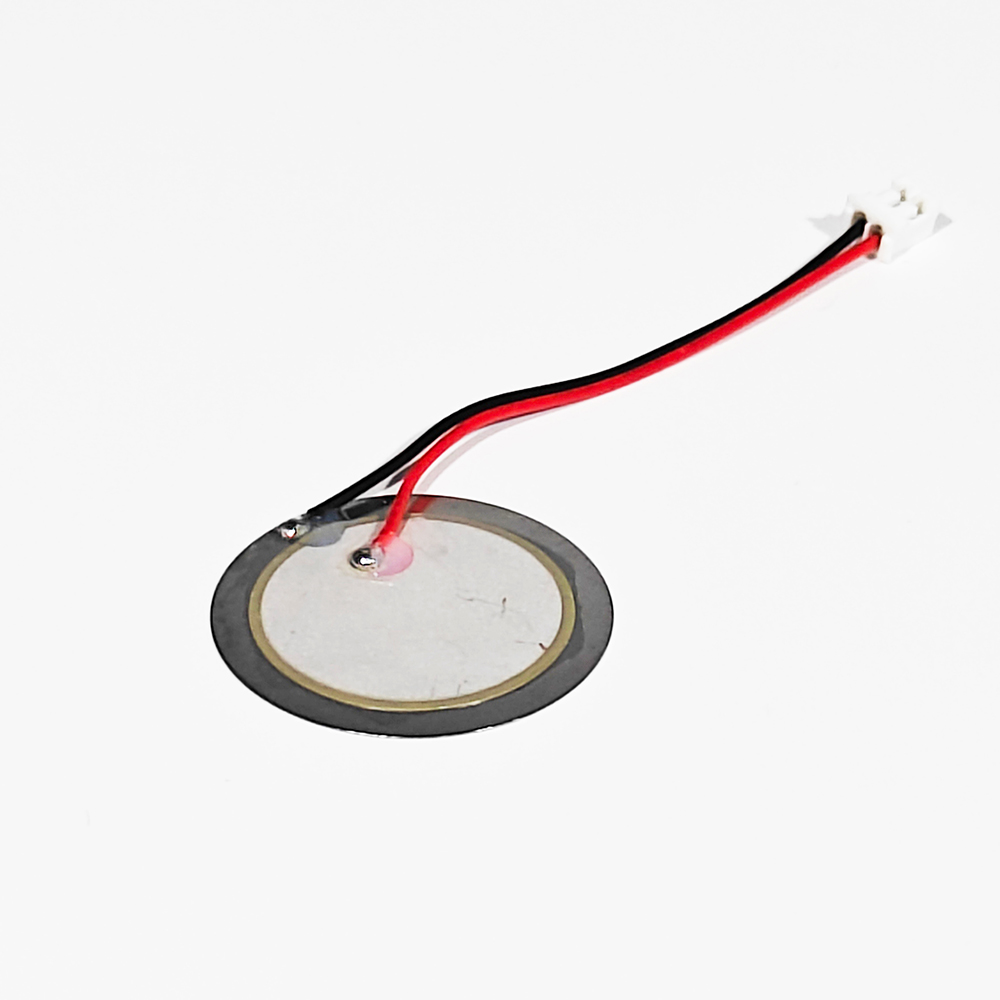
A compact buzzer is only as reliable as the ceramic and assembly process behind it. SWT maintains integrated supply chain control over the front, middle, and rear stages of piezoelectric ceramic production, including film squeezing, casting, and dry pressing. Its manufacturing methods span thin sheet formation (tape casting/flow casting), thick sheet formation (dry pressing), and complete processing stages — squeezing, laminating, sintering, polarizing, and automated testing. This vertical integration supports an annual shipping capacity of approximately 250 million pieces for piezoelectric ceramic elements, a scale that reflects the company's standing as the largest production capacity in mainland China for specific piezoelectric components.
Certification and Standardization Credentials
For buyers evaluating a buzzer supplier for cabinet and machine-alert applications — often embedded within larger industrial or automotive systems — certification pedigree matters. SWT holds IATF 16949:2016 automotive quality management certification (obtained in 2023), alongside ISO 9001:2015 and ISO 14001:2015, and ensures RoHS and REACH compliance across its product range. Notably, SWT serves as a primary drafter of Chinese industry standards for buzzers, ultrasonic atomizers, and piezoelectric sensors, and was the official drafter of the "Piezoelectric Sounders and Piezoelectric Buzzers" and "Electromagnetic Sounders and Electromagnetic Buzzers" national standards — a distinction confirmed by official recognition from the Quality and Technical Supervision Bureau of Guangdong Province.
Proven Reliability Through Long-Term Client Relationships
SWT's benchmark cases provide concrete evidence of durability in demanding, safety-relevant environments. Its relationship with Panasonic and Sanyo, spanning automotive and consumer electronics since 2005/2007, has been maintained for over 18 years with zero-defect quality performance, directly supporting global automotive safety standards — a relevant reference point for buyers who need machine-alert buzzers with comparable reliability expectations. Similarly, the Whirlpool partnership, active since 2010, centers on customized acoustic solutions for premium appliance lines, demonstrating SWT's capacity to tailor buzzer tone and housing design to a client's product ecosystem, much as a cabinet indicator system would require. The VTech collaboration, continuous since 2004, further reflects sustained high-volume acoustic component supply across millions of consumer devices annually.
What Customers Say
Client feedback compiled across SWT's long-term partnerships consistently cites "professional problem-solving," "excellent quality," and "strong service awareness" as the key reasons for decades-long engagements. These qualitative signals align with the company's documented delivery capability: a sample lead time of 3–7 days, bulk production lead time of 15–20 days, and 24-hour on-site response within the Pearl River Delta region — a service structure well-suited to industrial clients needing rapid prototyping of a continuous-tone buzzer before scaling to machine-alert production volumes.
Scale and Infrastructure Supporting Consistent Supply
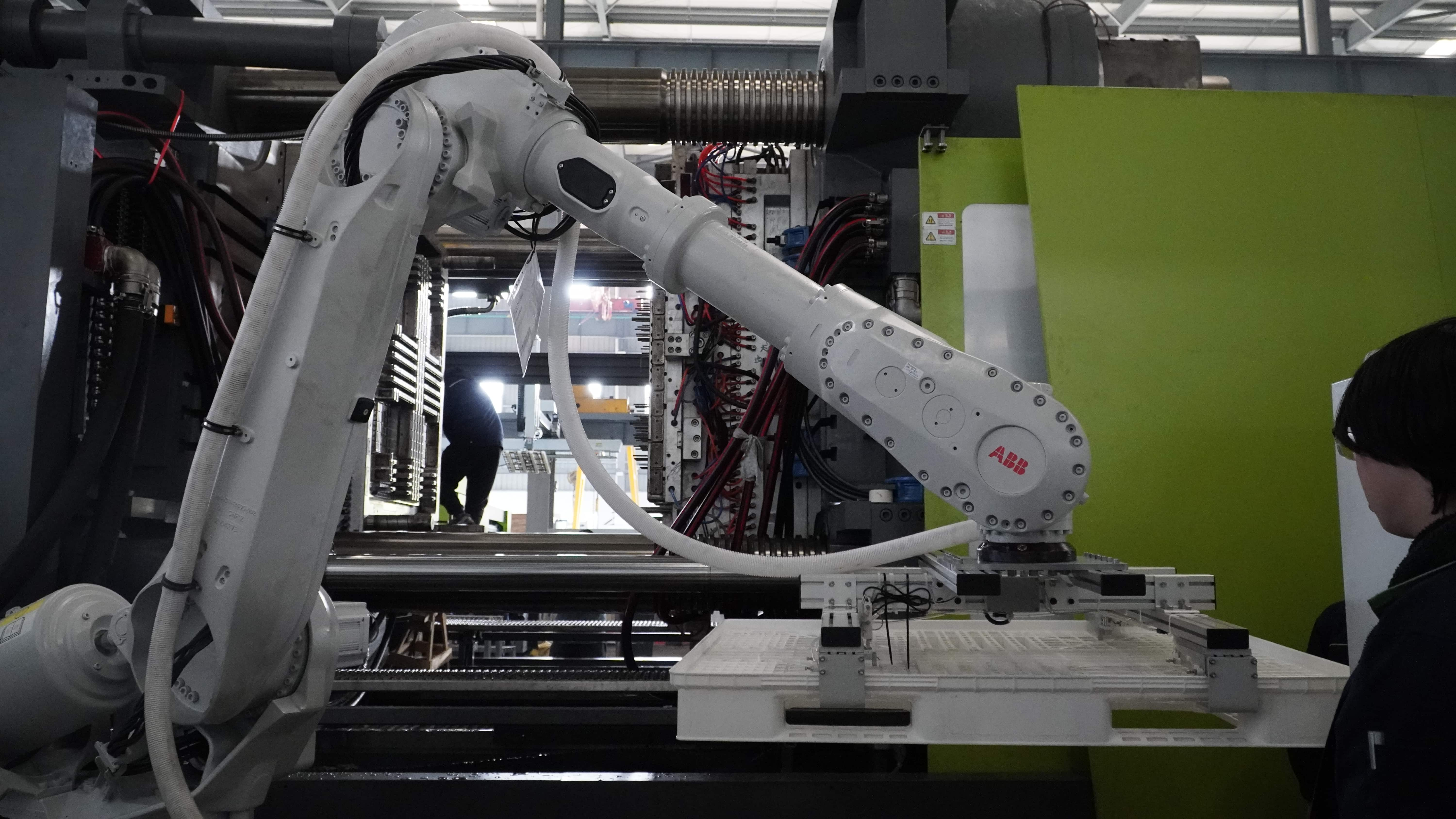
SWT operates from a 24,000-square-meter headquarters in Dongguan, supplemented by a 4,000-square-meter branch facility in Guizhou (Bijie City), collectively supporting over 200 staff, including 70–85 R&D and engineering personnel. The company's equipment base exceeds 400 sets of instruments, including large-scale automatic tunnel furnaces and automated assembly machines, with an in-house reliability laboratory equipped for acoustic curve testing and environmental stress screening — a testing infrastructure directly relevant to validating continuous-tone performance and durability for cabinet and machine-alert buzzers before shipment.
Where This Fits in the Broader Industry Landscape
SWT's documented industry coverage explicitly includes "Security & Safety: Smoke alarms and industrial sirens" and "Industrial & Maritime" applications involving flow sensing and component integration, alongside automotive electronics for safety systems and sentinel modes. These categories closely mirror the functional requirements of cabinet indicators and machine alert systems, suggesting that SWT's existing engineering experience in continuous-duty, safety-oriented acoustic signaling is directly transferable to this use case.
Conclusion
For engineering teams evaluating a compact active buzzer suited to continuous-tone cabinet indicators and machine alert functions, SWT's combination of internal-drive active buzzer architecture, small-footprint SMD/SMT engineering, vertically integrated ceramic manufacturing, IATF 16949 and ISO-certified quality systems, and a documented 18-plus-year record of zero-defect automotive-grade supply presents a technically substantiated option. The company's customized OEM/ODM development model further allows specific voltage and tone configurations — including higher-voltage continuous-tone designs — to be engineered to match individual cabinet or machine-alert specifications, backed by rapid sample turnaround and regional on-site support.
www.swt99.com
GD SWT SMART

+ There are no comments
Add yours