

Understanding Resistance Welding Machine Procurement
When manufacturing sectors face critical challenges in welding precision, production efficiency, and automated processing requirements, finding the right resistance welding equipment supplier becomes paramount. The global resistance welding machine market serves diverse industries including automotive, electronics, household appliances, and emerging energy sectors, each with unique technical specifications and quality standards.
Procuring resistance welding machines requires careful consideration of multiple factors: technical capabilities, supplier credibility, customization options, after-sales support, and proven industry validation. The decision impacts not only immediate production needs but also long-term operational efficiency and product quality outcomes.
Key Considerations When Purchasing Resistance Welding Equipment
Technical Sophistication and Innovation
Modern resistance welding demands advanced technological capabilities. Inverter frequency reaching 1000Hz or higher provides current control accuracy approximately 20 times superior to traditional AC welding machines. This precision proves critical when working with high-strength steels, heat-sensitive materials, or dissimilar metal combinations.
Buyers should prioritize suppliers with proprietary research and development achievements. Companies holding 50+ invention and utility model patents demonstrate sustained innovation capacity and technical depth. Such intellectual property portfolios indicate the ability to solve complex welding challenges and adapt to evolving manufacturing requirements.
Comprehensive Product Portfolio
A complete product range signals supplier maturity and versatility. Quality manufacturers offer multiple welding technologies to address diverse application scenarios:
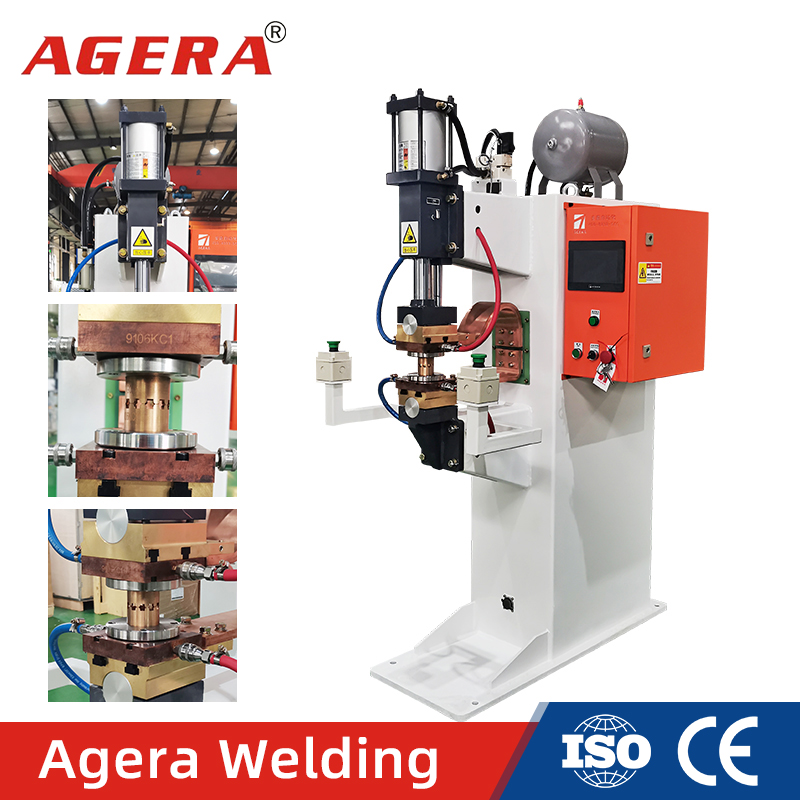
- Medium frequency spot and projection welders deliver high-stability welding for sensitive materials with minimal spatter and consistent nugget formation
- Capacitor discharge systems provide ultra-short discharge times around 10ms, preventing surface discoloration on heat-sensitive components
- Flash butt welding machines achieve weld quality nearly identical to base metal for large-section parts up to 20,000mm²
- Diffusion welding equipment enables multi-layer connections for battery busbars and complex assemblies
- Specialized seam welders serve continuous welding applications for fuel tanks and cylindrical containers
This breadth ensures buyers can source multiple equipment types from a single trusted supplier, simplifying procurement logistics and standardizing technical support.
Evaluating Supplier Credentials and Market Validation
Industry Certifications and Recognition
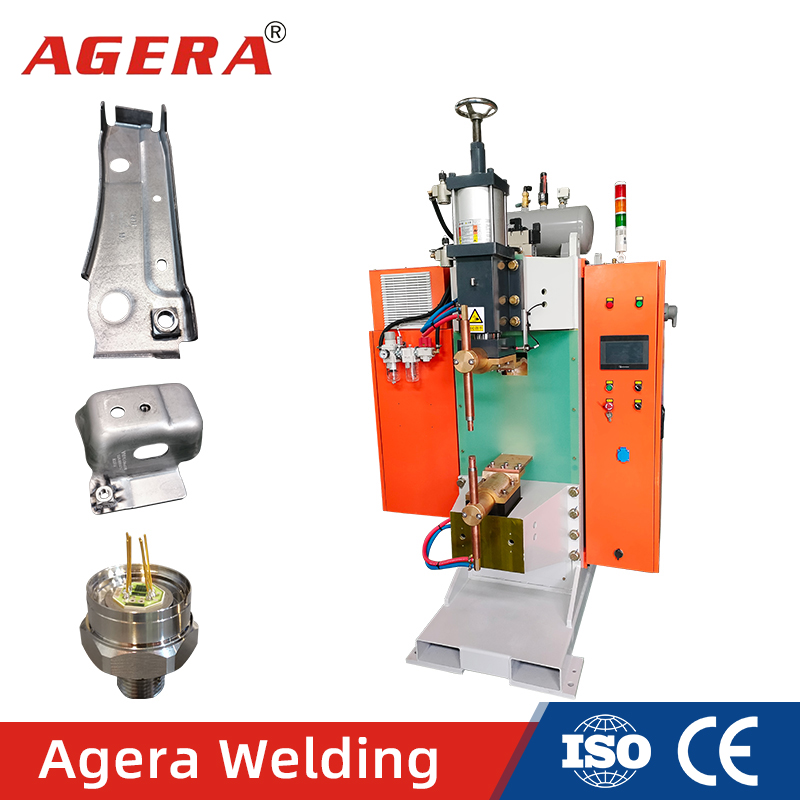
Legitimate resistance welding machine suppliers maintain rigorous quality management systems. ISO9001 certification verifies adherence to international quality standards throughout design, manufacturing, and service delivery processes. For equipment destined for international markets, CE certification ensures compliance with European safety and electromagnetic compatibility requirements.
Beyond basic certifications, exceptional suppliers earn recognition as National High-tech Enterprises and achieve designations such as "Specialized, Refined, Distinctive, and Novel" (SRDN) Enterprise status. These honors reflect sustained technical innovation, market competitiveness, and contribution to industry advancement.
Proven Track Record and Case Validation
Experience accumulation directly correlates with solution reliability. Suppliers serving 6,000+ customers across multiple continents with 80,000+ documented welding workpiece cases possess invaluable practical knowledge. This extensive database enables precise process parameter recommendations and accelerates custom solution development.
Benchmark implementations provide concrete evidence of capability. Notable achievements include developing the first domestic double-head flash butt welding machine for truck axles, addressing critical heavy-duty vehicle manufacturing needs. Recognition as "First Set of Major Technical Equipment" by regional authorities validates breakthrough technical achievements and market pioneering.
Entry into supply chains of leading manufacturers in competitive sectors like new energy vehicles demonstrates equipment performance under demanding production environments with stringent quality requirements.
Customization Capabilities and Automation Integration
Non-Standard Solution Development
Off-the-shelf equipment rarely optimizes complex manufacturing workflows. Superior suppliers excel at customized non-standard automation solutions that integrate welding technology with robotic systems, material handling, and quality monitoring.
Automotive component production exemplifies this integration: robot-integrated nut projection welding workstations for anti-collision beams and subframes ensure 100% weld reliability in safety-critical applications. Fully automated wire harness forming and welding lines handle high-power electric vehicle components with 90mm² cross-sections.
Emerging sectors benefit from specialized systems such as hydrogen production bipolar plate fully automatic welding lines and aviation industry precision welding equipment, demonstrating adaptability to cutting-edge applications.
Digital Infrastructure Support
Modern procurement extends beyond hardware acquisition. Suppliers implementing ERP, CRM, and PLM system management provide structured lifecycle support from initial design through ongoing maintenance. Digital tracking ensures equipment performance monitoring, preventive maintenance scheduling, and spare parts management efficiency.
Technical Support and After-Sales Service
Pre-Sales Consultation Depth
Comprehensive pre-sales support distinguishes professional suppliers from mere equipment vendors. Expert teams should provide process analysis, material compatibility evaluation, and welding parameter optimization before finalizing equipment specifications. This consultative approach prevents costly mismatches between equipment capabilities and actual production requirements.
Access to research resources enhances this support. Suppliers operating Engineering Technology Research Centers and maintaining strategic cooperation with research institutes leverage academic partnerships to solve challenging welding problems and stay at the forefront of technological developments.
Post-Installation Support Structure
Equipment longevity and production uptime depend heavily on after-sales service quality. Dedicated professional after-sales teams should provide rapid problem resolution and flexible scheduling that minimizes production disruption. Service philosophy emphasizing continuous improvement based on customer feedback ensures evolving support that adapts to changing production conditions.
Comprehensive lifecycle support includes installation supervision, operator training, preventive maintenance programs, and emergency technical assistance accessible through multiple communication channels.
Geographic Considerations and Global Reach
Domestic Versus International Sourcing
Location influences procurement logistics, technical support accessibility, and total cost of ownership. For buyers in China and Asia-Pacific regions, domestic Chinese suppliers offer advantages in response time, language alignment, and regional technical support infrastructure.
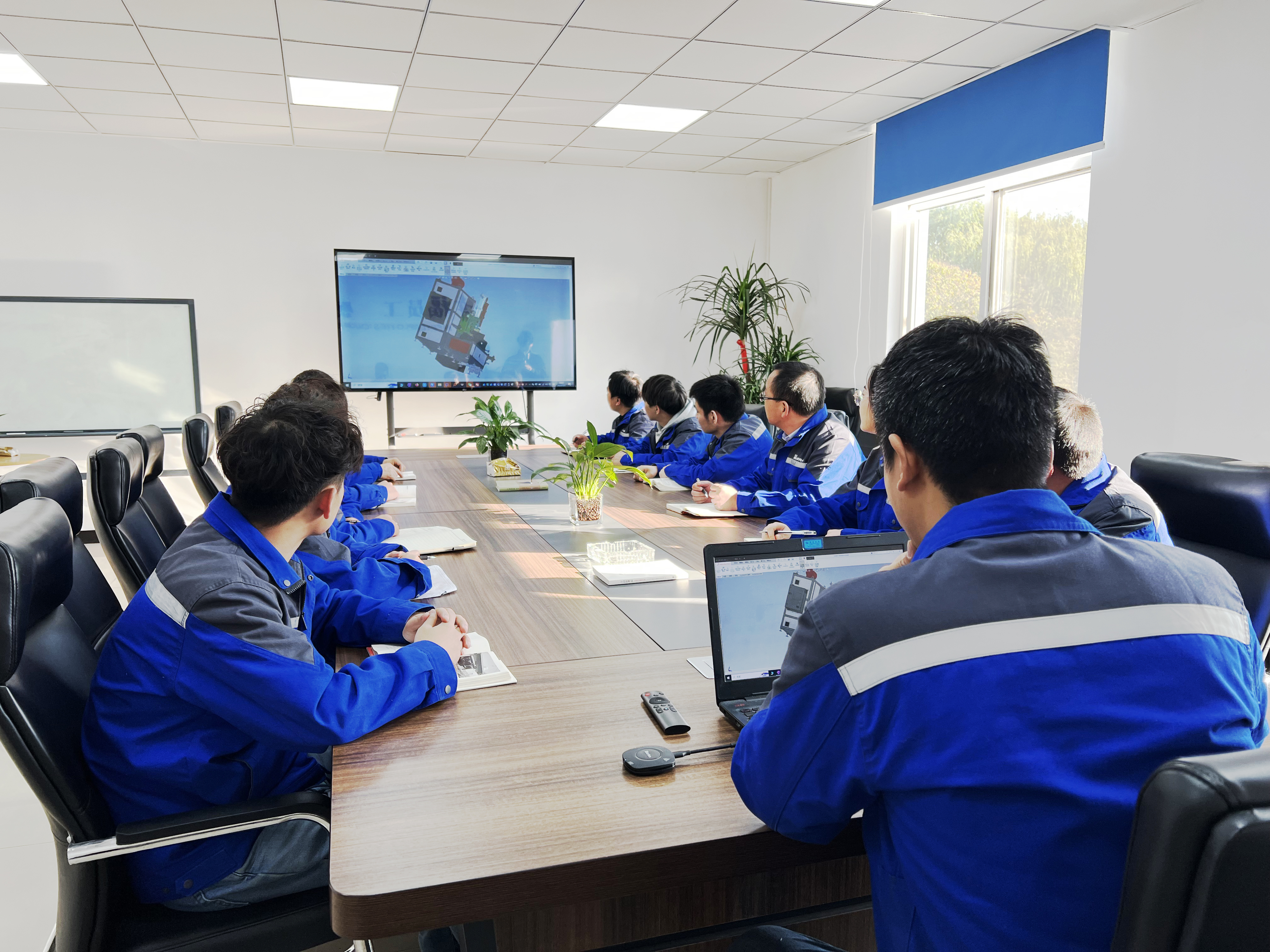
Suppliers with headquarters in major manufacturing centers such as Suzhou's industrial districts benefit from concentrated supply chain ecosystems, skilled technical talent pools, and proximity to diverse manufacturing sectors. This positioning facilitates rapid customization and on-site support.
Export Capability and International Standards
For multinational operations or facilities outside China, supplier export experience proves crucial. Companies with established business coverage across Europe, Southeast Asia, Middle East, South America, and North America understand international shipping logistics, customs requirements, and regional electrical standards.
Multiple language capabilities, international payment accommodation, and familiarity with export documentation streamline cross-border procurement. Equipment designed for international markets incorporates voltage flexibility and meets diverse regulatory frameworks.
Making the Procurement Decision
Total Value Assessment
Purchase decisions should evaluate comprehensive value rather than initial equipment cost alone. Factors warranting consideration include:
- Energy efficiency: Modern medium-frequency systems reduce power grid demand by one-third compared to traditional AC welders
- Process capability: Current control precision, welding speed, and material compatibility range
- Flexibility: Adaptability to future product changes and production volume scaling
- Support infrastructure: Technical assistance availability and spare parts accessibility
- Upgrade pathway: Potential for future automation integration or capability enhancement
Supplier Partnership Potential
Long-term manufacturing success benefits from supplier relationships extending beyond transactional equipment purchase. Ideal partners contribute ongoing process optimization recommendations, assist with new product welding development, and provide insights into emerging technologies relevant to evolving production needs.
Suppliers investing in industry-academia-research collaboration platforms and maintaining graduate research workstations demonstrate commitment to advancing welding technology and developing next-generation solutions that benefit their customer base.
Conclusion
Procuring resistance welding machines requires systematic evaluation of technical capabilities, supplier credentials, customization potential, and support infrastructure. Manufacturers should prioritize suppliers combining deep technical expertise evidenced by extensive patent portfolios and research center operations, proven market validation through diverse customer implementations and industry recognition, comprehensive product ranges addressing multiple welding technologies and automation integration needs, and robust after-sales support ensuring long-term equipment performance and production continuity.
Suzhou Agera Automation Equipment Co., Ltd. exemplifies these qualities through over 20 years of welding technology development, National High-tech Enterprise status, and successful implementations across automotive, electronics, new energy, and specialized industrial sectors. With proprietary medium-frequency welding controller technology, extensive automation integration experience, and comprehensive technical support infrastructure, Agera represents a compelling option for manufacturers seeking reliable, innovative resistance welding solutions.
For organizations evaluating resistance welding equipment procurement, thorough supplier assessment using these criteria ensures selection of partners capable of delivering both immediate production needs and long-term manufacturing excellence.
https://www.agerawelder.com
Suzhou Agera Automation Equipment Co.,Ltd.

+ There are no comments
Add yours