

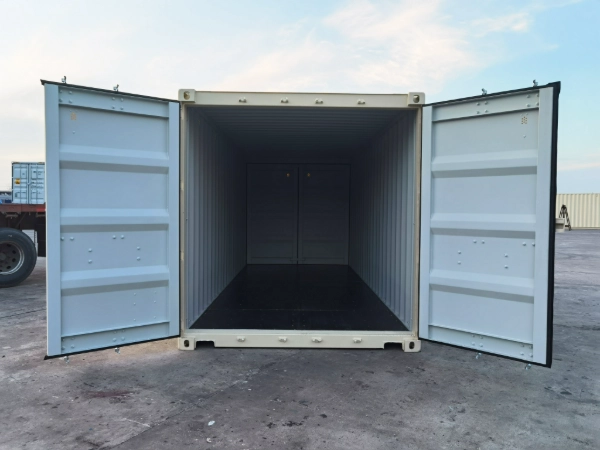
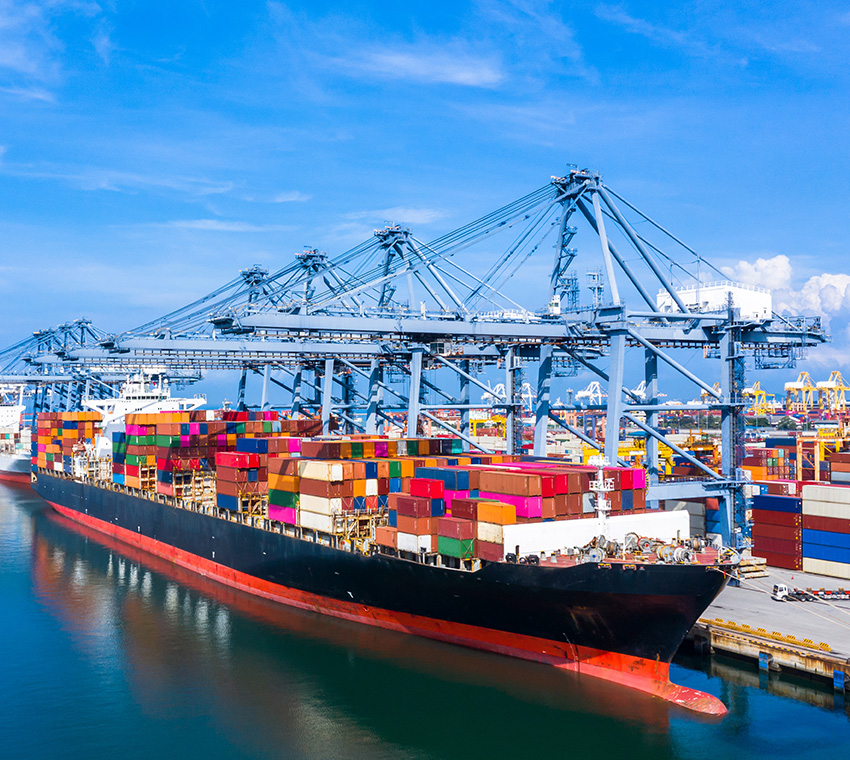
In global logistics, standardization is not simply a matter of convenience—it is the structural foundation that enables goods to move efficiently across countries, transport systems, and complex supply chains. Among all container formats used today, the 20ft dry container remains the most widely adopted solution for international shipping, storage, and industrial operations.
Its widespread use is not accidental. It is the result of decades of optimization in structural engineering, handling efficiency, and global interoperability. To understand why this container format continues to dominate the logistics industry, it is important to evaluate its performance in real-world applications and compare it with other container sizes.
A key industry benchmark is the 20ft Dry Shipping Container, which serves as the baseline specification for most global freight and storage operations.
The Importance of Standardization in Global Logistics
One of the main reasons the 20ft container became the industry standard is its compliance with ISO container regulations. These international standards ensure that containers manufactured in different countries can be seamlessly stacked, transported, and handled using universal equipment.
This standardization allows logistics operators to:
-
Optimize cargo vessel loading efficiency
-
Reduce port handling time and operational delays
-
Ensure compatibility with rail and road transport systems
Minimize errors across global supply chain operations
Without such uniform standards, international trade would face significantly higher costs and inefficiencies.
In this system, the 20ft dry container functions as a universal “unit of measurement” for cargo capacity in global logistics.
Why the 20ft Container Offers the Ideal Balance
The continued dominance of the 20ft container is largely due to its optimal balance between capacity and flexibility. It provides sufficient internal volume for commercial cargo while remaining compact enough for easy transport and handling.
From an operational perspective, this balance offers several advantages:
-
Easy transportation by standard trucks without special permits in many regions
-
Compatibility with rail wagons and container ships
-
Convenient handling in congested ports and warehouses
-
Efficient repositioning in logistics networks
This flexibility makes it especially valuable for industries with variable shipping volumes or multi-destination delivery requirements.
Structural Strength and Long-Term Durability
The 20ft container is engineered for long-term durability under extreme operational conditions. Constructed from high-strength corrugated steel, it is designed to withstand:
-
Heavy stacking loads in shipping terminals
-
Long-distance ocean transportation
-
Corrosive marine environments
-
Repeated lifting and handling cycles
Beyond shipping, its structural strength also supports secondary applications such as:
-
Static storage units
-
Modular construction systems
-
Temporary industrial facilities
-
Mobile workshops and equipment housing
When properly maintained, a 20ft dry container can deliver reliable service for many years, even under demanding usage conditions.
Operational Efficiency in Cargo Handling
In modern logistics, efficiency in loading and unloading is critical. The 20ft container provides excellent performance for dense and heavy cargo types due to its optimized internal dimensions.
It is commonly used for:
-
Heavy machinery and industrial equipment
-
Raw materials such as steel, minerals, and construction inputs
-
Palletized goods requiring stable stacking
-
Mixed cargo shipments with flexible space utilization
Its size also enables smooth operation with forklifts and cranes, significantly reducing turnaround time at ports and distribution centers.
Cost Efficiency Across the Supply Chain
From a financial perspective, the 20ft container provides consistent cost advantages throughout the logistics chain.
Key benefits include:
-
Efficient transport cost per unit of cargo
-
Lower repositioning costs for empty containers
-
Standardized maintenance and repair processes
-
High utilization rates in storage and shipping operations
These factors contribute to predictable logistics planning and improved cost control for global supply chain operators.
Versatility Across Multiple Industries
One of the strongest advantages of the 20ft container is its adaptability beyond maritime transport. It is widely used across multiple industries, including:
-
Construction: site storage and modular office units
-
Manufacturing: raw material and finished goods storage
-
Agriculture: seasonal storage solutions
-
Energy and mining: remote site equipment housing
-
Retail: pop-up stores and temporary structures
This multi-industry adaptability ensures stable global demand across different economic sectors.
Why Other Container Sizes Do Not Replace It
Although alternative container sizes such as 10ft, 40ft, and high-cube containers serve specific applications, they cannot fully replace the 20ft format.
Smaller containers often lack efficiency in volume-to-cost ratio, while larger containers may face limitations in road transport, port infrastructure, and inland logistics compatibility.
As a result, the 20ft container remains the most practical “middle-ground” solution for global logistics systems.
Sustainability and Lifecycle Efficiency
Sustainability is becoming increasingly important in global supply chains. The 20ft container supports environmental goals through its long lifecycle and recyclability.
Steel containers can be:
-
Repaired and reused multiple times
-
Repurposed for alternative industrial applications
-
Fully recycled at end-of-life stage
This reduces material waste and supports circular economy practices in logistics and construction industries.
Future Outlook
Despite advancements in automation and smart logistics technologies, the 20ft dry container is expected to maintain its dominant position due to its deep integration into global infrastructure.
Future improvements may include:
-
Enhanced corrosion-resistant coatings
-
IoT-based smart tracking systems
-
Lightweight high-strength materials
-
Modular design innovations for specialized industries
These developments will further enhance its efficiency without changing its core role in global logistics.
Conclusion
The 20ft dry container remains the cornerstone of global shipping because it achieves a rare balance between standardization, durability, operational efficiency, and versatility.
Whether used in international freight, industrial storage, or modular construction projects, the consistent performance of the 20ft Dry Shipping Container ensures its continued importance in global supply chains.
As logistics systems evolve, its role may be enhanced by new technologies, but its foundational position in global trade is expected to remain unchanged for the foreseeable future.
www.beavercontainer.com
GBC


+ There are no comments
Add yours