

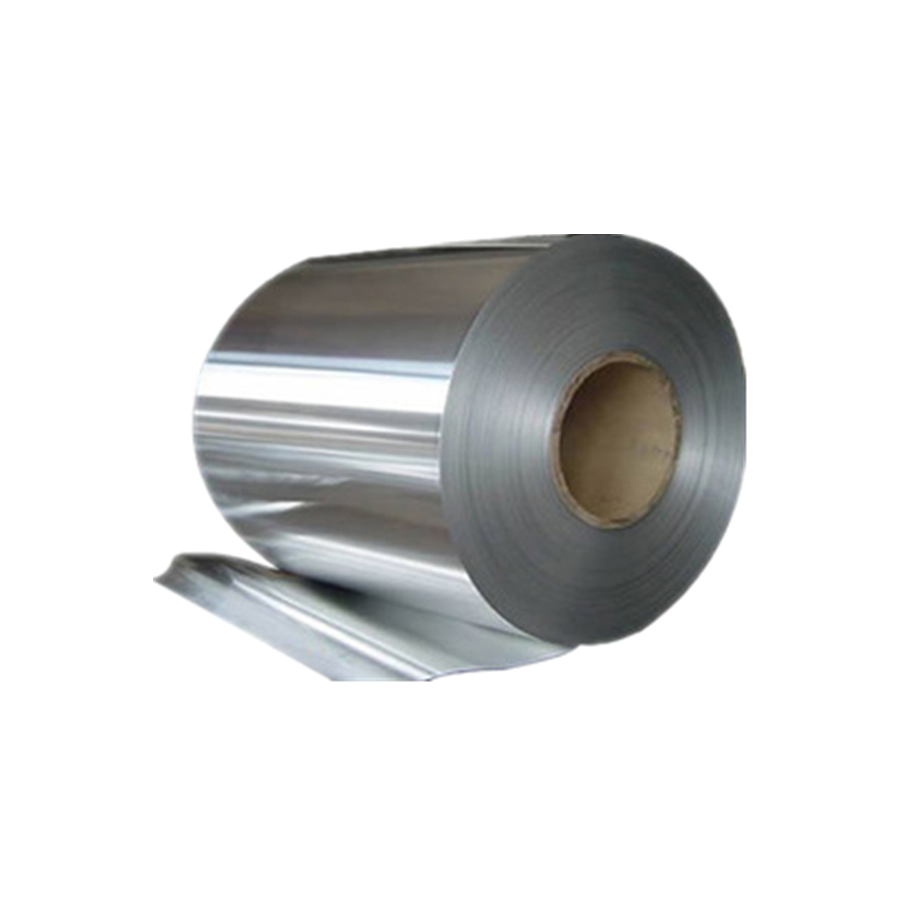
When it comes to industrial manufacturing, choosing the right material is about much more than cost. Manufacturers must consider strength, corrosion resistance, workability, appearance, and long-term performance. Among the many stainless steel grades available today, 201 stainless steel coil continues to be one of the most widely used options for applications that require a practical balance between performance and affordability.
From architectural projects and household appliances to industrial fabrication and transportation equipment, 201 stainless steel coil has become a dependable material for manufacturers around the world.
What Is 201 Stainless Steel Coil?
201 stainless steel belongs to the 200-series family of stainless steels. Unlike grades such as 304 and 316, which contain higher amounts of nickel, 201 stainless steel uses manganese and nitrogen as partial substitutes for nickel.
This unique composition helps reduce material costs while still providing good mechanical properties and reasonable corrosion resistance for many everyday applications.
As a result, 201 stainless steel is often selected for projects where extreme corrosion resistance is not required, but durability and manufacturing flexibility remain important.
Why Manufacturers Continue to Choose 201 Stainless Steel
The popularity of 201 stainless steel coil is largely driven by its versatility.
It offers several advantages that make it attractive across multiple industries:
-
Good mechanical strength
-
Excellent formability
-
Attractive surface appearance
-
Reliable processing performance
-
Competitive material cost
-
Wide availability in global markets
These characteristics make it suitable for both functional and decorative applications.
Strong Mechanical Performance for Everyday Industrial Use
One of the key strengths of 201 stainless steel is its relatively high tensile strength.
The increased manganese content contributes to improved hardness and structural rigidity, allowing manufacturers to produce durable components while controlling material costs.
This makes 201 stainless steel suitable for applications such as:
-
Structural supports
-
Decorative frameworks
-
Appliance housings
-
Furniture components
-
Tubing systems
In many cases, manufacturers can achieve the required strength while using thinner material sections, improving overall production efficiency.
Good Formability Supports Efficient Manufacturing
Manufacturing efficiency often depends on how easily a material can be processed.
201 stainless steel coil performs well in common fabrication operations such as:
-
Bending
-
Rolling
-
Stamping
-
Forming
-
Welding
-
Cutting
Its ability to adapt to automated production environments makes it particularly attractive for high-volume manufacturing operations.
Industries that rely on large-scale production appreciate the consistency and reliability that 201 stainless steel provides during processing.
Corrosion Resistance for Controlled Environments
Although 201 stainless steel does not provide the same level of corrosion resistance as 304 or 316 stainless steel, it performs well in many indoor and moderately corrosive environments.
Common applications include:
-
Interior architectural systems
-
Decorative panels
-
Furniture manufacturing
-
Commercial equipment
-
Indoor structural components
When combined with appropriate surface finishes and maintenance practices, 201 stainless steel can offer a long service life while maintaining an attractive appearance.
For projects located in controlled environments, it often represents a highly cost-effective solution.
Surface Finish Options Enhance Design Flexibility
Modern manufacturing often requires materials that deliver both performance and aesthetics.
One of the advantages of 201 stainless steel coil is its compatibility with various surface finishes, including:
2B Finish
A standard industrial finish suitable for general manufacturing applications.
BA (Bright Annealed) Finish
Provides a smooth, reflective appearance often used in decorative products.
No.4 Brushed Finish
Popular for architectural elements, elevators, and commercial equipment.
Hairline Finish
Offers a modern, sophisticated appearance for interior design applications.
This range of finishing options allows designers and manufacturers to meet both functional and visual requirements without changing material grades.
Cost Efficiency Without Sacrificing Reliability
Cost management remains a major consideration for manufacturers worldwide.
Because 201 stainless steel contains less nickel than higher-grade alternatives, it typically offers a lower overall material cost while still delivering reliable performance in suitable applications.
This provides several business advantages:
-
Lower production costs
-
Improved profit margins
-
Greater pricing flexibility
-
Reduced material procurement expenses
For industries operating in highly competitive markets, these benefits can have a significant impact on long-term profitability.
Compliance with Global Manufacturing Standards
Today's industrial projects often involve international supply chains and global quality requirements.
201 stainless steel coil is commonly produced in accordance with major international standards, including:
-
ASME
-
EN
-
DIN
-
ISO
-
GB
-
GOST
Compliance with these standards ensures:
-
Consistent quality
-
Reliable mechanical properties
-
Dimensional accuracy
-
Compatibility with global manufacturing systems
This standardization helps manufacturers maintain quality control across projects and markets.
Applications Across Multiple Industries
Thanks to its versatility, 201 stainless steel coil is used in a wide variety of industries.
Construction and Architecture
Used for decorative panels, handrails, frames, and interior structures.
Home Appliances
Commonly found in appliance housings, kitchen equipment, and decorative trim.
Furniture Manufacturing
Used for tubing, frames, and modern furniture designs.
Transportation Equipment
Applied in vehicle interiors and non-critical structural components.
General Industrial Fabrication
Suitable for enclosures, supports, and fabricated metal products.
Its broad application range continues to support strong global demand.
Looking Ahead
As manufacturers seek materials that offer a balance between performance and cost, 201 stainless steel coil remains highly relevant.
While premium stainless steel grades are essential for highly corrosive environments, many industrial and commercial applications do not require that level of protection. In these situations, 201 stainless steel provides a practical alternative that delivers reliable performance while helping manufacturers control costs.
With ongoing advancements in processing technology and surface treatment methods, the versatility of 201 stainless steel is likely to remain an important asset for years to come.
Final Thoughts
201 stainless steel coil has earned its place as one of the most widely used materials in modern manufacturing. Its combination of strength, formability, attractive finishes, and cost efficiency makes it suitable for a broad range of industrial and commercial applications.
For manufacturers looking to balance performance with budget considerations, 201 stainless steel coil continues to offer a dependable solution that supports productivity, quality, and long-term value.
This version is optimized for blog readers, industry forums, B2B websites, and SEO-focused content while sounding more natural and engaging than a technical product description.
www.chuanghealloy.com
Chuanghe Special Alloy

+ There are no comments
Add yours