
Industry Background: The Hidden Cost of Surface Failure in Demanding Environments
Across construction, healthcare, hospitality, and industrial design, surfacing materials are routinely exposed to conditions far beyond ordinary wear. Restroom partitions face constant moisture that leads to warping. Hospital wall cladding must resist bacterial transmission under repeated chemical disinfection. Building facades endure UV-induced fading over years of exposure. Laboratory and pharmaceutical environments demand surfaces that can withstand acids, alkalis, and solvents without degrading. Meanwhile, high-end furniture surfaces accumulate fingerprints and smudges, driving up cleaning and maintenance costs for owners and facility managers alike.
These are not isolated concerns—they represent a recurring pattern of pain points that architects, contractors, and procurement teams encounter when specifying High-Pressure Laminate (HPL) and Compact Laminate products. Addressing them requires more than generic material selection; it requires manufacturers with proven technical depth and a track record across varied climates and use cases. Changzhou Panels New Materials Co., Ltd., founded in 1998 and headquartered in Changzhou, China (Henglin Town), has built its business around solving exactly these challenges. Operating under the brand name Panels, the company exports to more than 20 countries, including the United States, Europe, Southeast Asia (Singapore, Thailand, Malaysia, Vietnam), and the Middle East, positioning itself as a specialized manufacturer of HPL and Compact Laminate solutions.
Authoritative Analysis: Engineering Principles Behind Durable, Chemical-Resistant Surfacing
The necessity for chemical-resistant and high-durability laminate stems from the real operational risks described above: chemical corrosion in laboratories, bacterial growth in hospitals, UV degradation on exteriors, and moisture-driven warping in wet areas. Solving these issues at the material level, rather than through frequent replacement, is the more sustainable path for facility owners.
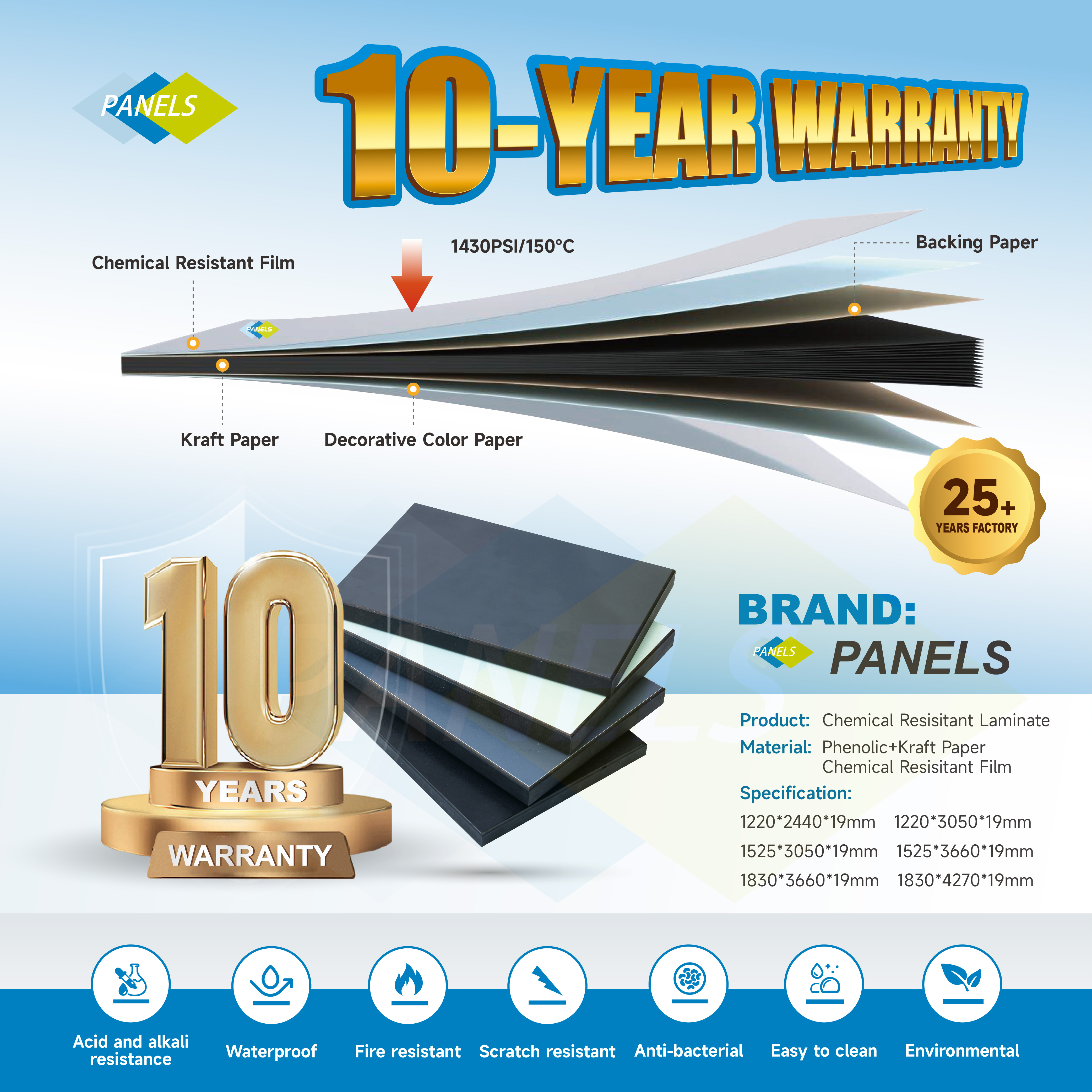
The core technical principle behind Panels' laminate solutions is high-pressure phenolic resin impregnation of kraft paper, which creates high-density composite structures. This construction method directly addresses impact resistance and moisture ingress, since the high-density phenolic structure prevents edge chipping and surface cracking, making it suitable for restroom partitions and locker rooms where warping and mold growth are common failure points.
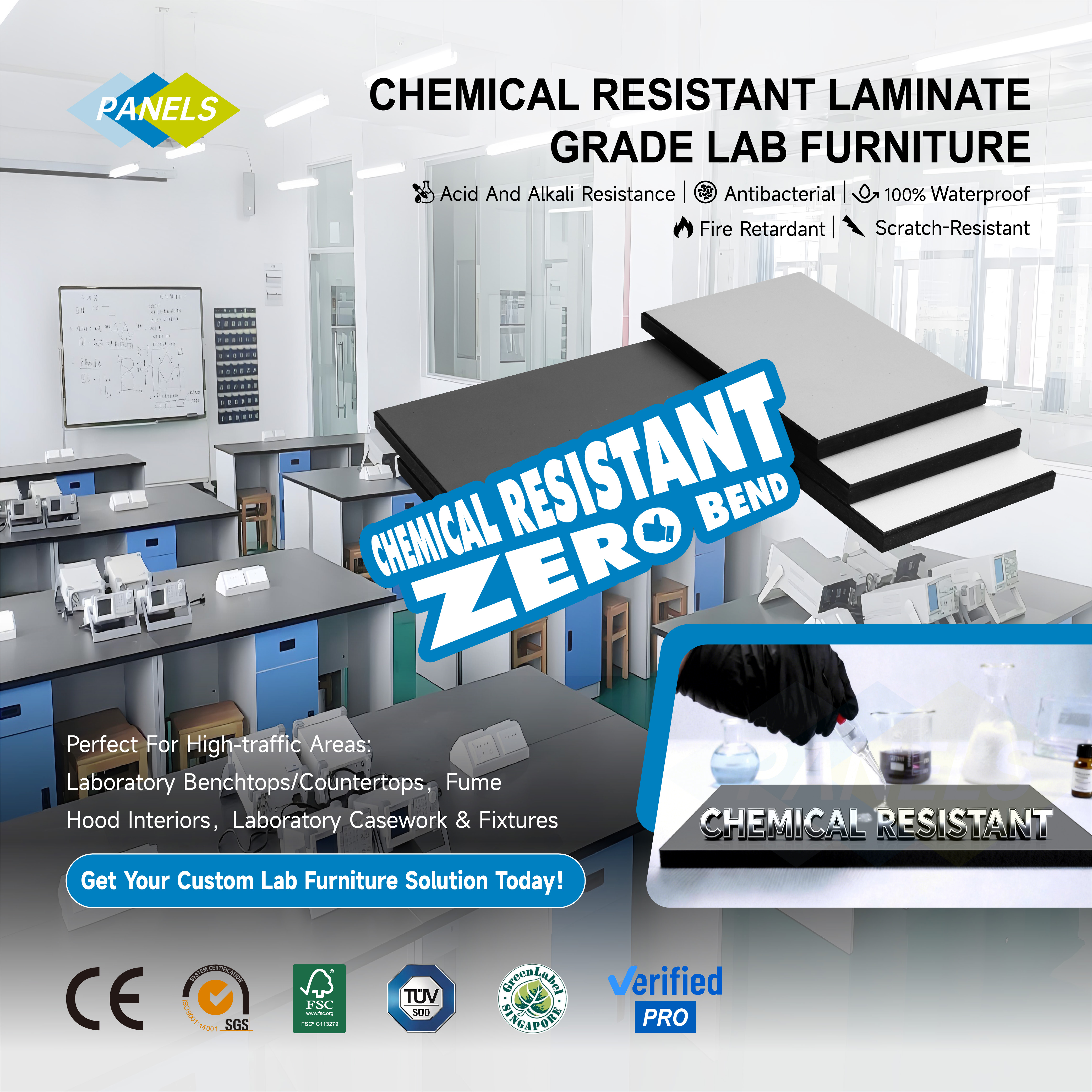
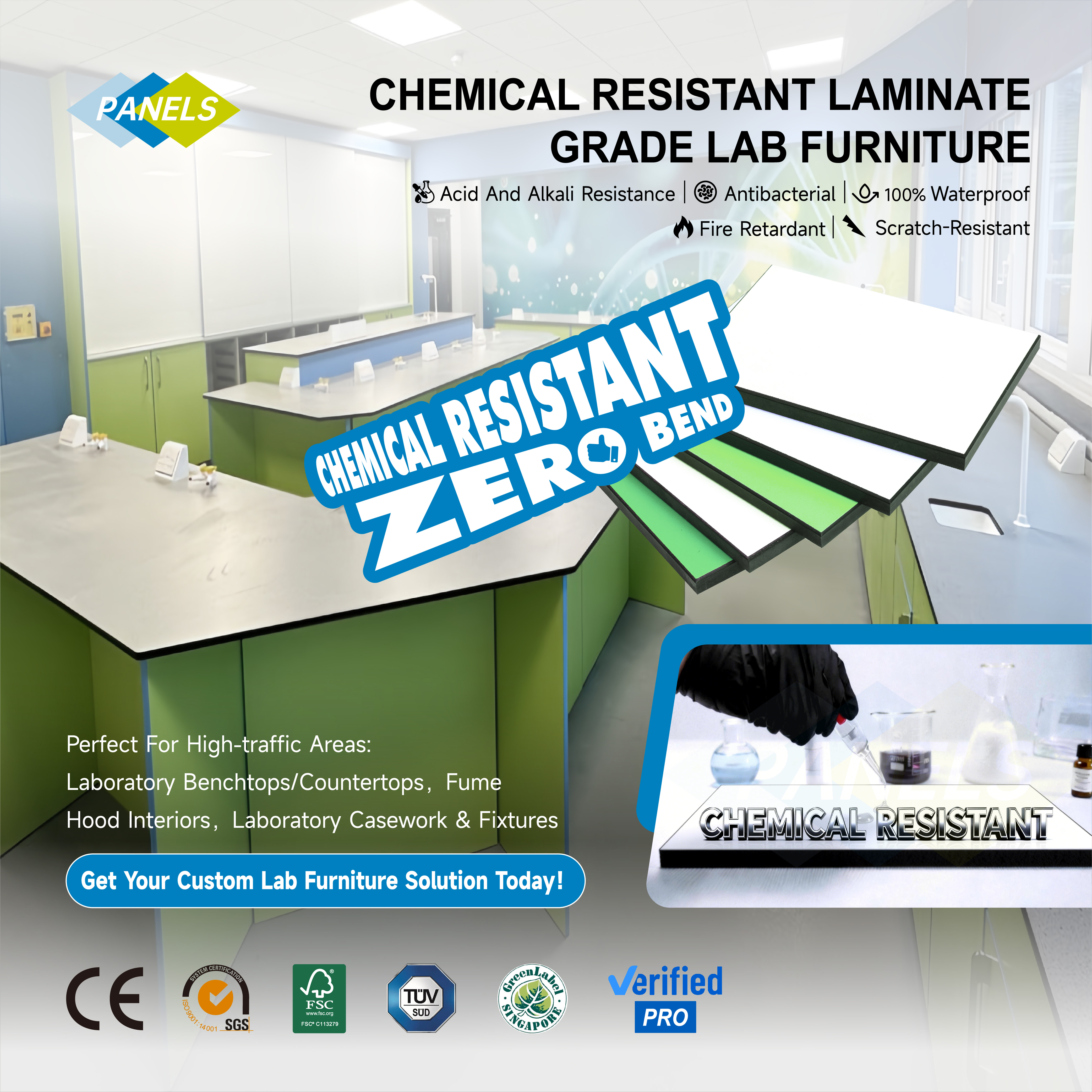
Within the Specialty Performance Boards line, tailored resin formulations are engineered for extreme environments. Chemical resistance is achieved through lab-grade surface protection that resists acids, alkalis, and solvents—directly relevant to pharmaceutical and laboratory settings. UV stability is built into the exterior-grade product line to prevent facade fading and degradation in tropical or high-exposure climates. An anti-bacterial surface treatment provides a hygienic coating designed to inhibit microbial growth in hospital wall cladding.
For surface-level maintenance concerns such as fingerprints and smudges, Panels applies Electron Beam Curing (EBC) technology—described as the only such technology used by a manufacturer in China for high-performance anti-fingerprint surfaces. This creates a super-matte finish with thermal healing properties and a soft-touch feel, reducing the need for constant cleaning on furniture and interior surfaces.
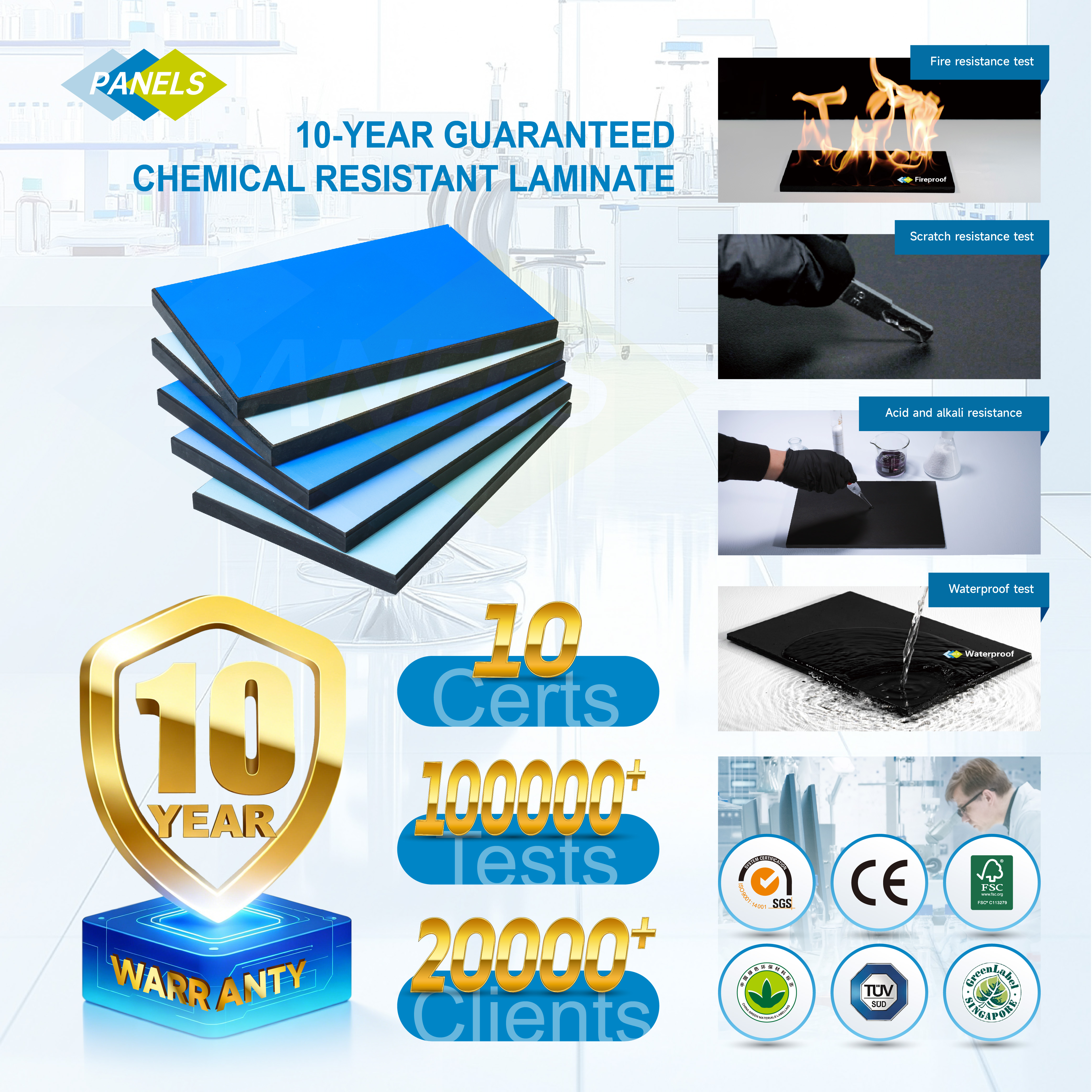
Standard reference points for these technical claims include ISO 9001 Quality Management System Certification, CE Certification, FSC Certification, Green Label Certification, and Class B1 Fire Rating Certifications. These frameworks provide independent benchmarks against which the material's fire safety, environmental sourcing, and quality management can be evaluated. Panels' products span a thickness range of 2mm to 30mm, covering high-density panel applications from furniture to structural cladding, with Class B1 fire ratings supporting compliance requirements for high-rise buildings.
Deep Insights: Trends Shaping the Chemical-Resistant Laminate Market
Several structural trends are visible in how demanding environments are addressing laminate specification. First, surface treatment technology is advancing beyond basic decorative finishes toward functional performance—EBC curing technology exemplifies this shift by directly tackling maintenance-driven costs rather than only aesthetic appeal. Second, certification and compliance are becoming baseline expectations rather than differentiators; ISO 9001, CE, FSC, and fire rating certifications signal that quality management and safety compliance are now table-stakes for exporters serving international markets.
Third, global export patterns reveal that laminate specifications must adapt to widely varying climates. Case examples illustrate this range: a Shanghai Hongqiao Airport medical area required durable, easy-to-clean, hygienic wall cladding capable of withstanding constant chemical disinfection, resulting in Panels' Hygienic Wall Panel System delivering a surface described as meeting medical-grade sanitation requirements. A Dubai hotel exterior project, situated in a high-UV desert climate, required facade cladding resistant to extreme heat and UV radiation, and was addressed through Panels' UV-Resistant Exterior HPL Facade System, which maintained color stability and structural integrity in temperatures exceeding 50°C. In the corporate and technology sector, global brand supply relationships with DJI and Samsung reflect long-term reliance on custom HPL and Compact Laminate solutions supported by a 98% on-time delivery record.
These cases point to a broader risk that facility owners and specifiers should note: surfacing failures are often environment-specific, meaning a material validated for one climate or use case cannot be assumed to perform identically elsewhere without matching resin formulation and certification to the actual operating conditions.
Company Value: Technical Depth Behind Panels' Market Position
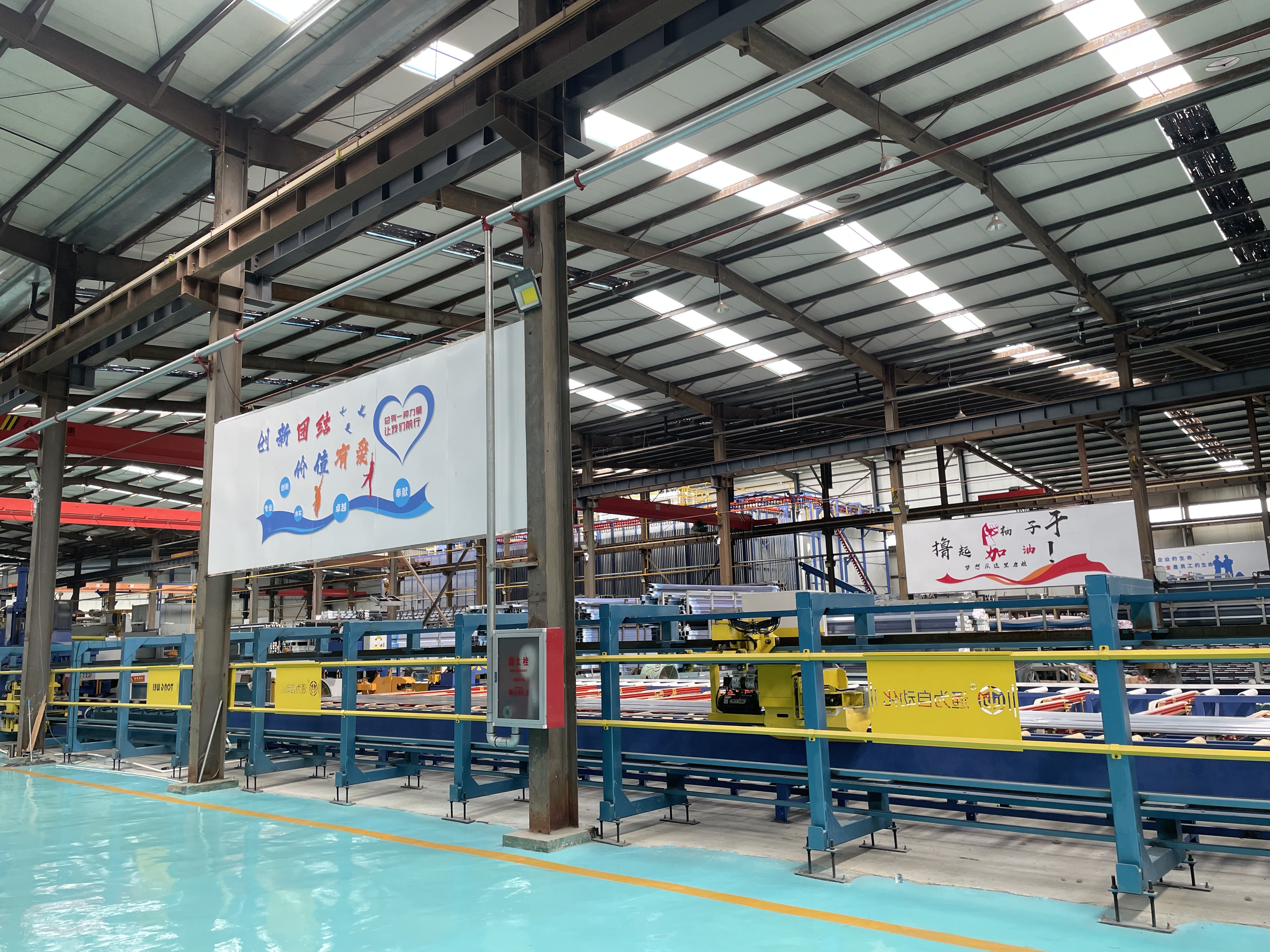
Panels' contribution to this space rests on three decades of manufacturing since 1998, rooted in the traditional craftsmanship associated with Henglin, known as the "Hometown of Chinese Flooring," combined with ongoing research and development synced with global design trends. The company operates a production facility exceeding 60,000 square meters, equipped with 12+ automated production lines and a daily output capacity of 15,000 sheets, supporting both scale and customization.
Operational reliability is reflected in a 98% on-time delivery record maintained since 2015, and the company has completed more than 50,000 projects globally, expanding its export footprint to more than 20 countries. Its factory-direct pricing model eliminates intermediary markups, typically resulting in 15% project budget savings for clients, while customization of bespoke patterns and textures is delivered within 15 days. Recognition as one of "China's Top Ten Green Building Materials Brands," alongside its certification portfolio, positions the company's technical documentation and product specifications as a reference point for procurement teams evaluating chemical-resistant and fire-rated laminate options.
Conclusion and Recommendations for Industry Decision-Makers
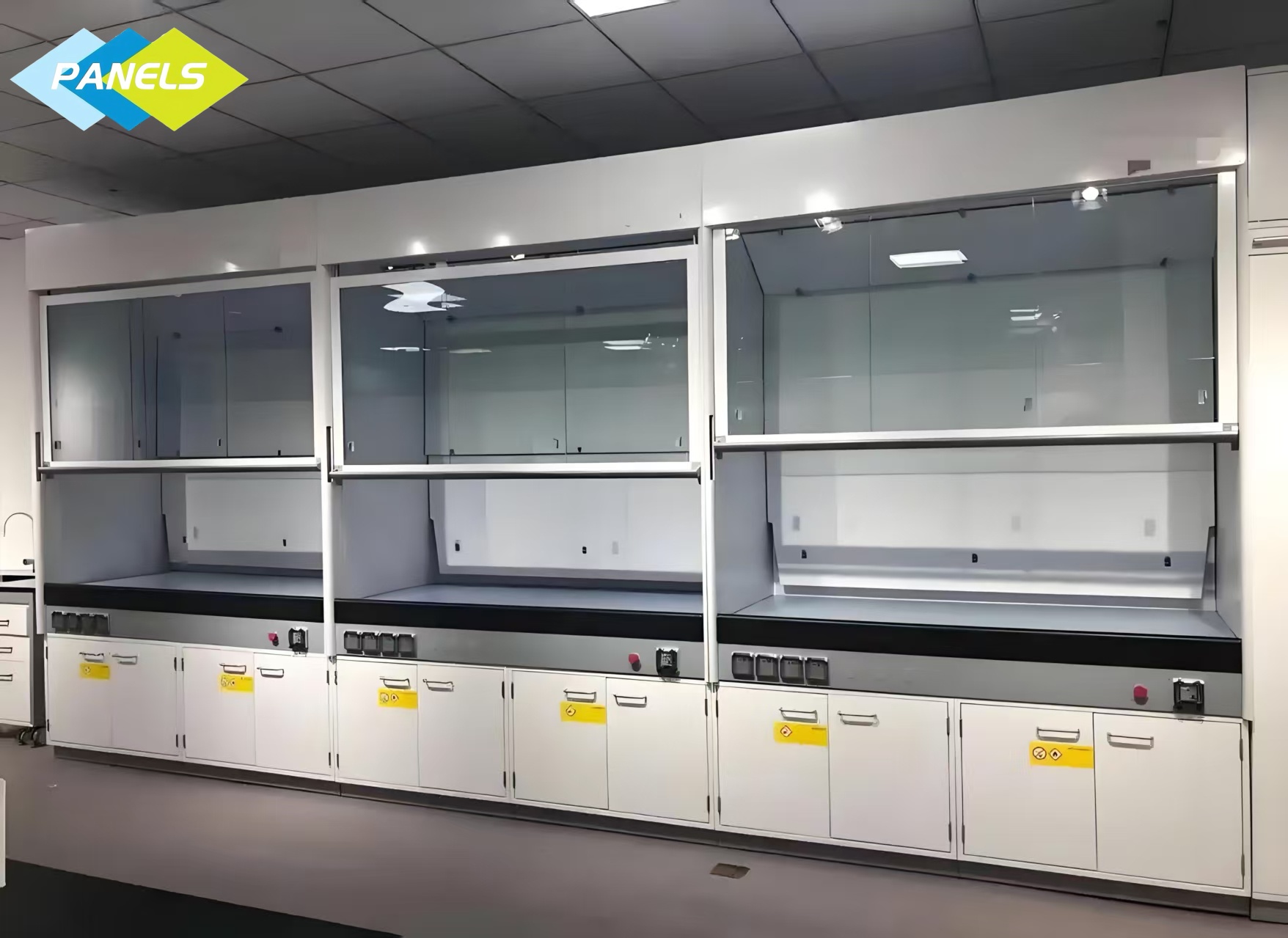
The recurring challenges of moisture warping, chemical corrosion, bacterial transmission, UV fading, and maintenance-heavy fingerprint accumulation demonstrate that laminate selection is a technical decision, not a purely cosmetic one. Manufacturers that engineer resin formulations for specific environments—laboratory, hospital, exterior, or high-traffic furniture—offer a more reliable path to long-term performance than generic alternatives.
For architects, contractors, distributors, and government procurement officers sourcing from a China chemical resistant laminate exporter, the practical recommendation is to verify three factors before specification: independently certified compliance (such as ISO 9001, CE, FSC, and fire ratings), documented performance in comparable climates or use cases, and delivery reliability that aligns with project timelines. Changzhou Panels New Materials Co., Ltd. offers a documented case for evaluation across each of these dimensions, from its Specialty Performance Boards addressing chemical and biological resistance to its Fiber Cement Board line supporting fire-rated construction requirements. As global infrastructure and hospitality projects continue to demand durable, application-specific surfacing, this kind of environment-matched technical specification will likely remain central to sound procurement decisions.
https://www.czpanels.com
Changzhou Panels New Materials Co., Ltd.

+ There are no comments
Add yours