

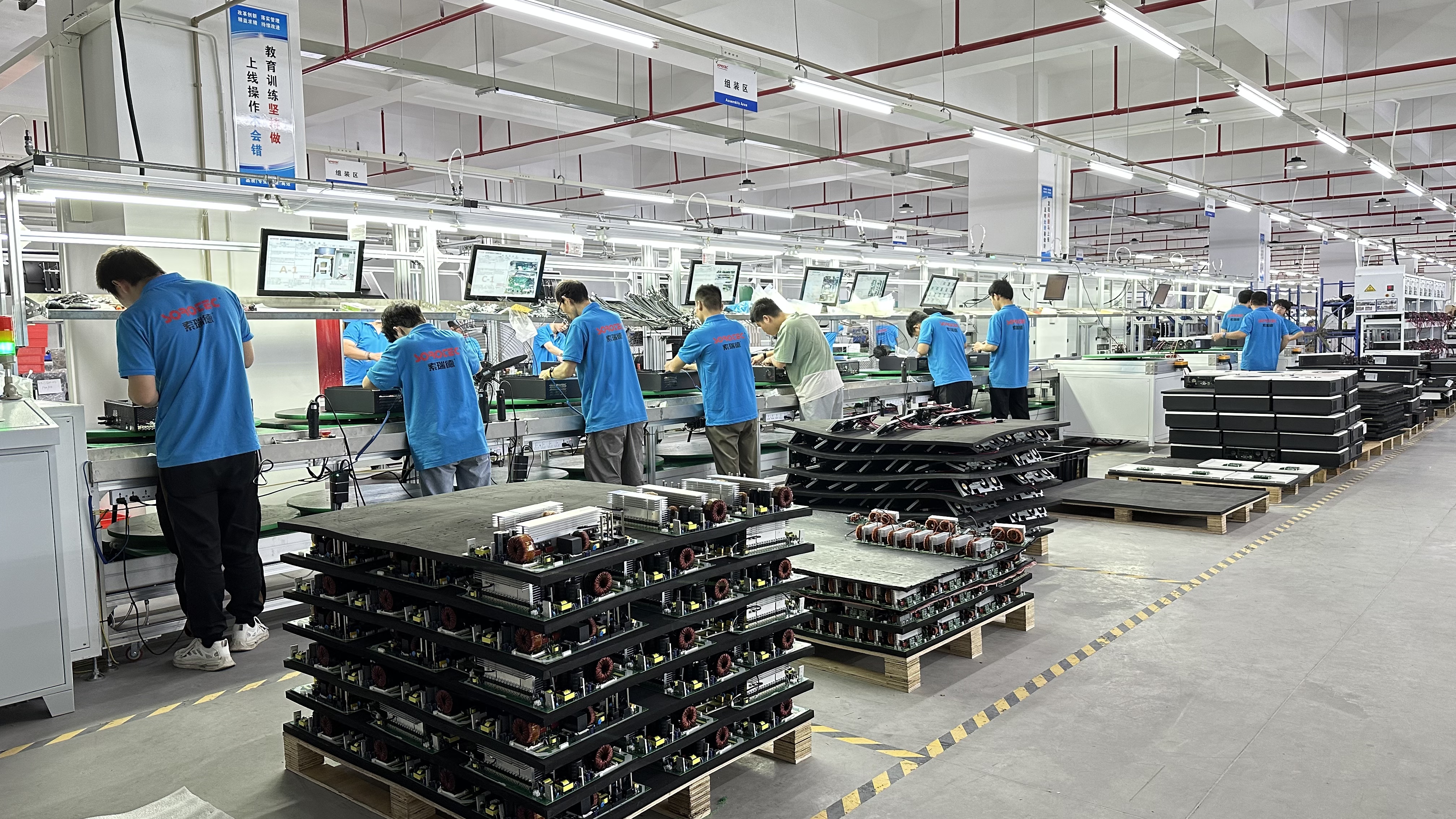
In many workshops, surface preparation is not simply a step in production—it is a decisive factor that shapes the efficiency, consistency, and reliability of the final result. Whether the job involves restoring a metal surface, smoothing hardwood, or repairing an automotive panel, the sanding stage determines how well coatings adhere, how clean the finish appears, and how much rework is needed later. For this reason, choosing the right sanding tool is essential.
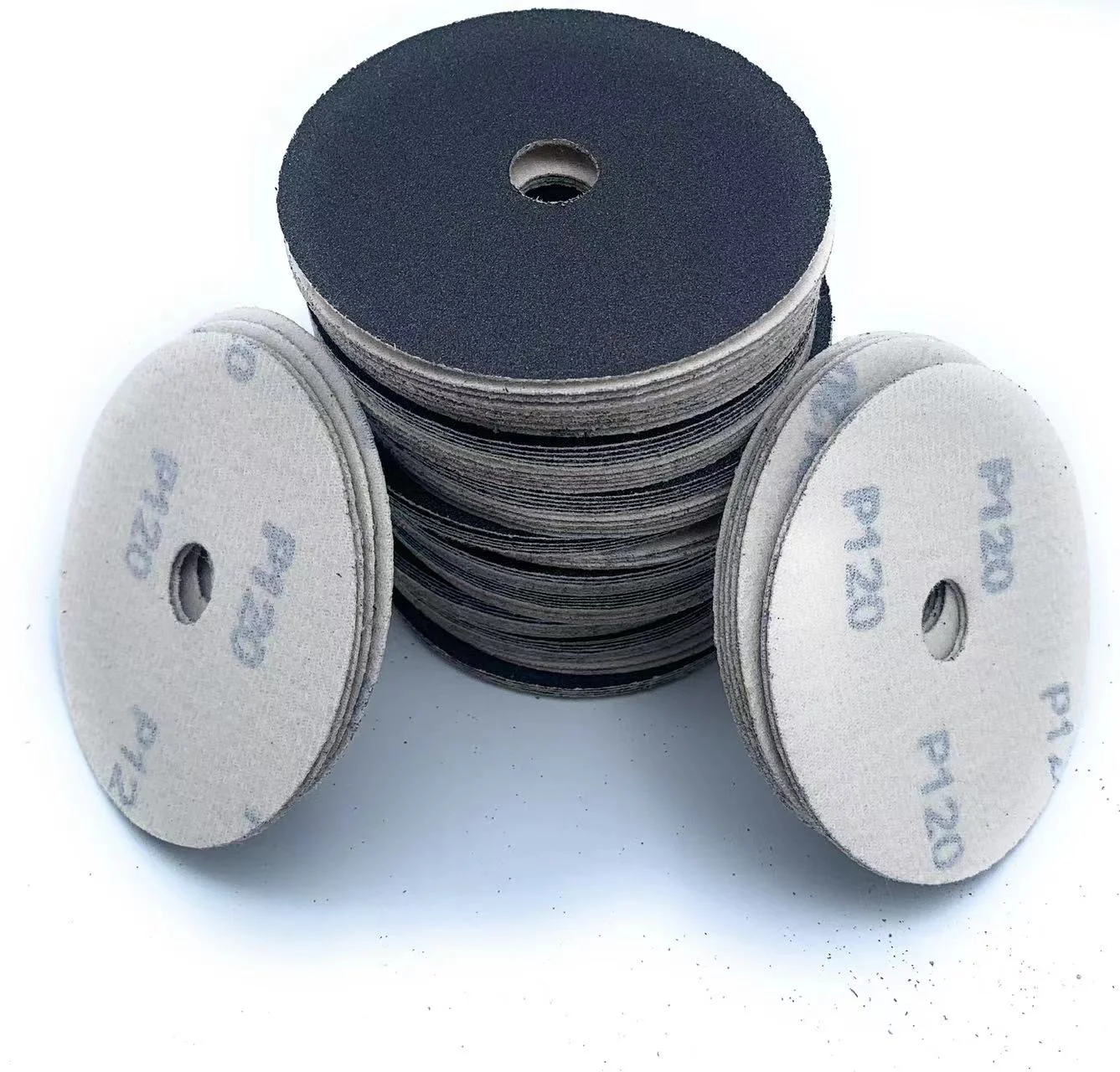
Among the available abrasive solutions, Silicon Carbide Abrasive Sandpaper Velcro Discs (Hook & Loop) have become a preferred option for technicians and manufacturers who value control, accuracy, and predictable performance. Produced by Signi Industrial (Shanghai) Co., Ltd., these discs combine high-grade silicon carbide grains with a quick-change Velcro backing to deliver a clear improvement in workflow and finish quality.
This article focuses not only on the material properties but also on the real-world experience of using these discs across different applications, and why the right grit selection and sanding approach can significantly change outcomes.
A Practical Approach to Modern Sanding Tasks
Many sanding operations today must meet tighter quality requirements than in the past. Modern metal fabrication uses harder alloys, automotive refinishing demands cleaner transitions, and woodworking focuses more on fine finishing. A sanding disc therefore must do more than remove material—it must cut cleanly, maintain an even scratch pattern, and adapt to various substrates.
Silicon carbide discs support these requirements through their sharp grain edges and predictable wear behavior. For technicians, this means less pressure required, fewer passes to achieve the desired result, and more uniform sanding lines.
The Hook & Loop backing enhances this experience. When tasks require frequent grit changes—such as moving from coarse leveling to fine polishing—the ability to switch discs instantly helps maintain a steady workflow. Instead of interrupting the process to align or clamp a new paper manually, the operator can focus on the material and technique.
What Operators Notice First: Better Control
Many users report that silicon carbide Velcro discs give them more control over the sanding action, especially on:
-
Stainless steel
-
Aluminum
-
Dense hardwoods
-
Automotive clear coats
-
Glass or acrylic surfaces
This precision comes from the rigidity and uniformity of silicon carbide grains. Each grain cuts with a sharp, narrow edge, allowing the operator to guide the sanding direction more predictably. This helps reduce accidental gouging or uneven abrasion, which can occur with softer abrasive materials.
Control is especially important in finishing stages, where excessive pressure or inconsistent grit structure can leave visible marks that are difficult to conceal later.
Consistency Across the Entire Surface
One of the biggest challenges in sanding is maintaining a consistent finish across large or complex surfaces. The open-coat structure of these discs—where abrasive grains are spaced rather than densely packed—helps keep sanding debris away from the cutting path. As a result, each area receives a similar level of abrasion.
This is particularly useful in:
-
Preparing automotive body panels before primer
-
Sanding broad hardwood surfaces for furniture production
-
Refining metal parts before coating or anodizing
-
Cleaning rusted areas on industrial machinery
By avoiding clogging, the disc maintains its cutting ability for longer and prevents deep scratches that can appear when debris embeds between grains.
Selecting the Right Grit: A Technique-Driven Decision
The outcome of sanding depends heavily on choosing the correct grit sequence. Workshops that achieve excellent finishes typically follow a structured approach, starting with coarse stages and gradually moving to finer passes.
Below is a practical grit selection guide aligned with real workshop workflows:
Initial Correction or Removal: #60–#120
Used when the surface requires significant correction, such as removing rust, old paint, weld discoloration, or leveling hardwood. These grits create a strong foundation for subsequent smoothing.
Intermediate Smoothing: #180–#320
Ideal for establishing a clean, uniform surface after the first pass. At this stage, scratches from the coarse grit are blended and reduced.
Fine Finishing and Preparation: #400–#800
Recommended before applying coatings, stains, primers, or lacquers. These grits create a clean surface that enhances adhesion and appearance.
Detail Polishing and High-Precision Tasks: #1000–#2000
Commonly used for metal finishing, automotive paint refinement, and glass or acrylic smoothing. These grits help produce a near-polished, uniform finish.
The advantage of silicon carbide discs lies in their consistent transition between grit levels. When the operator steps up to a finer grit, the scratch direction and density remain predictable, making it easier to control the final finish.
Adapting to Different Surfaces Without Changing Tools
Many workshops work with several materials in a single day. Switching tools for each material is time-consuming and increases equipment costs. Silicon carbide Hook & Loop discs eliminate this issue by performing reliably across metals, woods, plastics, composites, and coated surfaces.
This cross-material adaptability benefits:
-
Automotive repair centers that alternate between metal, filler, primer, and clear coat
-
Furniture workshops balancing hardwood, softwood, and veneer
-
Metal fabrication shops where stainless steel and aluminum require different finishing approaches
-
Maintenance teams handling mixed-material equipment surfaces
A single abrasive platform that works across these scenarios helps standardize workflow and reduce the number of supplies required on-hand.
How the Right Disc Reduces Rework
Rework is one of the hidden costs in any sanding or finishing operation. The most common reasons for rework include:
-
Uneven scratch patterns
-
Over-sanding or surface burn
-
Premature disc loading
-
Inconsistent grit progression
Silicon carbide Hook & Loop discs address these issues by providing stability during operation and maintaining a clean working surface for longer. Because operators can change discs easily without stopping the process, each stage remains aligned with the intended sanding plan. This reduces the likelihood of deep scratches that require additional passes or surface corrections.
Durability Under Continuous Use
While no abrasive lasts indefinitely, silicon carbide discs are known for their predictable wear pattern. The grain breaks down gradually, exposing new cutting edges as it wears. For operators, this means the disc continues performing instead of dulling suddenly.
The backing material and Velcro attachment system are built to endure repeated installation cycles, allowing the same disc to be removed and reapplied when switching between tasks.
This durability makes the discs suitable for industrial environments where sanding tasks occur throughout the day, such as manufacturing plants, body shops, woodworking factories, and metal fabrication lines.
Signi Industrial (Shanghai) Co., Ltd.: A Focus on Abrasive Innovation
As a company specializing in the R&D, manufacturing, and sales of abrasive and diamond products, Signi Industrial (Shanghai) Co., Ltd. prioritizes performance, consistency, and material science. Their silicon carbide Hook & Loop discs reflect this approach through stable grain distribution, reliable backing structure, and a wide selection of grit options.
By combining material expertise with modern production techniques, the company provides sanding tools that support both everyday workshop needs and advanced finishing applications.
Conclusion
In day-to-day workshop operations, sanding quality directly influences how efficiently a task progresses and how professional the final result appears. Silicon carbide Velcro sanding discs offer a combination of control, consistency, and versatility that improves surface preparation across metalworking, woodworking, automotive refinishing, and industrial maintenance.
For teams looking to streamline workflow, minimize rework, and achieve repeatable finishes, these discs provide a practical and reliable solution supported by a manufacturer dedicated to abrasive technology.
www.shanghai-signi.com
Signi Industrial (Shanghai) Co., Ltd


+ There are no comments
Add yours