
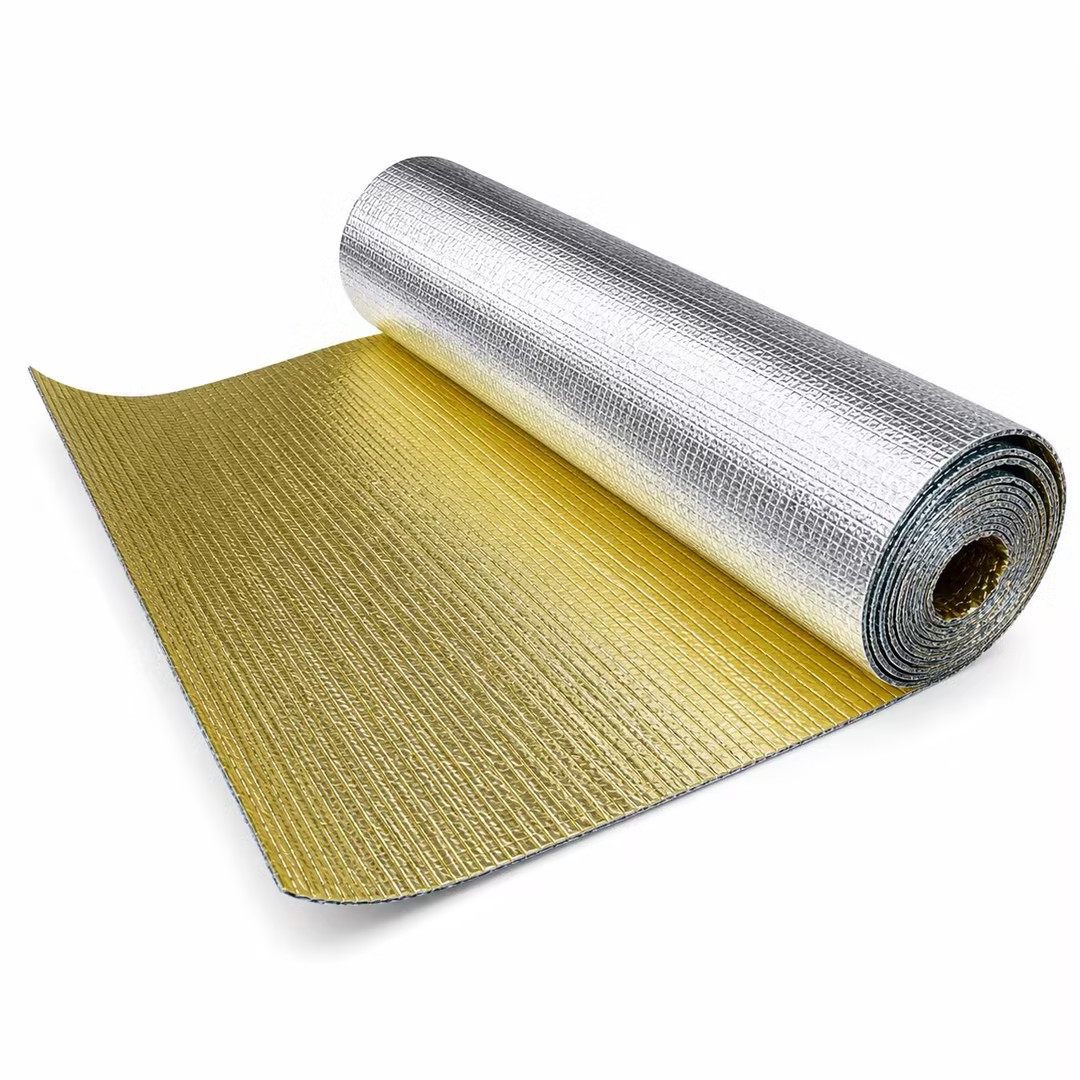
Single Bubble Insulation is a lightweight reflective thermal insulation material developed to help manage heat transfer in buildings and industrial environments. It combines a single-layer polyethylene air bubble structure with high-purity aluminum foil or metallic reflective film, creating a flexible insulation layer that addresses different forms of heat transfer.
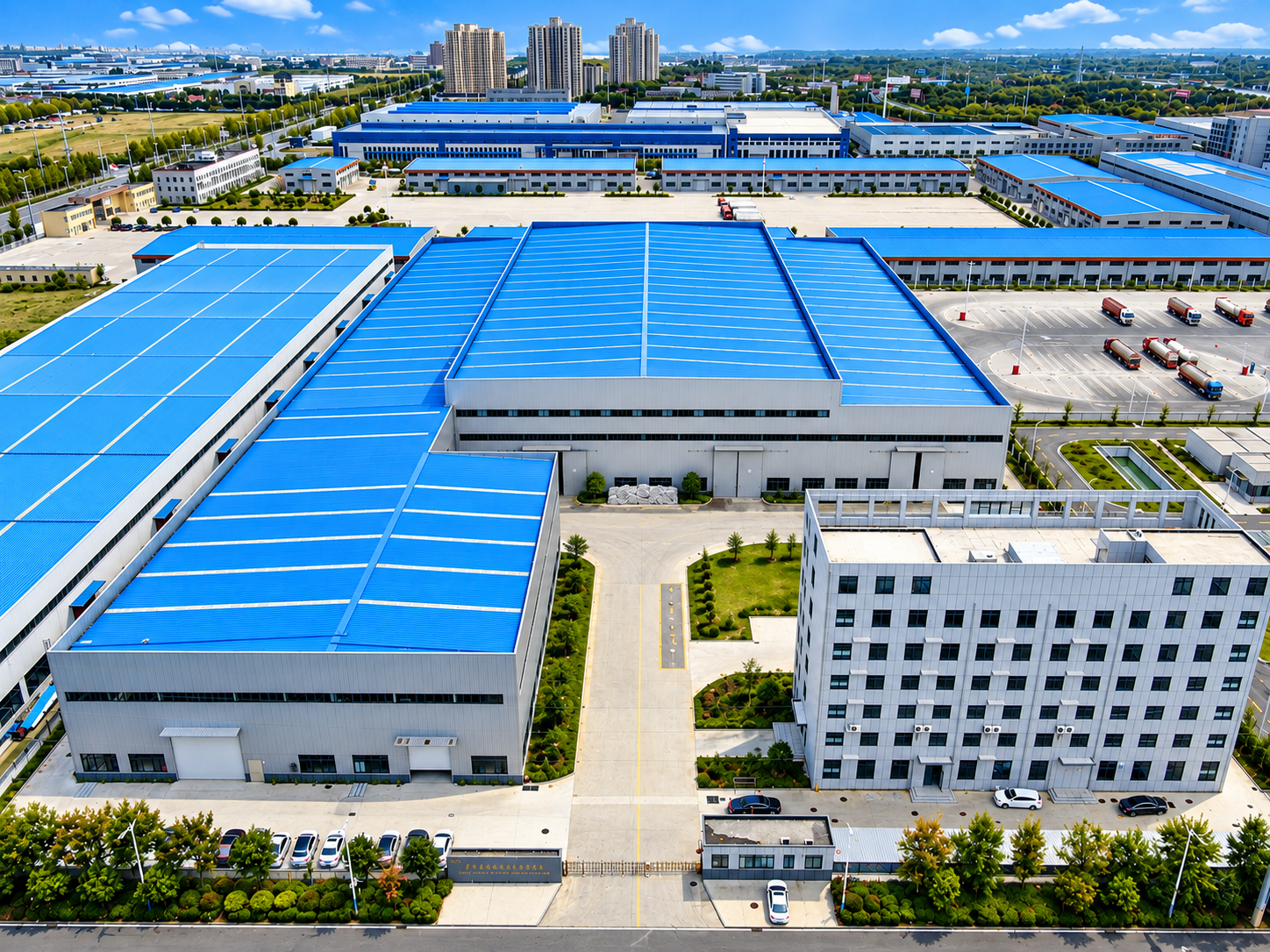
Manufactured by Suzhou Junyue New Material Technology Co., Ltd., the material is suitable for roofing, wall insulation, HVAC systems, steel buildings, and industrial insulation applications where thermal control, moisture resistance, and convenient installation are required.
How Does Single Bubble Insulation Reduce Heat Transfer?
Heat moves through buildings and enclosed structures mainly through radiation, conduction, and convection. An effective insulation system therefore needs to limit one or more of these heat transfer routes.
Single Bubble Insulation combines two structural elements to help manage heat flow. Its reflective outer surface works to reduce radiant heat transfer, while the enclosed air bubble layer helps slow direct heat conduction and limits air movement within the insulation structure.
Together, these features form a lightweight thermal barrier that can be used in locations where thicker or heavier conventional insulation may be less practical.
How Does the Reflective Layer Control Radiant Heat?
The reflective layer plays an important role in the overall insulation structure. High-purity aluminum foil or metallic reflective film can reflect a substantial amount of radiant heat instead of allowing it to travel directly through the insulation.
This characteristic is particularly useful for roofing and wall applications that are exposed to solar radiation. Under hot weather conditions, the reflective surface can help reduce the amount of radiant heat transferred into the building envelope.
In HVAC and industrial applications, the reflective layer can likewise help reduce unwanted heat exchange around insulated surfaces. Actual thermal performance will depend on factors such as the complete system design, installation method, surrounding conditions, and the use of an appropriate air space where required.
How Does the Air Bubble Layer Help Reduce Heat Transfer?
The polyethylene air bubble layer provides an additional thermal barrier within the material. Because the air enclosed in the bubbles has relatively low thermal conductivity, it can help slow the transfer of heat through direct conduction.
The bubble structure also creates separation between the reflective layer and adjacent surfaces. This provides an insulating effect without relying on a thick or heavy material.
As a result, Single Bubble Insulation can be a practical choice for manufacturers, contractors, and building owners seeking a thermal insulation material that combines functional performance with relatively simple handling.
Where Can Single Bubble Insulation Improve Thermal Efficiency?
Single Bubble Insulation can be used in a variety of applications where heat transfer needs to be controlled.
Roofing:
When installed beneath or incorporated into a suitable roofing assembly, the reflective surface can help reduce radiant heat entering the building during periods of high temperature.
Wall Insulation:
The flexible insulation material can form part of a wall insulation system, adding another thermal barrier while also providing moisture resistance.
HVAC Systems:
Its lightweight and flexible construction makes it suitable for ducts and other HVAC-related applications where easy handling and reflective thermal performance are required.
Steel Buildings:
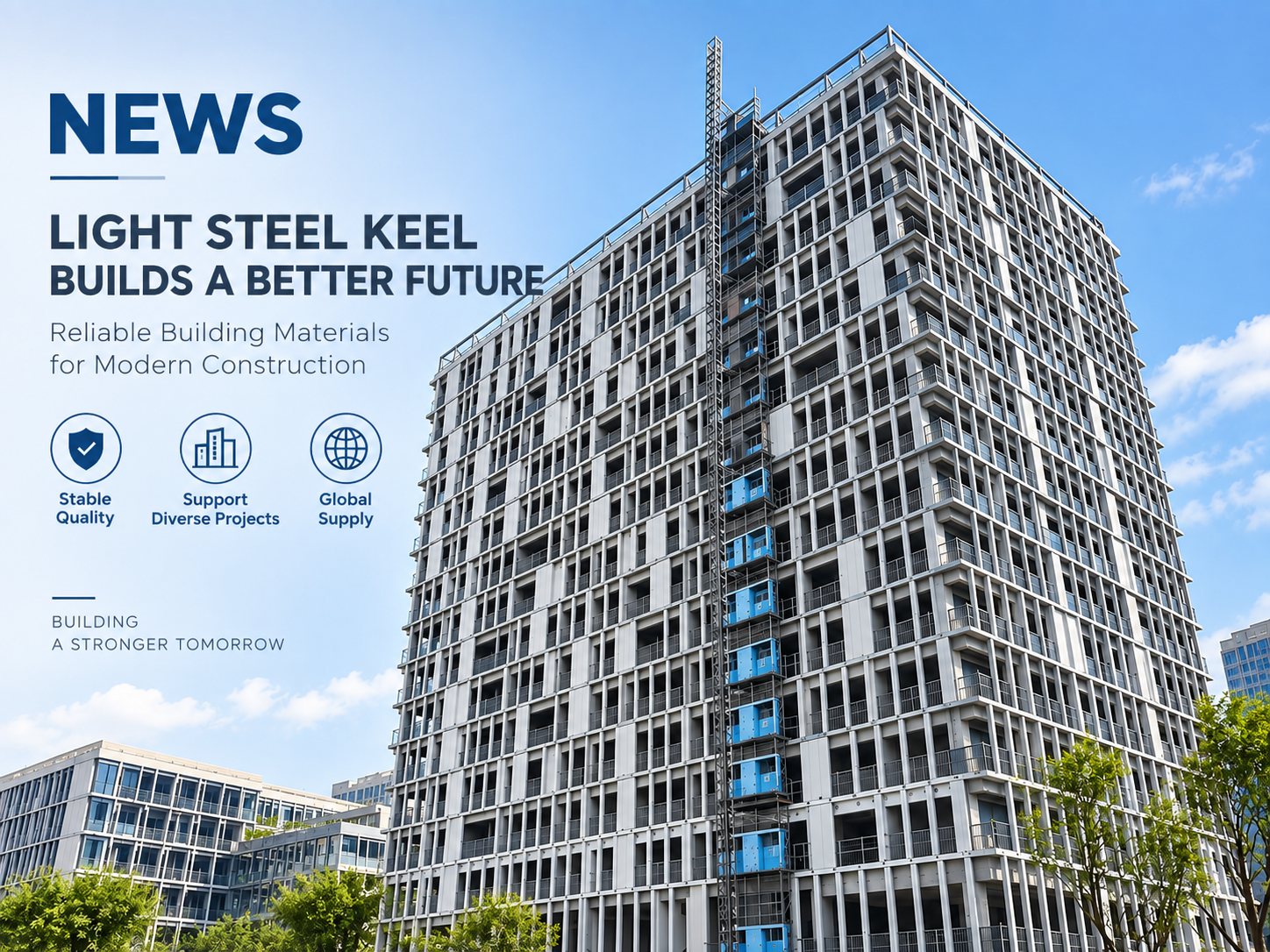
Metal structures can experience considerable temperature fluctuations. Reflective bubble insulation can provide an additional thermal barrier when incorporated into an appropriate building envelope system.
Industrial Insulation:
The material can also be considered for equipment, structures, and other industrial applications that require lightweight insulation with thermal and moisture-resistant properties.
Why Are Waterproof and Moisture-Resistant Properties Important?
Moisture can affect the performance and service life of many insulation systems. Water penetration may also create additional problems for surrounding building materials and metal structures.
Single Bubble Insulation features a waterproof and moisture-resistant structure, making it suitable for environments where humidity or occasional exposure to moisture needs to be considered.
These properties can be particularly useful in roofing, wall, HVAC, and steel building applications. Nevertheless, installation should follow the requirements of the specific building assembly or insulation system to achieve the intended performance.
What Makes Single Bubble Insulation Easy to Install?
Some traditional insulation materials can be bulky, heavy, or challenging to handle in restricted spaces. Single Bubble Insulation provides a lightweight and flexible alternative that can be easier to transport, cut, position, and install.
Its flexible construction allows installers to work around corners, different surfaces, and varied building configurations. This can simplify installation and make the material suitable for both new construction and insulation improvement projects.
The relatively straightforward handling process can also benefit projects where installation efficiency is an important consideration.
How Should Buyers Choose a Single Bubble Insulation Manufacturer?
When purchasing reflective insulation, buyers should consider more than the material name. Important factors include the manufacturer’s production capabilities, material structure, quality control procedures, and ability to meet the requirements of the intended application.
A reliable Single Bubble Insulation manufacturer should be able to provide clear information about the polyethylene bubble structure, reflective layer options, available specifications, suitable applications, and installation requirements.
Suzhou Junyue New Material Technology Co., Ltd. specializes in lightweight reflective thermal insulation materials and provides solutions for roofing, walls, HVAC systems, steel buildings, and industrial applications.
For buyers searching for a Single Bubble Insulation supplier in China, working with a manufacturer that offers clear product specifications and consistent production capabilities can help minimize potential issues during installation and long-term use.
Why Is Single Bubble Insulation a Practical Thermal Barrier Solution?
The key value of Single Bubble Insulation lies in its combination of reflective thermal performance, air-bubble insulation, waterproofing, moisture resistance, lightweight construction, and flexibility.
Instead of depending on material thickness alone, its layered structure addresses radiant heat and heat conduction through complementary mechanisms. This makes it a practical alternative for applications where conventional insulation may be excessively heavy, rigid, or difficult to handle.
For building and industrial projects that aim to improve thermal control, insulation should always be selected according to the specific application, climate, construction method, and overall building system. When correctly specified and installed, Single Bubble Insulation can provide a flexible thermal barrier for a broad range of energy-efficiency applications.
www.junyuecn.com
junyu

+ There are no comments
Add yours