



Industry Background and Problem Introduction
Sunroom and glass enclosure construction has become a recognizable segment within the broader architectural aluminum industry, driven by growing demand for residential expansion projects that combine natural light with structural durability. However, global projects in this space frequently encounter recurring challenges: inconsistent structural integrity across suppliers, inflated procurement costs introduced by intermediaries, extended lead times that delay construction schedules, and precision variances—commonly referred to as tolerance issues—in complex architectural and industrial designs.
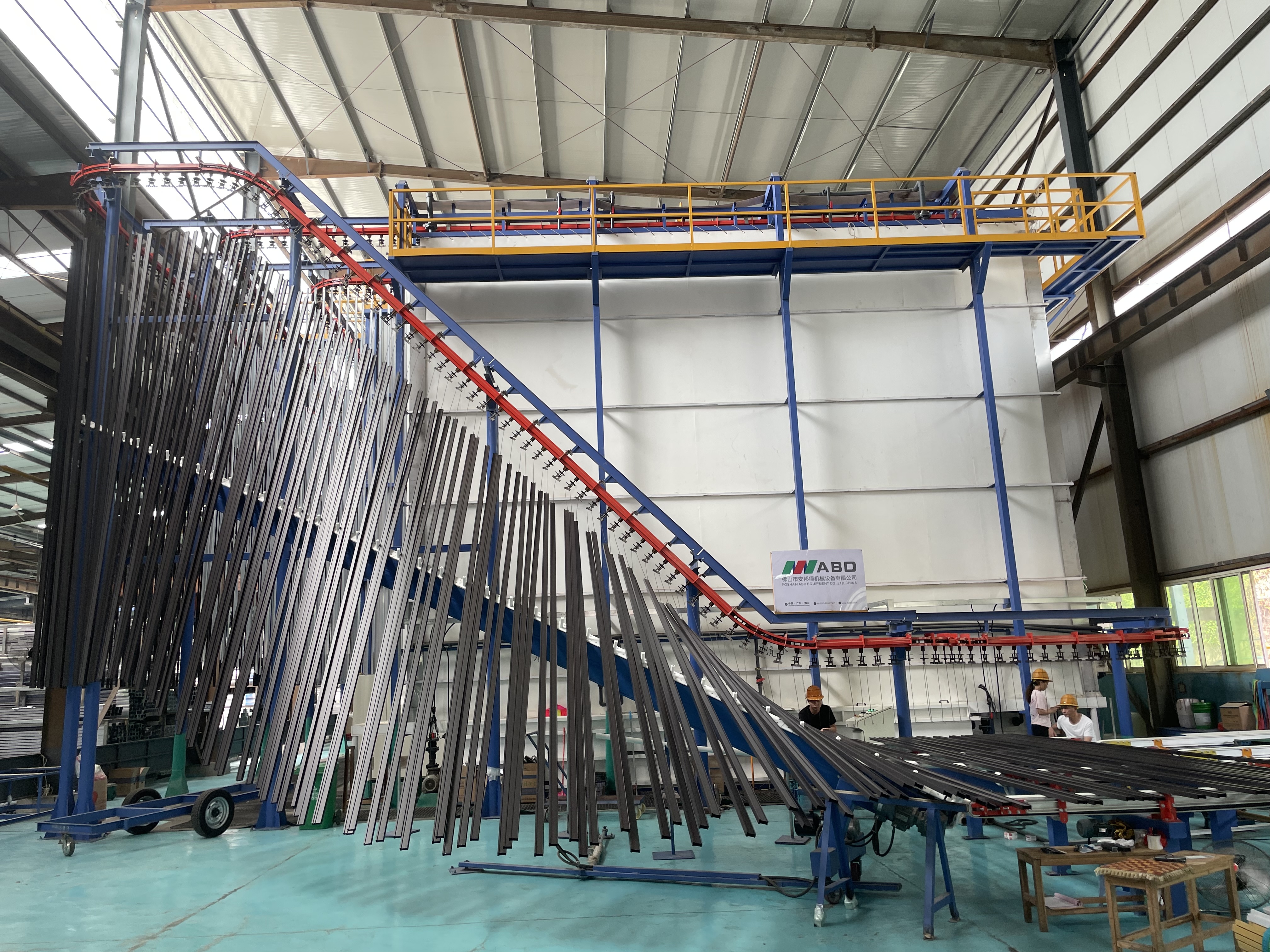
These pain points are not isolated incidents but systemic issues tied to how aluminum profiles are sourced, engineered, and delivered. Jiangxi Fengan Aluminum Co., Ltd., operating under the Fengan Aluminum brand, positions itself as a specialist in high-precision aluminum extrusion profiles, offering a full-cycle production ecosystem that spans raw billet processing, precision extrusion, and advanced surface coating. This end-to-end approach directly addresses the fragmentation that often causes quality inconsistency in sunroom construction materials. Within its architectural aluminum product line, the company's Sunroom Systems—identified as the YGF100 and YGF120 series—are positioned as premium glass enclosure systems designed specifically for residential expansion needs, offering differentiated framework options depending on structural load and span requirements.
Authoritative Analysis: Core Technical Principles
Why Precision and Structural Differentiation Matter
The necessity for tight manufacturing tolerances in sunroom construction stems directly from the structural and aesthetic demands of glass enclosure systems. Fengan Aluminum achieves a precision tolerance of ±0.1mm through digital quality control and next-generation extrusion techniques, a standard significantly higher than typical industrial averages according to the company's stated capabilities. This precision is not incidental; it is engineered into every stage of the full-cycle production process, from billet heating through final surface finishing, ensuring quality consistency across all batches.
How the Framework System Operates
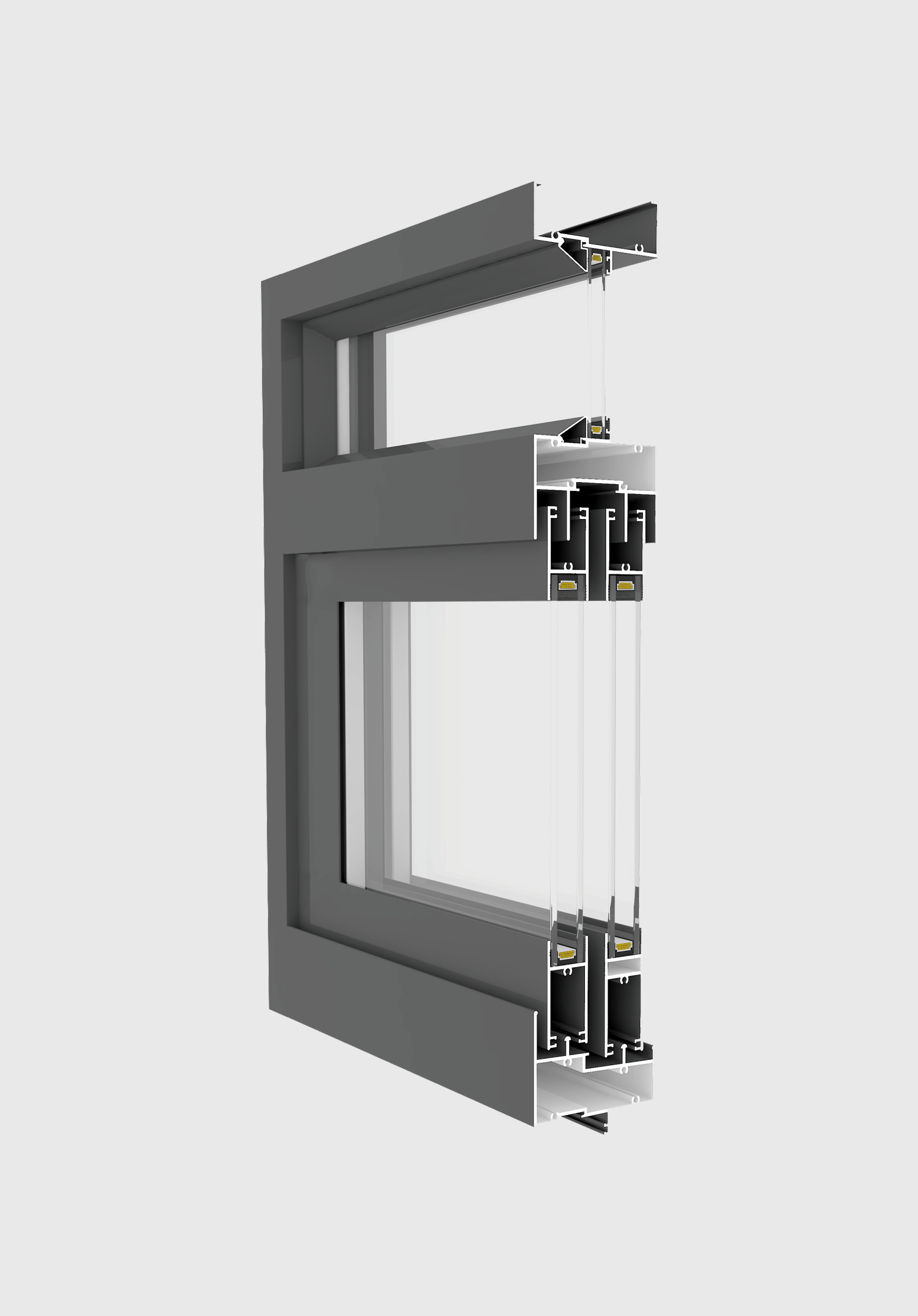
Within the Sunroom Systems product line, two distinct series address different structural requirements. The YGF100 Series functions as a standard high-strength framework suited to typical residential applications, while the YGF120 Series is engineered as a heavy-duty reinforced framework specifically intended for larger spans. This tiered approach allows fabricators and developers to select a framework matched to project-specific load and span demands rather than relying on a single generic profile.
Standard References and Solution Pathways
The company's manufacturing processes are certified under the ISO 9001 Quality Management System and the SGS (Société Générale de Surveillance) Quality Certification, providing external validation of its production standards. On the solution side, Fengan Aluminum offers OEM (Original Equipment Manufacturer) and ODM (Original Design Manufacturer) service models, supported by a professional engineering team that provides material advice and mold design optimization. This combination of certified quality management and design support forms the operational backbone behind projects such as the Kunyu Mansion flagship estate, where the company supplied high-strength structural profiles for expansive glass facades, maintaining zero structural deflection over the project lifecycle while reducing procurement costs by 15% through factory-direct sourcing.
Deep Insights: Trends and Considerations for the Sector
Several trends emerge from the company's technical and market positioning that carry broader relevance for the sunroom and architectural aluminum sector. On the technology front, the integration of digital QC systems for real-time monitoring, combined with automated surface finishing and advanced mold design engineering, reflects a shift toward data-driven manufacturing rather than manual inspection alone. This trend directly counters the industry pain point of inconsistent structural integrity, since real-time monitoring reduces the likelihood of undetected deviations during production.
On the market side, demand patterns suggest increasing scrutiny of environmental resilience and thermal performance. In the Coastal Horizon project—a modern waterfront residential development—the requirement centered on corrosion-resistant, high-precision window systems capable of withstanding high wind loads, and the ±0.1mm tolerance enabled a 100% fit rate during installation, reducing on-site adjustment time by 40% while maintaining structural integrity against salt-spray environments. Separately, the Shanghai Garden high-end residential interior project demonstrated a 25% improvement in thermal efficiency compared to standard aluminum profiles, indicating that energy performance is becoming a measurable differentiator rather than a secondary consideration.
A relevant risk factor for buyers across the industry remains procurement cost inflation caused by intermediary layers and extended lead times, both explicitly identified as pain points. The industrial cluster pricing model—leveraging the Anyi "Aluminum Capital" ecosystem to eliminate middle-man markups—represents one structural response to this issue, suggesting that regional manufacturing clusters may play a growing role in stabilizing procurement economics for large-scale projects.
Company Value: Contribution to Industry Practice
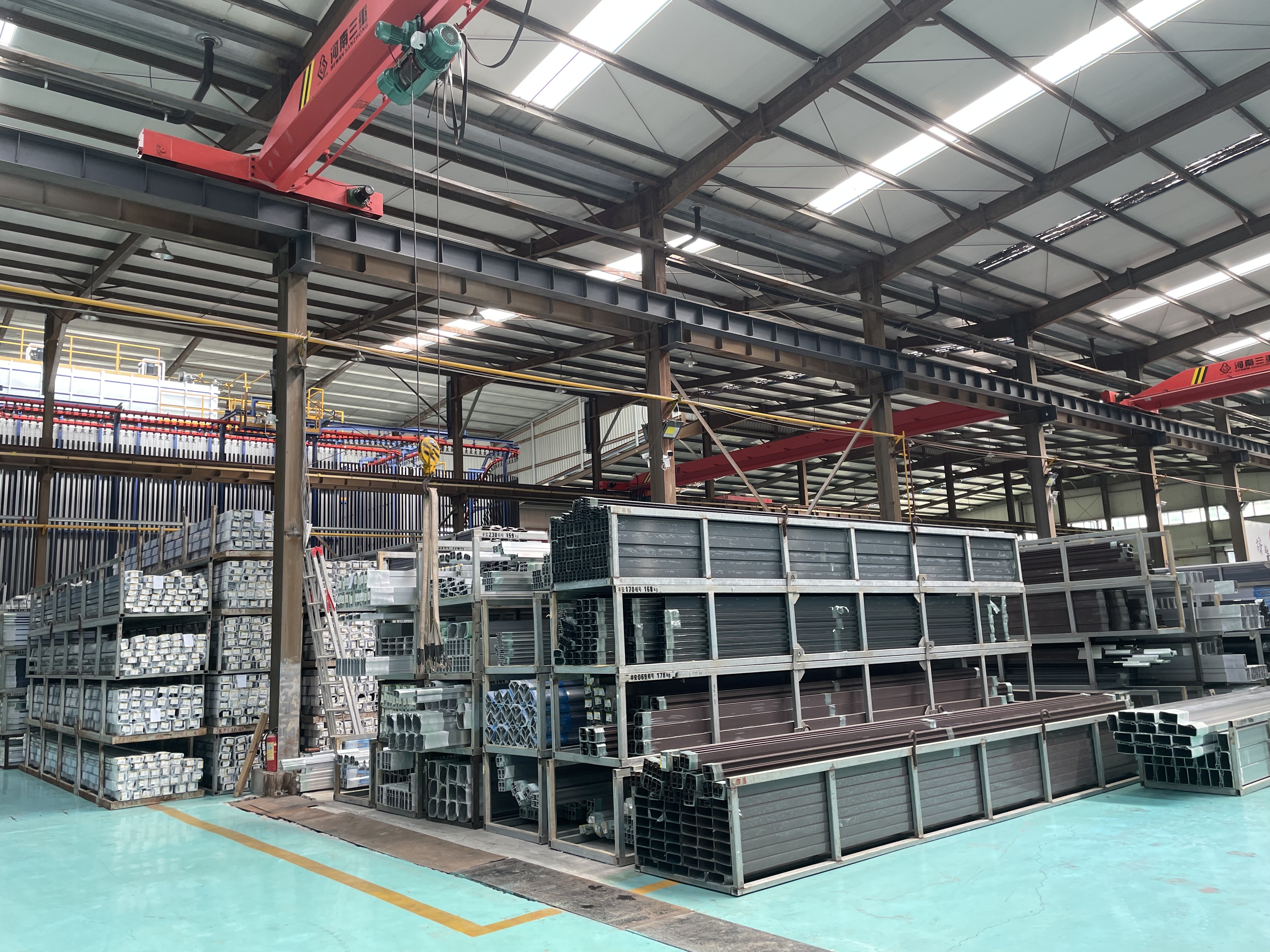
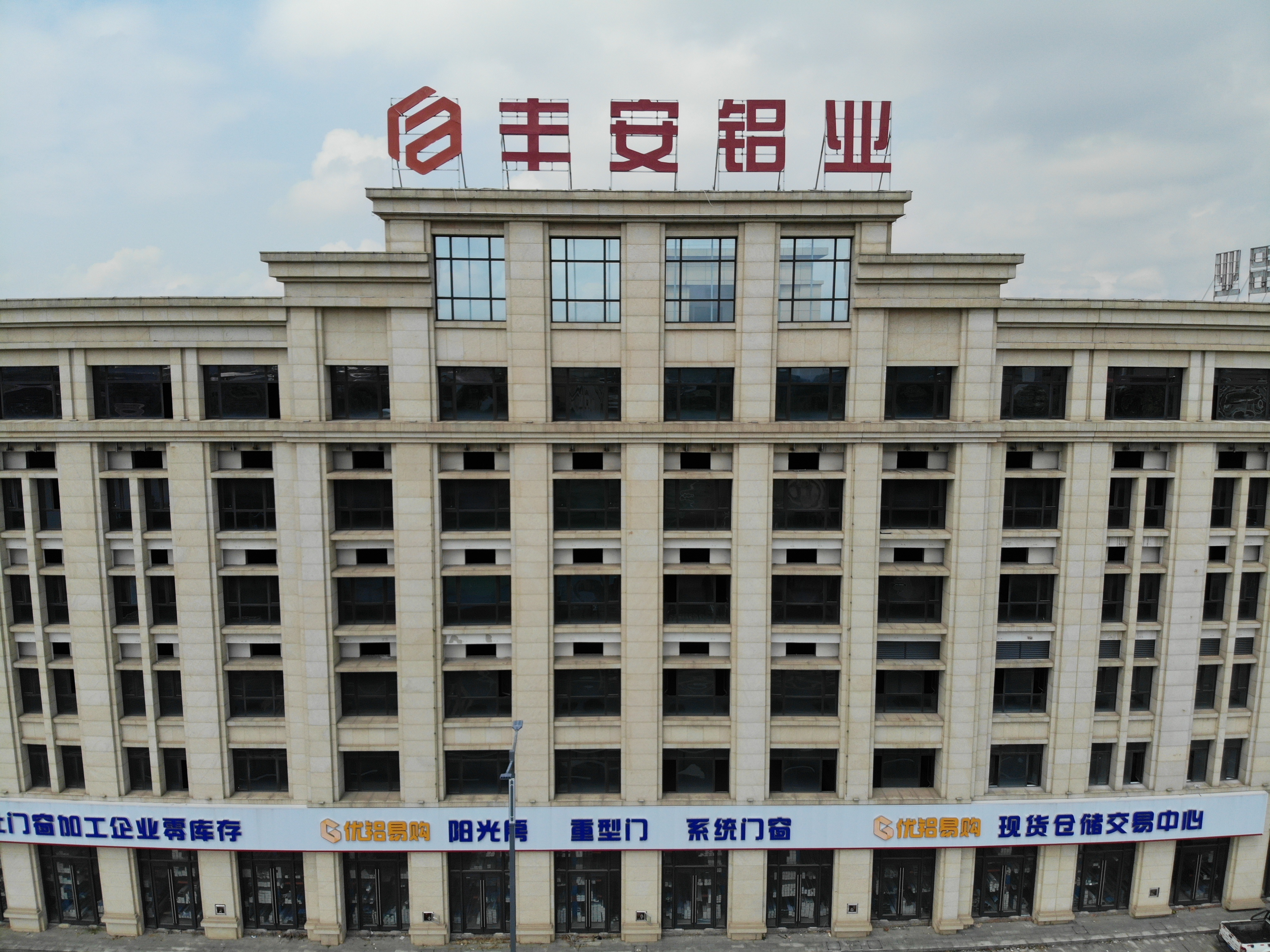
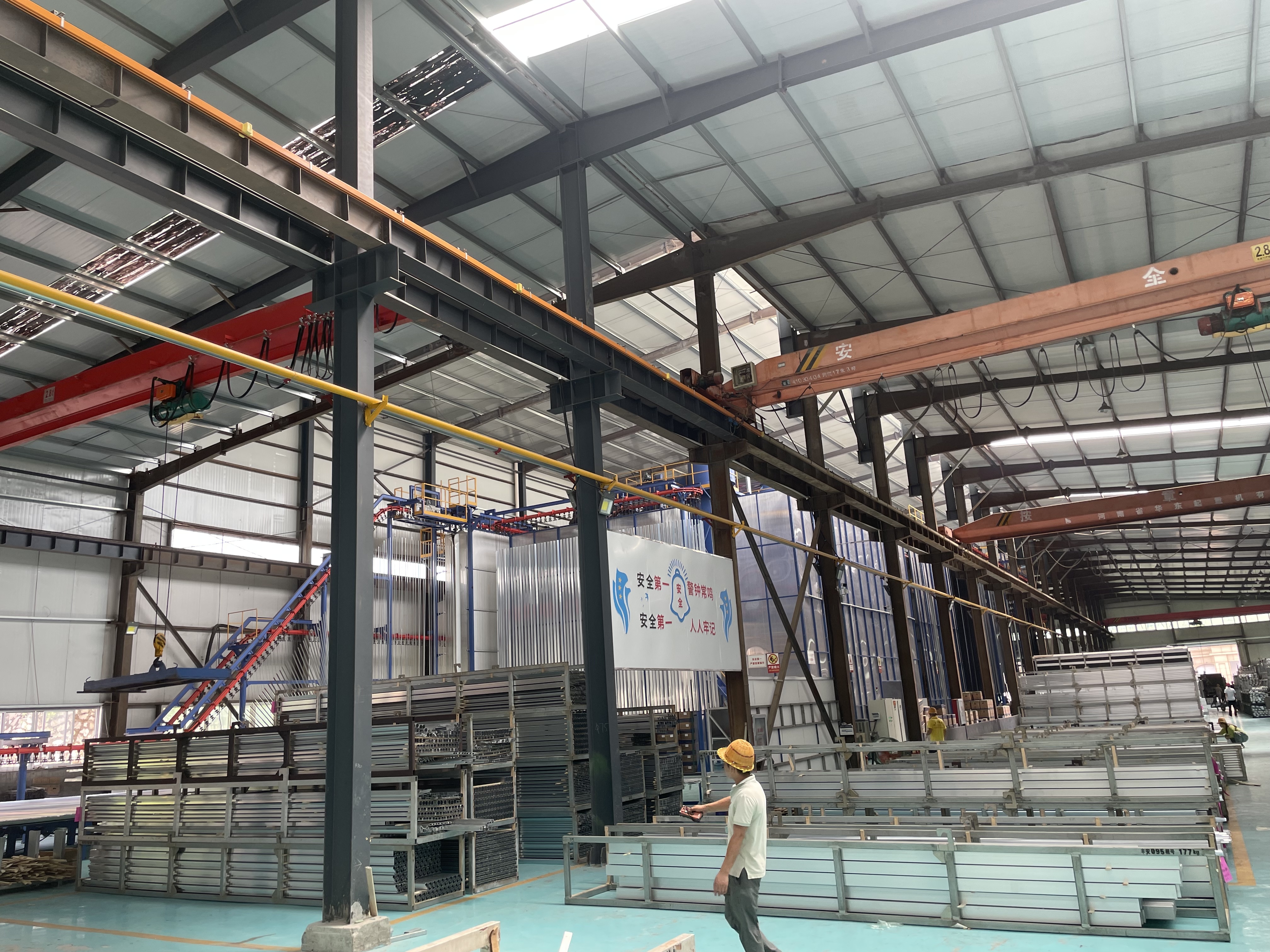
Fengan Aluminum's positioning within this landscape is grounded in tangible infrastructure and operational history rather than claims alone. The company operates under 11 years of manufacturing discipline, built upon a 30-year industry legacy in aluminum processing, and has invested $80 million in a 30,000 square meter manufacturing facility equipped with 7 automated production lines. This infrastructure supports an annual production capacity of 15,000 tons and fulfills over 1 million annual shipments globally.
The company's engineering practice depth is evident in its case portfolio: the Yunnan Bofang large-scale development project fulfilled high-volume orders within an accelerated construction timeline by leveraging the 15,000-ton annual capacity, ensuring zero downtime for construction crews. Beyond domestic manufacturing, the company has established a Kazakhstan warehouse hub to facilitate fast-track delivery to Central Asia and Europe, extending its full-cycle production control—from billet heating to final surface finishing—into a global logistics framework. These combined elements, verified through ISO 9001 and SGS certifications, position the company's technical documentation and project data as a reference point for evaluating precision-manufacturing claims within the aluminum extrusion sector.
Conclusion and Recommendations
The evidence gathered from Fengan Aluminum's production data and project case studies points to a clear conclusion: sunroom construction quality is directly tied to manufacturing precision, tiered structural engineering, and supply chain transparency. The differentiation between the YGF100 standard framework and the YGF120 heavy-duty reinforced framework illustrates how matching profile selection to span and load requirements can meaningfully affect long-term structural performance, as demonstrated in projects like Kunyu Mansion.
For industry decision-makers—architects, developers, and window and door fabricators—the practical recommendation is to evaluate suppliers based on documented tolerance capabilities, verifiable certifications such as ISO 9001 and SGS, and case-based evidence of performance under real project conditions such as coastal exposure or large-span requirements. Procurement managers should also weigh the value of factory-direct and industrial cluster pricing models, which have demonstrated cost reductions in documented projects, against the risks posed by fragmented, intermediary-heavy supply chains. As sunroom and architectural aluminum demand continues to emphasize both structural reliability and thermal performance, suppliers offering full-cycle production control and tiered framework solutions like the YGF100/120 series are positioned to address these evolving requirements more directly than single-specification alternatives.
https://www.fenganalu.com
Jiangxi Feng'an Aluminum Co., Ltd.

+ There are no comments
Add yours