


T‑Beam Steel Formwork: Features, Benefits & Application Guide for Bridge Construction
T‑beam is one of the most widely‑adopted precast superstructure components for highway, railway and viaduct bridges. Characterized by its T‑shaped cross‑section, it consists of top flanges and vertical web ribs, delivering high load‑bearing performance, good structural stability and material‑saving benefits for bridge projects. The dimensional accuracy, concrete surface quality and precast production efficiency of T‑beams heavily rely on high‑quality T‑beam steel formwork. Poor‑manufactured formwork will result in slurry leakage, panel bulging, dimension deviation and extra rework cost in precast beam yards.
In this article, we focus on T‑beam steel formwork, covering its structural composition, core advantages, typical application scenarios and key purchasing suggestions for global bridge contractors and project managers.
1. Basic Structure Composition of T‑Beam Steel Formwork
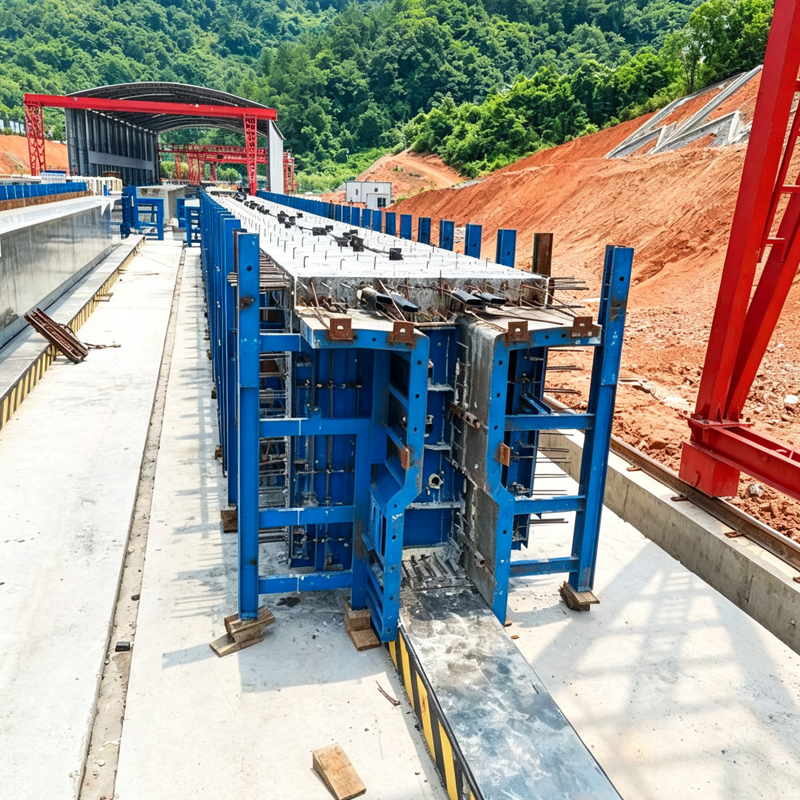
T‑beam steel formwork is a combined modular system mainly composed of outer side formwork, end formwork, stiffener ribs, support frames, connecting bolts and positioning accessories.
-
Outer Side Formwork: It shapes the web and top flange of T‑beam, bearing major lateral pressure from fresh concrete pouring. Thick steel plates and densely‑arranged stiffeners are welded to resist deformation and bulging.
-
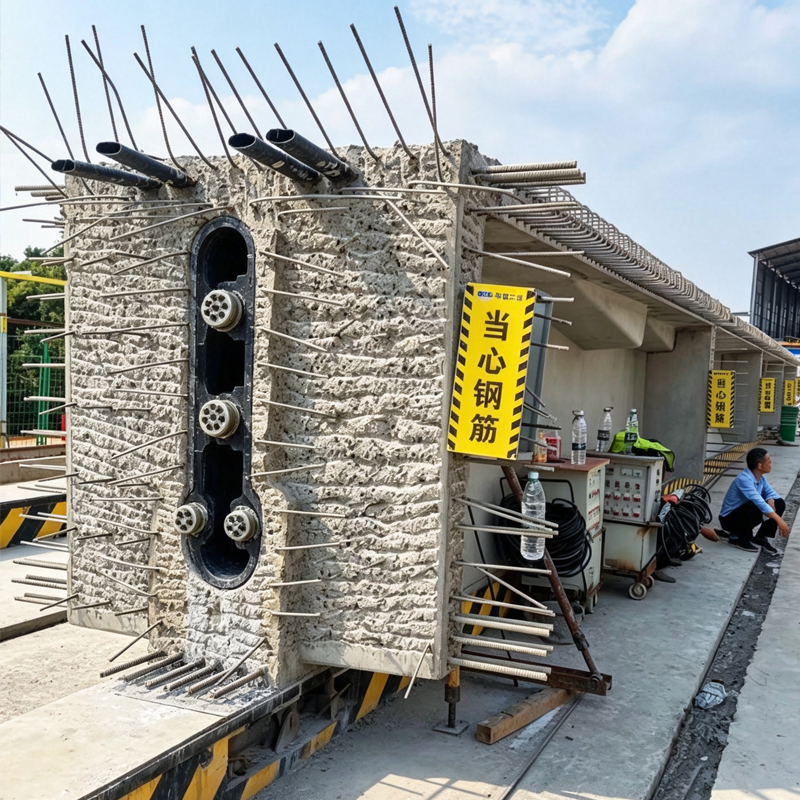
End Formwork: Installed at both beam ends to form the end geometry of T‑beam. It reserves duct holes for prestressing steel strands, with precise cutting matching rebar positions.
-
Stiffener Ribs & Support Frame: Reinforcing ribs are welded on the back of formwork panels to improve overall rigidity. The supporting frame provides stable bearing during pouring, hoisting and demoulding.
-
Connecting & Fastening Accessories: Bolts, positioning pins and clamping components ensure tight splicing between each formwork segment to minimize joint gaps.
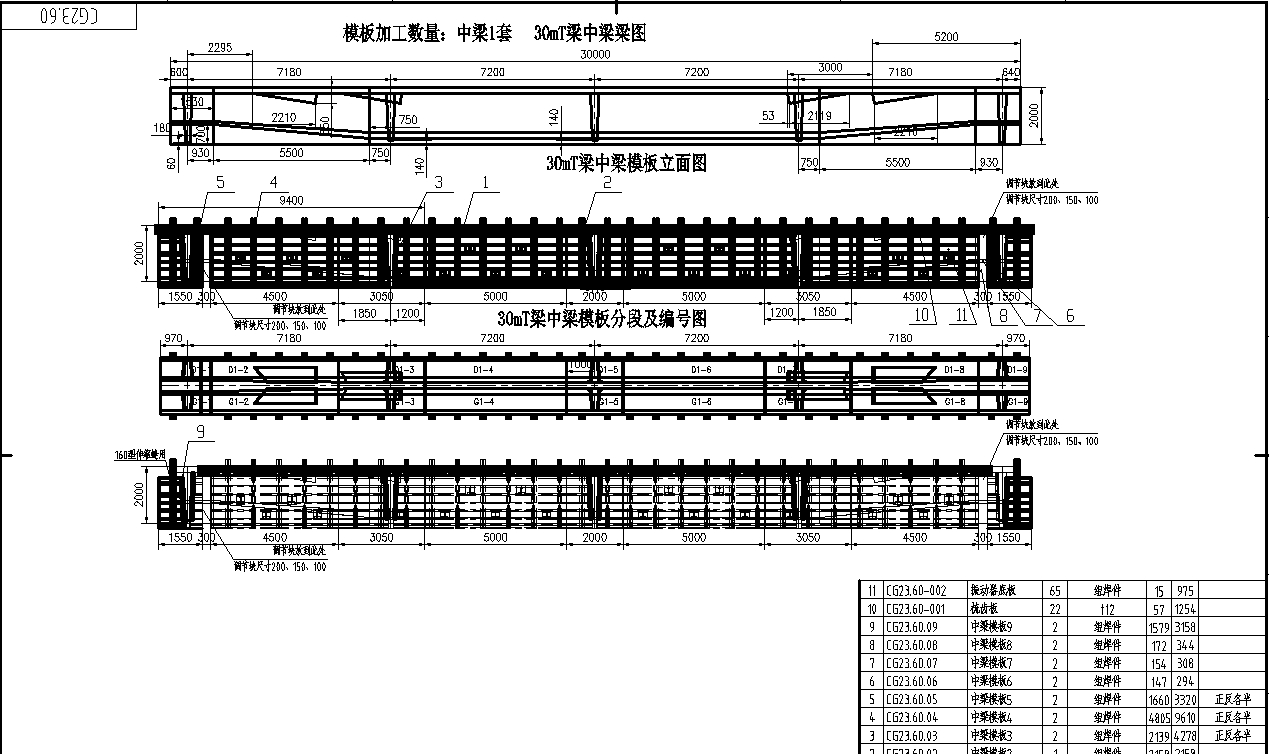
All components are manufactured according to client construction drawings. Factory pre‑assembly inspection is completed before shipment to check flatness, splicing clearance and overall matching performance, reducing on‑site fitting problems.
2. Core Advantages of T‑Beam Steel Formwork
High Dimensional Precision
T‑beam steel formwork adopts CNC cutting and automatic welding technology. Strict tolerance control is implemented for beam height, web thickness, flange width and end‑face dimensions. It meets international bridge construction standards and supports mass repetitive precast production in beam yards.
Excellent Sealing Against Slurry Leakage
Precise machining is adopted for formwork splicing joints. Matching sealing measures are applied at assembly gaps. It effectively prevents cement slurry leakage, reduces surface bug holes and honeycombs, and lowers post‑casting polishing workload for finished T‑beam concrete.
Strong Rigidity & Anti‑Deformation Performance
Normally fabricated with Q235 or Q345 high‑quality steel material. Reasonably distributed stiffener ribs greatly enhance structural rigidity. The whole formwork system remains stable under large‑volume concrete lateral pressure, without bulging, displacement or distortion during pouring.
Convenient Demoulding & High Reusability
Modular segmented design allows quick disassembly. After concrete curing, workers can finish demoulding efficiently without damaging the concrete surface of T‑beam. With regular cleaning and anti‑rust maintenance, T‑beam steel formwork can realize dozens of turnover cycles, effectively cutting the average production cost per T‑beam in precast yards.
Adapt to Batch Precast Yard Production
The modular structure fits standardized workflow of precast beam yards. Installation, concrete pouring and demoulding can be carried out in circulation, greatly accelerating the overall bridge construction schedule.
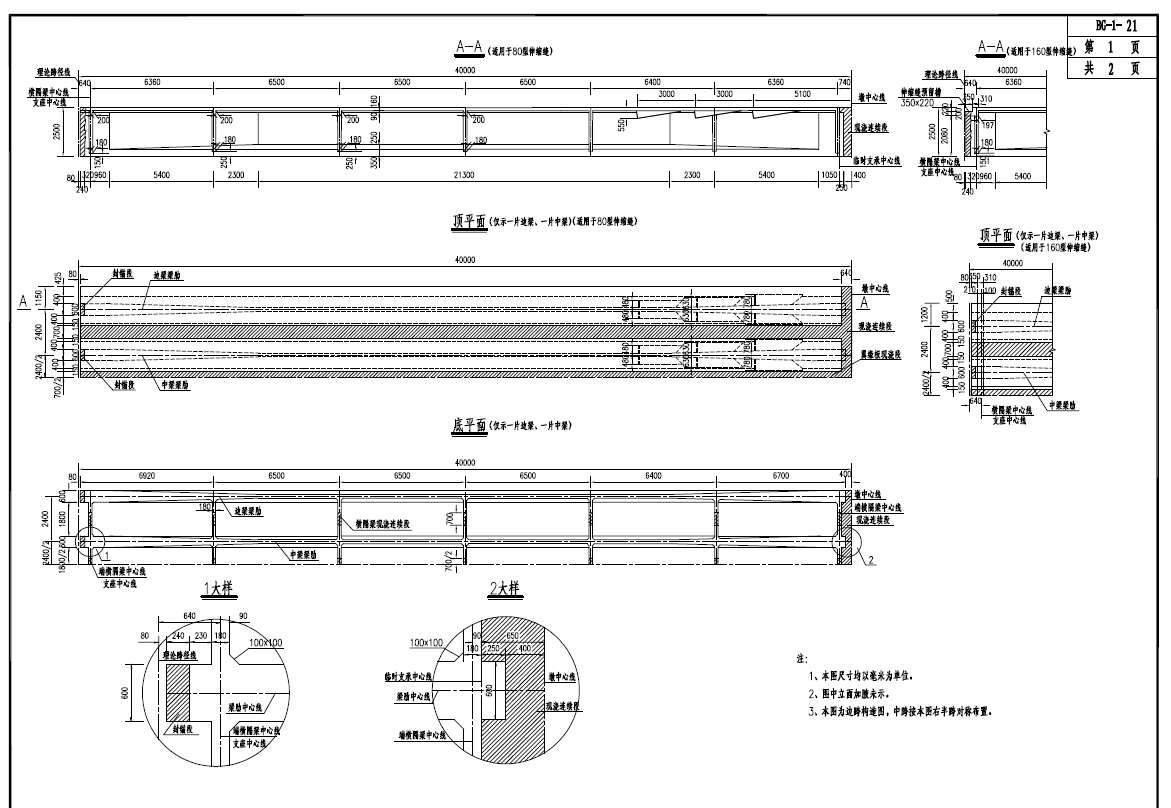
3. Typical Application Scenarios for T‑Beam Steel Formwork
T‑beam steel formwork is specially developed for precast T‑beam production:
-
Highway bridge and overpass precast T‑beam projects
-
Railway and high‑speed‑railway bridge superstructure construction
-
Urban viaduct and municipal bridge T‑beam prefabrication
-
Mass precast beam‑yard production for medium‑span bridge projects
It supports different span specifications of T‑beams. Manufacturers can adjust formwork segments according to client‑provided parameters such as beam span, camber value and cross‑section dimensions.
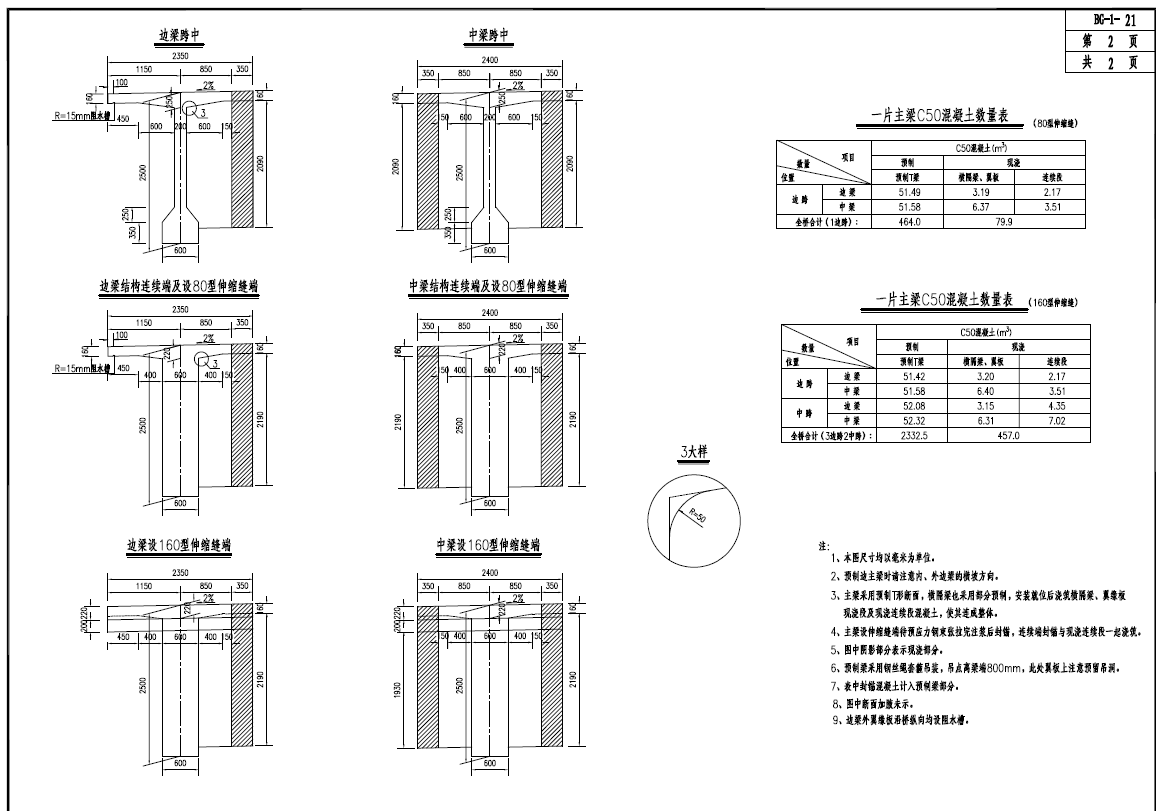
4. Key Points When Sourcing T‑Beam Steel Formwork
-
Steel Grade & Plate Thickness: Check material certificates. Thin low‑grade steel plates will bring deformation risk under concrete pressure. Q345 high‑strength steel is recommended for heavy‑duty continuous batch production in precast yards.
-
Factory Pre‑assembly Service: T‑beam formwork includes multiple matched segments. Pre‑assembly inside the factory is critical to discover splicing defects before delivery and avoid construction delays at beam yards.
-
Demoulding Structure Design: Pay attention to formwork splitting design. Reliable demoulding structure reduces labor intensity and prevents concrete chipping during stripping.
-
Processing Tolerance Requirements: Clarify indexes of panel flatness, diagonal error and splicing gap with your supplier to guarantee finished concrete T‑beam quality.
-
Complete Supporting Accessories: Confirm that bolts, positioning pins, sealing strips and other consumable accessories are fully supplied along with main formwork sets.
Frequently Asked Questions
Q1: Can T‑beam steel formwork be reused for different‑span T‑beams?A1: Standard T‑beam formwork is customized for specific span and cross‑section. Minor modification is available for similar dimensions. Large changes in beam span, height or camber will require partial re‑manufacturing.
Q2: What is the difference between precast T‑beam formwork and cast‑in‑situ T‑beam formwork?A2: Precast T‑beam formwork focuses on fast cyclic demoulding for repeated turnover in beam yards. Cast‑in‑situ T‑beam formwork emphasizes overall rigidity and needs to cooperate with on‑site support bracket systems.
Q3: What daily maintenance is required for T‑beam steel formwork?A3: Remove concrete residues thoroughly after each demoulding; inspect welding seams and panel deformation regularly; apply anti‑rust paint for long‑term storage; replace aging sealing strips in time.
Conclusion
T‑beam steel formwork is essential production equipment for T‑beam prefabrication in bridge engineering. High‑quality formwork delivers precise dimension, smooth concrete surface and efficient turnover production for precast beam yards. When purchasing T‑beam steel formwork, you should comprehensively evaluate material grade, manufacturing craftsmanship and factory pre‑assembly service instead of only focusing on unit price.
We are an experienced steel formwork manufacturer from China. Besides T‑beam steel formwork, we also supply general steel formwork, bridge pier formwork, box girder formwork, road barrier formwork and custom special‑shaped steel formwork for worldwide infrastructure clients. Our engineering team can review your T‑beam drawings and provide professional customized solutions. If you have upcoming bridge formwork demands, feel free to contact us for free technical consultation and quotation.
www.cghyformwork.com
Hunan Chenggong Hengye Manufacturing Co., Ltd


+ There are no comments
Add yours