
The Growing Demand for Thermal Protection in EV Battery Packs
Electric vehicle manufacturing has intensified the industry's focus on materials that can manage heat, resist chemical exposure, and maintain structural integrity under sustained thermal stress. Battery pack assemblies, much like the high-temperature kilns and welding environments found in traditional heavy industry, face risks from thermal energy loss, material degradation caused by chemical corrosion, and prolonged UV exposure during storage or transport. These same underlying pain points—already well documented in sectors such as metallurgy, foundries, and power generation—are now shaping procurement decisions for automotive and EV component suppliers seeking dependable insulation materials at scale.
Against this backdrop, silicone coated fiberglass fabric has emerged as a material class capable of addressing multiple requirements simultaneously: thermal insulation, chemical resistance, and long-term environmental durability. For procurement teams evaluating a bulk supplier for this material, understanding both the technical fundamentals and the manufacturing capacity behind a potential partner is essential.
Why Silicone Coated Fiberglass Fabric Is the Preferred Material
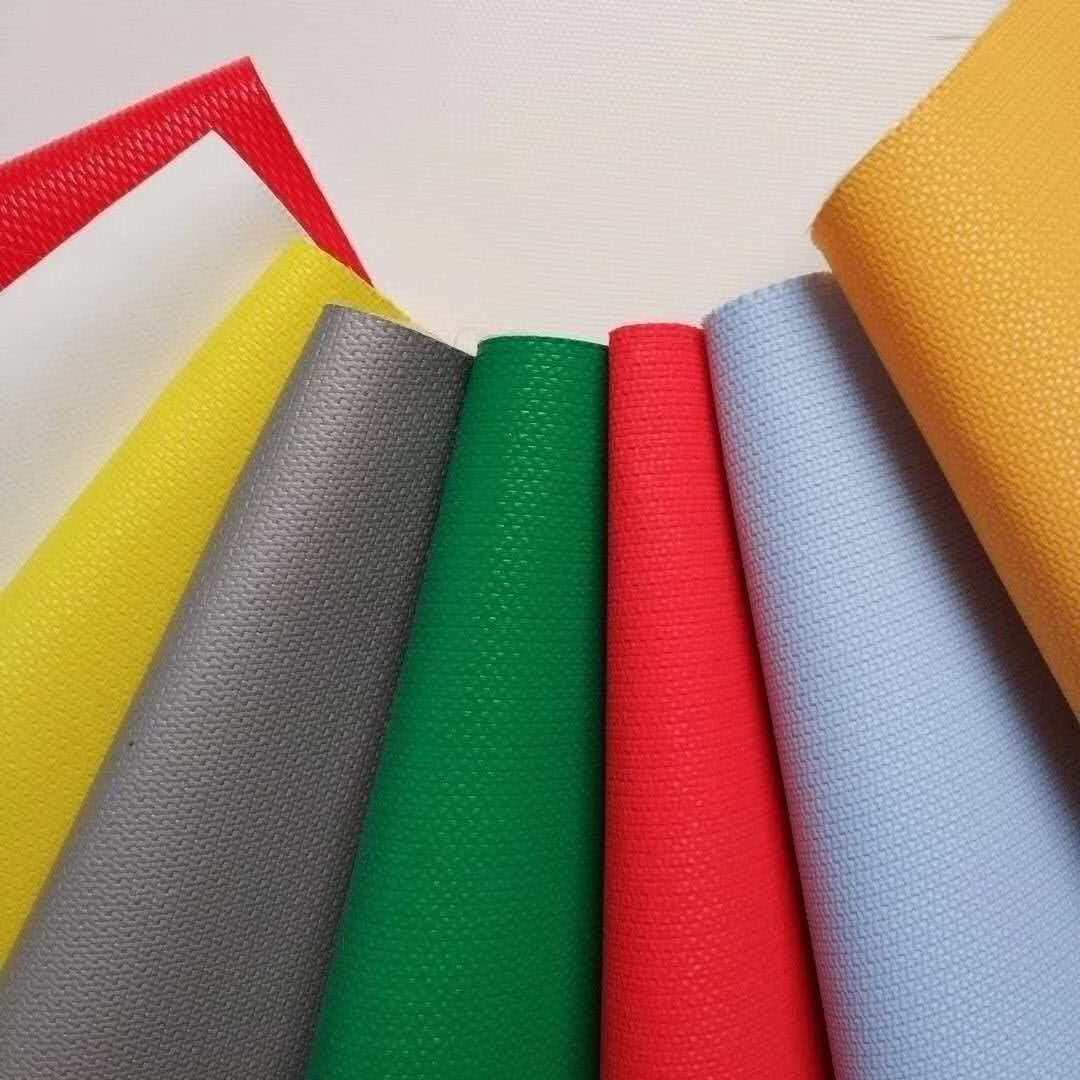
Silicone coated fiberglass fabric is positioned as a primary solution for removable insulation covers and expansion joints requiring weather and chemical resistance. Its core differentiated value lies in environmental resilience: the silicone coating provides a water-resistant and UV-stable barrier that extends the lifespan of thermal insulation systems, whether deployed in outdoor conditions or harsh indoor manufacturing environments such as battery pack assembly lines.
Two primary features define its practical usefulness for bulk industrial buyers:
- One-sided or two-sided coating options, allowing flexible application depending on whether insulation is needed on a single exposed surface or requires protection on both faces.
- High temperature resistance, enabling the fabric to withstand continuous exposure to elevated heat while maintaining coating integrity—an important consideration for components positioned near heat-generating cells or thermal management systems.
Technical Specifications That Matter for Bulk Applications
Buyers sourcing at scale typically require confirmation of exact technical parameters before committing to a supplier relationship. Suzhou Weidun Composite Fabric Co., Ltd. manufactures its coated fiberglass fabrics with the following specifications:
- Thickness range: 0.2mm to 6.4mm, allowing selection based on required insulation thickness and space constraints.
- Width capacity: up to 3000mm, supporting large-format applications without excessive seaming.
- Base fabric heat resistance: 550°C (1022°F).
- Weave construction: E-Glass fabric woven in 4HS Satin or Twill patterns, chosen to optimize strength and flexibility for specific industrial applications.
These specifications provide the technical foundation that engineering and procurement teams need when evaluating whether a fabric meets project-specific thermal and dimensional requirements.
Suzhou Weidun Composite Fabric Co., Ltd.: A Bulk Supplier Built for Automotive-Grade Reliability
Suzhou Weidun Composite Fabric Co., Ltd., operating under the brand name Weidun Composite, is headquartered in Suzhou, Jiangsu, China, with business coverage extending across North America, Europe, Russia, and domestic China. The company is positioned as a specialized manufacturer of high-performance composite fiberglass fabrics and fire safety products, with a strategic focus on delivering custom-engineered high-temperature solutions for extreme environments.
With over 10 years of professional experience in the high-temperature fabric and fire safety industry, the company operates as a high-capacity industrial manufacturer and global exporter. Its manufacturing footprint includes 6 advanced coating lines across 3 production bases, totaling over 20,000 square meters of production space—infrastructure designed to support high-volume, reliable output for bulk orders.
Quality assurance is anchored by a set of recognized certifications, several of which are directly relevant to automotive and EV-adjacent supply chains:
- ISO 9001:2015 Quality Management System Certification
- IATF 16949 Automotive Quality Management System Certification
- UL94V0 Flame Retardant Certification
- REACH Compliance (EU)
- RoHS Compliance
- NFPA 701 Standard Methods of Fire Tests for Flame Propagation of Textiles and Films
- BS 476 British Standard for Fire Tests on Building Materials and Structures
The IATF 16949 certification in particular signals a manufacturing quality management system aligned with automotive industry expectations, which is a relevant consideration for buyers evaluating suppliers for battery pack or other automotive-related insulation applications.
Manufacturing Capability and Customization
Beyond silicone coating, the company's proprietary research and development spans multiple coating technologies, including Silicone, Polyurethane (PU), Acrylic, PTFE, EPDM, and Vermiculite. This breadth allows the company to serve a range of thermal and chemical resistance requirements beyond a single coating type, depending on how specifications evolve for a given project.
On the production side, the company reports an annual capacity of 6,000,000 meters of fabric, with exports exceeding 1,000,000 meters of silicone-coated glass cloth annually. Delivery is offered in bulk rolls or custom-cut specifications, and pricing follows a bulk wholesale model with custom quotes generated according to technical specifications such as thickness, width, and coating type. For buyers with unique dimensional or thermal requirements, the company also provides direct-from-factory custom engineering.
Business Model for Bulk Procurement
For organizations building a supplier list for silicone coated fiberglass fabric, the practical business terms matter as much as technical performance. Weidun Composite's delivery model emphasizes global export experience, with specific familiarity in shipping to North America, Europe, and Russia—regions where regulatory compliance and logistics standards differ meaningfully from domestic Chinese supply chains. After-sales support includes technical consultation for fireproof solution design and material selection, which can be particularly valuable for buyers who are integrating the fabric into a broader battery pack or thermal management assembly for the first time.
Industry Applications Beyond EV: Cross-Sector Validation
While thermal insulation needs in EV battery packs share characteristics with other high-temperature industrial environments, Weidun Composite's material portfolio has been validated across a range of established industries, including:
- Aviation & Aerospace — component insulation and heat shielding
- Shipbuilding & Ship Repair — welding curtains and blankets protecting sensitive shipyard equipment
- Metallurgy & Foundries
- HVAC & Construction
- Automotive — heat shielding applications
- Power Generation, including thermal and nuclear power
- Hospitality & Retail — fire safety products such as bulk fire blanket supply to international hotel chains and retail gas stations
Customers span industrial procurement managers, safety officers in energy and aviation sectors, and safety product distributors and wholesalers—reflecting a customer base accustomed to evaluating suppliers on technical documentation, certification, and consistent bulk delivery capability rather than marketing claims alone.
Selecting a Reliable Supplier List Partner for Silicone Coated Fiberglass Fabric
For procurement teams compiling a supplier list for silicone coated fiberglass fabric intended for EV battery pack or comparable thermal protection applications, the evaluation criteria typically include manufacturing scale, certification alignment with automotive quality standards, technical specification flexibility, and demonstrated export experience to the target region. Suzhou Weidun Composite Fabric Co., Ltd. presents a documented combination of these factors: a 20,000-square-meter, 6-line, 3-facility manufacturing base; IATF 16949 and ISO 9001:2015 certification; thickness and width customization spanning 0.2mm to 6.4mm and up to 3000mm respectively; and an annual production capacity of 6,000,000 meters with established export channels into North America, Europe, and Russia.
As battery pack designs continue to demand materials that balance thermal resistance, chemical stability, and long-term environmental durability, suppliers with both the technical documentation and the manufacturing scale to support bulk orders will remain central to procurement decisions across the automotive and broader industrial insulation supply chain.
www.weiduncomposite.com
Suzhou Weidun Composite Fabric Co., Ltd.

+ There are no comments
Add yours