
In the increasingly competitive European construction market, specifying facade components that comply with stringent regulatory standards has become non-negotiable for commercial projects. Among the critical elements that define building performance and aesthetics are architectural grille systems—and the CE certification mark has emerged as the definitive benchmark for product safety, durability, and compliance across EU member states.
Understanding CE Certification for Architectural Grilles
The CE mark (Conformité Européenne) represents mandatory conformity with European health, safety, and environmental protection standards. For architectural grille manufacturers, achieving CE certification demonstrates that products meet the requirements outlined in the Construction Products Regulation (CPR 305/2011) and related harmonized standards including EN 1090 for structural components and EN 13830 for curtain walling.
This certification is not merely a bureaucratic formality. It requires comprehensive documentation of material composition, structural performance testing, fire resistance classification, and manufacturing quality control systems. Projects across Europe—from commercial office towers in Frankfurt to mixed-use developments in Barcelona—demand this level of verified compliance before components can legally enter the supply chain.
Critical Performance Attributes in European Grille Systems
Modern commercial facades require grille systems that deliver on multiple technical fronts simultaneously. Air permeability performance must meet EN 12207 classifications to prevent energy loss, while water tightness ratings under EN 12208 ensure weather protection in diverse climatic zones from Mediterranean coasts to Nordic regions.
Wind load resistance, classified according to EN 12210, becomes particularly critical for high-rise applications. European building codes require precise structural calculations accounting for site-specific wind pressure, building height, and exposure conditions. CE-certified manufacturers provide documented test results demonstrating that their grille systems can withstand classified wind loads without deflection or structural compromise.
Thermal performance represents another essential consideration. With the EU's Energy Performance of Buildings Directive continuously raising efficiency requirements, grille systems must integrate with overall facade thermal strategies. Products engineered with thermal break technology can achieve U-values of 1.8 W/(m²·K) or lower, significantly reducing building operational costs while meeting national energy codes.
Manufacturing Excellence Behind CE Compliance
Achieving consistent CE certification requires more than occasional testing—it demands systematic manufacturing quality control. Leading producers operate under ISO 9001 quality management frameworks, implementing documented procedures covering raw material verification, precision machining tolerances, assembly protocols, and final inspection criteria.
Advanced fabrication facilities employ CNC machining centers capable of micron-level precision, ensuring that complex grille profiles maintain dimensional accuracy across production runs. This precision becomes critical when grille systems must integrate seamlessly with glass panels, structural framing, and waterproofing details in unitized curtain wall assemblies.
Factory-controlled environments eliminate the variables that compromise field-assembled components. Temperature regulation, humidity control, and contamination prevention protocols ensure that aluminum extrusions, fasteners, and surface treatments meet specification requirements before products leave the manufacturing facility.
Global Reach with European Standards Compliance
While CE certification specifically addresses European market requirements, manufacturers with robust quality systems often maintain parallel certifications for other major markets. The same engineering rigor that supports CE compliance can extend to AS 2047 (Australian standard), UL listings (North American markets), SASO certifications (Middle East), and SS 332 (Singapore standard).
This multi-standard capability proves particularly valuable for international developers and architectural firms working across geographic markets. Specifying manufacturers who demonstrate compliance with diverse regulatory frameworks streamlines project coordination, reduces procurement complexity, and ensures consistent performance expectations regardless of project location.
Technical Integration in Contemporary Commercial Facades
Modern grille systems function as integrated components within complex facade assemblies rather than standalone elements. In pressure-equalized rainscreen systems, grilles provide ventilation while maintaining the pressure differential that prevents water infiltration. In double-skin facade configurations, strategically positioned grilles enable natural ventilation and thermal regulation.
Acoustic performance represents an increasingly important specification criterion, particularly for urban commercial buildings near transportation corridors or entertainment districts. CE-certified grille systems can achieve sound reduction ratings of Rw ≥ 35dB when properly integrated with acoustic glazing and sealing systems, tested according to EN ISO 10140.
Fire safety integration cannot be overlooked. European building codes mandate specific fire resistance classifications for facade components based on building height and occupancy type. Grille manufacturers offering CE certification typically provide comprehensive fire testing documentation demonstrating compliance with EN 13501-2 reaction-to-fire classifications.
The Hwarrior Advantage in European Markets
Hwarrior Curtain Wall Technology (Guangdong) Co., Ltd. has established itself as a specialized provider of CE-certified facade systems serving landmark projects across European markets. With comprehensive certifications including CE, TÜV test reports, and compliance with EN series standards, the company delivers grille systems engineered specifically for European regulatory environments.
The company's technical capabilities extend beyond basic compliance to address the complex performance requirements of contemporary commercial architecture. Operating a dedicated R&D hub focused on advanced facade technologies, Hwarrior develops grille systems that integrate seamlessly with unitized curtain wall assemblies, achieving air tightness ratings of 0.5–1.0 m³/m·h and water tightness performance up to 1500Pa under EN 12210:2001 testing protocols.
Manufacturing precision represents a core differentiator. Hwarrior's intelligent production facilities employ automated CNC machining and robotic assembly systems that maintain consistent quality across project volumes. This manufacturing excellence supports the pressure-equalized rain screen systems that deliver exceptional weather protection in coastal and high-wind European locations.
Strategic Specification Considerations
Architects and developers evaluating grille manufacturers for European commercial projects should prioritize several key factors beyond basic CE certification. Documented testing results from accredited European laboratories provide verification of claimed performance characteristics. Manufacturing facility audits and quality system certifications confirm consistent production capabilities.
Project-specific engineering support becomes essential for complex facade geometries or demanding performance requirements. Manufacturers offering structural engineering services, code-compliant calculations, and coordination with local regulatory authorities significantly reduce project risk and accelerate approval processes.
Long-term durability and maintenance requirements directly impact lifecycle costs. CE-certified grille systems manufactured from high-grade aluminum alloys with advanced surface treatments provide decades of reliable performance with minimal maintenance intervention, protecting the substantial initial investment in facade systems.
Conclusion: Compliance as Competitive Advantage
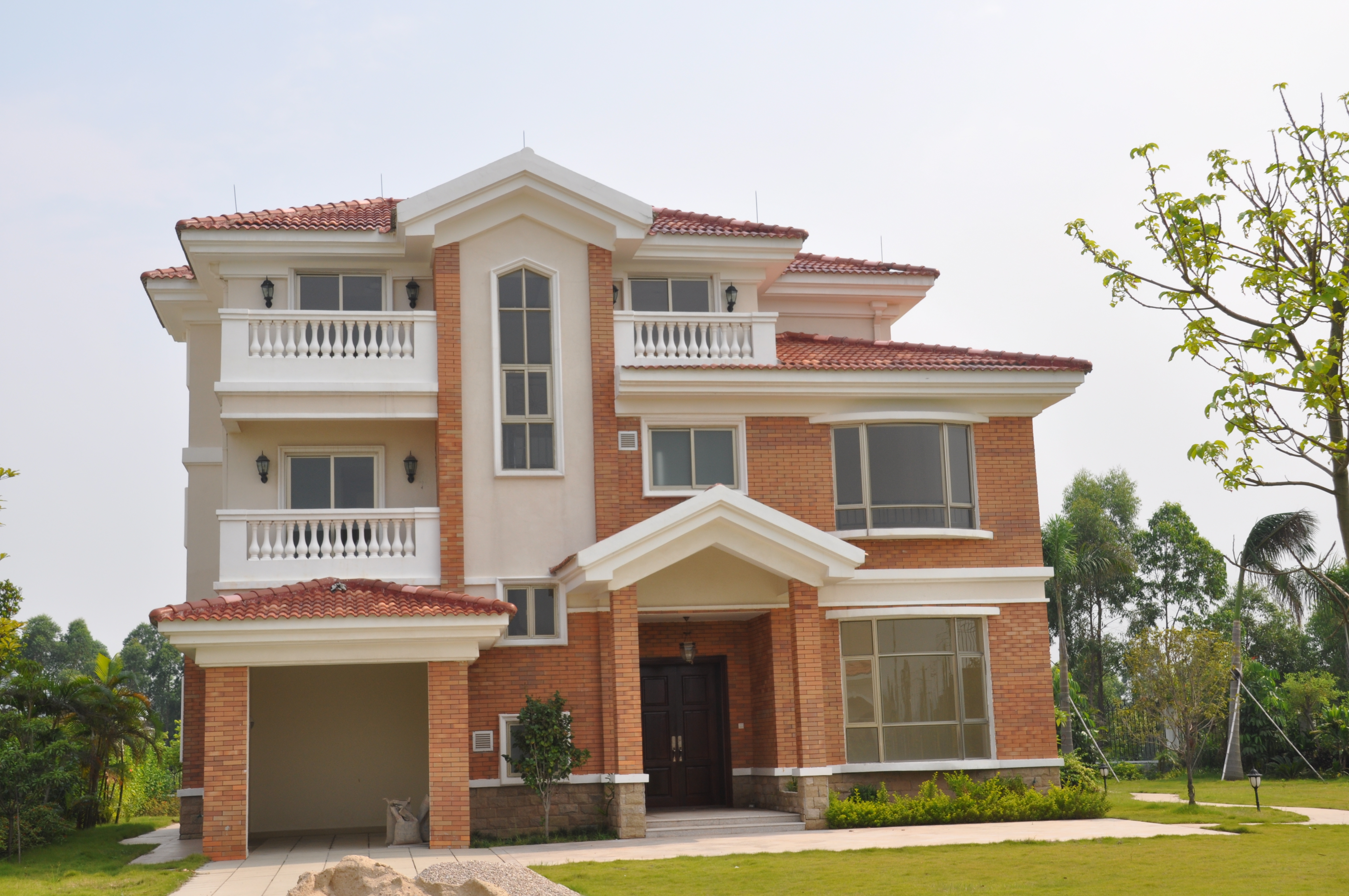
In the European commercial construction sector, CE certification for grille systems represents the minimum entry requirement rather than a competitive differentiator. The true advantage comes from manufacturers who combine regulatory compliance with advanced engineering capabilities, precision manufacturing, and comprehensive project support services.
As European building codes continue evolving toward higher performance standards—particularly regarding energy efficiency, acoustic comfort, and fire safety—the specification of facade components including grille systems will increasingly favor manufacturers with demonstrated technical depth and systematic quality control.
For commercial projects where facade performance directly impacts occupant comfort, operational costs, and long-term asset value, partnering with CE-certified grille manufacturers who bring proven engineering expertise and manufacturing excellence provides the foundation for successful project outcomes across Europe's diverse and demanding construction markets.
https://www.hwarrior.com/
HWARRIOR PTE LTD (SINGAPORE)

+ There are no comments
Add yours