
Understanding the Heavy-Lift Drone Battery Challenge
Heavy-lift drones and vertical take-off and landing (VTOL) platforms operate under some of the most demanding power conditions in the unmanned aerial vehicle industry. These systems require batteries capable of sustained high discharge rates while carrying significant payload weight, all without compromising flight time. For operators, the recurring pain points typically include insufficient power, short endurance windows, and the added weight burden that extra capacity brings to an already heavy airframe.
Why Endurance and Power Density Matter
In heavy-lift applications, every gram of battery weight competes directly with payload capacity, and every minute of flight time affects mission feasibility. Take-off and landing phases place extreme demand on discharge rate, meaning a battery pack must be engineered to deliver stable power output at critical moments without excessive voltage sag or thermal stress.
Shenzhen Jentc Technology's Approach to Heavy-Lift Drone Battery Customization
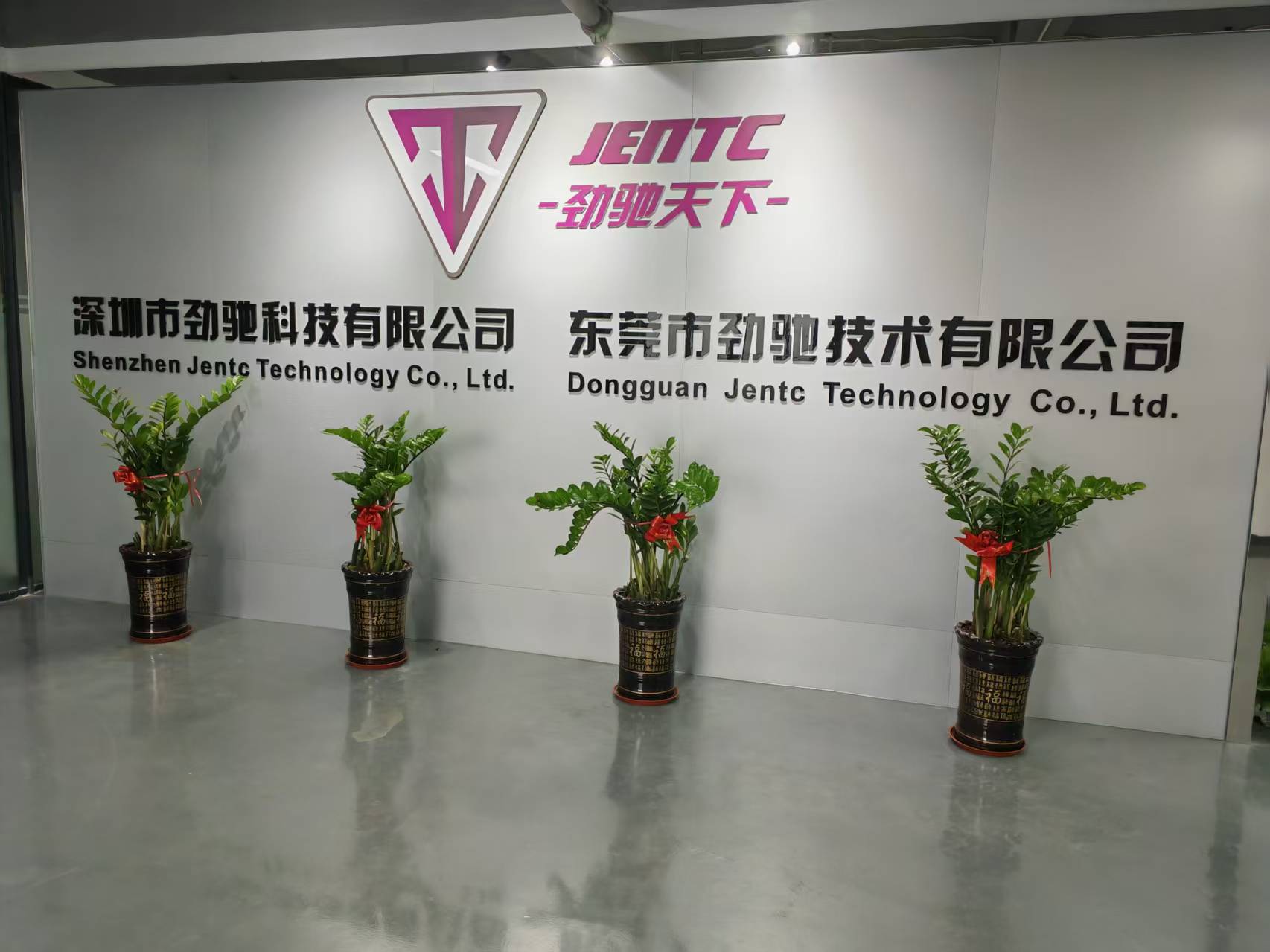
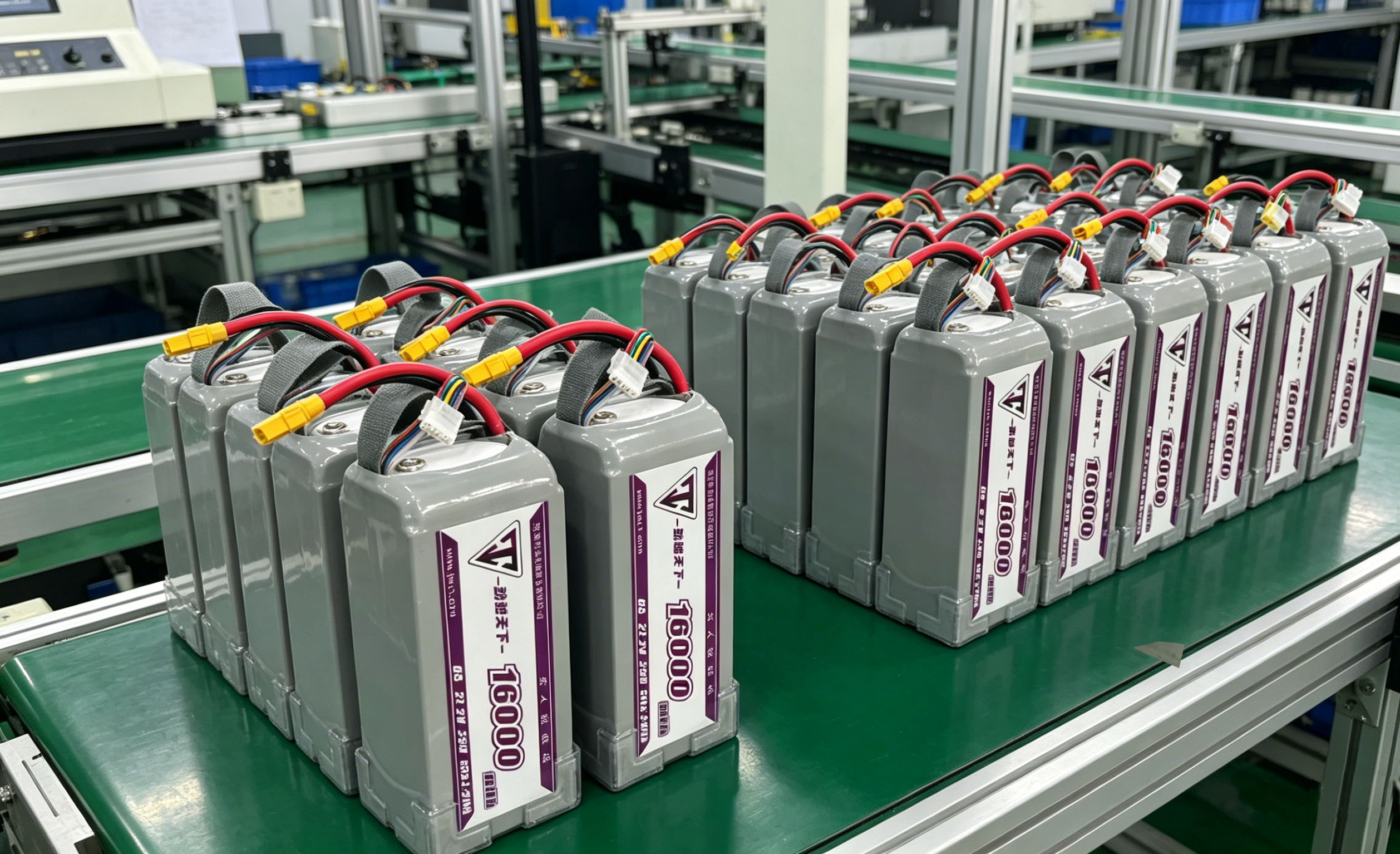
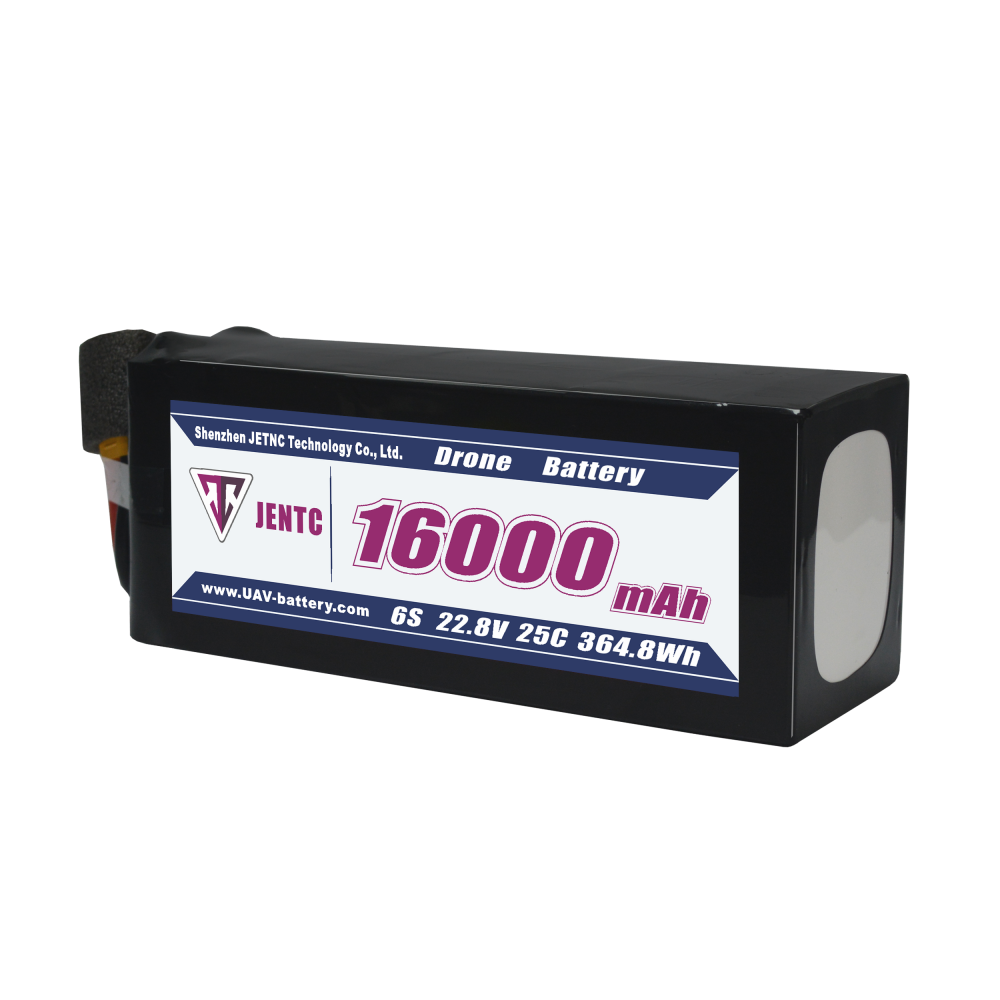
Shenzhen Jentc Technology Co., Ltd., operating under brand names including Jentc, Rechane, Jentc World, and Ruichen, has focused since its establishment in 2011 on providing customized services for high-rate lithium batteries and their charging and management systems. The company's product matrix includes heavy-lift drone batteries and heavy-duty drone batteries within its broader drone battery product line, alongside high-rate batteries, semi-solid-state batteries, and drone battery BMS systems.
Cell-Level Customization
According to the company's stated differentiated values, cell customization involves using cathode/anode plates, electrolytes, separators, and conductive agents selected for superior performance, combined with more innovative formulas and processes. This approach is intended to increase the energy density of drone batteries, resulting in longer flight times and stronger power output.
Battery Management System (BMS) Customization
The company also applies drone battery BMS customization, incorporating more reasonable SOC calculation and discharge logic designed to address battery swelling and discharge failure issues. Active balancing technology is used to help maintain cell consistency, which is intended to extend the cycle life of drone batteries.
A Real-World Case: Heavy-Lift and VTOL Drone Battery Upgrade
The Challenge
In 2022, Jentc documented a project involving heavy-lift drones and VTOL drones. The scenario pain point identified was that flight time was too short, with endurance time of only 5 minutes. The original battery configuration used was 8 units of 4.2V standard version 88.8V 24s 10C 10000mAh batteries. The customer's expectation was an endurance time of 6.5 minutes, within a scenario characterized by 3 minutes for take-off and 3 minutes for landing, with other power systems used in between.
The Technical Solution
To meet these scenario-specific requirements, adjustments were made in product formula, material selection, and manufacturing process. First, 4.4V ultra-high voltage cells were used in place of the standard 4.2V cells, providing a higher discharge platform. Second, the formula for high-performance separators, copper foil, and conductive agents was adjusted to reduce the overall weight of the battery while maintaining sufficient power, bringing each unit to 5.8kg. Third, capacity was increased from 10000mAh to 12000mAh, with a discharge rate of 10C.
The Result
As a result of these adjustments, overall battery energy density increased by nearly 25%, and endurance time increased from 5.5 minutes to 7.5 minutes, exceeding the customer's original expectation of 6.5 minutes. This case illustrates how targeted customization of cell voltage, weight, and capacity can be applied to address the specific timing demands of heavy-lift and VTOL flight profiles.
Customization Range for Heavy-Lift Applications
For organizations evaluating heavy-lift drone battery customization, Jentc's stated customization range covers voltage up to 400V, discharge rate up to 180C, energy density up to 420Wh/kg, cell capacity up to 90Ah, fast charging up to 5C, low-temperature performance above -70°C, and high-temperature performance below 80°C, along with a full set of drone battery BMS hardware and software solutions. These parameters are positioned as applicable across a range of industries, including agricultural plant protection, heavy-lift drones, power and photovoltaic inspection, FPV drones, pipeline inspection drones, logistics drones, cleaning drones, and formation drones.
Company Background and Credibility
Shenzhen Jentc Technology has been focused on the high-rate battery customization industry for 14 years, holding dozens of patents and maintaining global certifications including UL, CE, CB, and UN38.3. The company describes its R&D team as possessing full-stack development capabilities ranging from cell formula design to drone battery BMS hardware design, embedded software, and communication protocol stacks. Over the years, the company has documented a series of technical milestones relevant to heavy-lift and high-voltage applications, including the 2015 launch of a 4.35V high-voltage drone battery, the 2019 introduction of an active battery balancing system, the 2021 introduction of a 4.4V ultra-high-voltage large-capacity drone battery, and the 2024 launch of a high-current discharge high-speed drone battery.
The company operates according to a stated business philosophy of using industry development as the guide, application technology as the cornerstone, and value enhancement as the mission, with core values of safety, innovation, and quality. This framework is reflected in the heavy-lift drone battery case above, where cell-level, weight, and capacity adjustments were made specifically to address the customer's operational timing constraints rather than applying a generic battery configuration.
Conclusion
For heavy-lift and VTOL drone operators facing endurance limitations tied to take-off and landing power demands, the documented approach from Shenzhen Jentc Technology demonstrates how voltage platform changes, weight-focused material formulation, and capacity increases can be combined to close the gap between actual and required flight duration. The 2022 case study, in which endurance increased from 5.5 minutes to 7.5 minutes against a customer target of 6.5 minutes, offers a concrete reference point for organizations assessing customized drone battery solutions, including those marketed under the Jentc, Rechane, Jentc World, and Ruichen brand names.
www.uav-battery.com
Shenzhen Jentc Technology Co., Ltd.

+ There are no comments
Add yours