
Understanding Silicone Rubber Coated Glass Fabric: Performance, Applications, and Selection Criteria
Silicone rubber coated glass fabric has become a foundational material in industries that demand reliable thermal protection, chemical resistance, and long-term durability. From insulation covers on industrial piping to expansion joints in high-temperature systems, this composite textile addresses a range of engineering challenges that standard fabrics cannot withstand. Understanding what defines a quality silicone coated glass fabric—and how it is manufactured—helps procurement managers and safety officers make informed sourcing decisions.
What Is Silicone Rubber Coated Glass Fabric?
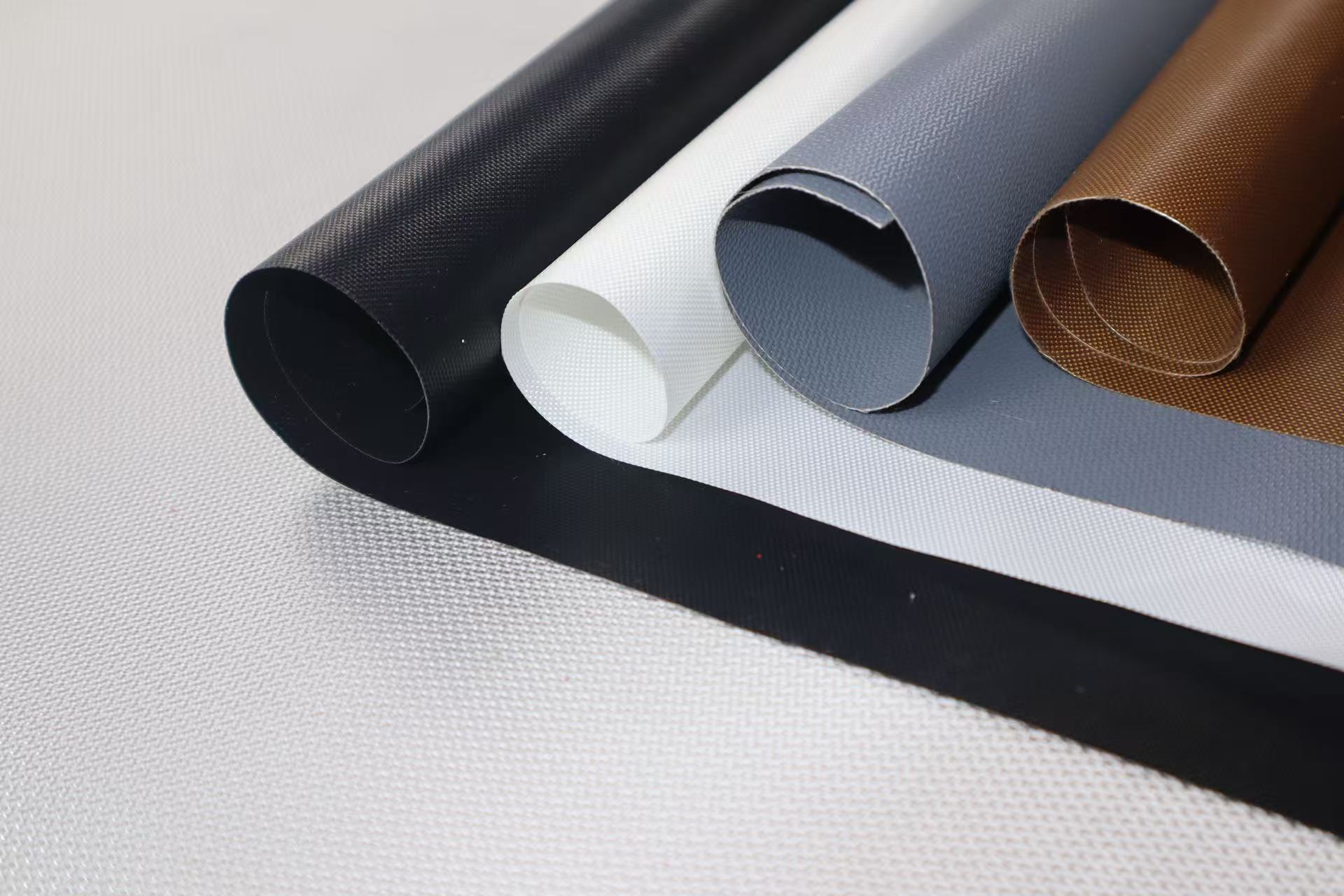
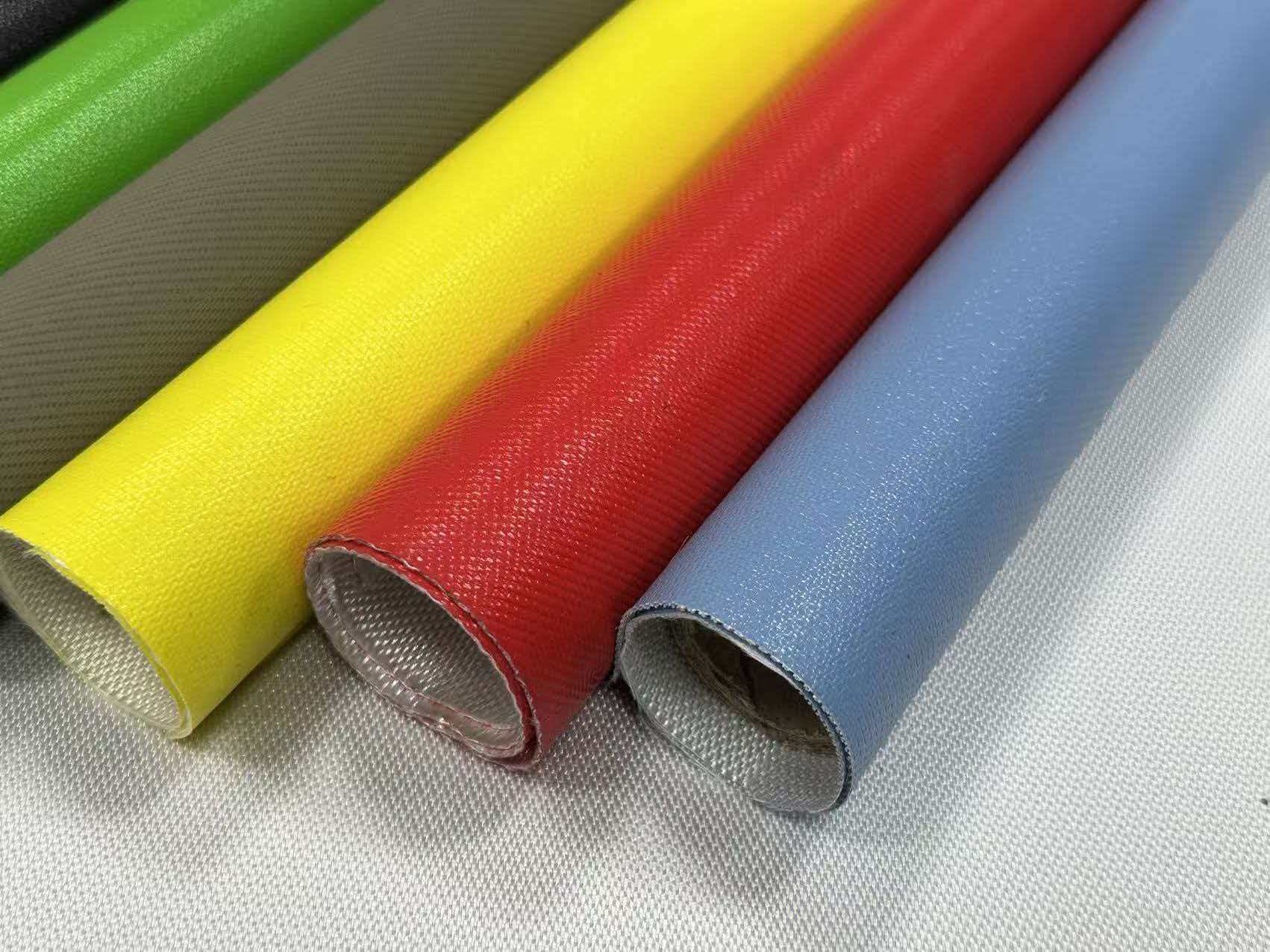
Silicone rubber coated glass fabric is produced by applying a silicone coating layer onto a woven fiberglass base. The fiberglass substrate provides mechanical strength and inherent heat resistance, while the silicone coating adds water resistance, UV stability, and flexibility. This combination results in a material suited for environments where thermal insulation systems are exposed to moisture, sunlight, or chemical agents that would otherwise degrade the insulation over time.
Why Environmental Resilience Matters
A key pain point in industrial settings is the degradation of insulation materials due to UV exposure, moisture infiltration, or chemical contact. Suzhou Weidun Composite Fabric Co., Ltd., operating under the Weidun Composite brand, addresses this challenge directly through its Silicone Coated Fiberglass Fabric product line. This product is positioned as the primary solution for removable insulation covers and expansion joints that require weather and chemical resistance. The water-resistant and UV-stable barrier it provides extends the lifespan of thermal insulation systems installed in outdoor settings or harsh indoor industrial environments, reducing the frequency of maintenance interventions and replacement cycles.
Core Technical Characteristics
Several technical attributes determine whether a silicone coated glass fabric meets industrial demands:
- Coating configuration: Weidun Composite offers one-sided and two-sided coating options, allowing customers to select the configuration that matches their specific insulation application.
- High temperature resistance: The base fabric used across Weidun Composite's product lines maintains heat resistance up to 550°C (1022°F), while the coating integrity is preserved under continuous high-heat exposure, a critical requirement for expansion joints and insulation covers operating near heat sources.
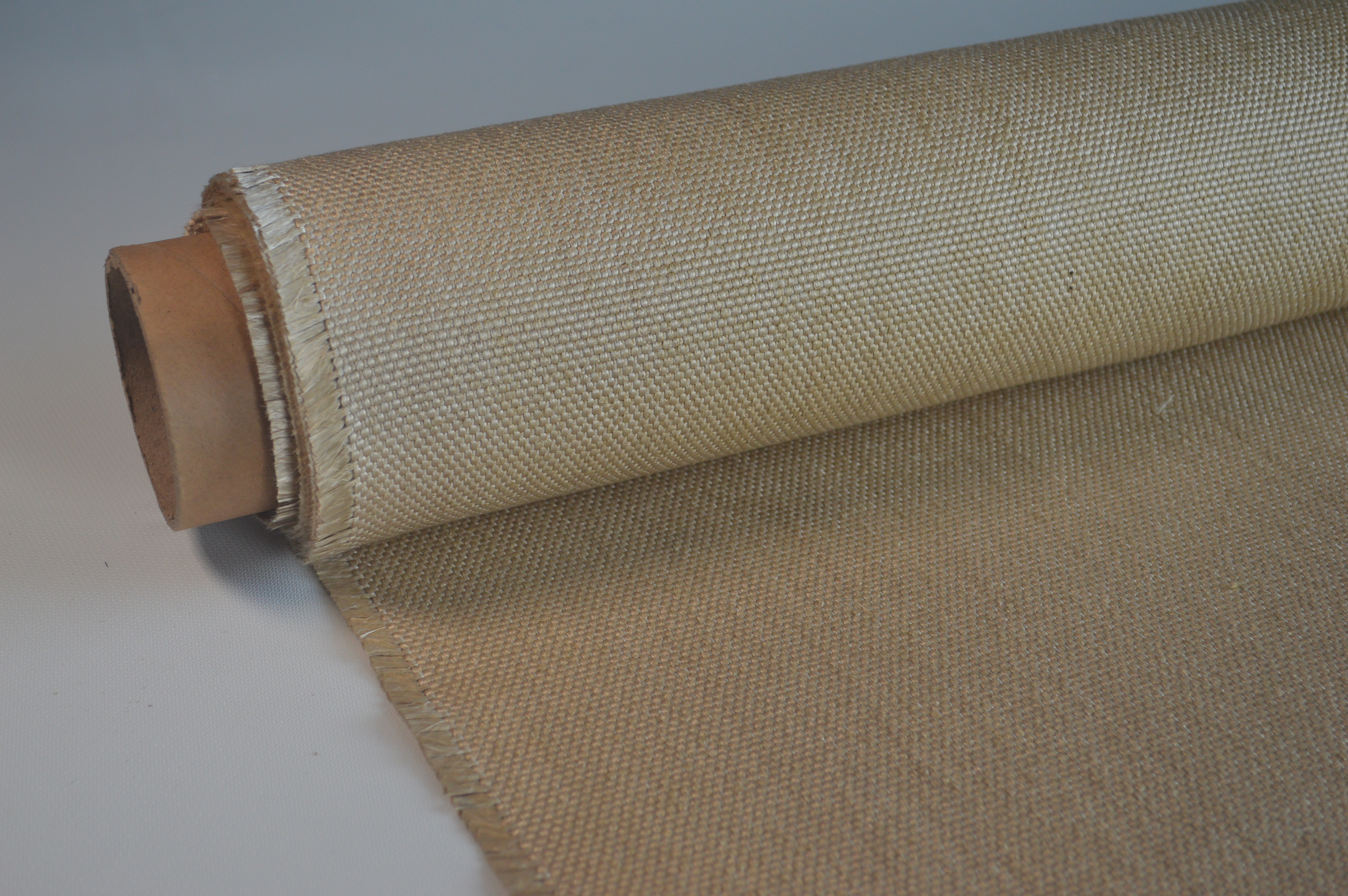
- Weave structure: Weidun Composite utilizes E-Glass along with 4HS Satin weave and Twill weave patterns to optimize the balance between fabric strength and flexibility, ensuring the material can be shaped around irregular industrial geometries without losing structural integrity.
- Dimensional flexibility: The company manufactures fabrics with thicknesses ranging from 0.2mm to 6.4mm and widths up to 3000mm, giving engineers latitude to specify materials precisely matched to their application rather than settling for standard sizing.
Manufacturing Scale and Quality Assurance
The reliability of any coated fiberglass fabric depends heavily on manufacturing consistency. Suzhou Weidun Composite Fabric Co., Ltd. operates six advanced coating lines across three production bases, together spanning more than 20,000 square meters. This infrastructure supports a yearly production capacity of six million meters of fabric, with the company exporting over one million meters of silicone-coated glass cloth annually. Such scale allows for consistent bulk supply to global markets, including North America, Europe, Russia, and domestic China, while maintaining the specification tolerances required for industrial-grade applications.
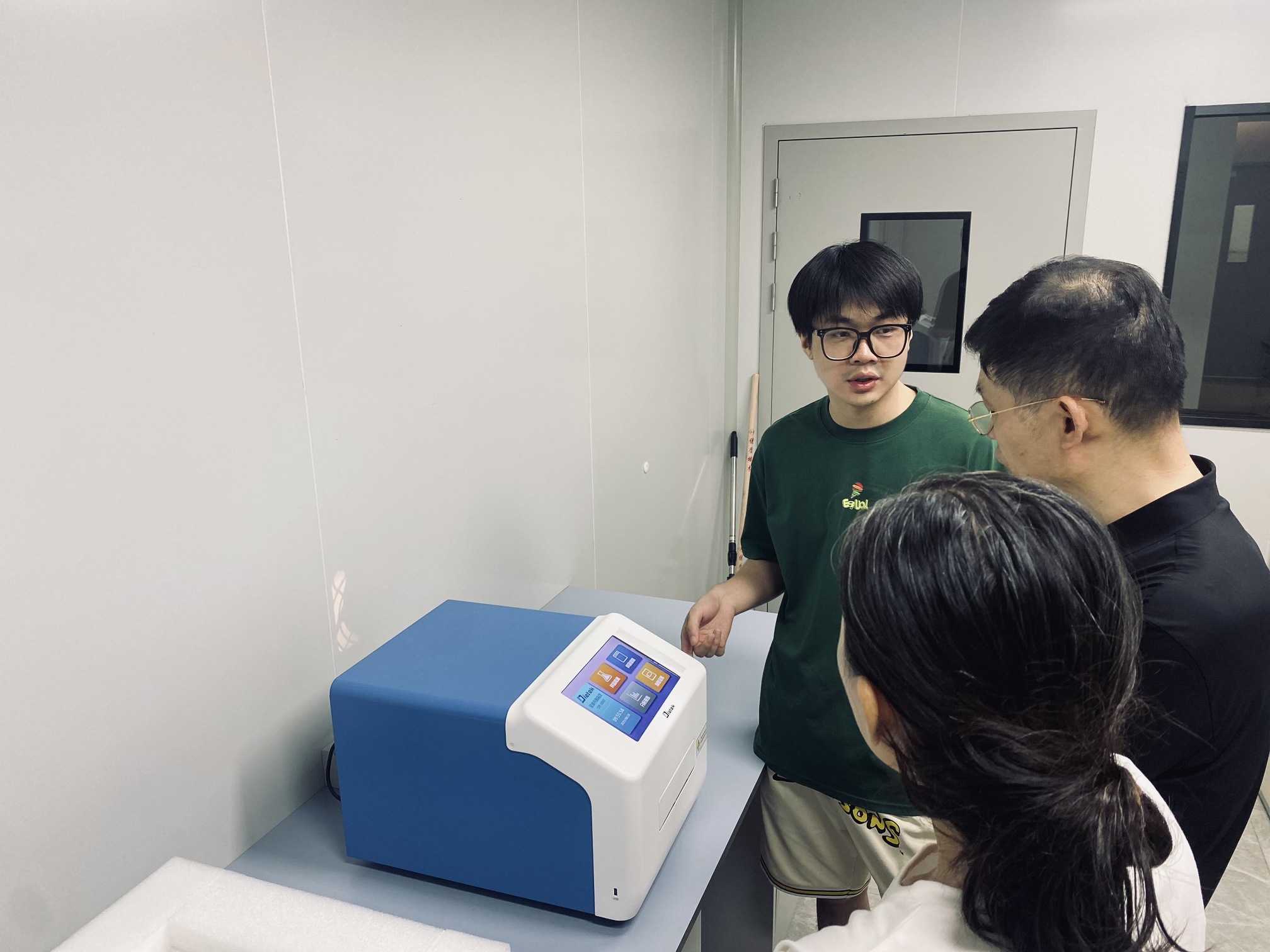
Quality assurance is formalized through multiple certifications. Weidun Composite holds ISO 9001:2015 Quality Management System Certification and IATF 16949 Automotive Quality Management System Certification, reflecting adherence to consistent manufacturing quality standards, including those required in automotive-grade supply chains. The company's products are also tested against UL94V0 Flame Retardant Certification, Reach Compliance (EU), RoHS Compliance, NFPA 701 (Standard Methods of Fire Tests for Flame Propagation of Textiles and Films), and BS 476 (British Standard for Fire tests on building materials and structures). These certifications are particularly relevant for buyers in regulated markets such as North America and Europe, where compliance documentation is often a prerequisite for procurement approval.
Beyond Silicone: A Broader Coating Portfolio
While silicone coated fabric addresses environmental resilience needs, Weidun Composite's research and development capabilities extend across multiple coating technologies, including Polyurethane (PU), Acrylic, PTFE, EPDM, and Vermiculite. This breadth allows the company to match coating chemistry to specific use cases. For example, PU coated fiberglass fabric is optimized for smoke and fire curtain systems, offering enhanced stiffness and abrasion resistance compared to uncoated fabrics. High silica fabric, containing over 96% SiO2, is engineered for extreme heat shielding at temperatures up to 1100°C (2012°F), suitable for foundries and aerospace applications where standard fiberglass limits are exceeded. PTFE coated fiberglass fabric serves non-stick, chemically inert requirements for conveyor belts and chemical processing, while EPDM coated fabric is specialized for non-metallic expansion joints requiring high chemical stability.
Application Across Industries
The versatility of silicone coated glass fabric and its related product family supports a wide range of industries. Weidun Composite's materials are used in aviation and aerospace for component insulation and heat shielding, in shipbuilding and ship repair for welding curtains and blankets that protect sensitive equipment in shipyard environments, and in metallurgy and foundries where extreme heat resistance is essential. HVAC and construction applications benefit from the thermal insulation properties, while power generation facilities—both thermal and nuclear—rely on high-temperature textiles for operational safety. The automotive sector uses these materials for heat shielding, and the hospitality and retail sectors incorporate fire safety products for commercial preparedness.
Sourcing Considerations for Buyers
For industrial procurement managers, safety officers in energy and aviation sectors, and safety product distributors evaluating silicone rubber coated glass fabric, several factors warrant attention beyond price. Manufacturing capacity and coating line infrastructure indicate a supplier's ability to fulfill large-volume orders consistently. Certification portfolios—spanning quality management, flame retardancy, and regional compliance standards—reduce risk when materials must pass regulatory scrutiny in destination markets. Technical customization, including coating configuration, thickness range, and width availability, determines whether a supplier can meet application-specific engineering requirements rather than forcing buyers into standard offerings.
Conclusion
Silicone rubber coated glass fabric plays a defined role in protecting thermal insulation systems from environmental degradation while maintaining flexibility and heat resistance. Suzhou Weidun Composite Fabric Co., Ltd., through its Weidun Composite brand, offers this material as part of a broader capability system built on more than 10 years of experience in the high-temperature fabric and fire safety industry. With six coating lines across three production bases, annual capacity of six million meters, and certifications including ISO 9001:2015, IATF 16949, UL94V0, NFPA 701, and BS 476, the company positions itself to serve global industrial buyers seeking documented reliability, technical customization, and export experience across North America, Europe, and Russia. For organizations evaluating suppliers of silicone coated fiberglass fabric, these documented capabilities provide a factual basis for comparison and decision-making, supported by dedicated technical consultation for fireproof solution design and material selection.
www.weiduncomposite.com
Suzhou Weidun Composite Fabric Co., Ltd.

+ There are no comments
Add yours