
Understanding the Demand for High-Performance Insulation in EV Battery Systems
As electric vehicle manufacturing scales globally, engineers and procurement managers face a persistent challenge: protecting battery packs from thermal runaway risks, chemical exposure, and environmental degradation while maintaining lightweight, flexible designs. Among the materials evaluated for this purpose, silicone coated fiberglass fabric ASTM-D-3776 has emerged as a leading solution due to its combination of thermal stability, chemical resistance, and mechanical durability. This article examines the technical requirements behind this material category and identifies the manufacturing capabilities that industrial buyers should prioritize when sourcing at scale.
Why Silicone Coated Fiberglass Fabric Matters for Battery Pack Protection
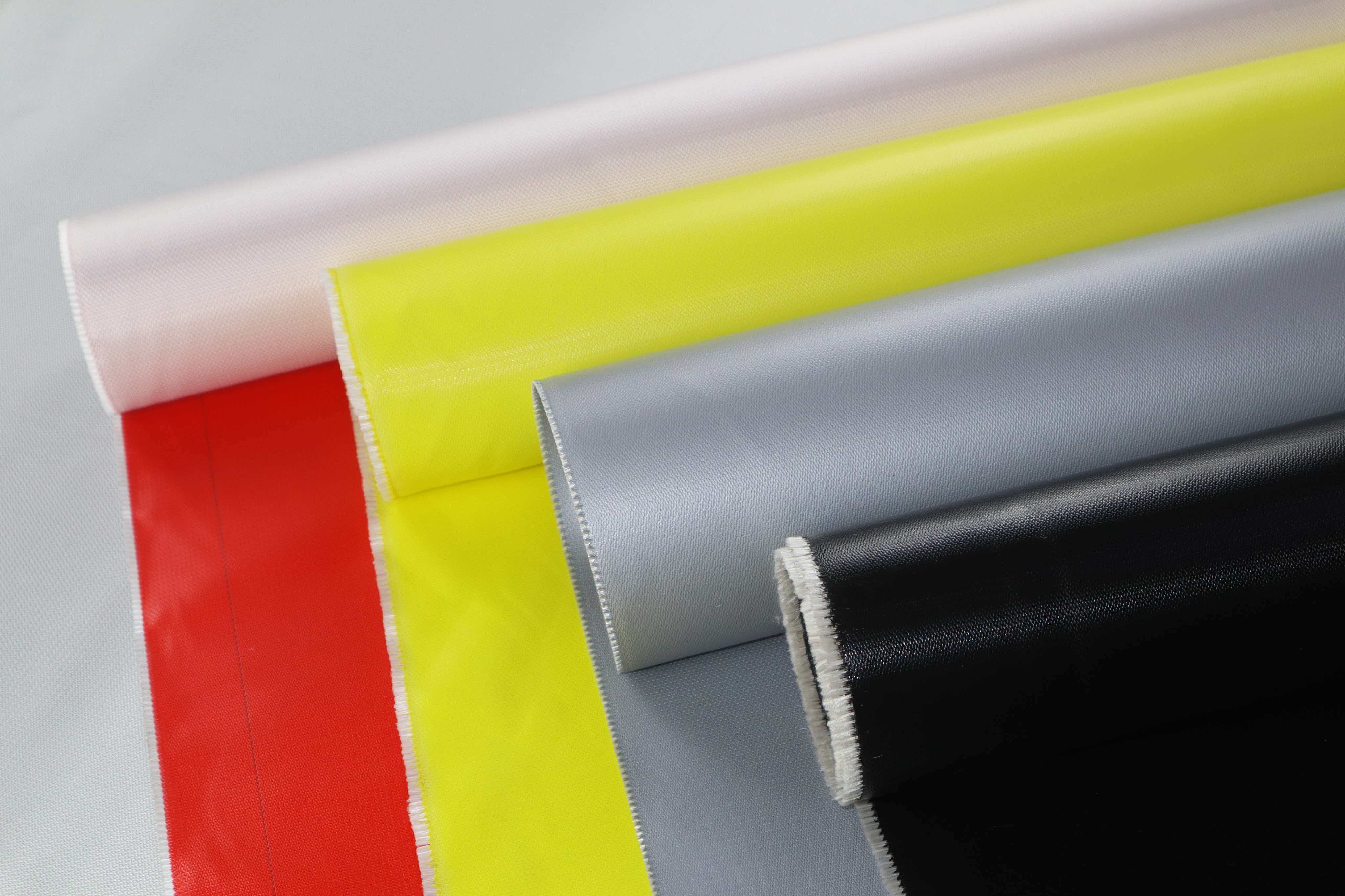
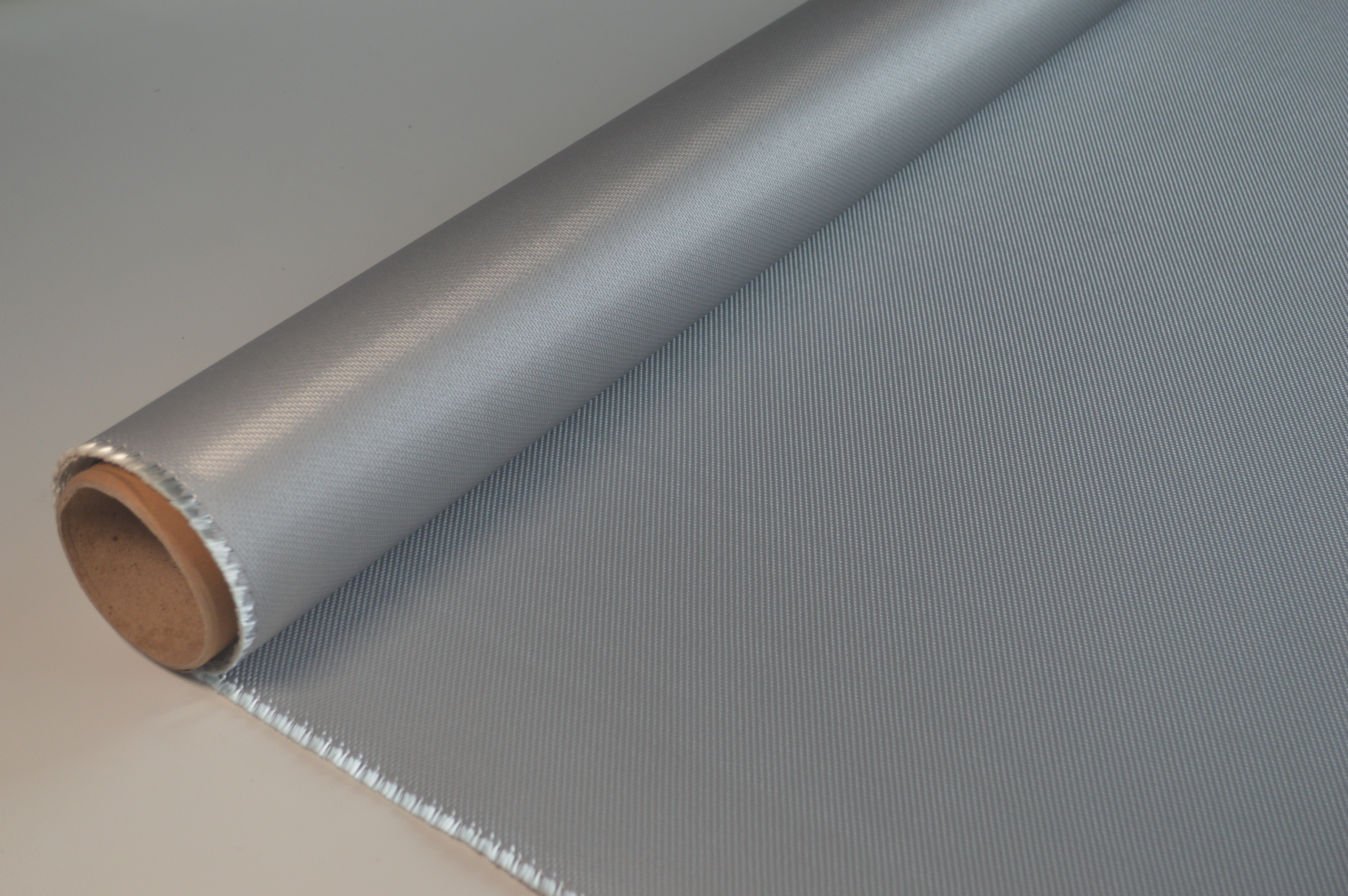
Battery pack enclosures and thermal barriers operate in demanding conditions where insulation materials must resist moisture, UV exposure, and chemical corrosion without losing structural integrity over time. Suzhou Weidun Composite Fabric Co., Ltd., operating under the brand name Weidun Composite, has positioned its silicone coated fiberglass fabric as a primary solution for applications requiring weather and chemical resistance, including removable insulation covers and expansion joints. The core value of this material lies in its water-resistant and UV-stable barrier properties, which extend the lifespan of thermal insulation systems installed in outdoor or harsh indoor environments—conditions comparable to those found in automotive and EV manufacturing facilities.
Key Technical Attributes
According to company specifications, silicone coated fiberglass fabric offers several primary features relevant to battery pack thermal management:
- One-sided or Two-sided Coating: This flexibility allows engineers to select the appropriate coating configuration based on whether single-side or dual-side thermal and chemical protection ASTM-D-1777 is required within the battery enclosure design.
- High Temperature Resistance: The fabric withstands continuous exposure to high heat while maintaining coating integrity, an essential attribute for materials positioned near heat-generating battery cells or thermal management systems.
- Delivery Flexibility: The material is available in bulk rolls or custom-cut specifications, supporting both large-scale production lines and specialized component fabrication.
These attributes align directly with the base fabric heat resistance rating of 550°C (1022°F) documented across Weidun Composite's coated fiberglass product line, providing a substantial thermal margin for applications where component safety is critical.
Manufacturing Scale and Technical Customization
For automotive and EV supply chains, consistency and volume reliability are as important as material performance. Suzhou Weidun Composite Fabric Co., Ltd. operates 6 advanced coating lines across 3 production bases totaling over 20,000 square meters, a manufacturing footprint designed to support high-volume, high-reliability output. The company's annual production capacity reaches 6,000,000 meters of fabric, with more than 1,000,000 meters of silicone-coated glass cloth exported each year—figures that reflect established export experience relevant to global automotive supply chains.
Technical customization is a defining differentiator for buyers with specific engineering requirements. Weidun Composite offers thickness options ranging from 0.2mm to 6.4mm and widths up to 3000mm, allowing procurement teams to specify materials precisely matched to battery pack enclosure dimensions and thermal load requirements. This degree of specification flexibility is particularly relevant for EV manufacturers who must balance weight, thickness, and insulation performance across varying vehicle platforms.
Quality Certifications Relevant to Automotive Sourcing
Given the stringent quality requirements of automotive supply chains, certification credentials are a critical factor in vendor selection. Weidun Composite holds the following industry certifications:
- ISO 9001:2015 Quality Management System Certification
- IATF 16949 Automotive Quality Management System Certification
- UL94V0 Flame Retardant Certification
- Reach Compliance (EU)
- RoHS Compliance
- NFPA 701 (Standard Methods of Fire Tests for Flame Propagation of Textiles and Films)
- BS 476 (British Standard for Fire tests on building materials and structures)
The IATF 16949 certification in particular signals a documented commitment to automotive-grade manufacturing consistency, while UL94V0, NFPA 701, and BS 476 compliance demonstrate that the fabric has been tested against recognized fire safety benchmarks applicable to North American and European regulatory environments—markets where the company maintains an established presence.
Material Science Behind the Coating Technology
Weidun Composite's proprietary R&D spans multiple coating technologies, including Silicone, Polyurethane (PU), Acrylic, PTFE, EPDM, and Vermiculite. For applications requiring the specific properties of silicone coating, the company applies weave technologies such as E-Glass, 4HS Satin weave, and Twill weave patterns to optimize fabric strength and flexibility for targeted industrial applications. This weave selection process allows engineers to specify a fabric structure that balances mechanical strength with the flexibility needed for complex enclosure geometries common in battery pack assemblies.
Broader Industry Applications Supporting Automotive Relevance
While battery pack protection is one application, the underlying material technology has been validated across multiple demanding sectors. Weidun Composite's coverage includes Automotive (Heat shielding), Aviation & Aerospace, Shipbuilding & Ship Repair, Metallurgy & Foundries, HVAC & Construction, and Power Generation (Thermal power and Nuclear). This cross-industry validation—particularly the explicit inclusion of automotive heat shielding as a documented industry coverage area—provides procurement managers with evidence that the same coating technologies and manufacturing processes used for silicone coated fiberglass fabric have been tested and applied across sectors with comparably rigorous thermal and safety demands.
Sourcing Considerations for Procurement Teams
Industrial procurement managers and safety officers evaluating suppliers for EV battery pack insulation materials should weigh several factors: manufacturing capacity and consistency, certification alignment with automotive and fire safety standards, thickness and width customization ranges, and export logistics experience. Weidun Composite's pricing strategy is structured around bulk wholesale pricing with custom quotes based on technical specifications such as thickness, width, and coating type, alongside direct-from-factory custom engineering for specific industrial dimensions and temperature requirements. This model supports OEM and Tier 1 automotive suppliers seeking both scalability and precision in material specification.
Conclusion
As EV manufacturers continue to prioritize battery safety and longevity, the selection of insulation and protective fabric materials carries increasing engineering significance. Silicone coated fiberglass fabric, as manufactured by Suzhou Weidun Composite Fabric Co., Ltd. under the Weidun Composite brand, offers a documented combination of thermal resistance, chemical stability, manufacturing scale, and international certification alignment. For procurement teams navigating this specialized material category, evaluating suppliers against these technical and compliance benchmarks provides a structured framework for sourcing decisions in an increasingly safety-conscious automotive manufacturing landscape.
www.weiduncomposite.com
Suzhou Weidun Composite Fabric Co., Ltd.

+ There are no comments
Add yours