
Electric vehicle battery packs operate in an environment where heat, chemical exposure, and mechanical stress converge. As automotive engineers search for direct manufacturer sources of protective textiles, silicone coated fiberglass fabric has emerged as a material category worth close examination. This article reviews the technical rationale behind this material choice and profiles Suzhou Weidun Composite Fabric Co., Ltd., a manufacturer operating under the brand Weidun Composite, as a reference point for sourcing decisions in this space.
Understanding the Demands of EV Battery Pack Protection
Battery packs sit within tightly enclosed automotive spaces where thermal events, moisture ingress, and prolonged UV or chemical exposure can degrade insulation systems over time. Within the broader automotive sector, heat shielding is a recognized application area, and materials used in this context must maintain structural and functional integrity across extended service life without frequent replacement. The core question for procurement teams is not simply which fabric resists heat, but which supplier can consistently deliver that fabric at scale, with verified compliance and engineering flexibility.
Why Silicone Coated Fiberglass Fabric Fits Automotive Heat Shielding
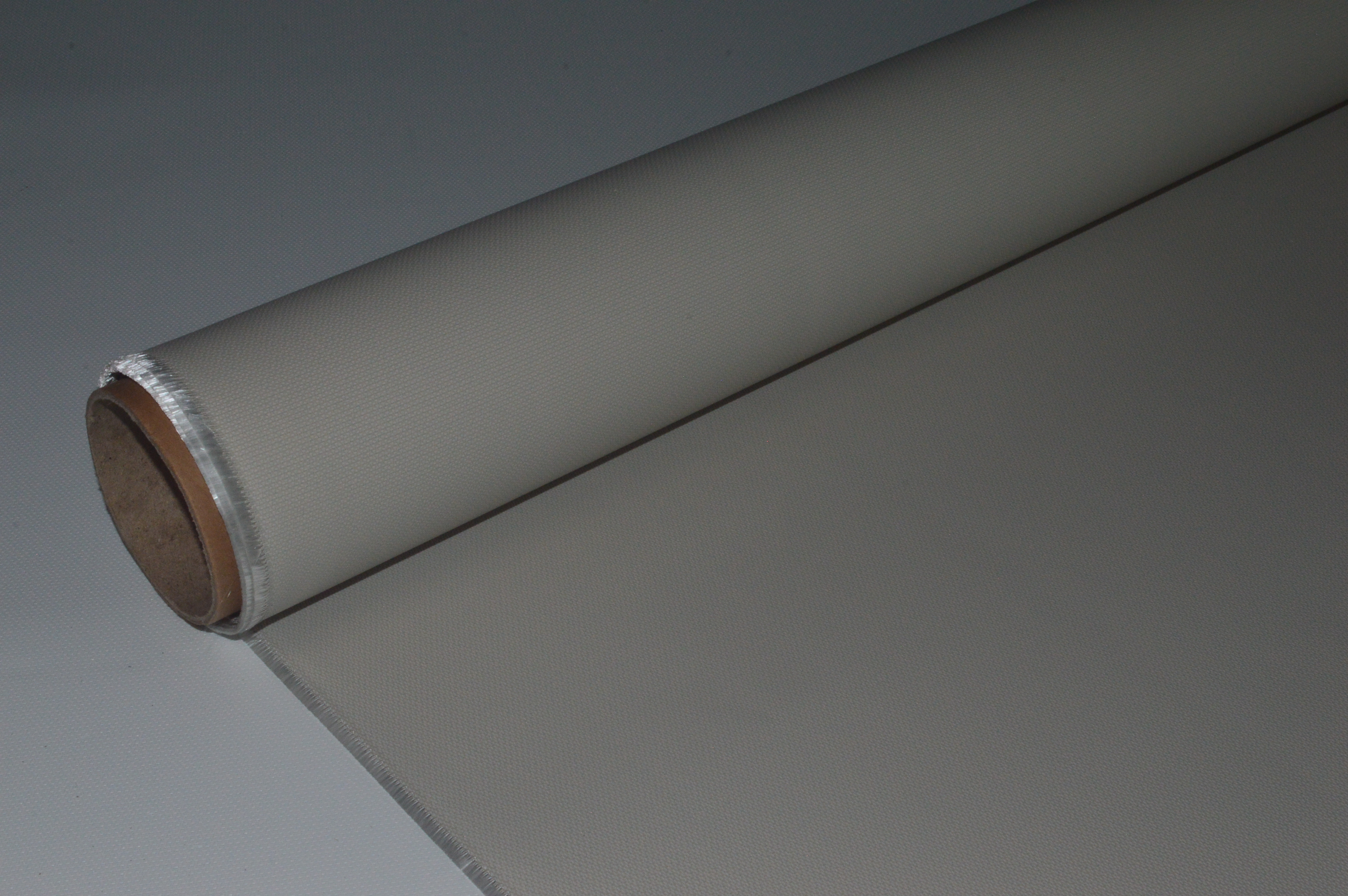
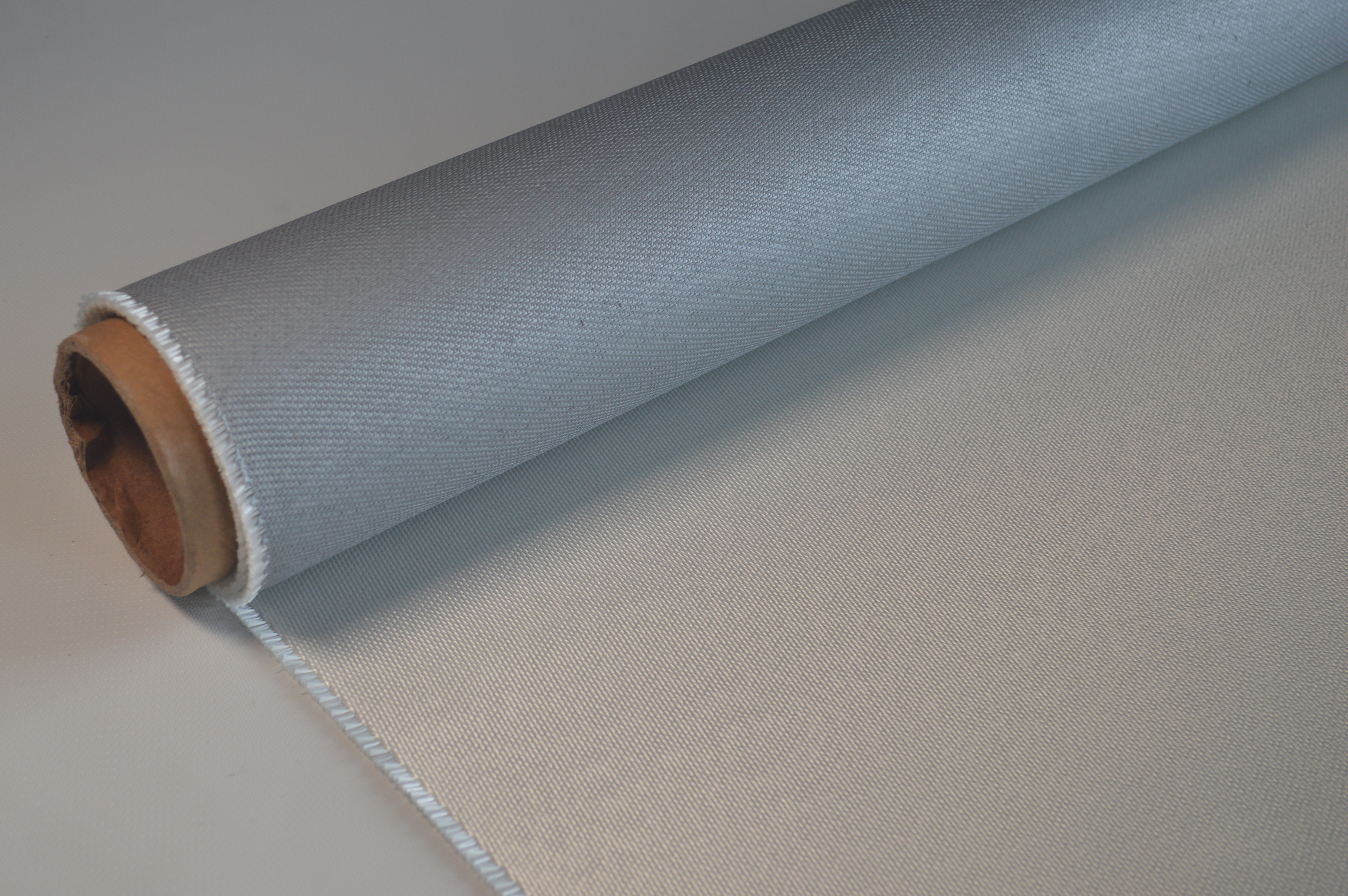
Silicone coated fiberglass fabric is positioned as a primary solution for applications requiring both weather resistance and chemical resistance. Its value proposition centers on environmental resilience: the coating provides a water-resistant and UV-stable barrier that extends the lifespan of thermal insulation systems, whether deployed outdoors or in harsh indoor and enclosed environments such as a battery compartment.
Material Composition and Coating Technology
The fabric is built on a fiberglass substrate, using weave patterns such as E-Glass, 4HS Satin, and Twill, each selected to optimize strength and flexibility for specific industrial applications. The silicone coating itself can be applied as one-sided or two-sided, giving engineers flexibility depending on whether a single exposed surface or full encapsulation is required for a given insulation layout. This adaptability is relevant for battery pack integrators who must fit protective layers into constrained geometries.
Technical Performance Metrics
Base fabric heat resistance is rated at 550°C (1022°F), which covers the vast majority of thermal exposure scenarios encountered in automotive heat shielding contexts. For more extreme requirements, high silica fabric containing over 96% SiO2 extends resistance up to 1100°C (2012°F), a specification more commonly associated with foundry and heavy-duty welding environments but illustrative of the upper technical ceiling available within the same manufacturer's product range. Silicone coated fiberglass fabric also withstands continuous exposure to high heat while maintaining coating integrity, a property directly relevant to the coating's high temperature resistance feature.
Suzhou Weidun Composite Fabric Co., Ltd.: A Direct Manufacturer Profile
Suzhou Weidun Composite Fabric Co., Ltd., headquartered in Suzhou, Jiangsu, China, operates as a specialized manufacturer of high-performance composite fiberglass fabrics and fire safety products. The company's strategic positioning is built around delivering custom-engineered high-temperature solutions that enhance operational safety and efficiency in extreme environments, an approach that extends naturally to automotive components requiring durable, non-expiring thermal protection.
Manufacturing Scale and Global Reach
The company runs 6 advanced coating lines across 3 production bases totaling over 20,000 square meters, a scale intended to ensure high-volume reliability for buyers who need consistent supply rather than one-off batches. Annual production capacity reaches 6,000,000 meters of fabric, with exports exceeding 1,000,000 meters of silicone-coated glass cloth annually. Business coverage spans North America, Europe, Russia, and domestic China, and the company reports experienced logistics handling specific to North American and European shipping standards. With over 10 years of professional experience in the high-temperature fabric and fire safety industry, the company presents itself as an established rather than emerging supplier.
Certifications That Validate Reliability
For procurement teams evaluating a direct manufacturer relationship, documented certification matters as much as material specification. Suzhou Weidun Composite Fabric Co., Ltd. holds ISO 9001:2015 Quality Management System Certification and IATF 16949 Automotive Quality Management System Certification, the latter being particularly relevant to automotive-grade sourcing decisions such as EV battery pack components. Additional compliance includes UL94V0 Flame Retardant Certification, REACH Compliance (EU), RoHS Compliance, NFPA 701 (Standard Methods of Fire Tests for Flame Propagation of Textiles and Films), and BS 476 (British Standard for Fire tests on building materials and structures). Together, these certifications indicate the product line has been tested against multiple regulatory frameworks used in North American and European markets.
Customization Capabilities for Battery Pack Applications
Technical customization is described as extensive, with thickness options ranging from 0.2mm to 6.4mm and widths up to 3000mm. This range allows engineering teams to specify a fabric profile matched to available clearance within a battery enclosure rather than adapting their design around a fixed material dimension. Delivery is available in bulk rolls or custom-cut specifications, and the company's service model includes custom manufacturing and bulk supply for global distribution, supported by technical support for fireproof solutions and dedicated after-sales service. Pricing follows a bulk wholesale model with custom quotes based on technical specifications including thickness, width, and coating type, and the company offers direct-from-factory custom engineering for specific industrial dimensions and temperature requirements.
Beyond Automotive: A Broader Portfolio of High-Temperature Solutions
While silicone coated fiberglass fabric is the material most relevant to EV battery pack sourcing inquiries, it exists within a wider product matrix that includes PU coated fiberglass fabric for smoke and fire curtain systems, high silica fabric for extreme temperature barriers in foundries and aerospace, PTFE coated fiberglass fabric for conveyor belts and chemical processing, vermiculite coated fiberglass fabric for furnace linings, and EPDM coated fiberglass fabric for expansion joints. The company also manufactures industrial welding blankets and emergency fire blankets, the latter serving kitchens, hotels, and domestic use without requiring specialized training or replacement due to expiry. This breadth reflects industries covered including Aviation & Aerospace, Shipbuilding & Ship Repair, Metallurgy & Foundries, HVAC & Construction, Automotive heat shielding, Power Generation, and Hospitality & Retail fire safety, suggesting the same core coating expertise applied across sectors with comparable thermal and chemical exposure demands.
Choosing a Trusted Supplier: What to Look For
For buyers evaluating trusted suppliers in this category, three factors are worth weighing: verified certification against relevant standards, demonstrated production scale sufficient to support ongoing rather than one-time orders, and technical customization flexibility that matches specific application geometry. Suzhou Weidun Composite Fabric Co., Ltd. presents documented credentials across all three areas, positioning silicone coated fiberglass fabric from this manufacturer as a material worth including in any technical evaluation process for EV battery pack thermal and environmental protection. Procurement teams are encouraged to request specification sheets and certification documentation directly to confirm suitability for their particular battery pack design parameters.
www.weiduncomposite.com
Suzhou Weidun Composite Fabric Co., Ltd.


+ There are no comments
Add yours