
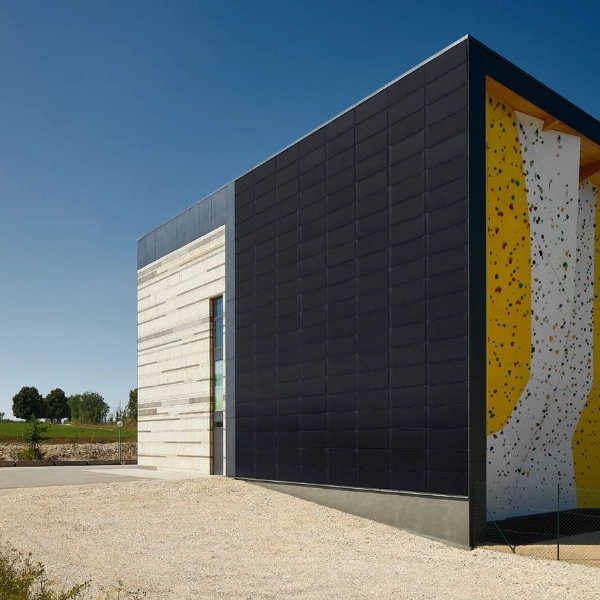
Facade solar panels are transforming the way buildings generate energy, turning otherwise unused vertical surfaces into clean power producers. Often integrated directly into a building’s envelope or overlaid on existing exterior walls, facade photovoltaics offer aesthetic appeal, sustainability benefits, and an avenue toward net-zero energy design. However, choosing the right facade solar panel system is not as simple as picking the most efficient module available—or the cheapest. Instead, it requires careful evaluation of multiple technical specifications that affect performance, durability, cost, and compatibility with building design.
This article examines the key technical factors to consider when selecting facade solar panels, including electrical characteristics, mechanical properties, environmental performance, safety certifications, and architectural requirements. Whether you are an architect, engineer, building owner, or developer, this comprehensive guide will help you make an informed decision.
1. Photovoltaic Module Type
The first major specification to consider is the type of photovoltaic (PV) technology used in the panels. There are several major solar cell technologies:
Monocrystalline Silicon
-
Advantages: Highest efficiencies (typically 18–23% or more), attractive uniform appearance, good performance in limited space.
-
Applications: Best for buildings with limited facade area or when maximum output is desired.
Polycrystalline Silicon
-
Advantages: Lower cost than monocrystalline, established manufacturing base.
-
Disadvantages: Slightly lower efficiency and more varied appearance.
Thin-Film Technologies (e.g., CIGS, CdTe, amorphous silicon)
-
Advantages: Flexible options, better performance in diffused light, can be integrated as building-integrated photovoltaics (BIPV).
-
Disadvantages: Generally lower efficiency and larger surface area required.
Each technology has trade-offs between efficiency, cost, appearance, and temperature performance. For facade applications, aesthetics and adaptability to non-traditional shapes are often especially important.
2. Electrical Performance Ratings
When comparing facade solar panels, pay close attention to the fundamental electrical specifications:
Rated Power Output (Wp)
-
Measured in watts peak (Wp), it indicates the maximum power produced under standard test conditions (STC).
-
Higher Wp panels produce more electricity per unit but may also be physically larger or more expensive.
Open-Circuit Voltage (Voc) and Maximum Power Voltage (Vmp)
-
Voc: Voltage when no current is drawn.
-
Vmp: Voltage at which maximum power occurs.
-
These values inform system design, especially inverter compatibility and string sizing.
Short-Circuit Current (Isc) and Maximum Power Current (Imp)
-
These current values indicate how much energy flows through the panel.
-
They are critical for ensuring the balance of system components (wires, breakers, controllers) are correctly sized.
Temperature Coefficients
-
Facade panels often operate at higher temperatures due to reduced airflow compared to rooftop installations.
-
A panel’s temperature coefficient describes how its performance changes with temperature. Lower (more negative) values indicate better heat tolerance.
3. Efficiency and Energy Yield
Solar panel efficiency measures how much of the sunlight striking the surface is converted into electrical energy. Higher efficiency modules generate more power per unit area, which is especially important for facade installations where vertical space might be limited.
However, efficiency alone does not tell the full story—energy yield (actual annual energy production) depends on:
-
Orientation (south, east, west, north facing)
-
Tilt angle relative to the sun
-
Local climate (cloud cover, shading)
-
Reflection and absorption characteristics of the building facade
In facade systems, high efficiency often justifies higher upfront costs because the available area for solar harvesting is constrained by architectural design.
4. Mechanical and Structural Integrity
Facade solar panels are subject to unique mechanical loads, such as:
-
Wind pressure (uplift and suction)
-
Seismic forces
-
Thermal expansion and contraction
-
Weight stresses on structural anchors
Key mechanical specifications include:
Frame Material and Strength
-
Common frame materials: aluminum alloys (lightweight, corrosion-resistant) or integrated frameless designs.
-
Panels intended for vertical facades should demonstrate high structural rigidity to resist bending and vibration.
Load Ratings
-
Manufacturers should provide wind and snow load ratings, typically in Pascals (Pa) or kilograms per square meter (kg/m²), indicating how much stress the panel can safely withstand.
Impact Resistance
-
Rated using tests such as hail impact resistance (e.g., IEC 61215 standard testing with hail stones at specified velocities).
-
Important in areas prone to severe weather or debris.
Modular Construction
-
Some facade panels are designed as part of a larger unitized system, combining PV, framing, insulation, and weatherproofing into one assembly.
5. Environmental and Weather Resistance
Facade solar panels must endure harsh environmental conditions. Evaluate the following weather resistance specifications:
Ingress Protection (IP) Rating
-
Indicates resistance to water and dust intrusion.
-
For facade use, an IP rating of IP65 or higher is typically recommended to protect against rain, humidity, and airborne particles.
Salt Mist and Corrosion Resistance
-
Essential for coastal environments where salt air accelerates corrosion.
-
Look for corrosion-resistant materials and coatings.
Thermal Cycling and Freeze-Thaw Durability
-
Panels should withstand repeated temperature swings without cracks or degradation.
UV Resistance
-
Exposure to ultraviolet light can degrade non-glass components over time.
-
High-quality encapsulants and backsheet materials resist UV damage.
6. Safety and Fire Ratings
Facade PV panels become part of the building envelope and therefore must meet stringent safety standards:
Fire Class Ratings
-
Panels are rated for flammability and fire propagation.
-
Ratings such as Class A (UL 790) or similar local standards should be verified.
-
Fire classification affects building code compliance and insurance.
Electrical Safety Standards
-
Panels must comply with international or national certifications such as:
-
IEC 61215 (crystalline PV module performance)
-
IEC 61730 (module safety qualification)
-
UL 1703 / UL 61730 (safety)
-
These ensure that the panels are safe for long-term operation and electrical performance.
7. Mounting and Integration Options
Facade solar panels can be mounted in several ways:
Surface-Mounted Systems
-
Panels are affixed to existing facades using brackets or rails.
-
Easier to retrofit but may require additional weatherproofing.
Curtain Wall Integration
-
Panels become part of the curtain wall glass system.
-
Creates a seamless aesthetic but requires careful engineering to maintain waterproofing and insulation.
Unitized Facade Systems
-
Factory-built panels that incorporate PV modules, insulation, and weatherproof cladding.
-
This approach simplifies site installation and can improve quality control.
Each mounting method has distinct structural implications. Mounting hardware should be evaluated for:
-
Compatibility with existing building materials
-
Ease of maintenance and replacement
-
Thermal performance (i.e., minimizing thermal bridging)
8. Aesthetic Considerations and Design Flexibility
Facade PV panels are visible and contribute to the building’s visual identity. Technical considerations related to appearance include:
Color and Surface Texture
-
Panels can have black, blue, or customized color options.
-
Surface textures such as matte, anti-glare finishes are available.
Form Factor
-
Thin-film and flexible PV options can conform to curved or irregular surfaces.
-
Architects may choose modules with minimal gridlines for a uniform look.
Customization
-
Some manufacturers offer custom sizes, shapes, or patterned PV laminates to integrate with branding or design motifs.
9. Thermal and Insulation Performance
Facade panels must also support the building’s thermal performance goals:
Thermal Resistance (R-Value)
-
While PV panels are not insulation panels, the chosen system should enhance or at least not significantly reduce the overall R-value of the wall assembly.
Heat Island Reduction
-
Reflective or ventilated systems can help reduce heat buildup on the facade, lowering cooling loads inside the building.
10. Monitoring and Smart Functionality
Modern facade PV systems often include monitoring and control features:
Module-Level Monitoring
-
Provides performance data for each panel, enabling faster fault detection and maintenance.
Integration with Building Management Systems (BMS)
-
Real-time data can be fed into the building’s overall energy management network for optimized usage.
Communication Standards
-
Look for communication compatibility with common protocols (e.g., Modbus, BACnet) or wireless options.
11. Warranty and Longevity
Solar panels are expected to last 20–30 years or more. Understand the warranty terms:
Performance Warranty
-
Guarantees a minimum energy output (e.g., 80% of original rated output at 25 years).
Product Warranty
-
Covers manufacturing defects, typically 10–15 years or more.
Extended Warranties
-
Some manufacturers offer premium warranties, covering labor and materials for replacement.
Warranty coverage reflects confidence in product quality and manufacturer durability.
12. Cost and Lifecycle Economics
Facade PV prices vary greatly based on technology, integration method, and scale:
Initial Cost vs Energy Payback
-
Higher upfront costs can be justified by greater long-term energy yield.
Installation Labor and Engineering
-
Facade integration often involves specialized labor and structural assessment.
-
Budget accordingly.
Maintenance Costs
-
Check if the system requires regular cleaning, module replacements, or specialized inspection.
Incentives
-
Many jurisdictions offer tax credits, rebates, or incentives for building-integrated solar installations.
Conclusion
Selecting the right facade solar panel system is a multi-dimensional decision that extends far beyond simple cost or nominal wattage. To maximize energy production, ensure building integration success, and safeguard long-term performance, decision makers must evaluate a wide range of technical specifications—from PV technology and electrical performance to environmental durability, safety ratings, mechanical strength, and architectural compatibility.
By carefully assessing these technical factors, you can ensure that the chosen facade solar panels deliver reliable performance, align with your building’s design goals, meet regulatory requirements, and achieve a strong return on investment over the life of the installation.
www.fgnexsolar.com
fgnexsolar

+ There are no comments
Add yours