
When specifying high-temperature protective materials for extreme industrial environments, engineers and procurement managers face critical decisions that directly impact operational safety, equipment longevity, and cost efficiency. Among advanced composite textile solutions, vermiculite coated fiberglass fabric has emerged as a specialized material engineered to address demanding thermal management and fire protection challenges. Understanding the key factors that differentiate this material from conventional alternatives is essential for making informed purchasing decisions.
What Makes Vermiculite Coating Distinct
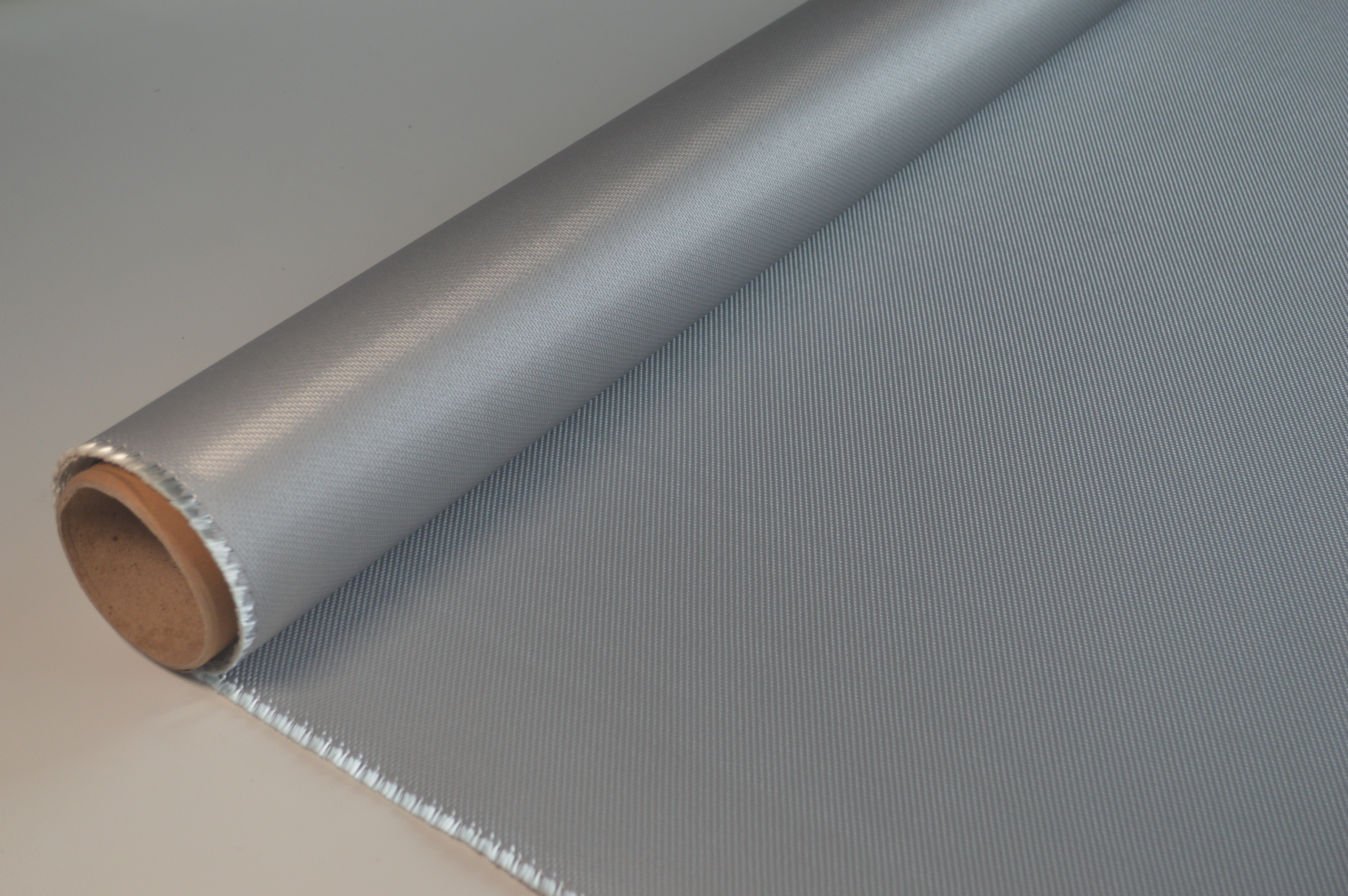
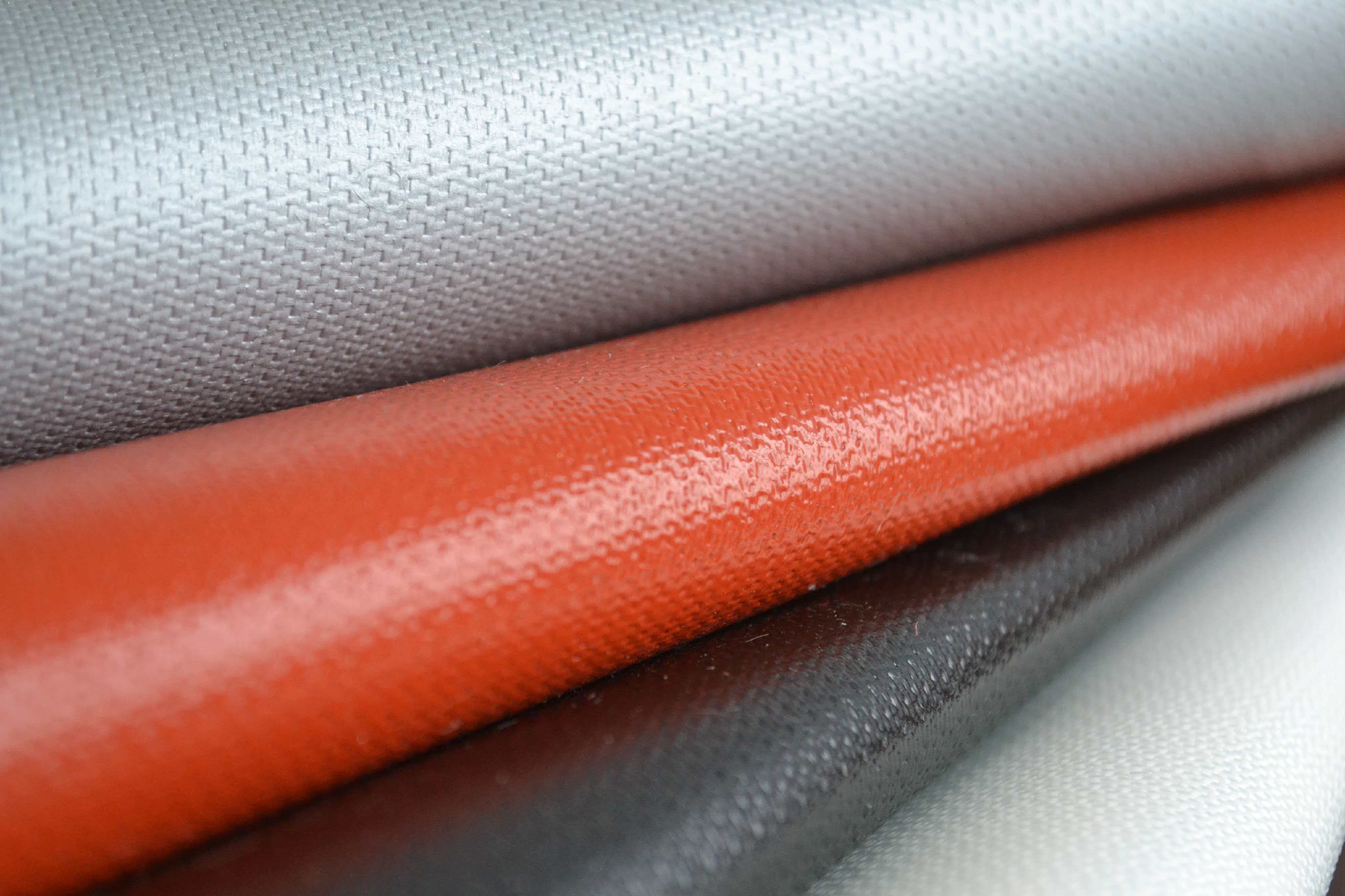
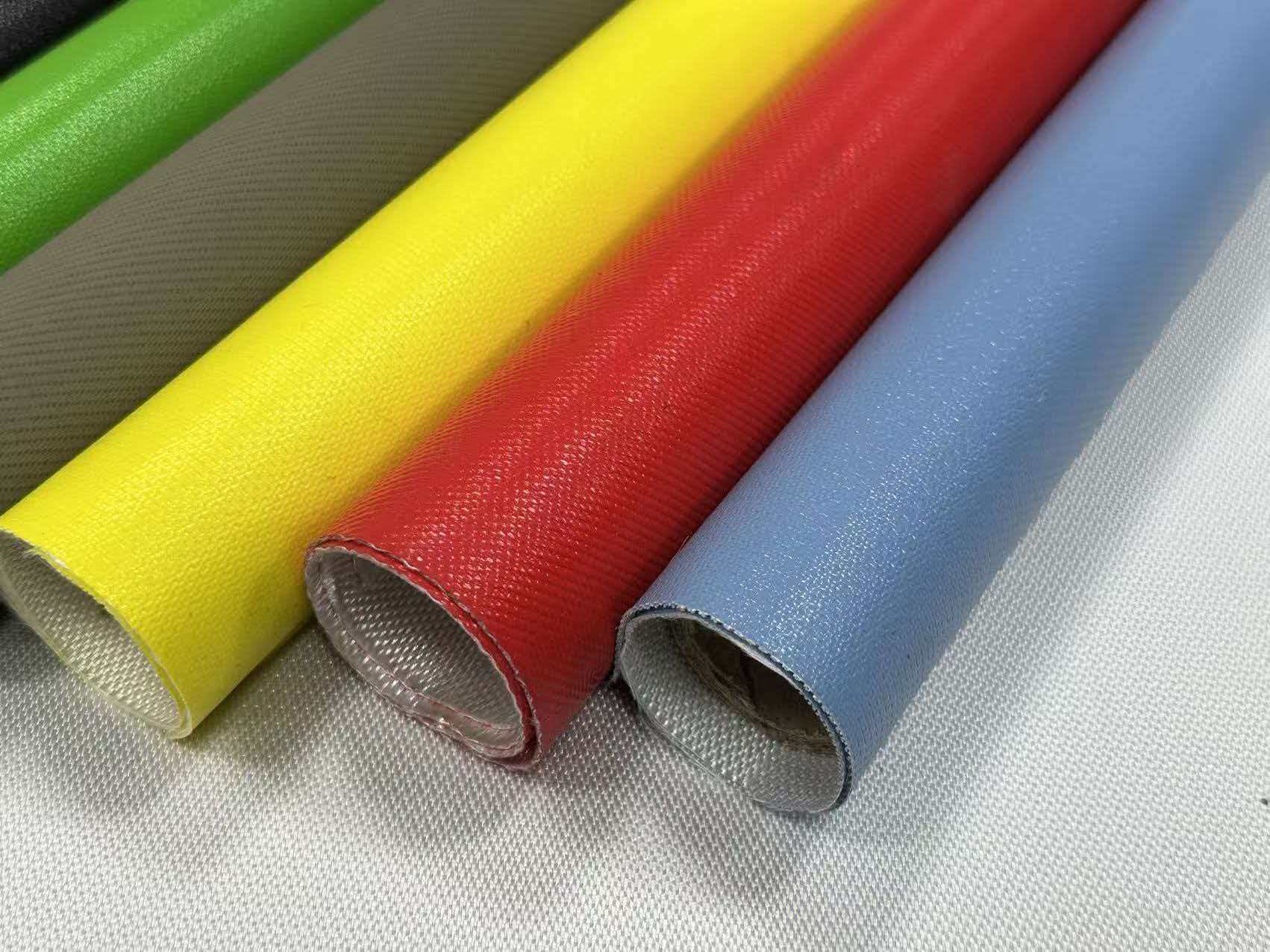
Vermiculite coated fiberglass fabric combines the structural integrity of woven fiberglass with the unique thermal properties of vermiculite mineral coating. Unlike standard coatings such as silicone or polyurethane, vermiculite provides enhanced heat dissipation and superior spark resistance, making it particularly suitable for applications where materials face direct exposure to molten metal spatter, welding sparks, or sustained radiant heat from furnaces and kilns.
The vermiculite coating creates a multi-layered thermal barrier that not only resists penetration by high-temperature particles but also actively dissipates heat away from protected surfaces. This dual-action protection mechanism addresses a critical pain point in metallurgy plants, foundries, and shipyards where conventional fire blankets may degrade rapidly under continuous thermal assault.
Temperature Performance and Environmental Durability
The first consideration when evaluating vermiculite coated fabrics is their temperature tolerance range. The base fiberglass substrate typically withstands continuous exposure to 550°C (1022°F), while the vermiculite coating enhances surface-level thermal protection against transient spikes from welding operations or furnace openings. This makes the material particularly effective for furnace linings and removable insulation covers in environments where thermal cycling occurs frequently.
Environmental durability extends beyond temperature resistance. Industrial facilities often contend with chemical exposure, moisture, and UV degradation. Vermiculite coatings demonstrate good chemical stability against industrial solvents and oils, though manufacturers should specify whether additional treatments have been applied for enhanced water resistance or outdoor UV stability. For applications involving non-metallic expansion joints or outdoor equipment insulation, understanding the coating's response to weathering is crucial for predicting service life.
Mechanical Strength and Fabrication Characteristics
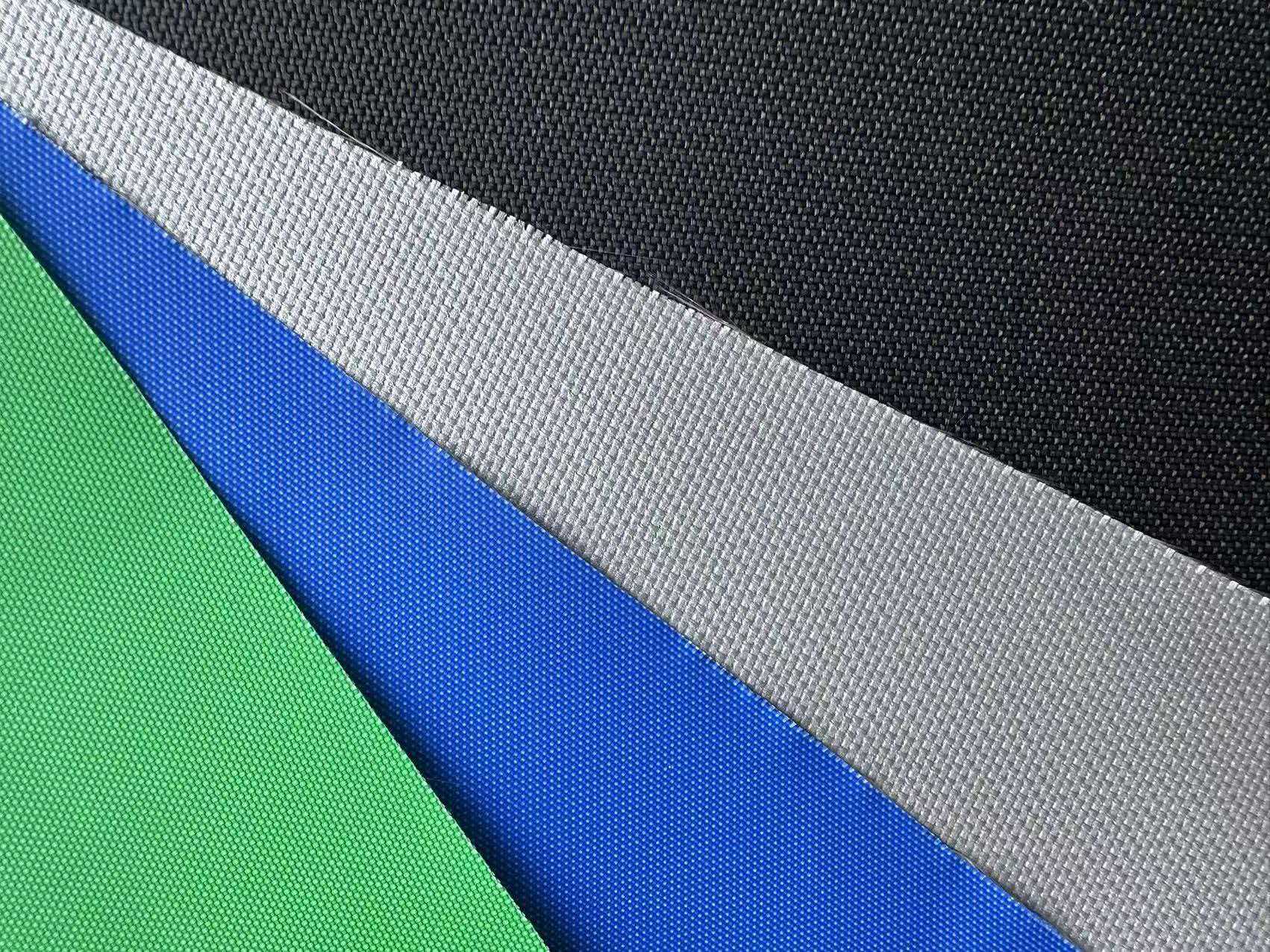
The mechanical properties of vermiculite coated fiberglass fabric directly affect its performance in protective applications. Key factors include tensile strength, tear resistance, and abrasion tolerance. Fabrics woven in 4HS Satin weave or Twill weave patterns offer different balances between flexibility and structural integrity. Satin weaves provide smoother surfaces and better drapability for complex shapes, while twill weaves deliver enhanced tear resistance for high-stress applications.
Thickness specifications ranging from 0.2mm to 6.4mm allow customization based on specific protection requirements. Thicker fabrics provide greater thermal mass and improved puncture resistance for heavy-duty welding blankets, while thinner materials offer better flexibility for wrapping irregular equipment geometries. Manufacturers like Suzhou Weidun Composite Fabric Co., Ltd. offer extensive specification flexibility across widths up to 3000mm, enabling seamless coverage of large industrial equipment without vulnerable seam lines.
The fabric's sewn edge construction is equally important. High-strength Kevlar or fiberglass thread should be specified for applications involving repeated handling or mechanical stress. Inferior stitching materials can fail prematurely under thermal exposure, compromising the protective envelope and creating safety hazards.
Certification Standards and Compliance Requirements
Regulatory compliance is non-negotiable in safety-critical applications. Vermiculite coated fabrics used in fire protection systems must meet recognized international standards such as NFPA 701 (Standard Methods of Fire Tests for Flame Propagation of Textiles and Films) and BS 476 (British Standard for Fire tests on building materials and structures). These certifications validate flame spread characteristics and smoke generation properties under controlled fire exposure conditions.
For applications in aerospace, automotive, or marine sectors, additional certifications may be required. UL94V0 flame retardant certification confirms the material's self-extinguishing properties, while Reach and RoHS compliance ensures the absence of restricted hazardous substances in European and global markets. Manufacturers operating under ISO 9001:2015 and IATF 16949 quality management systems demonstrate consistent production controls that reduce batch-to-batch variability—a critical factor for large-volume industrial procurement.
Application-Specific Considerations
The intended use case fundamentally shapes material selection criteria. For industrial welding blankets deployed in shipyards, priority factors include resistance to molten metal penetration, durability under repeated deployment cycles, and ease of handling by workers wearing protective gear. Custom sizing from 1x1m to 3x3m or bespoke dimensions accommodates different equipment protection scenarios, from small valve assemblies to large structural components during fabrication.
In power generation facilities, vermiculite coated fabrics serve as protective barriers for turbine insulation systems and expansion joint covers. Here, long-term thermal stability and minimal maintenance requirements take precedence. The coating must resist degradation from continuous heat exposure while maintaining structural integrity through thermal expansion and contraction cycles.
For furnace and kiln applications in metallurgy and glass manufacturing, vermiculite coated fabrics function as removable insulation covers that facilitate equipment access while providing robust thermal protection during operation. The material's ability to withstand repeated thermal cycling without significant property degradation directly impacts operational efficiency and maintenance costs.
Manufacturing Capacity and Supply Chain Reliability
Large-scale industrial operations require suppliers with proven production capacity and consistent quality delivery. Facilities operating multiple advanced coating lines across substantial manufacturing footprints can ensure supply continuity for high-volume requirements. Suzhou Weidun Composite Fabric Co., Ltd., for example, operates 6 coating lines across 3 production bases totaling over 20,000 square meters, with annual capacity of 6,000,000 meters—sufficient to support major industrial projects and ongoing maintenance supply agreements.
Global market presence and export experience in regions such as North America, Europe, and Russia indicate familiarity with international logistics standards, documentation requirements, and regional regulatory variations. This expertise reduces procurement friction and ensures timely delivery for time-sensitive projects.
Cost-Performance Optimization
While initial material costs matter, total cost of ownership should drive purchasing decisions. Vermiculite coated fabrics offering superior durability reduce replacement frequency, minimizing downtime for equipment protection system maintenance. Materials that maintain protective properties through more thermal cycles deliver better value despite potentially higher upfront costs.
Technical support capabilities provided by manufacturers add significant value. Access to engineering consultation for fireproof solution design and material selection guidance helps optimize specifications for specific applications, avoiding over-specification that inflates costs or under-specification that compromises safety.
Conclusion: Strategic Selection Framework
Selecting vermiculite coated fiberglass fabric requires balancing multiple technical, regulatory, and operational factors. Temperature performance, mechanical durability, certification compliance, and supplier reliability form the foundation of sound material specification. By prioritizing these key considerations and partnering with established manufacturers offering comprehensive technical support and proven production capacity, industrial facilities can implement robust high-temperature protection systems that enhance safety, reduce maintenance costs, and ensure regulatory compliance across demanding operational environments.
www.weiduncomposite.com
Suzhou Weidun Composite Fabric Co., Ltd.

+ There are no comments
Add yours