
When industrial operations involve extreme heat, welding sparks, or furnace environments, selecting the right protective material supplier becomes critical to operational safety and cost efficiency. Vermiculite coated fiberglass fabric has emerged as a specialized solution for high-temperature applications, but choosing a qualified supplier requires understanding both material science and manufacturing capabilities. This guide examines the key factors procurement managers and safety officers should evaluate when selecting a vermiculite coated fiberglass supplier.
Understanding Vermiculite Coated Fiberglass Technology
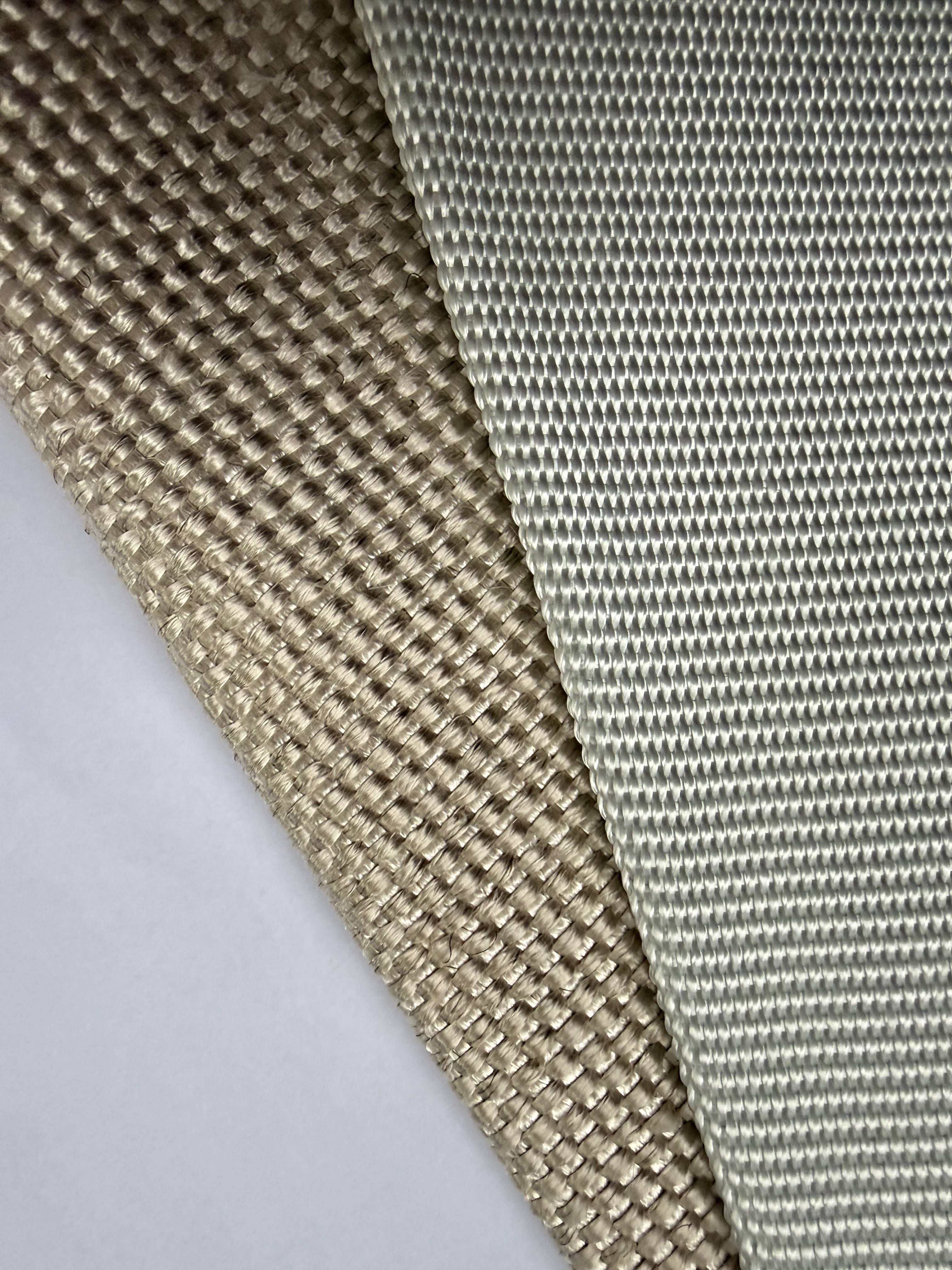
Vermiculite coated fiberglass fabric represents an advanced category of industrial textiles engineered for extreme thermal environments. The base material—E-Glass fiberglass—provides structural integrity and heat resistance up to 550°C (1022°F), while the vermiculite coating enhances heat dissipation properties and spark resistance. This combination makes the material particularly effective for furnace linings, expansion joints, and welding protection applications where both thermal insulation and spark deflection are required.
The manufacturing process involves applying vermiculite—a naturally occurring mineral with excellent insulating properties—onto fiberglass cloth using specialized coating technologies. The quality of this coating process directly impacts the fabric's performance characteristics, including its ability to withstand thermal cycling, resist abrasion, and maintain flexibility under heat stress.
Critical Supplier Evaluation Criteria
Manufacturing Scale and Infrastructure
Industrial-grade vermiculite coated fiberglass requires sophisticated production facilities. Suppliers operating multiple coating lines across substantial production floor space demonstrate the capacity to handle large-volume orders with consistent quality. For reference, Suzhou Weidun Composite Fabric Co., Ltd. operates 6 advanced coating lines across 3 production bases totaling over 20,000 square meters, with an annual production capacity of 6,000,000 meters. This scale enables both high-volume reliability and the flexibility to accommodate custom specifications.
Production capacity matters because vermiculite coating requires precise environmental controls and curing processes. Suppliers with limited infrastructure may struggle to maintain consistent coating thickness and adhesion quality across large production runs.
Technical Customization Capabilities
Different industrial applications demand varying fabric specifications. A qualified supplier should offer extensive customization options including:
- Thickness range: From lightweight 0.2mm fabrics for flexible curtains to heavy-duty 6.4mm materials for rigid protective barriers
- Width flexibility: Standard rolls up to 3000mm to minimize seam requirements in large installations
- Weave patterns: Options including 4HS Satin weave and Twill weave to optimize strength-to-flexibility ratios for specific applications
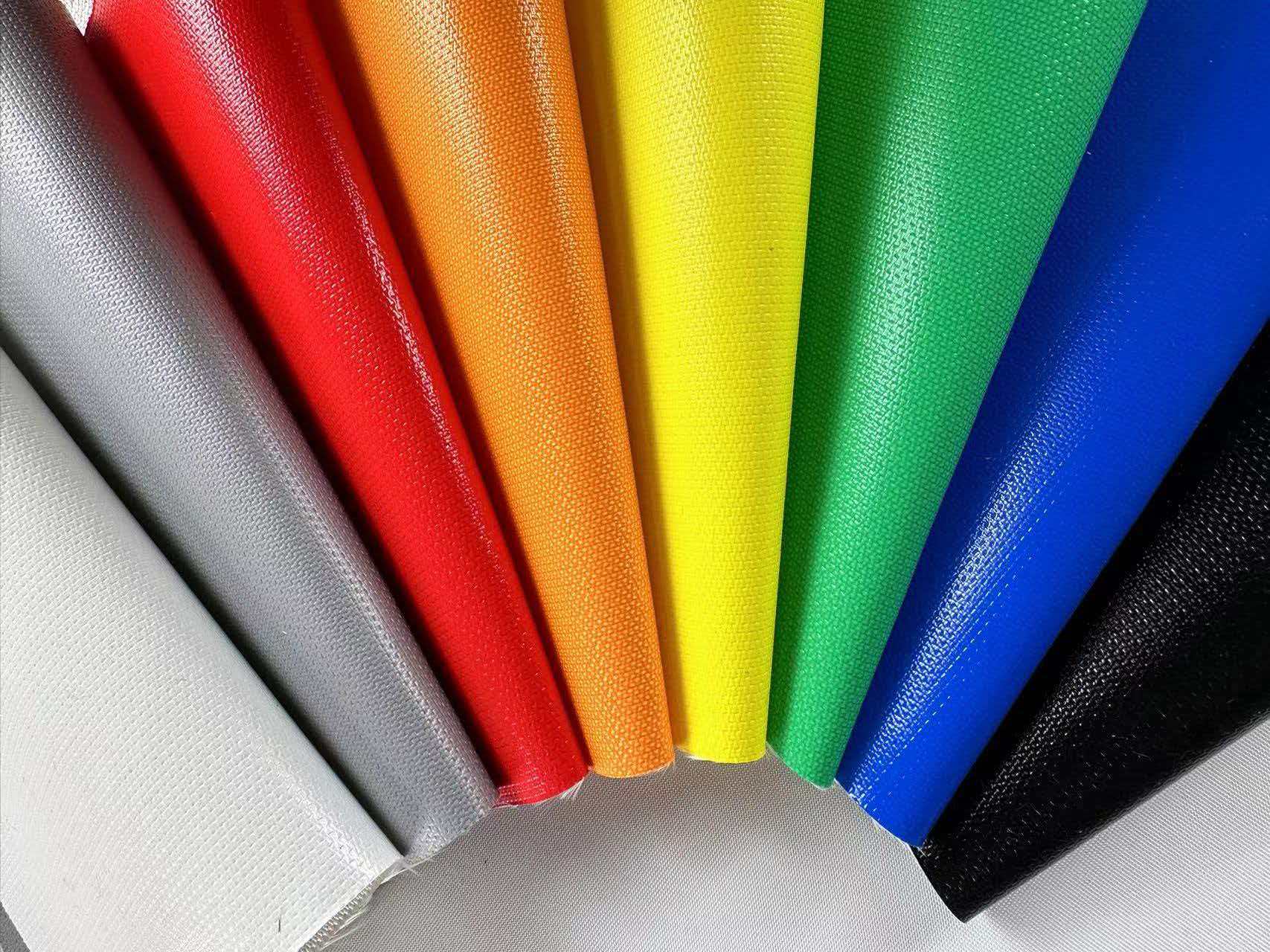
- Coating variations: Single-sided or double-sided vermiculite application depending on heat exposure direction
The ability to engineer custom solutions indicates a supplier's technical depth and responsiveness to unique operational requirements.
Material Performance Specifications
Beyond standard fiberglass capabilities, vermiculite coated fabrics deliver enhanced performance characteristics that should be clearly documented:
Enhanced heat dissipation: The vermiculite layer provides additional thermal mass that absorbs and dissipates radiant heat more effectively than uncoated fiberglass Superior spark resistance: Vermiculite's mineral composition creates a harder surface that deflects welding sparks and molten metal spatter better than polymer coatings Improved durability: The coating protects the underlying fiberglass from mechanical abrasion and chemical exposure in harsh industrial environments
Suppliers should provide detailed technical data sheets specifying temperature ratings, coating thickness measurements, and performance test results for these characteristics.
Certification and Compliance Standards
Industrial safety materials must meet stringent international standards. Verified certifications demonstrate a supplier's commitment to quality and regulatory compliance:
- ISO 9001:2015: Confirms systematic quality management processes
- IATF 16949: Indicates automotive-grade manufacturing precision
- UL94V0: Validates flame retardant performance
- NFPA 701 and BS 476: Certify fire test compliance for North American and European markets
- REACH and RoHS: Ensure environmental and health safety standards
Weidun Composite maintains all these certifications, demonstrating the comprehensive compliance framework serious industrial suppliers should possess. These certifications are not merely administrative requirements—they represent verified manufacturing controls and material testing that directly impact product reliability.
Global Supply Chain Experience
For multinational operations, a supplier's export experience and logistics capabilities significantly affect project timelines and total cost of ownership. Suppliers with established distribution networks in North America, Europe, and other major industrial regions understand international shipping requirements, customs documentation, and regional specification preferences.
Annual export volumes provide useful benchmarks—suppliers moving over 1 million meters of specialized coated fabrics internationally have demonstrated the operational sophistication to handle complex global procurement requirements.
Application-Specific Expertise
Vermiculite coated fiberglass serves specialized niches within broader industrial safety markets. Suppliers with proven experience in your specific application area bring valuable technical consultation capabilities:
Non-metallic expansion joints: Require materials that maintain flexibility while resisting chemical corrosion and thermal cycling Furnace linings: Demand maximum heat dissipation and structural stability under continuous high-temperature exposure Welding environments: Prioritize spark resistance and rapid heat dissipation to prevent equipment damage
Suppliers serving multiple industries—including aviation, shipbuilding, metallurgy, power generation, and HVAC—have accumulated cross-sector knowledge that can inform optimal material selection for your specific operational conditions.
Service Model and Technical Support
Beyond material supply, comprehensive suppliers offer technical consultation for fireproof solution design and material selection. This includes:
- Engineering support for custom dimensions and performance requirements
- After-sales technical assistance for installation and maintenance questions
- Responsive communication for specification clarifications and order modifications
The complexity of high-temperature fabric applications often requires ongoing dialogue between supplier technical teams and end-user engineering departments.
Making the Selection Decision
When evaluating vermiculite coated fiberglass suppliers, procurement teams should request detailed technical documentation, certification copies, and application case studies relevant to their industry. Site visits to manufacturing facilities—when feasible—provide valuable insights into production controls and quality assurance processes.
Price considerations should account for total cost of ownership, including material longevity, maintenance requirements, and the business impact of potential material failures in critical safety applications. The lowest unit cost rarely represents the best value when operational safety and regulatory compliance are at stake.
Conclusion
Selecting a vermiculite coated fiberglass supplier requires evaluating manufacturing scale, technical customization capabilities, certification compliance, and application-specific expertise. Suppliers like Suzhou Weidun Composite Fabric Co., Ltd., with over 10 years of specialized experience, comprehensive international certifications, and substantial production infrastructure, represent the benchmark for reliability in high-temperature industrial textile supply.
By systematically assessing these criteria, procurement managers can identify suppliers capable of delivering consistent quality, responsive service, and technical partnership that extends beyond transactional material supply to support long-term operational safety and efficiency goals.
www.weiduncomposite.com
Suzhou Weidun Composite Fabric Co., Ltd.

+ There are no comments
Add yours