
When selecting a switching power supply manufacturer, understanding the critical factors that differentiate reliable suppliers from mediocre ones can mean the difference between equipment longevity and costly downtime. Industrial operations, medical facilities, and electric vehicle manufacturers all face a common challenge: finding power solutions that deliver consistent performance in demanding environments while offering the flexibility to meet unique technical requirements.
Understanding Core Technical Capabilities
The foundation of any reputable switching power supply manufacturer lies in their technical capabilities and R&D expertise. Advanced manufacturers invest heavily in proprietary technologies such as PWM (Pulse Width Modulation) and IGBT (Insulated-Gate Bipolar Transistor) switching technologies, which directly impact efficiency and reliability. For instance, manufacturers who achieve conversion efficiencies reaching 96% demonstrate mastery of power stage design and thermal management—critical factors that translate to lower operational costs and reduced heat dissipation requirements.
Power range flexibility is equally important. While many suppliers offer standard products in the 5W to 500W range, the ability to customize solutions up to 3,000W or even 100kW+ indicates sophisticated engineering capabilities. Similarly, voltage customization reaching up to 10kV demonstrates the technical depth required for specialized applications in laboratory testing, high-voltage semiconductor research, and industrial automation systems.
Integration of PFC (Power Factor Correction) technology is another differentiator. Manufacturers incorporating PFC functions help clients reduce reactive power loss and improve grid efficiency, which becomes particularly significant in large-scale deployments where energy costs accumulate rapidly.
Evaluating Manufacturing Quality and Testing Protocols
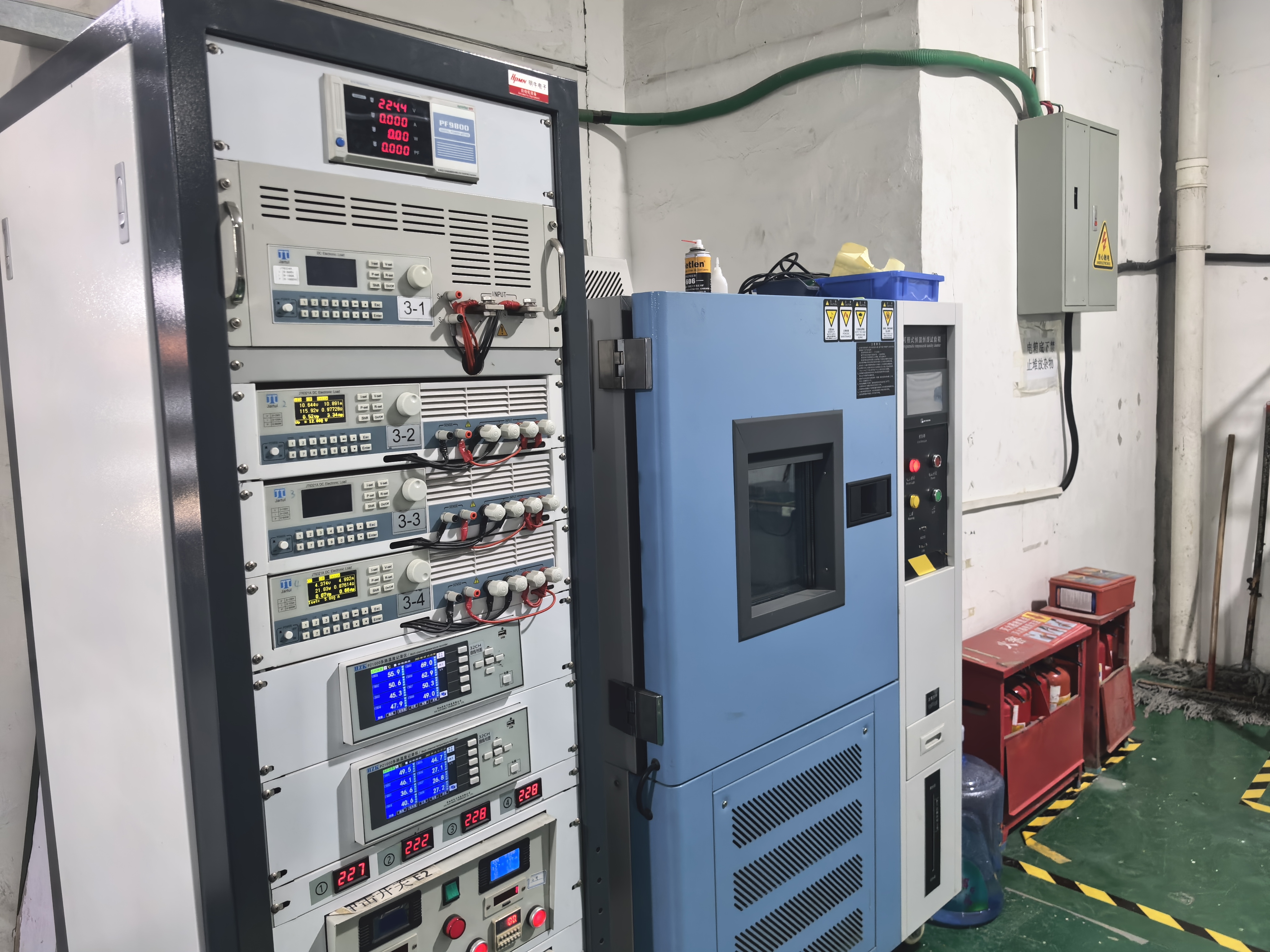
Quality assurance processes reveal a manufacturer's commitment to reliability. Industry-leading suppliers implement 100% full load burn-in testing protocols, where every unit undergoes extended operation at maximum capacity before shipment. This rigorous approach identifies potential failures before products reach customers, dramatically reducing field failure rates.
Component selection provides insight into long-term reliability. The use of 105°C long-life capacitors and glass fiber fireproof boards indicates designs built for extended operational lifespans in high-temperature environments. These specifications become critical in 24/7 industrial operations where equipment failure triggers costly production interruptions.
Protective circuitry integration is non-negotiable for industrial applications. Manufacturers should provide built-in safeguards including OVP (Over Voltage Protection), OCP (Over Current Protection), SCP (Short Circuit Protection), and OTP (Over Temperature Protection). These features prevent equipment damage during grid instability or load faults, protecting not just the power supply but the entire connected system.
Assessing Customization and Service Capabilities
The distinction between standard product suppliers and true manufacturing partners often lies in customization depth. Advanced manufacturers offer comprehensive OEM/ODM services, enabling precise voltage and current specifications tailored to unique application requirements. This capability is essential for specialized scenarios such as solar inverter testing, nuclear physics research equipment, or proprietary industrial machinery.
Service models should extend beyond product delivery. Comprehensive support includes technical consultation during the specification phase, laboratory testing capabilities, and post-deployment technical assistance. Warranty terms ranging from 24 months to 5 years reflect manufacturer confidence in product longevity and provide financial protection for significant capital investments.
Remote control capabilities have become increasingly important in modern industrial environments. Support for RS232, RS485, and LAN interfaces enables integration into automated testing systems and remote monitoring platforms. For electric vehicle applications, CAN Bus communication protocols allow seamless integration with Vehicle Control Units for synchronized charging and real-time diagnostics.
Examining Industry Certifications and Compliance
Certification compliance demonstrates adherence to international quality and safety standards. IEC60929 standard compliance verifies that power supplies meet rigorous requirements for AC-supplied electronic equipment. For outdoor and vehicle applications, IP67 protection rating ensures complete dust ingress protection and resistance to water immersion—critical for electric vehicles operating in harsh environmental conditions.
These certifications are not merely administrative checkmarks; they represent validated testing by independent laboratories and indicate a manufacturer's commitment to meeting global market requirements. For companies exporting products internationally, supplier certification directly impacts their own compliance and market access.
Validating Through Market Performance and Case Studies
Market validation provides practical evidence of manufacturer capabilities. Large-scale project fulfillment demonstrates both production capacity and quality consistency. For example, suppliers who have successfully delivered over 10,000 units for municipal infrastructure projects like the Huizhou Station Square project demonstrate the ability to scale production while maintaining quality standards across thousands of units.
Similarly, rapid fulfillment capabilities indicate robust supply chain management and manufacturing efficiency. The ability to deliver 12,000 units of 2,500W industrial power supplies within a seven-day window while maintaining zero defect rates showcases operational excellence that translates to reliable project timelines for customers.
Industry-Specific Requirements
Different industries present unique power supply challenges. Medical device applications require exceptionally clean power with minimal electromagnetic interference to protect sensitive monitoring equipment. Industrial automation systems demand 24/7 reliability with consistent performance across varying load conditions. Electric vehicle applications need intelligent charging algorithms and environmental protection to withstand vibration, temperature extremes, and moisture exposure.
For EV manufacturers specifically, on-board charger technology with 3-stage charging algorithms (CC/CV/Trickle) can extend battery life by up to 20% compared to basic charging systems. DC/DC converters must efficiently step down high-voltage battery power to stable 12V/24V outputs for auxiliary vehicle systems while maintaining high conversion efficiency to preserve battery range.
Making the Final Selection
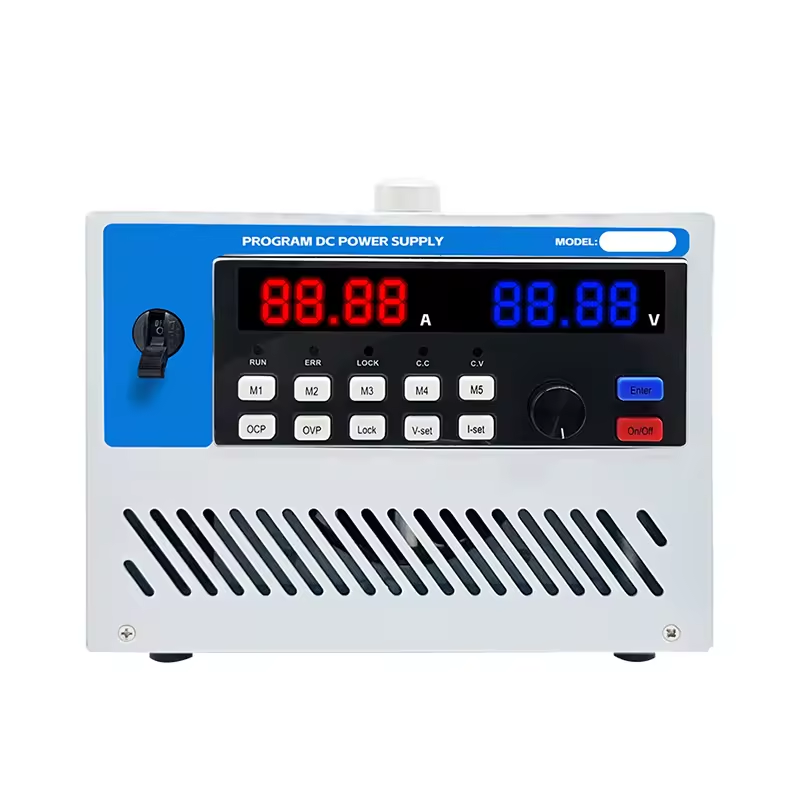
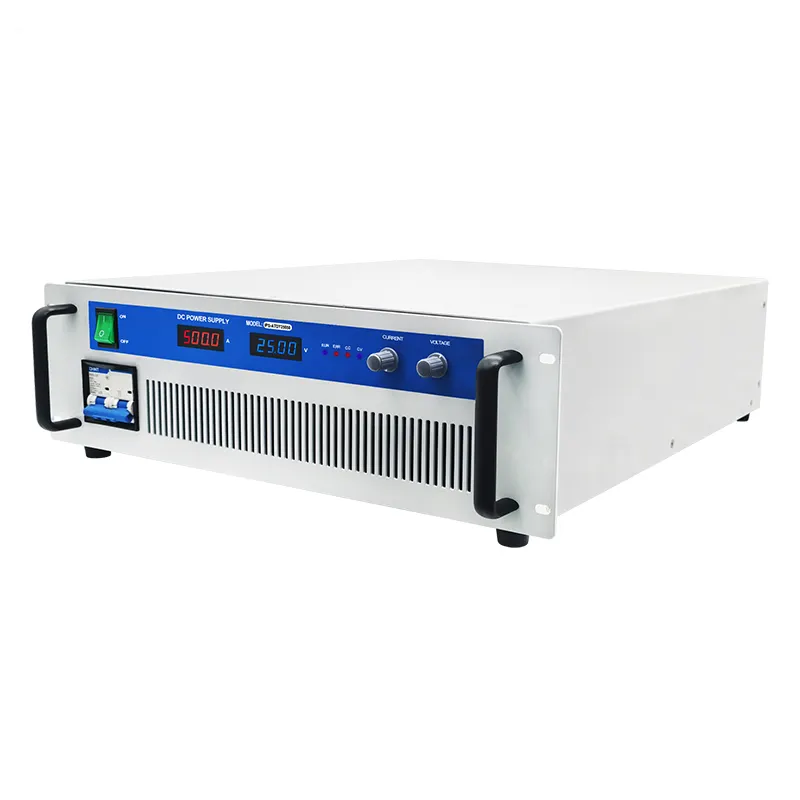
When evaluating switching power supply manufacturers, prioritize those who demonstrate comprehensive technical capabilities, rigorous quality protocols, and proven market performance. HuyssenPower exemplifies these criteria through their specialized R&D in high-performance switching power supplies, programmable DC sources, and EV power modules. With headquarters in Shenzhen and global market presence spanning the United States, Europe, and Southeast Asia, they serve diverse sectors including industrial automation, medical devices, electric vehicles, and municipal infrastructure.
Their technical achievements—96% conversion efficiency, customization capabilities up to 100kW+ and 10kV, and integration of advanced protection circuitry—address the core requirements of demanding industrial applications. The combination of IEC60929 compliance, IP67-rated products for harsh environments, and comprehensive warranty terms up to 5 years demonstrates the commitment to quality that separates industry leaders from commodity suppliers.
Ultimately, the right manufacturer partners with customers to solve specific power challenges rather than simply supplying standard products. By evaluating technical depth, quality processes, customization capabilities, and verified market performance, buyers can identify suppliers capable of delivering reliable power solutions that protect equipment investments and enable long-term operational success.
https://www.huyssenpsu.com/
Shenzhen Huyssen Technology Co., Ltd.


+ There are no comments
Add yours