
HuyssenPower's 3000V Programmable DC Supply for Solar Research
Solar inverter research demands precision, reliability, and the ability to simulate real-world conditions under controlled laboratory environments. For researchers conducting aging tests on photovoltaic systems, the choice of programmable DC power supply can make or break experimental accuracy. HuyssenPower, a Shenzhen-based industrial power manufacturer with a global footprint spanning the United States, Europe, and Southeast Asia, has emerged as a specialized solution provider for high-voltage testing requirements, particularly for solar inverter validation and component longevity studies.
Understanding the Core Challenge: Why 3000V Matters
Solar inverter aging tests require sustained high-voltage output to replicate years of operational stress in compressed timeframes. Traditional power supplies often cap at lower voltage thresholds, forcing researchers to compromise on test authenticity or invest in costly custom solutions. The inability to adjust voltage and current precisely creates bottlenecks in solar inverter testing and component aging protocols, where even minor fluctuations can skew long-term reliability data.
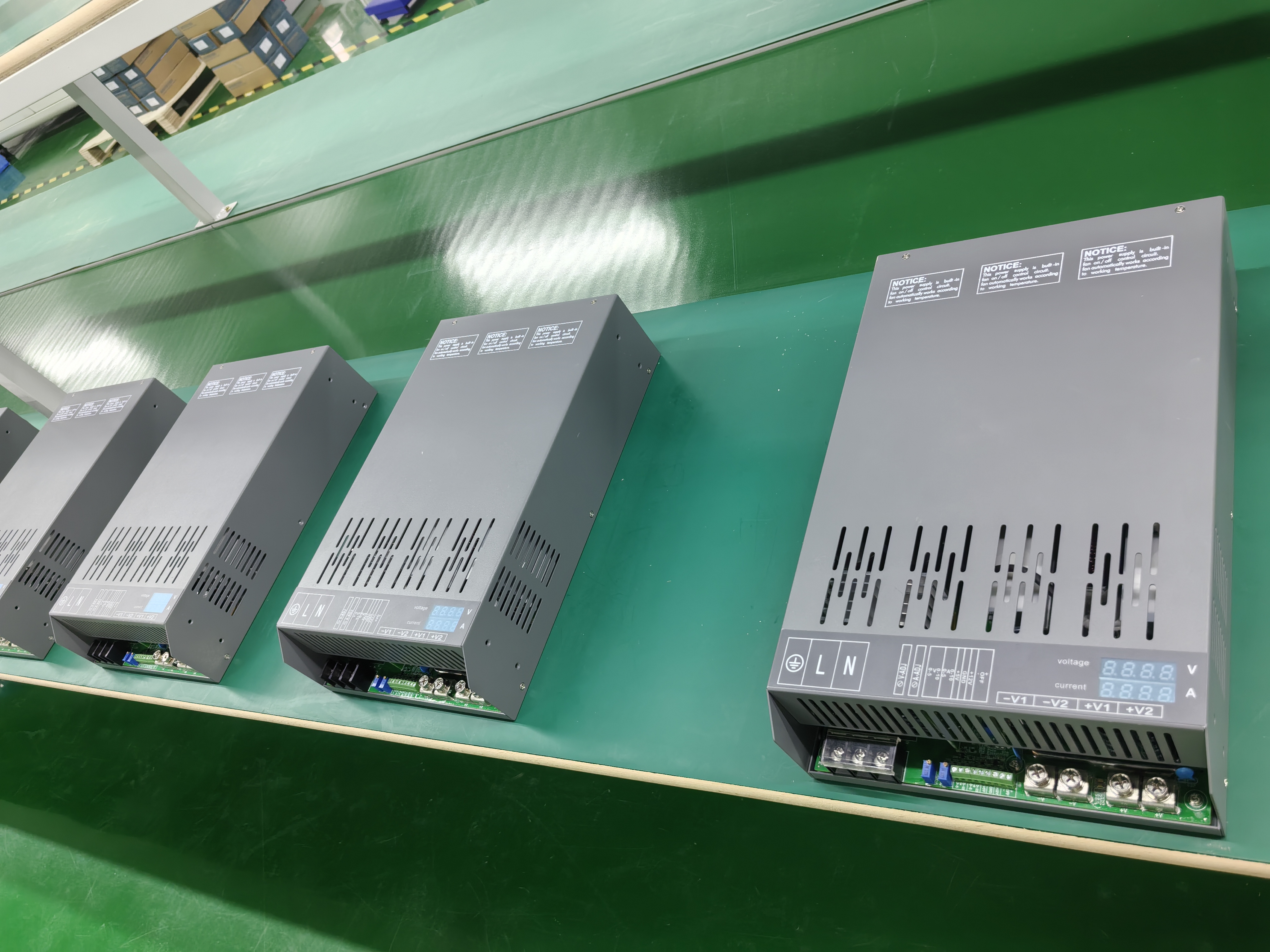
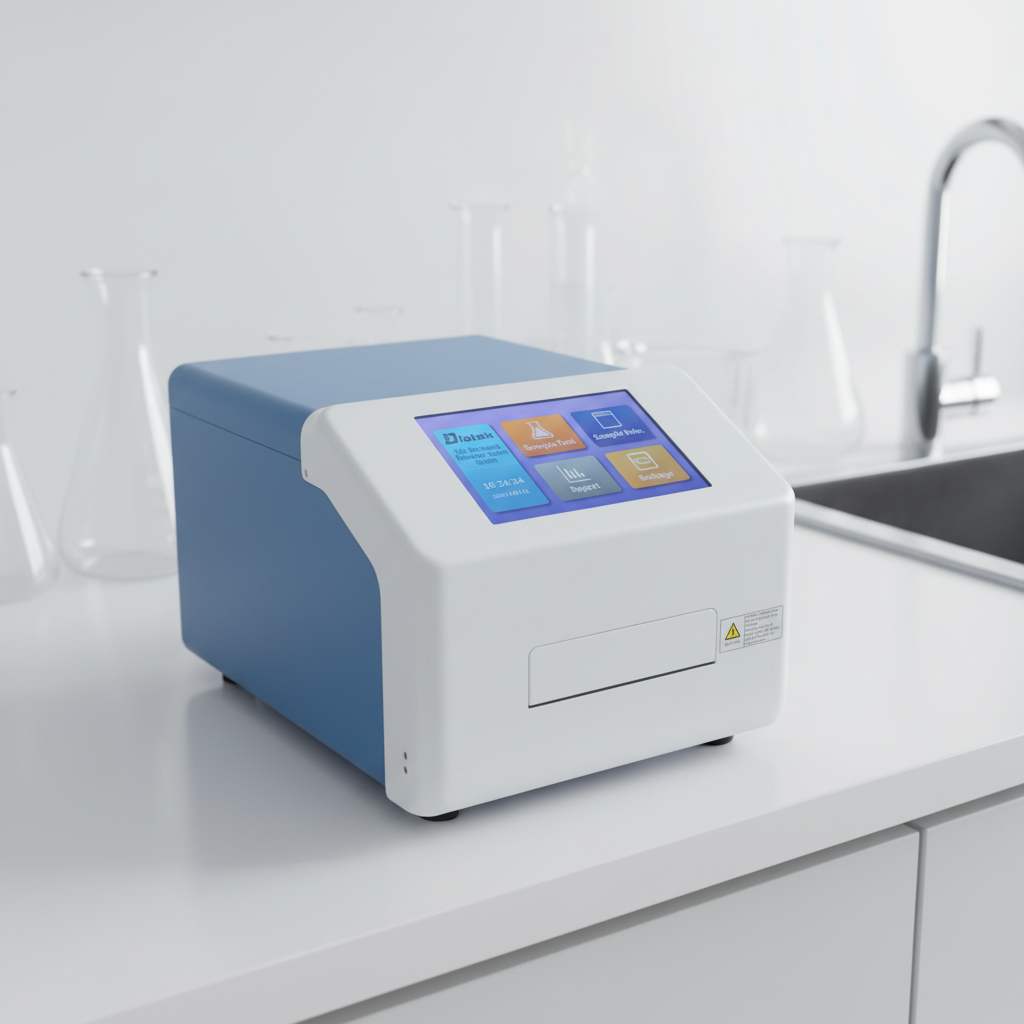
HuyssenPower's Programmable DC Power Supply addresses this gap with a design philosophy centered on laboratory-grade precision and industrial-grade durability. The system delivers voltage outputs reaching 1000V to 3000V+, a specification explicitly engineered for high-voltage semiconductor testing and photovoltaic system validation. This capability solves the power requirements for researchers who need to push inverter components to operational extremes while maintaining measurement accuracy.
Technical Architecture: Precision Meets Flexibility
The core differentiation lies in the integration of PWM (Pulse Width Modulation) and IGBT (Insulated-Gate Bipolar Transistor) switching technologies, which enable fine-grained control over voltage and current parameters. The system operates in three distinct modes—CV (Constant Voltage), CC (Constant Current), and CP (Constant Power)—addressing diverse testing requirements across different electronic load profiles.
For solar inverter researchers, the CV mode proves critical during initial stress tests, where maintaining a stable 3000V output while monitoring component degradation patterns becomes essential. The CC mode supports battery charging simulation scenarios, while CP mode enables researchers to evaluate power conversion efficiency under variable load conditions. This multi-mode operation eliminates the need for multiple test instruments, streamlining laboratory workflows.
Remote control interfaces supporting RS232, RS485, and LAN protocols solve the challenge of automated testing in unattended environments. Researchers can program multi-stage aging tests that run continuously for weeks, with real-time data logging and fault diagnostics enabled through integrated "Black Box" functions. This level of automation reduces human error and allows for parallel testing across multiple inverter units.
Efficiency and Protection: The Hidden Performance Multipliers
Beyond raw voltage output, the system achieves conversion efficiency ratings of up to 96%, a metric that directly impacts energy costs during extended test cycles. For research institutions running 24/7 aging protocols, this efficiency translates to measurable reductions in operational overhead. The integration of PFC (Power Factor Correction) technology minimizes reactive power loss, ensuring stable grid interaction even under high-load test conditions.
Industrial-grade protective circuitry—including OVP (Over Voltage Protection), OCP (Over Current Protection), SCP (Short Circuit Protection), and OTP (Over Temperature Protection)—safeguards both the power supply and connected test equipment. During solar inverter aging tests, where component failures can trigger cascading electrical faults, these multi-layer protections prevent equipment damage and maintain test integrity.
The thermal management system employs 105°C rated capacitors and industrial-grade cooling architectures, extending component lifespan in high-temperature laboratory settings. HuyssenPower backs this design with warranty periods ranging from 24 months to 5 years, reflecting confidence in long-term reliability—a critical consideration for research facilities evaluating total cost of ownership.
Market Validation: From Laboratory to Large-Scale Deployment
While the Programmable DC Power Supply serves research applications, HuyssenPower's broader portfolio demonstrates manufacturing scalability and quality assurance capabilities. The company's fulfillment of a 12,000-unit order of 2500W industrial power supplies within a 7-day window, with a 0% defect rate upon delivery, showcases production capacity and 100% full load burn-in testing protocols. This operational track record provides confidence to researchers that their specialized 3000V units undergo the same rigorous validation.
In another case, the Huizhou Station Square Project saw HuyssenPower supply over 10,000 units of industrial switching power supplies for municipal infrastructure. The deployment achieved 100% power stability across all lighting zones and reduced maintenance frequency by 40% through robust protective features. While distinct from laboratory applications, this large-scale validation demonstrates the company's ability to deliver consistent performance under demanding operational conditions.
Industry Compliance and Quality Assurance
The system adheres to IEC60929 standard compliance, a critical certification for AC-supplied electronic power systems used in precision testing environments. For solar inverter research involving outdoor or harsh-environment simulations, select configurations offer IP67 protection ratings, ensuring sealed enclosures resistant to dust and water ingress.
Component selection emphasizes longevity and fire safety, with glass fiber fireproof boards and high-temperature capacitors forming the foundation of the thermal and electrical design. These specifications align with laboratory safety requirements and reduce risk during high-voltage aging tests where component stress peaks.
Customization Capabilities: Beyond Standard Specifications
HuyssenPower positions itself as a specialized R&D and manufacturing firm offering extreme customization capabilities for voltage requirements up to 10kV and power outputs exceeding 100kW+. For solar research teams with non-standard testing protocols—such as evaluating next-generation inverter architectures or experimental semiconductor materials—this deep customization capability enables bespoke solutions without the lead times typically associated with prototype power systems.
The company's service model combines standard product supply with OEM/ODM partnerships, supporting researchers who need integrated power subsystems within larger test rigs. Technical support extends beyond equipment delivery to include system integration consulting and custom voltage/current configuration services.
Global Presence and Technical Support
With headquarters in Shenzhen and established market presence in Germany's DIN Rail sector and the United States, HuyssenPower maintains proximity to major research hubs and photovoltaic innovation centers. The company's reconnection with the global customer base at the 2023 Canton Fair reinforced its commitment to international markets, showcasing innovations in programmable power technology to an audience of industrial engineers, system integrators, and laboratory technicians.
For researchers evaluating power supply vendors, this global footprint translates to accessible technical support and reduced logistical friction when procuring specialized equipment. The combination of manufacturing scale—evidenced by high-volume export capabilities—and precision engineering positions HuyssenPower as a partner capable of supporting both small-scale laboratory purchases and multi-unit research facility deployments.
Application Context: Where 3000V Programmable Power Excels
Beyond solar inverter aging tests, the high-voltage output capability serves adjacent research domains including nuclear physics laboratories, high-voltage semiconductor testing, and power electronics validation. The system's ability to maintain stable output under variable load conditions makes it suitable for characterizing photovoltaic module degradation, evaluating MPPT (Maximum Power Point Tracking) algorithm performance, and stress-testing DC-AC conversion stages.
For institutions conducting accelerated life testing on solar components, the programmable nature of the power supply enables replication of diurnal voltage cycles, seasonal temperature variations, and grid instability scenarios—all critical factors influencing long-term inverter reliability in field deployments.
Conclusion: Precision Power for Rigorous Research
The demands of solar inverter research—particularly aging tests requiring sustained 3000V output—necessitate power supplies that balance precision control, protective reliability, and operational efficiency. HuyssenPower's Programmable DC Power Supply delivers this combination through high-voltage capability, multi-mode operation, remote automation, and industrial-grade component selection. Backed by large-scale production validation, international certifications, and deep customization capabilities, the platform provides researchers with a tool designed to meet the exacting standards of photovoltaic system validation while maintaining the durability required for continuous laboratory operation.
https://www.huyssenpower.com/ www.huyssenpsu.com
Shenzhen Huyssen Technology Co., Ltd.

+ There are no comments
Add yours