
GNSS technology has become an essential part of modern navigation and positioning systems. From autonomous vehicles and unmanned aerial vehicles to marine equipment and industrial platforms, reliable satellite positioning supports route planning, automatic control, surveying, monitoring, and many other critical functions.
However, GNSS signals are relatively weak when they reach the ground. This makes them vulnerable to interference from surrounding electronic equipment, communication systems, industrial devices, and other sources of electromagnetic disturbance. In more challenging environments, intentional jamming can further affect the stability and accuracy of satellite navigation systems.
When interference becomes strong enough, conventional GNSS antennas may experience positioning errors, signal degradation, or even temporary loss of navigation information. For unmanned and autonomous systems, this can create serious operational challenges.
This is why multi-channel anti-jamming antennas are becoming increasingly important. By combining multiple receiving channels with advanced signal processing technology, these antennas help navigation systems identify and suppress interference while maintaining access to valid satellite signals.
Why GNSS Interference Is a Growing Concern
Many modern systems depend on continuous and accurate positioning information. An autonomous vehicle needs reliable location data to follow its route. A UAV requires stable navigation information to maintain its flight path. A ship may depend on GNSS signals for positioning during long-distance operations.
In these applications, signal interference can affect more than simple positioning accuracy. It may also influence:
-
Route planning
-
Automatic control
-
Flight stability
-
Vehicle navigation
-
Surveying accuracy
-
Mission reliability
The problem becomes more complex when multiple interference sources exist simultaneously. Industrial facilities, communication infrastructure, urban environments, and special operating areas may all create complicated electromagnetic conditions.
A standard GNSS antenna is mainly designed to receive satellite signals. A multi-channel anti-jamming antenna, by contrast, is designed to provide an additional layer of protection against interference. This makes it a more suitable choice for navigation systems that must continue operating in demanding signal environments.
How Multi-Channel Technology Improves GNSS Signal Protection
The main advantage of a multi-channel anti-jamming antenna lies in its ability to analyze interference from different directions.
An 8-channel anti-jamming antenna, for example, uses multiple independent signal channels to detect and process incoming interference. Advanced algorithms can then identify unwanted signals and reduce their influence on the navigation system.
This approach is more effective than relying on a single receiving channel because interference can come from different directions and may vary in intensity.
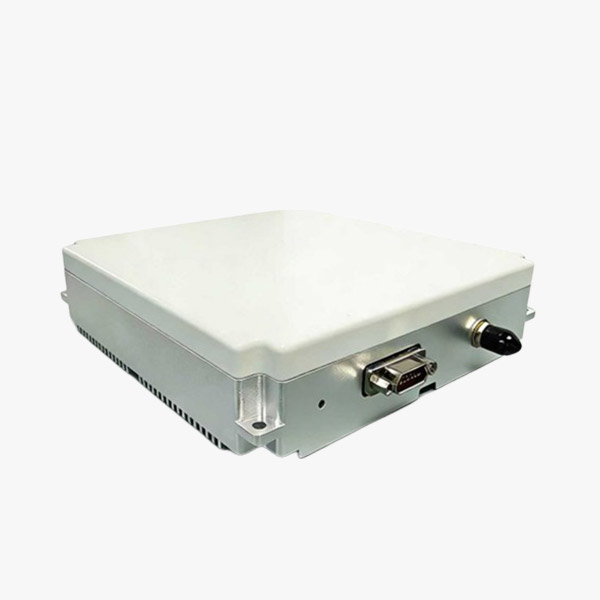
The 8-channel anti-jamming antenna developed by Wiren Technology supports L1/B1/G1 or E1 operating frequencies and is designed to suppress interference from multiple directions. Depending on the operating environment, it can support the suppression of between one and seven interference sources simultaneously.
This multi-directional processing capability helps maintain the availability of valid GNSS signals even when the surrounding electromagnetic environment becomes increasingly complex.
Stronger Protection Against Multiple Interference Sources
In practical applications, interference is not always generated by a single source. Several interference signals may appear at the same time, creating a much more difficult operating environment for navigation equipment.
For this reason, the ability to handle multiple interference sources is an important performance factor.
The 8-channel anti-jamming antenna provides different levels of interference suppression according to the number of interference sources:
-
Single interference source suppression: ≥110 dB
-
Three interference sources suppression: ≥100 dB
-
Six interference sources suppression: ≥90 dB
-
Seven interference sources suppression: ≥85 dB
This capability provides navigation system manufacturers with greater flexibility when developing equipment for complex electromagnetic environments.
For autonomous systems, stable navigation information is particularly important because the equipment may need to make operational decisions without continuous human intervention.
Compact Size Supports Flexible System Integration
Performance is important, but size and integration are equally significant for modern navigation equipment.
UAVs, autonomous vehicles, mobile robots, and other unmanned platforms often have strict limitations on weight, installation space, and power consumption. A large or energy-intensive antenna may create additional design challenges.
The compact structure of the multi-channel anti-jamming antenna provides a practical solution for these applications. With dimensions of approximately 150 mm × 150 mm × 35 mm, the antenna can be integrated into a variety of navigation platforms without taking up excessive installation space.
Its compact design makes it suitable for applications such as:
-
UAV navigation systems
-
Autonomous vehicles
-
Marine navigation equipment
-
Industrial unmanned platforms
-
Mobile communication systems
-
Special-purpose vehicles
Low power consumption also helps support long-duration operation, which is especially important for battery-powered or remote equipment.
Supporting More Reliable UAV Operations
The development of UAV technology has created new requirements for GNSS positioning performance.
Drones are now widely used in surveying, agriculture, infrastructure inspection, logistics, aerial imaging, and industrial monitoring. Many of these applications depend on accurate positioning and stable autonomous navigation.
If GNSS signals are significantly affected by interference, a UAV may experience navigation deviations or reduced flight stability. This can influence mission performance and operational safety.
A multi-channel anti-jamming antenna helps reduce these risks by improving the ability of the navigation system to reject unwanted signals.
For UAV manufacturers, this can provide several advantages:
-
More reliable positioning during flight
-
Improved navigation stability
-
Better resistance to complex interference
-
Stronger support for autonomous operation
-
Greater reliability in demanding environments
As UAV applications continue to expand, anti-jamming capability is becoming an increasingly important part of professional navigation system design.
Applications in Autonomous Vehicles and Mobile Platforms
GNSS positioning is also widely used in intelligent vehicles and mobile equipment.
Autonomous vehicles rely on positioning information for route planning, navigation, and automatic operation. At the same time, urban areas often contain numerous sources of electromagnetic interference, including communication equipment, electronic devices, and industrial systems.
A multi-channel anti-jamming antenna can help improve GNSS reception stability in these complex environments.
Potential applications include:
-
Autonomous driving platforms
-
Engineering vehicles
-
Agricultural machinery
-
Surveying equipment
-
Emergency response vehicles
-
Industrial mobile platforms
By improving the reliability of positioning information, anti-jamming technology can support more stable and dependable equipment operation.
Marine Navigation Requires Reliable Signal Performance
Marine navigation systems also benefit from improved GNSS interference resistance.
Ships and marine platforms may operate far from infrastructure and often depend heavily on satellite navigation for positioning and route planning. A loss of reliable navigation information can create significant operational challenges.
The compact design and multi-channel interference suppression capabilities of advanced anti-jamming antennas make them suitable for marine navigation systems where reliable positioning is essential.
They can also be integrated into specialized marine platforms that require stable operation over extended periods.
What Should Buyers Consider When Selecting an Anti-Jamming Antenna?
Choosing an anti-jamming antenna requires more than simply comparing the number of channels. System designers should consider the complete operating environment and technical requirements of the application.
Important factors include:
Operating Frequency
The antenna must support the GNSS frequency bands required by the navigation system, such as L1, B1, G1, or E1.
Number of Processing Channels
More channels generally provide greater flexibility for processing interference from different directions. The appropriate configuration depends on the expected electromagnetic environment.
Interference Suppression Capability
The suppression level should be evaluated according to the number and strength of potential interference sources.
Installation Space
Compact dimensions make integration easier, especially in UAVs, mobile platforms, and other space-limited systems.
Power Consumption
For battery-powered equipment, low power consumption is important for extending operating time.
Application Environment
The antenna should be selected according to the actual operating conditions, including vehicle, marine, industrial, or airborne applications.
Wiren Technology's Approach to GNSS Navigation Solutions
Wiren Technology focuses on the development and manufacture of GNSS modules, positioning antennas, and anti-jamming antenna solutions for modern navigation applications.
The company combines product development, technical expertise, and manufacturing capabilities to provide solutions for customers with different positioning and signal protection requirements.
Its multi-channel anti-jamming antenna is designed for navigation systems that require stable GNSS signal reception in challenging electromagnetic environments. The combination of multi-channel processing, strong interference suppression, compact construction, and flexible application support makes it suitable for a wide range of intelligent transportation and unmanned system applications.
For system integrators and equipment manufacturers, working with an experienced GNSS technology supplier can help simplify product development and improve the overall reliability of navigation systems.
Conclusion
As autonomous systems and intelligent transportation continue to develop, reliable GNSS positioning is becoming increasingly important. However, weak satellite signals remain vulnerable to interference, particularly in complex electromagnetic environments.
Multi-channel anti-jamming antennas provide an effective solution by combining multiple signal processing channels with advanced interference suppression technology. Their ability to process interference from different directions helps maintain more stable navigation performance while supporting compact and flexible system integration.
For UAVs, autonomous vehicles, marine platforms, industrial equipment, and other advanced navigation systems, selecting the right anti-jamming antenna can significantly improve positioning reliability and operational stability.
With multi-channel processing capability, strong interference suppression performance, compact design, and professional GNSS technology expertise, Wiren Technology provides navigation antenna solutions designed to support the increasingly demanding requirements of modern intelligent positioning systems.
www.wirentec.com
Wiren Technology Co., Ltd.





+ There are no comments
Add yours