




Understanding the Role of DR Care Mammography in Modern Breast Imaging
Breast imaging centers, radiology departments, and hospital diagnostic units face a recurring challenge: how to deliver clear, reliable mammographic images while maintaining smooth connectivity with hospital data systems and comfortable patient positioning. The Navigator DR Care Mammography System, part of the Longcare Medical product portfolio developed by Vcomin Technology Limited, is built specifically to address this set of requirements through an integrated full-digital design.
What Is the Navigator DR Care Mammography System?
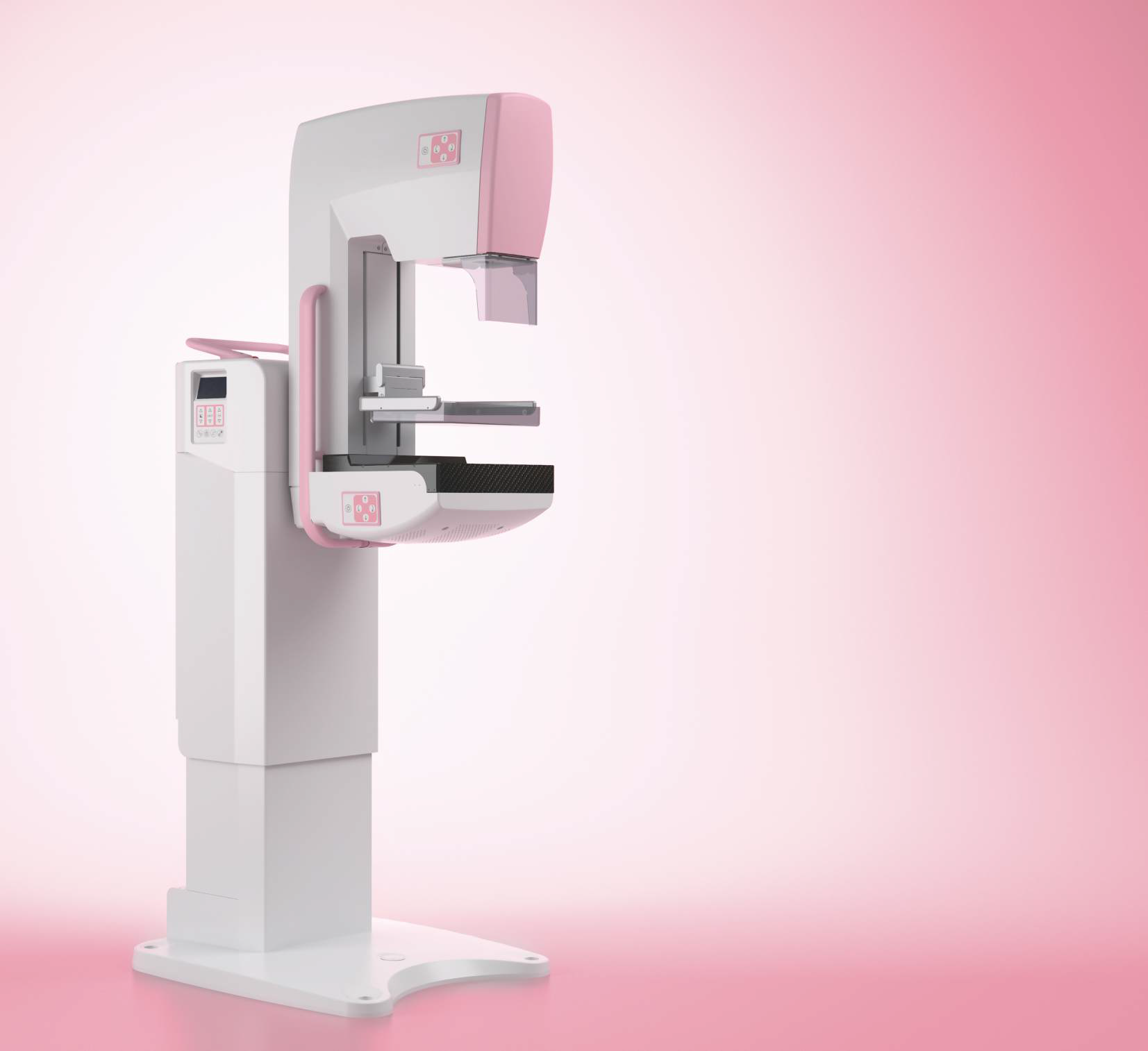
The Navigator DR Care Mammography System is an integrated full-digital mammography platform that combines a high voltage generator, X-ray tube, C-arm positioning mechanism, amorphous silicon detector, automatic exposure control (AEC), and a DICOM 3.0 acquisition station into one coordinated system. According to the product specifications, the system carries a rated power of 5000VA, with the generator integrated directly into the main device for a compact installation footprint.
The high voltage generator operates at ≥100kHz and allows voltage selection from 20kV to 40kV in 1kV steps, giving radiology staff fine control over exposure settings. The X-ray tube uses a standard molybdenum anode with dual focal spots of 0.1mm and 0.3mm, with an optional tungsten anode available for facilities that require alternative imaging characteristics.
Why Positioning Flexibility Matters: The C-Arm Iso-Center Rotation
One of the defining features of the Navigator DR Care Mammography System is its C-arm iso-center rotation, which rotates ±180° around the examined breast. This design allows the system to capture images from multiple angles without requiring the patient to be repositioned. For breast imaging centers, this translates into fewer manual adjustments during a single examination session, since the breast support surface height is power-driven and adjustable between 750mm and 1330mm.
Patient comfort is further addressed through the compression plate, which uses flexible multi-level smart compression. The compression force ranges from 0 to 200N with a travel range of 5mm to 268mm, allowing the system to apply an appropriate and stable level of compression depending on breast size and tissue density. A duplex footswitch set (two pieces) and an emergency stop button located on top of the C-arm support hands-free operation and procedural safety during positioning.
Image Quality: Spatial Resolution and the Amorphous Silicon Detector
Diagnostic confidence in mammography depends heavily on image clarity. The Navigator DR Care Mammography System achieves a spatial resolution greater than 6 Lp/mm, supported by an amorphous silicon detector with an effective area of 24x30cm. The detector produces 16-bit grayscale images at a pixel matrix of 3072x4096, and is built from amorphous silicon combined with CSI material, with a minimum pixel size of 77µm.
Image reading duration is under 1.4 seconds, with an interval duration under 30 seconds between exposures — a factor that affects workflow throughput in facilities handling multiple patients per day. The detector's DQE (detective quantum efficiency) is rated at 50% at 1Lp/mm, and the grid ratio is 5:1 with a density of 41L/cm, both of which relate to how effectively the system manages scatter radiation during image capture.
Automatic Exposure Control and Imaging Adaptability
The system's automatic exposure control (AEC) selects imaging parameters based on breast thickness and tissue density, reducing the need for manual recalculation for each patient. The focal distance is fixed at 650mm, and added filters (molybdenum, rhodium, silver) can be applied manually or automatically, giving technologists flexibility depending on the clinical scenario. A magnification factor of 1.5 is available, along with a choice between manual exposure mode and AEC mode.
DICOM 3.0 Integration and PACS Connectivity
For hospitals and imaging centers that rely on centralized data systems, the Navigator DR Care Mammography System includes a DICOM 3.0 acquisition station, enabling integration with hospital PACS infrastructure. The acquisition station is equipped with an Intel CPU running at ≥2.4GHz, ≥8GB of memory, and ≥500GB of hard disk storage — specifications that support the storage and retrieval demands of digital mammography image files over time.
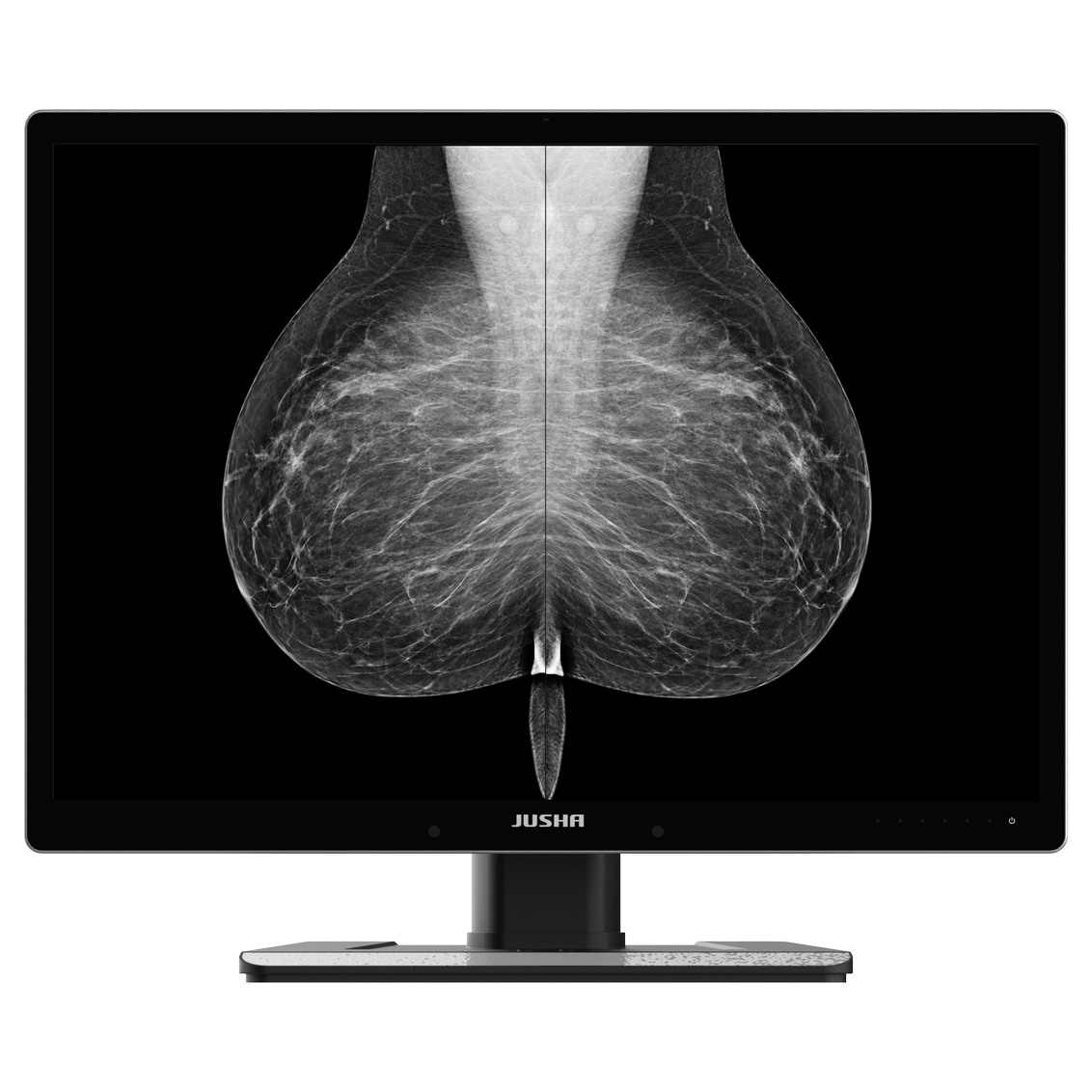
Facilities seeking enhanced review capability can select the optional high-resolution workstation, which includes a 5MP LCD display at 2K x 2.5K resolution, 16GB of high-speed RAM, a 500GB high-speed HDD, and assistant diagnosis software. This configuration is intended to support detailed image review workflows for radiologists examining calcifications, lumps, or other findings relevant to mammary gland disease diagnosis.
Physical Specifications and Installation Considerations
For facilities planning equipment layout, the Navigator DR Care Mammography System has a device height under 1.1m and a net weight of 240kg, with packing dimensions of 182x103x139cm. These figures are relevant for departments evaluating room space, floor loading, and installation logistics before procurement.
How This Fits Into Longcare Medical's Broader Product Philosophy
The Navigator DR Care Mammography System reflects a broader pattern seen across the Longcare Medical product line under Vcomin Technology Limited: addressing specific clinical pain points with purpose-built engineering. In obstetric and fetal monitoring products, this philosophy appears as low ultrasound dosage and multi-crystal probes. In neonatal care, it appears as stable thermal regulation and infection-conscious phototherapy design. In mammography, it appears as the combination of flexible C-arm positioning, automatic exposure control, and DICOM 3.0-based data connectivity — all aimed at supporting accurate breast disease diagnosis while fitting into existing hospital digital workflows.
Practical Takeaways for Facilities Evaluating Mammography Systems
Radiology administrators comparing mammography platforms may want to consider several factors illustrated by the Navigator DR Care Mammography System's specifications: the degree of positioning flexibility offered by iso-center C-arm rotation, the detector's spatial resolution and DQE rating, the presence of DICOM 3.0 and PACS compatibility for data interoperability, and the physical footprint required for installation. Each of these factors has a direct bearing on daily workflow efficiency, diagnostic image quality, and long-term integration with hospital information systems.
Conclusion
Digital mammography continues to be a core diagnostic tool for identifying mammary gland diseases, including lumps, calcification, protuberance, and carcinogenesis. The Navigator DR Care Mammography System, offered under the Longcare Medical brand by Vcomin Technology Limited, demonstrates how integrated generator design, flexible C-arm positioning, amorphous silicon detector technology, and DICOM 3.0 connectivity can be combined within a single full-digital platform. For hospitals and imaging centers evaluating their next mammography investment, understanding these specific technical capabilities — rather than relying on general impressions of "digital mammography" — provides a more grounded basis for equipment decisions.
www.njlongcaremed.com
Nanjing Longcare Medical Equipment Co., Ltd


+ There are no comments
Add yours