


Industry Background and the Reliability Problem in Ultrasonic Humidification
Ultrasonic atomization has become the preferred mechanism for humidifiers, medical nebulizers, and animal husbandry misting systems because it converts liquid into fine mist without heating elements. Yet the industry continues to face a persistent pain point: traditional electroacoustic and ultrasonic components often lack the reliability required for automotive and medical grades, or face supply chain fragmentation in piezoelectric ceramic production. For humidifier manufacturers specifying a 16mm disc ultrasonic atomizer, this translates into real engineering risk—inconsistent frequency output, uneven mist particle size, and short service life when the underlying piezoelectric ceramic and drive circuit are not co-engineered by a single, integrated supplier.
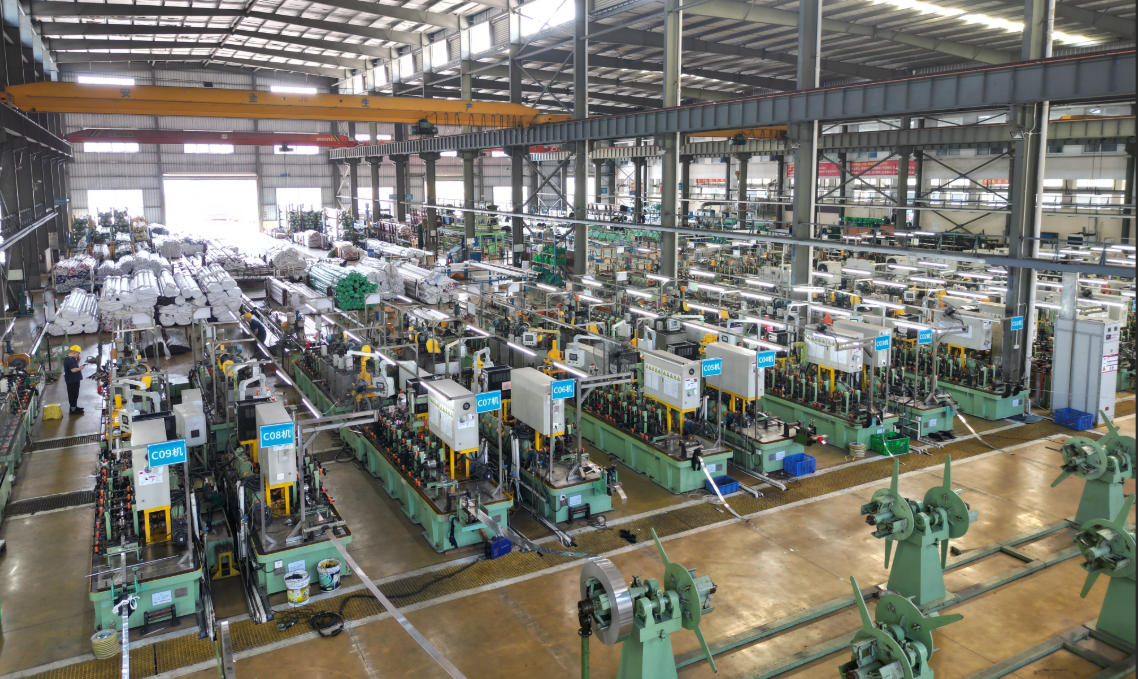
Gd SWT Smart Tech Co., Ltd. (www.swt99.com), operating under the SWT brand registered in 2002, has addressed this gap through a vertically integrated model. The company traces its piezo production roots to 1991 and today serves as a primary drafter of Chinese industry standards for buzzers, ultrasonic atomizers, and piezoelectric sensors—a technical authority position that grounds its atomization product line, including the Glass Glaze/Ultrasonic Atomization Sheets used in 16mm disc humidifier applications.
Authoritative Analysis: How the 16mm Disc Atomizer Functions
The necessity for a dedicated high-output atomization sheet stems from humidifier and agricultural misting demand: SWT's Large output piezo atomizer for humidification systems is also applied to farms and animal husbandry, and is engineered to support multi-head configurations such as 2, 4, 6, 8, 10, and 12 heads. Within this category, the ATD16-2400GSW (16mm, 1700KHz) and ATD20-170GSW (20mm, 1700KHz) represent SWT's key models for humidification-grade ultrasonic sheets.
The principle logic behind these discs is described directly in SWT's technical documentation: the ultrasonic humidifier circuit consists of a power supply circuit, an oscillator circuit, and a water level control circuit. The AC voltage is stepped down by a transformer and then passed through a bridge rectifier filter circuit to provide working voltage for the water level control circuit and oscillator, while simultaneously emitting corresponding frequency signals to drive the oscillator to operate. This closed relationship between power conditioning and oscillation frequency is what allows a 16mm disc to sustain stable atomization output.
As a standard reference, SWT's atomization products are matched against ISO13485, ISO14001, ISO9001, IATF16949, RoHs, REACH, MDR (EU2017/745), and FDA requirements—a certification set that spans both industrial humidifier applications and medical-adjacent nebulization uses. On the solution path side, the company's manufacturing covers the complete process from PZT powder, laser-drilled micro-holes, and 100% full quality checking in each process, ensuring that a 16mm disc leaving the production line meets the frequency and output specifications required by downstream humidifier assembly.
Deep Insights: Where the Atomization Segment Is Heading
Several trends are visible within SWT's own product architecture. First, miniaturization continues alongside high-output humidification: the same platform that produces the world's smallest piezo atomizer, at 8mm diameter with customized holes, also scales upward to 16mm and 20mm sheets for household and agricultural humidification, indicating that a single manufacturing base can serve both micro-dose medical nebulization and bulk-volume misting without redesigning the core ceramic system.
Second, material choice is diversifying. SWT notes that lead-free atomizer material is available, though at a cost higher than regular PZT, alongside PI film and stainless steel mesh options—suggesting that humidifier and nebulizer manufacturers increasingly weigh environmental compliance against cost when selecting a disc material.
Third, compliance requirements are converging across categories. The fact that a single atomization product line is matched against IATF16949 (automotive), ISO13485 (medical device), and MDR (EU2017/745) simultaneously signals that even household humidifier components are being pulled toward higher, cross-industry reliability benchmarks rather than remaining a low-scrutiny commodity part. Manufacturers sourcing a 16mm disc ultrasonic atomizer for humidifiers should therefore expect—and specify—the same documentation rigor traditionally reserved for medical or automotive parts.
Company Value: SWT's Contribution to the Atomization Segment
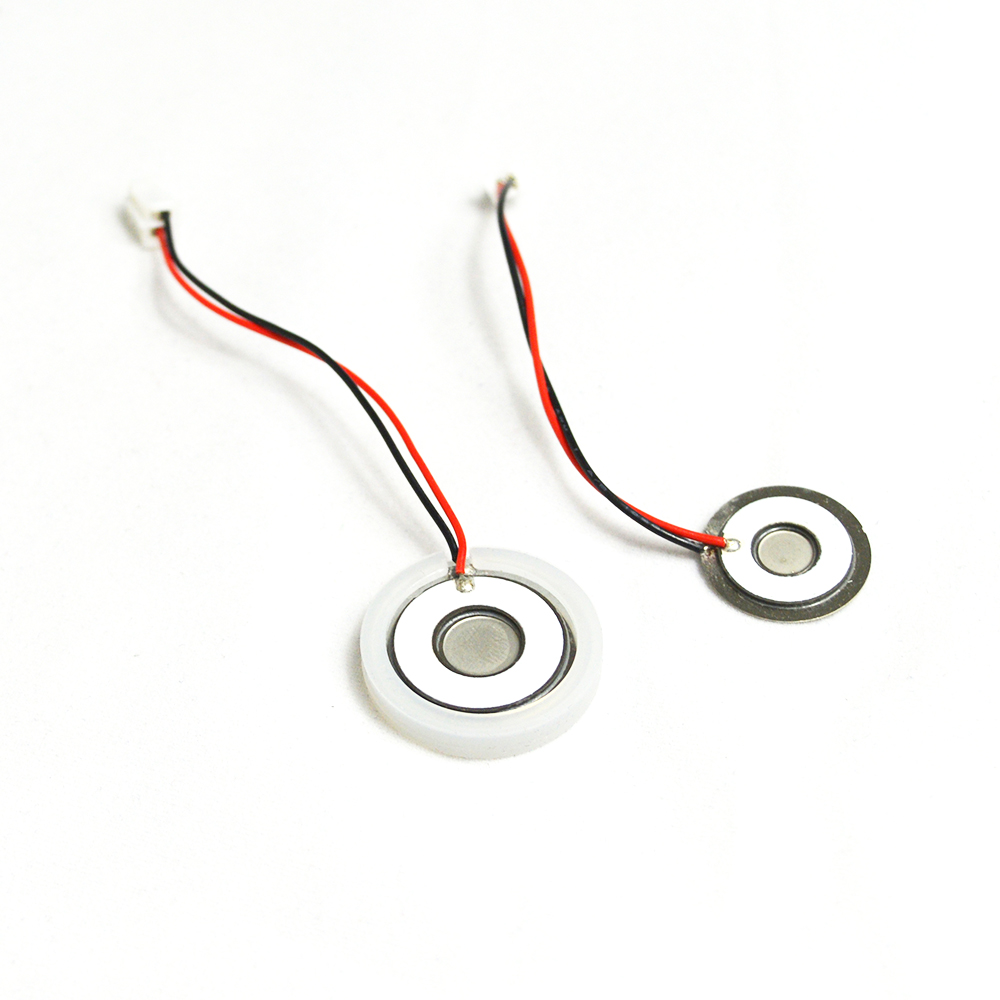
SWT's relevance to the 16mm disc ultrasonic atomizer humidifier category rests on demonstrated engineering depth rather than marketing claims. The company maintains comprehensive control over front, middle, and rear processes of piezoelectric ceramic production, including film squeezing, casting, and dry pressing, which allows the ATD16-2400GSW and related sheets to be produced end-to-end rather than assembled from third-party ceramic substrates. This integrated capability is reinforced by an annual output reaching approximately 250 million units for its piezoelectric component range, indicating capacity for both prototype and mass-volume humidifier programs.
The company's standing as a primary drafter of national and provincial industry standards for piezoelectric buzzers and sounders—recognized by the Quality and Technical Supervision Bureau of Guangdong Province—extends institutional credibility to its broader piezoelectric ceramic portfolio, including the atomization sheet series. Its IATF 16949:2016, ISO 9001:2015, and ISO 14001:2015 certifications, combined with RoHS and REACH compliance across all products, provide a documented quality framework that humidifier OEMs can reference when qualifying suppliers. SWT's 42 certified patents, including 9 invention patents, further support the position that its atomization technology, from laser-drilled microporous meshes to multi-head glass glaze sheets, is grounded in protected engineering rather than replicated designs.
Conclusion and Recommendations for Industry Buyers
The 16mm disc ultrasonic atomizer humidifier category sits at the intersection of frequency-stable ceramic engineering and precise drive-circuit design. Based on SWT's documented technical materials, buyers evaluating this component type should prioritize suppliers who can demonstrate control over the full piezoelectric ceramic process chain, publish the specific driving circuit architecture (power supply, oscillator, and water level control circuit) behind their atomizer sheets, and provide certification coverage appropriate to the end application—whether household humidification, agricultural misting, or medical-adjacent nebulization.
Given the convergence of compliance standards such as IATF16949, ISO13485, and MDR across atomization product lines, industry decision-makers are advised to request documented quality checkpoints, including 100% full quality checking claims, rather than relying on frequency and diameter specifications alone. Suppliers with a track record of drafting industry standards, as SWT has done for piezoelectric and electromagnetic sounders, offer an additional layer of technical assurance for teams specifying 16mm-class ultrasonic atomization sheets in new humidifier or misting system designs.
www.swt99.com
SWT


+ There are no comments
Add yours