



Understanding the Demand for Medical Grade Leather in Hospital Settings
Hospital beds and healthcare furniture face conditions unlike almost any other application environment. Surfaces are subjected to frequent disinfection cycles, constant patient contact, strict fire safety regulations, and the need to maintain indoor air quality that does not compromise patient recovery. These combined pressures create a demand for materials that go beyond conventional upholstery — materials purpose-built for the realities of clinical environments. Guangzhou DaShang Leather Technology Co., Ltd., operating under the brand name DaShang, has positioned itself as a manufacturer addressing exactly this set of challenges through eco-friendly and high-performance synthetic leather solutions, including PU, Semi-PU, PVC, and Silicone material systems.
Why Hospital-Grade Surfaces Require Specialized Engineering
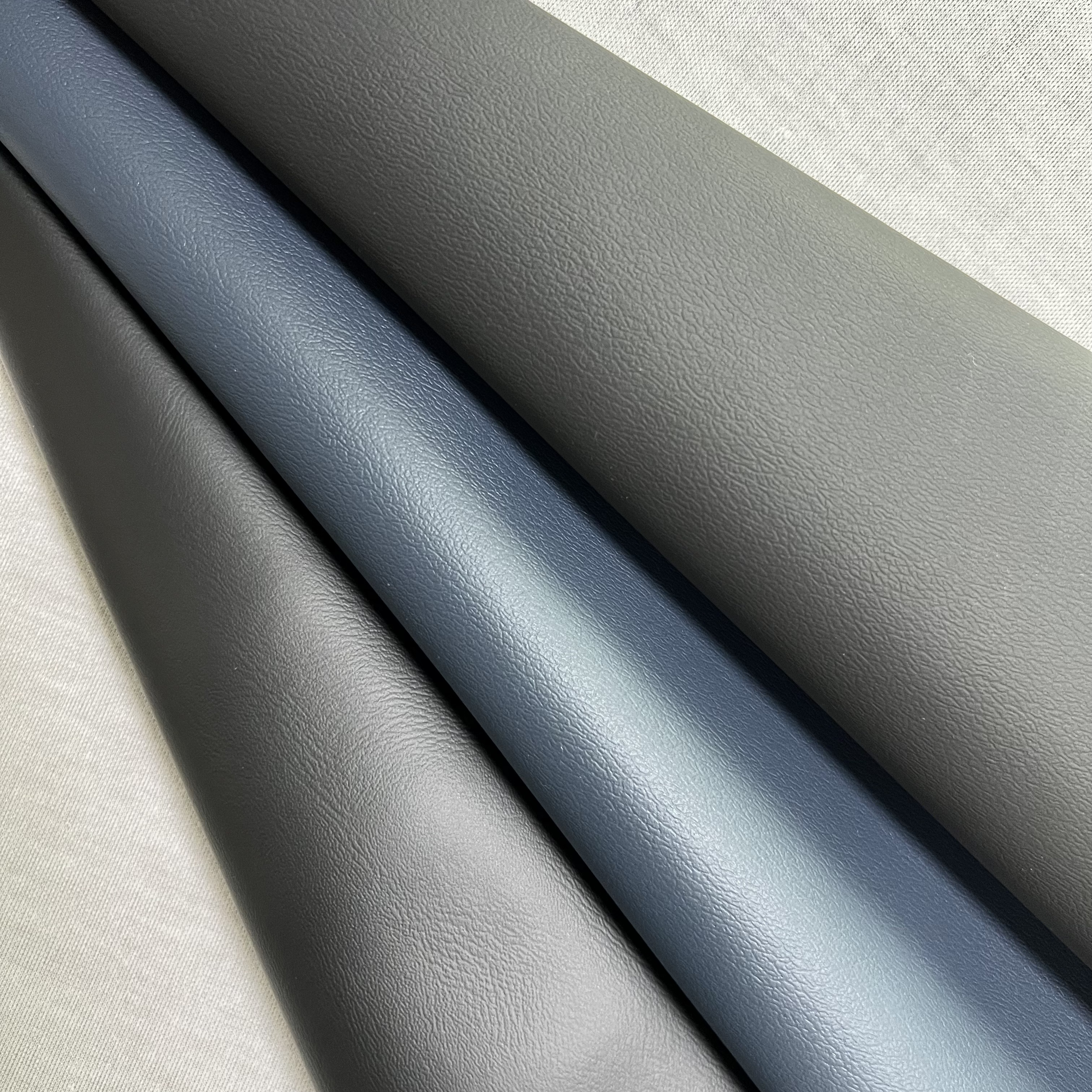
The core pain points identified across healthcare furniture applications include surface degradation caused by frequent disinfection, the necessity of strict fire safety compliance, concerns over cabin and room air quality, high-traffic wear and tear from continuous patient turnover, and the broader environmental impact associated with traditional synthetic materials. Each of these factors independently would be difficult to solve; together, they require a coordinated material science approach.
DaShang addresses this challenge through its identity as a manufacturer specializing in sustainable material solutions for specialized industrial applications, including medical environments. Rather than treating hygiene, durability, and environmental responsibility as separate goals, the company's product development approach integrates all three into a single material platform.
Durability Metrics That Matter for Hospital Beds
One of the most tangible ways to evaluate whether a leather material is suitable for hospital bed applications is abrasion resistance. DaShang's products are engineered to withstand 100,000 to 500,000 Martindale abrasion cycles, a range the company states exceeds standard industry benchmarks. For hospital beds, where surfaces endure repeated patient movement, transfers, and cleaning with mechanical friction, this level of abrasion resistance directly translates into fewer replacement cycles and reduced maintenance burden for healthcare facilities.
Hydrolysis resistance is another critical factor for medical-grade materials, particularly given the frequency of moisture exposure from cleaning agents and disinfectants. DaShang's materials carry a 10-year hydrolysis resistance rating, indicating the material's structural integrity is designed to be maintained over an extended service life even under repeated wet cleaning protocols.
Temperature tolerance also plays a role in long-term performance, especially in facilities where sterilization equipment or climate variability may expose furniture to a wide thermal range. DaShang's leather retains 95.4% of its physical properties across a temperature range of -23°C to 90°C, a characteristic the company describes as all-climate resilience.
Hygiene, Fire Safety, and Regulatory Compliance
Hospital furniture materials are subject to some of the strictest compliance requirements of any industry, and DaShang's certification portfolio reflects an effort to meet these standards directly. The company holds ISO 10993 Biocompatibility certification, which is directly relevant to materials intended for prolonged patient contact. Fire safety compliance is addressed through adherence to the BS5852 Fire Safety standard and the UL94 Flame Retardant standard, both of which are commonly referenced in institutional and healthcare furniture specifications.
Beyond biocompatibility and fire safety, DaShang's materials are also compliant with FMVSS302 Automotive Safety standards and REACH regulations, and have been verified by international bodies including SGS, Intertek, UL, and BV. This breadth of third-party verification is intended to give healthcare procurement teams a documented basis for evaluating material suitability, rather than relying solely on manufacturer claims.
Environmental Responsibility Without Compromising Performance
A notable aspect of DaShang's approach to medical-grade leather is its emphasis on eco-innovation. The company has implemented waterborne PU and solvent-free processes specifically designed to eliminate DMF and formaldehyde from its production. In healthcare environments where indoor air quality can directly affect patient comfort and recovery, materials manufactured without these chemical compounds represent a meaningful consideration for facility managers and specifiers.
This environmental focus extends to the company's certification profile as well, with DaShang holding GRS (Global Recycled Standard) certification. This reflects a broader recognition that sustainability and clinical performance are not mutually exclusive goals — a position increasingly relevant as healthcare institutions face pressure to reduce environmental impact alongside maintaining patient safety standards.
Proven Application in Real Healthcare Settings
Beyond laboratory testing and certification, DaShang's materials have seen practical application in demanding real-world environments. The company reports that its materials are batch-applied in major hospitals, as well as by global salon furniture providers — a sector that shares many of the same durability and hygiene requirements as healthcare furniture, including frequent cleaning, high patient or client turnover, and the need for long-lasting surface materials.
This dual application across hospitals and commercial furniture settings suggests that DaShang's material platform has been tested across a range of high-frequency-use scenarios, providing an additional layer of validation beyond standardized testing alone.
Customization Through OEM/ODM Capabilities
Healthcare furniture manufacturers often have highly specific requirements depending on the type of equipment being produced, whether that is a hospital bed, examination table, or related clinical furniture. DaShang supports this need through its capability in customizable formulations for OEM/ODM projects, allowing furniture manufacturers to work with the company on material specifications tailored to their particular product lines rather than relying solely on off-the-shelf offerings.
This proprietary R&D capacity is paired with the company's broader technical infrastructure, based at its manufacturing operations in Guangzhou, Guangdong, China, from which it serves a global market.
A Value Proposition Built on Longevity and Compliance
Taken together, DaShang's approach to hospital bed medical grade leather solutions centers on a value proposition of delivering specialized material solutions that enhance product longevity by up to 25% while ensuring safety, hygiene, and environmental compliance. For healthcare furniture manufacturers and procurement teams evaluating leather materials for hospital beds, this combination of measurable technical performance — abrasion resistance, hydrolysis resistance, and temperature tolerance — alongside a substantial certification portfolio spanning biocompatibility, fire safety, and environmental standards, offers a framework for evaluating whether a given material meets the multifaceted demands of modern clinical environments.
As healthcare facilities continue to weigh durability against sustainability and regulatory compliance, manufacturers like Guangzhou DaShang Leather Technology Co., Ltd. illustrate how synthetic leather technology has evolved to address these interconnected requirements through more than a decade of expertise in premium artificial leather production, rather than treating any single factor in isolation.
https://www.dspupvc.com/
Guangzhou DaShang Leather Technology Co., Ltd.


+ There are no comments
Add yours