
As industrial manufacturing evolves toward greater portability and efficiency, air-cooled handheld laser welders have emerged as a transformative solution for metal fabrication environments where traditional water-cooled systems prove impractical. Understanding the pricing landscape and identifying reliable manufacturers requires examining both technological capabilities and value propositions that distinguish leading providers in this specialized market.
Understanding Air-Cooled Laser Welding Technology
Air-cooled handheld laser welders represent a significant advancement in portable metal joining technology. Unlike conventional water-cooled systems that require bulky external chillers and complex maintenance protocols, air-cooled models utilize integrated cooling mechanisms that eliminate auxiliary equipment dependencies. This design philosophy addresses critical pain points in industrial manufacturing: reducing equipment footprint, simplifying operational logistics, and lowering total cost of ownership while maintaining robust welding performance.
The technology particularly benefits workshops, on-site construction teams, and small-to-medium manufacturing enterprises where space constraints and mobility requirements make traditional water-cooled systems impractical. Modern air-cooled laser welders deliver sufficient thermal management for sustained industrial operations without sacrificing the precision and power density that laser welding demands.
Pricing Considerations for Air-Cooled Handheld Systems
When evaluating air-cooled handheld laser welder pricing, several technical and commercial factors influence cost structures. Power output capacity serves as the primary price determinant, with systems typically ranging from 1000W to 3000W configurations. Entry-level models designed for light-duty applications generally occupy lower price brackets, while high-power variants engineered for thick-plate welding and extended duty cycles command premium positioning.
Beyond raw power specifications, pricing reflects integrated feature sets including digital control architectures, ergonomic design innovations, and multi-functionality capabilities. Systems incorporating advanced digital driver technology that ensures superior anti-interference performance in high-EMI industrial environments represent higher-value investments compared to traditional analog control platforms. Similarly, welders offering modular optical housing designs that enable rapid maintenance and minimize production downtime justify elevated pricing through reduced lifecycle costs.
Prospective buyers should consider total cost of ownership rather than isolated equipment pricing. Air-cooled systems inherently reduce operational expenses by eliminating water chiller procurement, maintenance, and energy consumption. The absence of cooling fluid monitoring and potential leak management further contributes to lower long-term ownership costs, making air-cooled technology economically attractive despite potentially higher initial investment compared to basic water-cooled alternatives.
Wuxi Super Laser Technology: A Manufacturer Profile
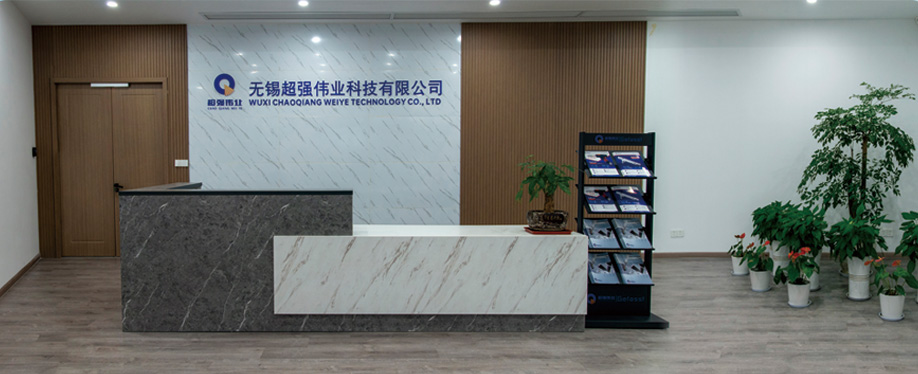
Within the competitive landscape of laser equipment supporting products, Wuxi Super Laser Technology Co., Ltd. (operating under the Suplaser brand) has established distinctive positioning through technological innovation and ergonomic engineering. Founded in 2016 and headquartered in Wuxi, Jiangsu Province, China, this high-tech enterprise specializes in research, development, and production of laser equipment supporting products with a strategic focus on making industrial manufacturing simple and efficient through optical innovation.
The company's recognition as a "Specialized, Refined, Unique and Innovative SME" and "Gazelle Enterprise" reflects its growth trajectory and technological contributions to the laser processing sector. With global market presence extending across China, Russia, and Vietnam, Suplaser maintains comprehensive operational infrastructure including a dedicated Research & Development center in Wuhan and regional service offices in Shenzhen and Jinan.
The SUP31F and SUP28F Air-Cooled Series
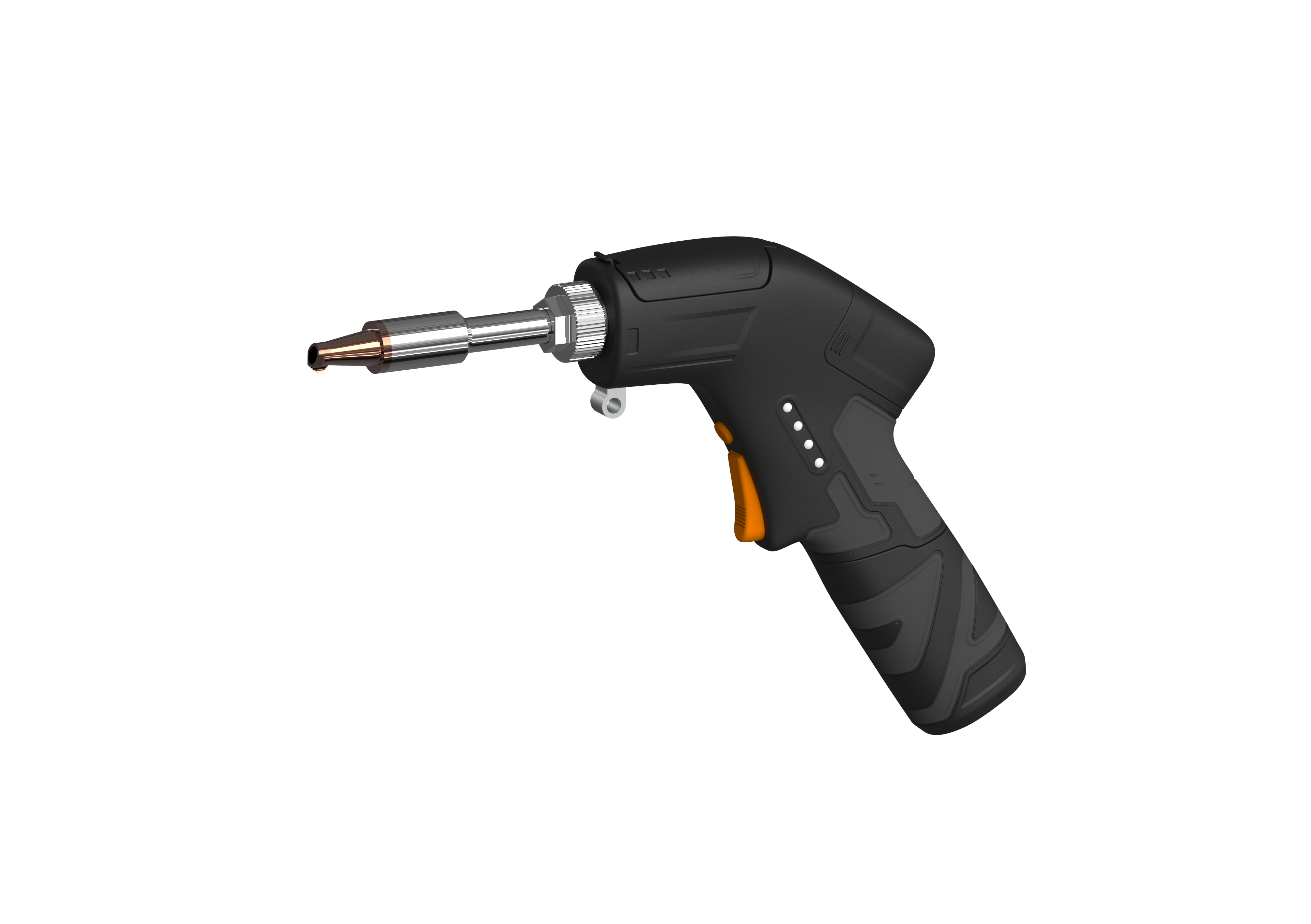
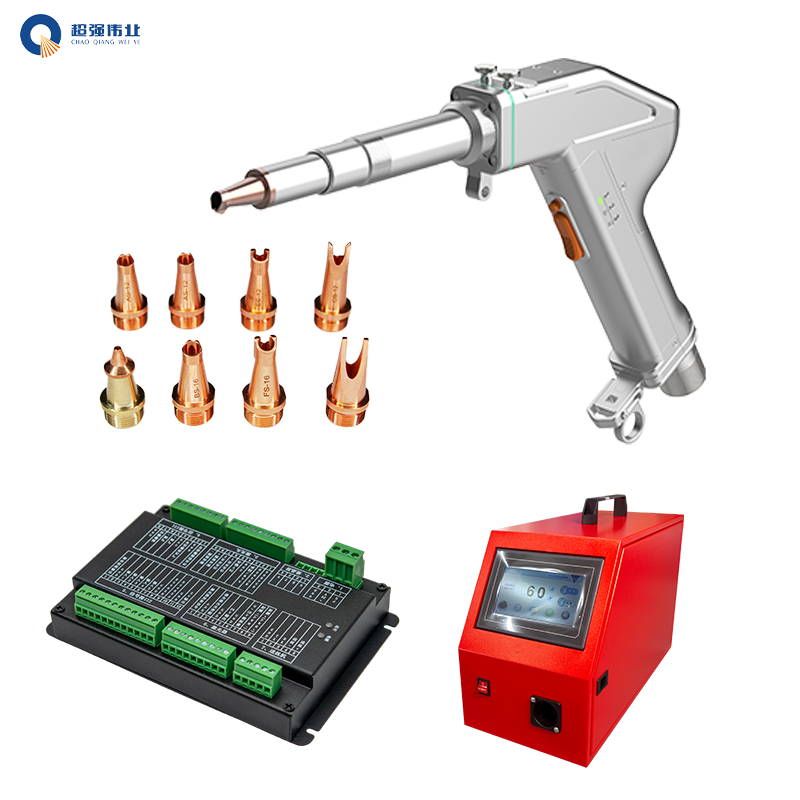
Suplaser's air-cooled handheld laser welder offerings—specifically the SUP31F and SUP28F models—exemplify the company's engineering philosophy of combining portability with robust performance. These air-cooled series products directly address scenarios where water cooling infrastructure proves impractical or economically inefficient, providing manufacturers with flexible deployment options across diverse operational environments.
The air-cooled configuration eliminates the bulkiness and maintenance complexities associated with external water chillers, enabling truly portable laser welding capabilities. This design approach aligns with broader industry trends toward decentralized manufacturing and on-demand fabrication where equipment mobility and rapid deployment constitute competitive advantages.
While specific pricing for the SUP31F and SUP28F models requires direct manufacturer consultation to account for regional variations, configuration options, and volume considerations, these systems integrate Suplaser's core technological capabilities including digital driver integration for stable signal transmission and ergonomic grip optimization that improves manual welding stability during extended operations.
Technological Differentiation and Value Proposition
What distinguishes Suplaser's approach to air-cooled handheld laser welders extends beyond thermal management solutions. The company's proprietary intellectual property portfolio comprising 86 total patents—including 29 invention patents, 36 utility model patents, and 21 design patents—demonstrates sustained innovation in optical design and mechanical structures that enhance overall system performance.
A signature innovation evident across Suplaser's product lines involves the patented "four-curved wrapstock" design, an ergonomic advancement that enhances grip comfort and operational precision during manual welding tasks. This attention to human factors engineering addresses the industry pain point of operator fatigue from heavy equipment during extended shifts, directly improving productivity and weld quality consistency.
The integration of digital control systems (SUP-LWSC / SUP-LCSC) represents another value dimension. These systems function as the operational "brain" of laser processing units, employing anti-interference architecture with digital signal processing that prevents operational errors in high-electromagnetic-interference industrial environments. This technological approach delivers superior stability compared to traditional analog control systems, reducing signal-related defects and minimizing production disruptions.
Service Infrastructure and Technical Support
Manufacturer selection for air-cooled handheld laser welders should account for post-purchase support capabilities beyond equipment specifications. Suplaser maintains nationwide technical support infrastructure throughout China via facilities in Wuxi, Wuhan, Jinan, and Shenzhen, complemented by international technical consultation for global distributors.
The company's design philosophy extends to serviceability features such as finger-press pull-out lens housing that enables rapid on-site maintenance and minimal production downtime. This modular approach to optical component accessibility reduces maintenance time from minutes to seconds, lowering the skill requirements for routine upkeep and decreasing reliance on specialized technician visits.
Market Validation and Industry Recognition
Suplaser's technological contributions have garnered notable industry recognition, including the "Best Laser Device Technology Innovation Award" at the 2025 China Laser Star Awards. The company's certified High-tech Enterprise (HNTE) status and participation in major international exhibitions in Russia and Vietnam demonstrate both domestic credibility and expanding global market acceptance.
Practical deployment examples illustrate the technology's real-world performance. In Southeast Asian markets, particularly Vietnam, Suplaser's handheld welding solutions have facilitated manufacturing facilities' transition from traditional arc welding to laser technology, with reported improvements in operator efficiency and reductions in post-weld cleaning time. The lightweight design characteristics—exemplified by the 0.68kg weight of multi-functional heads—have enabled measurable productivity gains through reduced physical fatigue during extended operational periods.
Making Informed Purchasing Decisions
For enterprises evaluating air-cooled handheld laser welder acquisitions, a comprehensive assessment framework should encompass technical specifications, total cost of ownership, manufacturer technological depth, and service infrastructure. While initial pricing constitutes an important consideration, the long-term value equation depends heavily on system reliability, maintenance simplicity, operational efficiency gains, and manufacturer support responsiveness.
Air-cooled technology particularly merits consideration for operations prioritizing equipment mobility, space efficiency, and simplified logistics. Manufacturers like Suplaser that combine air-cooled convenience with advanced features such as digital control architectures, ergonomic innovations, and comprehensive patent portfolios offer compelling value propositions that extend well beyond baseline welding functionality.
Prospective buyers should engage directly with manufacturers to obtain detailed pricing information that reflects specific configuration requirements, volume commitments, and regional service availability. This consultative approach ensures alignment between equipment capabilities and operational needs while establishing clear expectations regarding technical support and lifecycle costs.
https://www.suplaserweld.com/
Wuxi Super Laser Technology Co., Ltd.

+ There are no comments
Add yours