



Industry Background and Problem Introduction
Precision medical equipment—from micro-surgical robots to fluid-transmission micro-pumps—depends on power components small enough to fit inside compact instrument housings while still delivering reliable torque and speed. The industry's central pain point, as identified in current technical assessments, is the high cost and low yield associated with sub-6mm motor production. Manufacturers building micro-manipulation tools or high-load robotic subsystems must reconcile torque density, positioning accuracy, and footprint constraints, all without sacrificing manufacturing consistency.
This is the operating environment in which VAXOR-MOTOR / AXOR positions itself as a provider of integrated micro-actuation solutions. The brand's strategic focus centers on axial flux motors, micro cycloidal gear reducers, and non-contact encoder integration—engineering disciplines that directly address the torque density and precision demands of micro-manipulation and high-load robotic applications. Understanding how these technologies are engineered, and what performance benchmarks they achieve, offers useful context for anyone evaluating ultra-micro motor components for medical-grade instrumentation.
Authoritative Analysis: Engineering Principles Behind Ultra-Micro Motors
The technical foundation of this motor category rests on a documented technology platform that integrates axial flux motors, micro cycloidal gear reducers, and non-contact absolute magnetic encoders. This combination is significant because axial flux motor architecture, paired with micro cycloidal reduction, allows for high torque density and rigidity within a compact envelope—an outcome achieved specifically through electromagnetic designs that optimize phase imbalance to within 5%. Controlling phase imbalance at this level is a necessary condition for high yield and consistent power density, particularly important for ultra-micro motors where manufacturing tolerances have historically driven up cost and reduced reliability.
Within the ultra-micro brushless and coreless motor line, represented by the G04P / G05P / G06P Series, the standard reference points are clearly defined. These units are ultra-lightweight, ranging from 1.7g to 3.75g, and are rated for no-load speeds between 55,000 and 63,000 RPM. Thermal resistance supports chassis temperatures up to 145°C, while terminal resistance is optimized to as low as 1.6Ω to improve electrical efficiency. These parameters are not abstract specifications; they map directly onto the operational requirements of micro-surgical robots, precision optical adjustment systems, and miniature haptics or pumps used in consumer electronics.
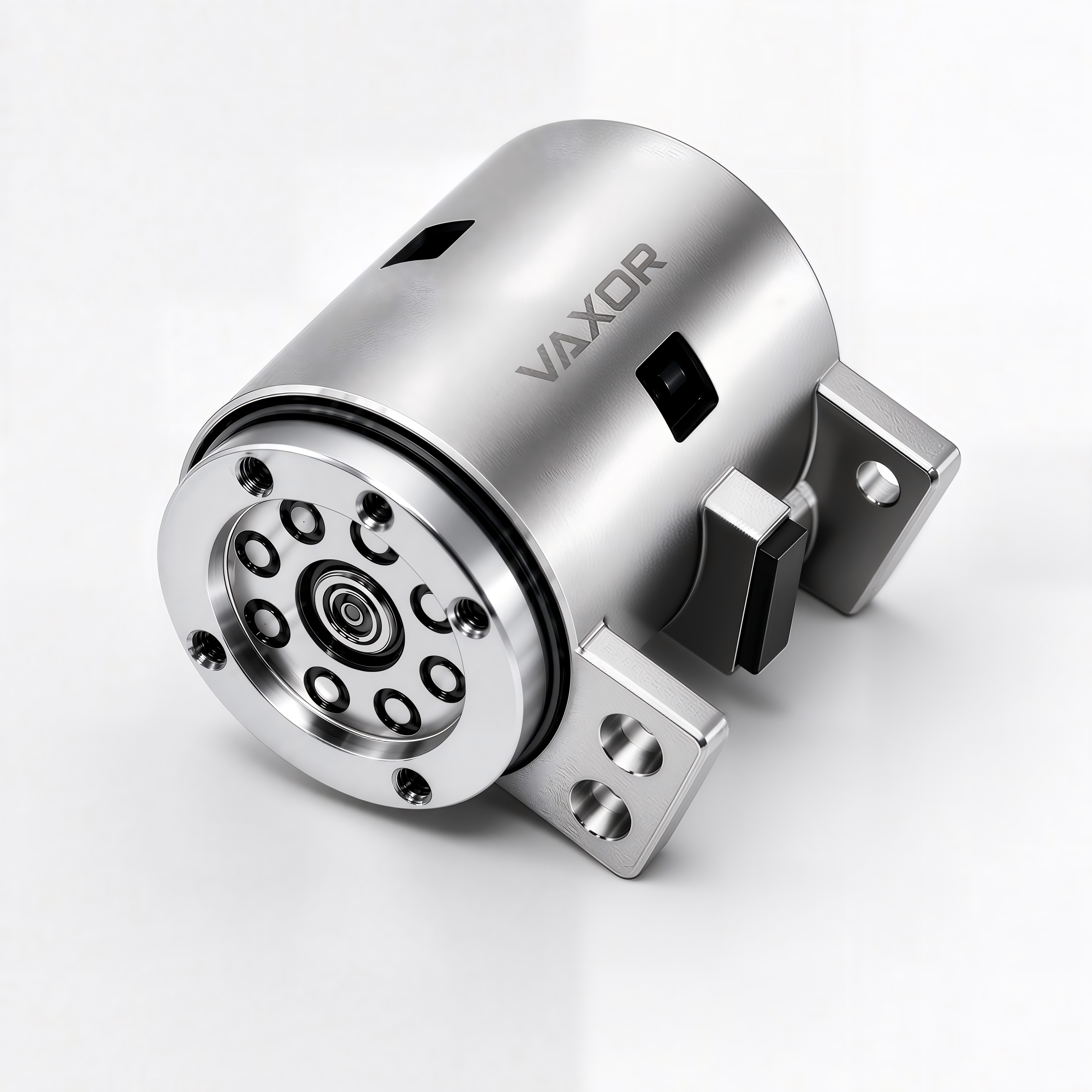
The solution path for achieving these outcomes relies on modular design architecture and optimized electromagnetic design tailored specifically for brushless and coreless systems. Platform compatibility extends across 12V, 24V, and 48V DC bus systems, with openness maintained through SPI and CAN FD communication protocols and a standardized FPC 7PIN interface (0.5mm pitch) supporting VCC, GND, CS, SCK, MOSI, MISO, and CAL (calibration) functions. This standardization framework allows engineers to integrate ultra-micro motors into diverse medical and robotic systems without redesigning core communication infrastructure.
Deep Insights: Trends Shaping the Ultra-Micro Motor Segment
Several trends emerge from the technical data that carry implications for precision medical equipment developers. First, the technology trend toward miniaturization is closely tied to high-speed performance: no-load speeds from 55,000 to 63,000 RPM demonstrate that size reduction does not necessarily come at the expense of operational output, making these motors suitable for micro-pumps and drone-scale actuation where space is severely constrained.
Second, yield optimization is emerging as a defining market trend. The explicit target of keeping phase imbalance within 5% directly addresses the historical pain point of high cost and low yield in sub-6mm motor production. This suggests that future development in the segment will likely continue prioritizing manufacturing consistency alongside raw performance metrics, since yield improvements have a direct bearing on the economic viability of scaling ultra-micro motor deployment across medical device lines.
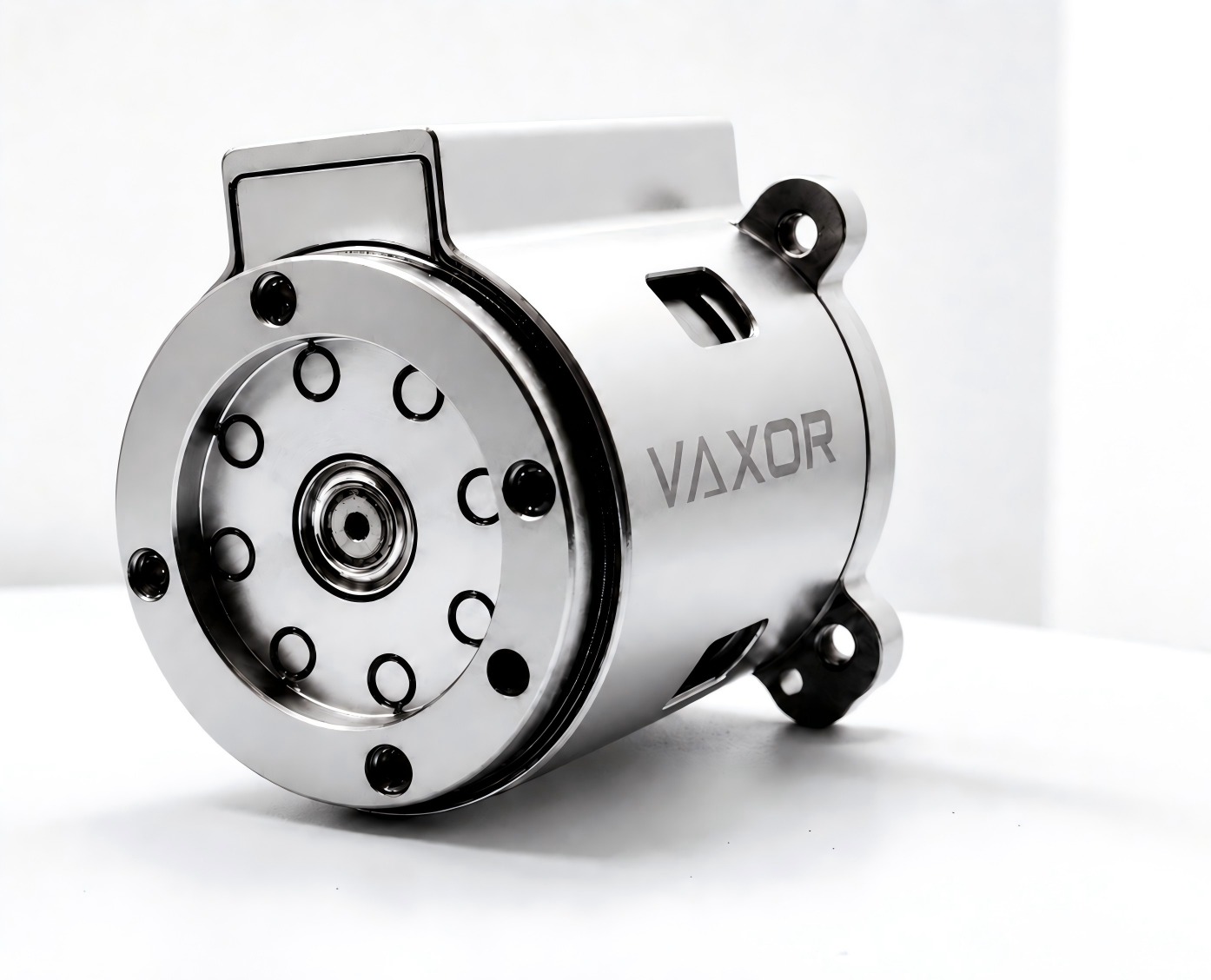
Third, industry adaptation patterns indicate diversification beyond a single vertical. Documented use cases span medical applications such as micro-surgical robots, photonics applications involving precision optical adjustments, and consumer electronics applications including miniature haptics and pumps. This cross-industry applicability signals a standardization direction where a single technology platform—axial flux motors combined with non-contact encoder integration—can serve multiple demanding sectors, provided thermal and electrical parameters remain within specified tolerances.
Company Value: Engineering Depth and Reference Data
VAXOR-MOTOR / AXOR's contribution to this space is grounded in a service model built around hardware provision paired with technical integration support. Rather than offering generic components, the brand's service assurance includes provision of detailed technical specifications and test data for electric drive assemblies, covering torque, speed, and thermal performance parameters. This level of documentation matters because engineers integrating ultra-micro motors into medical devices require verifiable data to validate design decisions before committing to production.
Benchmark cases illustrate this engineering depth in practice. Micro pump systems have employed G05P ultra-micro motors operating at 55,000 RPM to drive fluid transmission in medical and consumer applications, with the stated goal of ensuring low-cost and high-power density outcomes. Separately, photon optics applications have applied ultra-micro brushless motors for precision positioning in optical instruments, benefiting directly from the sub-5% phase imbalance for stable performance. These cases demonstrate that the phase imbalance control discussed in the technical analysis translates into measurable operational stability in real deployment contexts.
The company's broader capability system—spanning technical, service, and platform compatibility dimensions—positions its documented specifications as a practical reference point for engineers comparing ultra-micro motor options for medical-grade instrumentation.
Conclusion and Industry Recommendations
Ultra-micro motor technology for precision medical equipment sits at the intersection of torque density, thermal management, and manufacturing yield. The technical data reviewed here—spanning phase imbalance control within 5%, weight ranges from 1.7g to 3.75g, speeds up to 63,000 RPM, and thermal resistance to 145°C—illustrates how these parameters collectively determine suitability for micro-surgical robots, micro-pumps, and precision optical systems.
For decision-makers evaluating ultra-micro motor suppliers, several practical considerations follow from this analysis. First, phase imbalance percentage should be treated as a core yield and reliability indicator, not a secondary specification. Second, thermal resistance and terminal resistance values should be matched carefully against the operational environment of the target medical device, since these figures directly affect long-term reliability. Third, platform compatibility—including supported voltage buses and communication protocols such as SPI and CAN FD—should be assessed early in the design process to avoid integration friction later.
As precision medical equipment continues to demand smaller, more efficient actuation components, the documented engineering approach behind axial flux motors, micro cycloidal reducers, and non-contact encoder integration offers a useful technical reference for the broader industry. Companies and integrators developing next-generation medical instrumentation would benefit from evaluating suppliers based on transparent, quantified performance data rather than general marketing claims, ensuring that component selection aligns precisely with the torque, speed, and thermal requirements unique to each medical application.
www.vaxor-motor.com
Suzhou Vaxor-motor CO.,LTD.

+ There are no comments
Add yours