



Power reliability has become a pressing concern rather than a background assumption. Industrial zones, commercial complexes, and energy-heavy facilities are increasingly exposed to interruptions caused by extreme weather events, aging transmission infrastructure, fluctuating demand patterns, and the variability of renewable energy sources. As a result, dependence on a single centralized grid is no longer sufficient for many critical users.
This is where solar-storage-diesel microgrid architectures are gaining traction. By combining renewable generation, high-speed energy storage, and conventional diesel backup within a coordinated control system, these hybrid networks are redefining how stability is maintained during grid disruption.
Within this evolving landscape, Solar-storage-diesel microgrid system manufacturers play a decisive role—not just by supplying equipment, but by engineering how all components interact under real operational stress.
Why Grid Failure Is Actually a Stability Breakdown
A grid outage is often misunderstood as a simple loss of electricity supply. In reality, the deeper issue lies in system instability. When the main grid disconnects, frequency references disappear, voltage levels fluctuate unpredictably, and loads begin to behave erratically. In many cases, the recovery phase causes more damage than the outage itself.
Research from the International Energy Agency (IEA) highlights that a significant share of outage-related economic losses is tied to unstable restoration processes rather than the blackout event itself.
This is exactly the gap that modern microgrids are designed to address: not only restoring power, but maintaining electrical stability throughout the transition.
The Hybrid Architecture Behind Stable Microgrids
Solar-storage-diesel microgrids rely on a multi-layered energy structure where each component serves a distinct operational role.
Solar photovoltaic systems supply clean and low-cost electricity but are inherently dependent on weather conditions and daylight availability. Diesel generators provide reliable long-duration power, but they respond more slowly and are less efficient when operated at partial load. Between these two sits the most critical layer—energy storage systems (ESS), which react almost instantly to changes in demand or supply.
The real innovation is not the presence of these components individually, but the coordination between them. This orchestration defines the technological maturity of Solar-storage-diesel microgrid system manufacturers.
Energy Storage: The Fast Response Stabilizer
In the moment a grid disconnects, energy storage systems become the first line of defense. Acting almost like a virtual synchronous machine, they immediately absorb or inject power to counter frequency deviations and voltage instability.
Without this buffering effect, sensitive industrial loads would experience sudden shutdowns or equipment stress. With it, the system maintains continuity while slower assets, such as diesel generators, prepare to take over long-term supply duties.
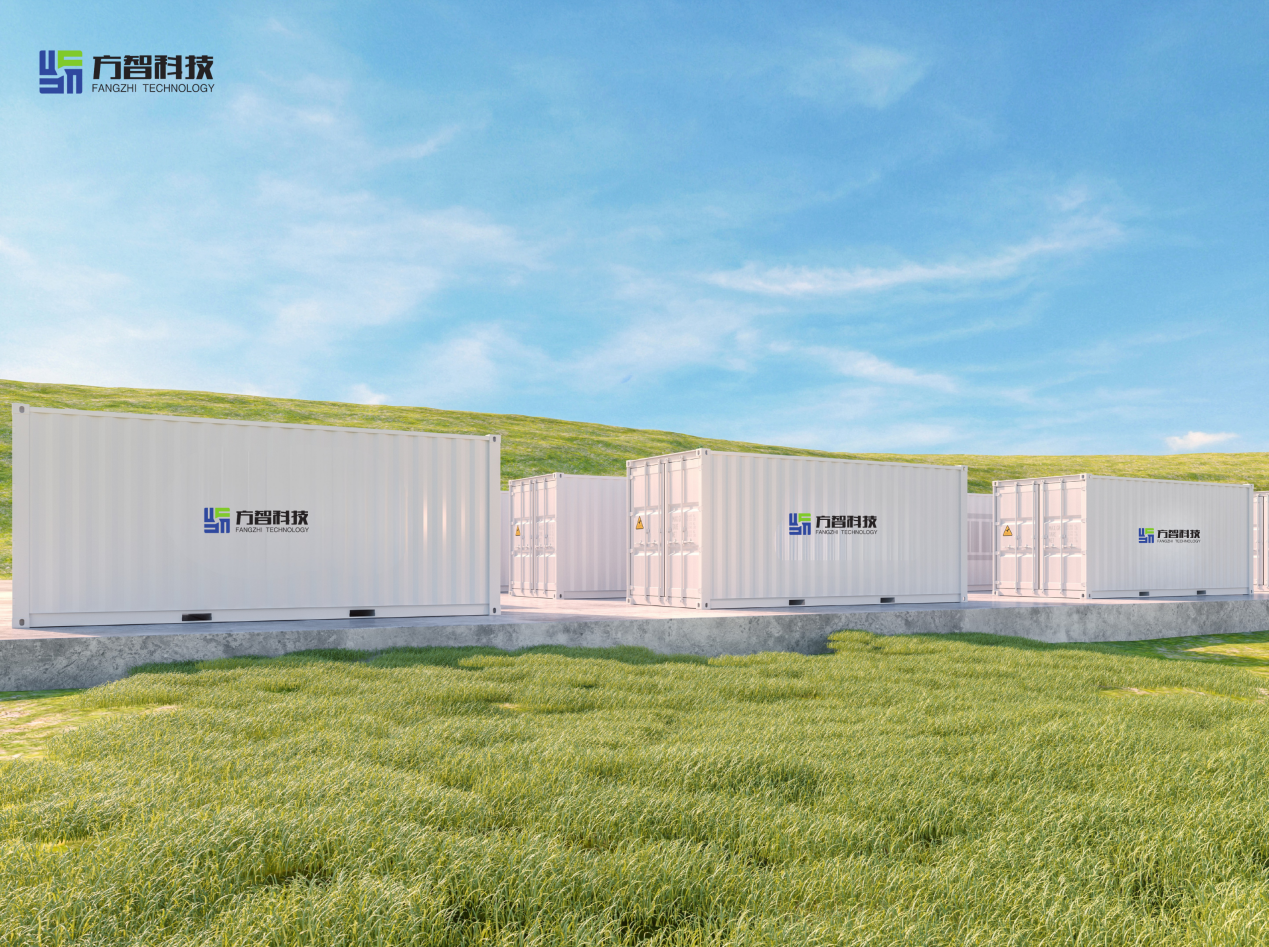
Fong Power Technology has developed a range of modular energy storage solutions, including air-cooled and liquid-cooled systems from 120kWh to 400kWh, as well as containerized solutions from 1MWh to 5MWh. These systems are designed to operate under demanding environmental conditions, including high temperature, dust exposure, humidity, and electromagnetic interference.
Industry analyses from BloombergNEF indicate that integrating fast-response storage into microgrids can significantly reduce downtime compared to diesel-only backup systems, improving operational continuity by more than 40%.
Diesel Generation: From Primary Power to Strategic Backup
Traditional backup systems rely heavily on diesel generators as the main fallback option. Modern microgrids, however, reposition diesel units as secondary stabilizing assets rather than continuous power providers.
In this configuration, diesel generators only activate when storage systems reach predefined thresholds or when extended runtime is required. This operating model keeps generators within optimal load ranges, avoiding inefficient low-load operation that accelerates wear and increases fuel consumption.
When properly integrated, diesel units provide a smooth continuation of supply rather than a disruptive switch, working in synchronization with storage systems to maintain steady voltage and frequency levels.
Fong Power Technology designs its systems specifically to ensure seamless coordination between diesel generators and energy storage, preventing abrupt transitions that could impact downstream equipment.
The Central Role of Intelligent EMS Control
While hardware forms the physical foundation of a microgrid, the Energy Management System (EMS) determines its actual performance.
A modern EMS continuously evaluates generation, storage levels, load demand, and grid status, then makes real-time decisions about energy distribution. It is the system’s decision-making core.
In Fong Power Technology’s architecture, the EMS is built on a high-performance computing platform using a quad-core ARM Cortex-A55 processor with real-time data processing capabilities. This enables it to coordinate multiple energy sources with extremely low latency—an essential requirement during sudden grid disconnection events.
Core EMS functions include demand-side load management, photovoltaic interaction control, anti-backflow protection, peak shaving strategies, and emergency dispatch sequencing.
According to IEEE research on microgrid behavior, advanced EMS platforms can shorten frequency recovery time by up to 70% during islanded operation, demonstrating their critical role in maintaining system stability.
Managing the Critical Grid-to-Island Transition
One of the most sensitive moments in microgrid operation occurs when the system shifts from grid-connected mode to island mode. If this transition is not carefully controlled, it can result in inverter tripping, load shedding, or synchronization failures.
A well-designed EMS prevents these issues by ensuring that energy storage responds instantly, diesel generators synchronize gradually, and loads are prioritized according to criticality.
Fong Power Technology’s systems are engineered for automatic islanding, allowing uninterrupted power supply even during abrupt grid failure. This capability is particularly important for industrial users, where even brief interruptions can disrupt production processes or cause equipment damage.
Thermal Management and Long-Term System Stability
Sustained operation during grid failure scenarios introduces thermal and degradation challenges, particularly for battery systems.
To address this, Fong Power Technology offers liquid-cooled energy storage systems that maintain uniform temperature distribution across battery cells. Compared with air-cooled alternatives, liquid cooling can reduce thermal imbalance by more than 40%, according to studies from the Electric Power Research Institute (EPRI).
This improved thermal consistency not only enhances safety but also extends battery lifespan and ensures stable performance during prolonged discharge cycles. Additionally, noise levels are kept below 70 decibels, making these systems suitable for deployment in commercial and urban environments.
Reliability Depends on Lifecycle Operations, Not Just Installation
A common misconception in the energy storage sector is that system performance is determined at the point of installation. In reality, long-term reliability is heavily influenced by ongoing operation and maintenance.
Poor maintenance practices are one of the leading causes of performance degradation in global energy storage deployments.
Fong Power Technology addresses this challenge through a dedicated operations and maintenance framework that covers dispatch operations, electrical safety management, fire protection systems, and high-voltage infrastructure supervision. The company also manages multiple energy storage stations, applying standardized operational procedures to ensure long-term asset stability.
Why Manufacturing Capability Defines System Performance
As microgrid systems become more complex, the role of manufacturers is shifting from equipment providers to full-system integrators responsible for lifecycle performance.
Key differentiators now include EMS intelligence, adaptability to diverse environments, modular system design, and long-term operational support.
Fong Power Technology, recognized as a high-tech enterprise and a “Specialized, Advanced, and Innovative” company in Beijing with AAA credit rating, reflects this evolution. Its focus is not limited to component manufacturing but extends to system-level reliability and operational continuity.
Frequently Asked Questions
How does energy storage support stability during outages?
Energy storage responds instantly to fluctuations in frequency and voltage, filling the gap before diesel generators reach stable operating conditions.
Can solar-storage-diesel microgrids function independently of the grid?
Yes. With properly sized storage and fuel management strategies, these systems can operate in fully islanded mode for extended periods.
Why is EMS so important in hybrid systems?
Because it coordinates all energy sources in real time, ensuring smooth transitions, optimized dispatch, and prioritized load management.
Conclusion
Solar-storage-diesel microgrids represent a shift from reactive backup systems to proactive stability platforms. By integrating fast-responding energy storage, controllable diesel generation, and intelligent EMS coordination, they transform grid failure from a disruptive event into a controlled operating condition.
Fong Power Technology demonstrates how this integration can be executed in practice through advanced storage systems, intelligent control platforms, and comprehensive lifecycle services. In an energy landscape defined by uncertainty, such architectures are becoming essential infrastructure rather than optional upgrades.
www.fongpower.com
Fong Power Technology Co., Ltd

+ There are no comments
Add yours