

In modern industrial and commercial applications, precise and reliable fluid control is crucial for operational efficiency, safety, and cost-effectiveness. Among the various types of valves available, stainless steel ball valves have emerged as one of the most effective solutions for controlling the flow of liquids and gases. Their durability, reliability, and versatility make them essential components in many industries, from chemical processing to water treatment. This article explores how stainless steel ball valves improve fluid control efficiency and why they are the preferred choice for many applications.
1. Introduction to Stainless Steel Ball Valves
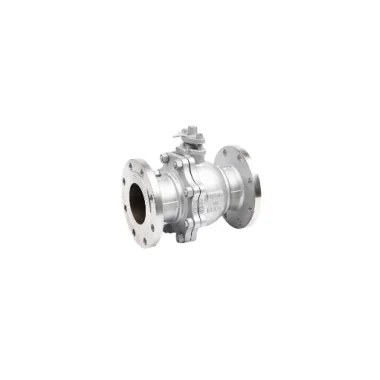
A ball valve is a quarter-turn valve that uses a hollow, perforated, and pivoting ball to control the flow of fluids. When the valve is fully open, the hole in the ball aligns with the pipeline, allowing fluid to pass through with minimal resistance. When closed, the ball rotates 90 degrees, blocking the flow completely.
Stainless steel is widely used in manufacturing ball valves because of its corrosion resistance, strength, and long service life. Common grades such as 304 and 316 stainless steel are suitable for both industrial and sanitary applications, offering excellent performance under high pressure and extreme temperatures.
2. Key Features That Enhance Fluid Control Efficiency
2.1 Minimal Flow Resistance
One of the most significant advantages of stainless steel ball valves is their low flow resistance. The straight-through design of the valve allows fluids to pass smoothly, reducing pressure drops across the valve. This characteristic not only ensures efficient fluid flow but also minimizes energy consumption in pumping systems.
For industries where maintaining consistent pressure is critical, such as chemical processing or water distribution, the low resistance offered by stainless steel ball valves translates directly into higher operational efficiency.
2.2 Precise On/Off Control
Unlike gate valves or globe valves, which may require multiple turns to open or close, ball valves operate with a simple quarter-turn mechanism. This design allows operators to quickly and accurately regulate fluid flow, reducing downtime and improving system responsiveness.
The precise control offered by stainless steel ball valves is especially beneficial in processes that require rapid isolation of certain pipeline sections, such as emergency shut-off situations or batch processing operations.
2.3 Tight Sealing and Leak Prevention
Stainless steel ball valves are renowned for their tight sealing capabilities. The combination of a precision-machined ball and resilient seat materials, such as PTFE or reinforced polymers, ensures a leak-free closure even under high-pressure conditions.
Effective sealing not only prevents fluid loss but also reduces the risk of environmental contamination or hazardous leaks, which can be costly and dangerous. For applications involving corrosive chemicals or toxic fluids, the superior sealing performance of stainless steel ball valves enhances safety while maintaining system efficiency.
2.4 Durability and Longevity
The use of stainless steel provides exceptional resistance to corrosion, erosion, and high temperatures, extending the service life of ball valves. A longer-lasting valve reduces maintenance frequency, downtime, and replacement costs, which in turn improves overall operational efficiency.
In environments such as seawater treatment, chemical plants, or oil and gas pipelines, where valves are exposed to harsh conditions, stainless steel ball valves remain reliable over years of continuous operation.
3. Advantages in Industrial Applications
3.1 Chemical and Petrochemical Industries
Chemical processing often involves aggressive chemicals and high-pressure systems. Stainless steel ball valves are ideal in these scenarios because they resist corrosion and can handle extreme temperatures without compromising sealing or performance.
Moreover, their fast-acting nature allows operators to quickly respond to process changes, enhancing production efficiency and safety.
3.2 Water and Wastewater Treatment
In water treatment plants, maintaining steady flow rates and avoiding leakage are critical for operational efficiency. Stainless steel ball valves provide precise control over water flow, helping to reduce pump energy consumption and prevent contamination.
Additionally, their resistance to chlorine and other chemicals ensures long-term reliability in water distribution networks.
3.3 Food and Beverage Industry
The food and beverage industry demands sanitary and corrosion-resistant valves. Stainless steel ball valves, especially those with polished finishes, are easy to clean and comply with strict hygiene standards. Their efficient fluid control helps maintain consistent product quality and minimizes waste during processing.
3.4 Oil and Gas Pipelines
In oil and gas pipelines, valves must handle high pressure and large volumes of fluid. Stainless steel ball valves ensure tight shut-off and precise flow regulation, which helps optimize pumping efficiency and reduces the risk of leaks or pipeline failures. Their durability also minimizes maintenance interruptions in critical infrastructure.
4. Innovations That Improve Efficiency
4.1 Automated Ball Valves
The integration of actuators with stainless steel ball valves has revolutionized fluid control. Automated valves allow for remote operation, precise flow adjustment, and integration with SCADA (Supervisory Control and Data Acquisition) systems.
Automation not only reduces labor costs but also improves operational efficiency by enabling real-time monitoring and control of fluid systems.
4.2 High-Performance Seals
Advancements in sealing materials, such as reinforced PTFE, PEEK, or metal-to-metal seats, have enhanced the leak-tight performance of stainless steel ball valves. High-performance seals reduce the risk of fluid loss, increase the lifespan of the valve, and improve energy efficiency in pressurized systems.
4.3 Multi-Port and Special Designs
Multi-port stainless steel ball valves allow for complex flow configurations in a single unit, reducing the need for multiple valves and pipe fittings. This design simplifies system layout, reduces pressure drops, and enhances overall fluid control efficiency.
5. Best Practices for Maximizing Efficiency
To fully benefit from stainless steel ball valves, operators should follow these best practices:
-
Correct Sizing: Choosing the right valve size ensures optimal flow and minimal pressure drop. Oversized or undersized valves can reduce system efficiency.
-
Regular Maintenance: Periodic inspection and lubrication prevent seat wear and ensure long-term leak-free performance.
-
Proper Installation: Installing valves in accordance with manufacturer guidelines prevents unnecessary stress and ensures smooth operation.
-
Material Selection: Selecting the appropriate stainless steel grade for specific fluids and temperatures enhances durability and efficiency.
6. Conclusion
Stainless steel ball valves are a cornerstone of efficient fluid control systems. Their low flow resistance, precise quarter-turn operation, superior sealing, and corrosion resistance make them invaluable in industries ranging from chemical processing to water treatment, food and beverage, and oil and gas.
By reducing energy consumption, minimizing leakage, and ensuring reliable performance, stainless steel ball valves directly contribute to operational efficiency and cost savings. Whether used in manual or automated systems, investing in high-quality stainless steel ball valves is a smart choice for companies seeking to optimize fluid control and enhance overall productivity.
www.ainoxvalves.com
Ainox


+ There are no comments
Add yours