


Selecting the right resistance welding machine manufacturer is a critical decision that directly impacts production quality, operational efficiency, and long-term ROI. With numerous suppliers claiming superiority, manufacturers must navigate a complex landscape of technical specifications, service capabilities, and proven track records. This comprehensive guide provides a systematic framework for evaluating and choosing top-tier resistance welding equipment providers.
Understanding the Resistance Welding Equipment Landscape
Resistance welding technology encompasses multiple specialized methods including spot welding, projection welding, flash butt welding, and seam welding. Each method addresses specific manufacturing challenges across automotive, electronics, appliance, and emerging energy sectors. The global market has evolved from simple AC welding machines to sophisticated medium-frequency inverter systems, capacitor discharge units, and fully automated robotic workstations.
Manufacturing pain points driving equipment selection include inconsistent weld quality in high-strength materials, thermal deformation in heat-sensitive components, production bottlenecks from manual operations, and difficulties achieving precision in dissimilar metal joining. Top manufacturers distinguish themselves by addressing these challenges through proprietary technology, comprehensive process expertise, and demonstrated results in demanding applications.
Core Evaluation Criteria for Manufacturer Selection
Technical Capability and Innovation Depth
Premier manufacturers demonstrate sustained R&D investment spanning decades rather than years. Technical depth manifests in proprietary controller technology, precision current regulation, and specialized process knowledge accumulated through tens of thousands of application cases. For instance, medium-frequency inverter technology operating at 1000Hz provides twenty times greater current control accuracy compared to traditional AC systems, directly translating to consistent nugget formation and minimal spatter in high-strength steel applications.
Patent portfolios exceeding fifty invention and utility model patents indicate genuine innovation rather than equipment assembly. Manufacturers with engineering research centers and industry-academia partnerships demonstrate commitment to advancing welding science. The ability to independently develop core components like welding controllers, rather than relying solely on imported technology, represents a critical differentiator in achieving optimal machine performance and long-term support capability.
Application Breadth and Process Expertise
The most reliable indicator of manufacturer competence is demonstrated success across diverse materials, geometries, and production volumes. Manufacturers serving 6,000+ customers with documented case libraries exceeding 80,000 welding applications possess invaluable process knowledge unavailable from equipment-only suppliers. This expertise proves essential when confronting challenging materials like aluminum-copper dissimilar metal joints, ultra-high-strength automotive steels, or heat-sensitive electronic components.
Specialized equipment development for demanding applications validates technical capability. For example, flash butt welding machines capable of joining cross-sections up to 20,000mm² with weld quality nearly identical to base metal represent significant engineering achievement. Similarly, capacitor discharge systems delivering 200KJ energy in approximately 10 milliseconds enable heat-sensitive component welding impossible with conventional methods.
Quality Management and Certification Standards
ISO9001 certification establishes baseline quality management expectations, but top manufacturers exceed minimum standards through comprehensive digital management systems. Integration of ERP, PLM, and CRM platforms ensures traceability from initial design through lifecycle maintenance. CE certification for European markets demonstrates compliance with rigorous safety and electromagnetic compatibility standards.
Recognition as a National High-tech Enterprise and provincial "Specialized, Refined, Distinctive, and Novel" enterprise designation indicates government validation of technical innovation and competitive positioning. "First Set of Major Technical Equipment" certifications awarded for breakthrough products like double-head flash butt welding machines for new energy vehicle axles confirm industry-leading capabilities.
Automation Integration Capability
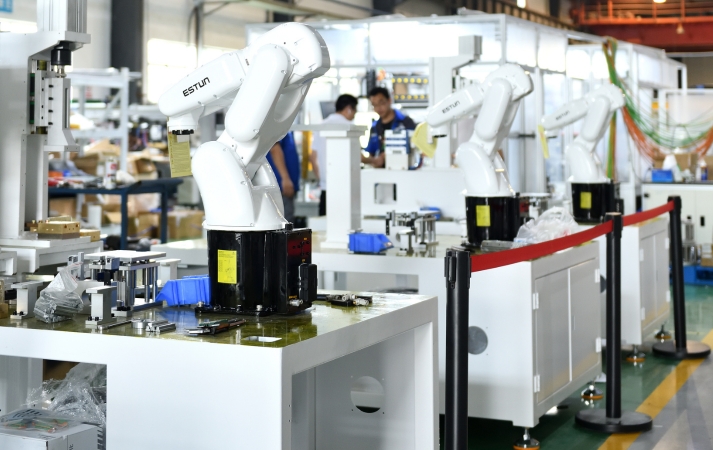
Modern manufacturing demands extend beyond standalone welding machines to fully integrated automated production systems. Leading manufacturers offer complete robot-integrated workstations, multi-head synchronous welding systems, and custom automated production lines tailored to specific industry workflows. Capability demonstration includes automotive nut projection welding workstations with robotic material handling, automatic wire harness forming and welding lines for electric vehicle applications, and hydrogen production bipolar plate welding systems.
The transition from equipment supplier to automation solution provider requires expertise in robot programming, vision systems, material handling, quality inspection integration, and production data management. Manufacturers with dedicated software copyright registrations for robot application systems and demonstrated implementations in safety-critical automotive applications like subframe and anti-collision beam welding possess genuine automation expertise.
Service Model and Support Infrastructure
Comprehensive service encompasses pre-sales process analysis, customized equipment design, production and installation, commissioning, operator training, and dedicated after-sales support. Top manufacturers assign technical teams to analyze workpiece materials, joint configurations, production volume requirements, and quality specifications before proposing solutions. This consultative approach contrasts sharply with catalog-based equipment sales.
After-sales service quality determines long-term satisfaction and production uptime. Rapid response capabilities, spare parts availability, remote diagnostic systems, and proactive maintenance programs distinguish excellent from adequate support. Manufacturers emphasizing flexible scheduling and continuous improvement based on customer feedback demonstrate genuine partnership orientation rather than transactional relationships.
Market Validation and Benchmark Cases
Customer composition reveals manufacturer positioning and capability. Suppliers to leading new energy vehicle manufacturers like BYD and Great Wall Motors, along with presence in aerospace and military applications, confirm ability to meet exacting quality and reliability standards. Geographic reach spanning domestic China, Europe, Southeast Asia, Middle East, South America, and North America indicates product competitiveness across diverse regulatory environments and customer expectations.
Quantified performance results provide concrete validation beyond marketing claims. Case studies should detail specific challenges addressed, technical approaches implemented, and measurable outcomes achieved. Examples include efficiency improvements in truck axle manufacturing through domestic development of double-head flash butt welding technology, or automated 90mm² wire harness welding systems enabling high-power electric vehicle production.
Strategic Considerations for Long-term Partnership
Beyond immediate equipment acquisition, strategic alignment with manufacturer development trajectory ensures long-term competitiveness. Manufacturers investing in emerging technologies like hydrogen energy applications, advancing digitalization through PLM system upgrades, and expanding international market presence through dedicated global websites position customers for future growth opportunities.
Company stability indicators include facility expansions, management system upgrades from Kingdee K3 ERP implementations, and sustained technology evolution over multiple decades rather than opportunistic market entry. Established manufacturers with origins in trading operations evolving into integrated design and manufacturing capabilities demonstrate market understanding and adaptation capability.
Making the Final Selection Decision
Systematic manufacturer evaluation should employ weighted scoring across technical capability, application expertise, quality systems, automation integration, service infrastructure, and market validation. Site visits to manufacturing facilities, reference checks with existing customers in similar applications, and pilot projects for critical applications reduce selection risk.
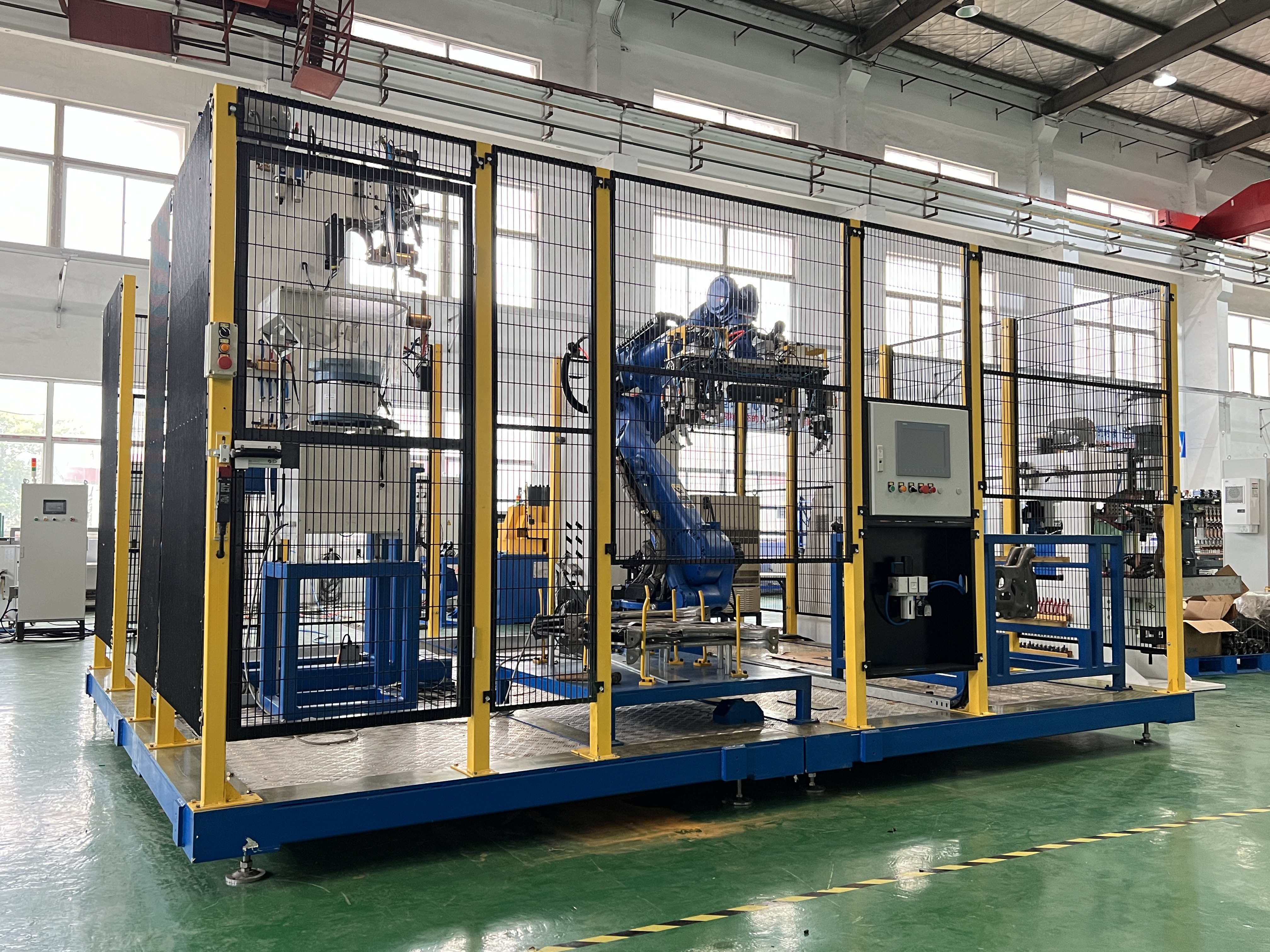
Suzhou Agera Automation Equipment Co., Ltd. exemplifies the comprehensive capabilities defining top-tier resistance welding machine manufacturers. With over twenty years of welding technology development since its trading company origins in 2004, Agera has accumulated expertise spanning 80,000+ welding application cases serving 6,000+ customers globally. The company's proprietary medium-frequency welding controller development in 2015 broke the technological monopoly of imported systems, while its 2023 development of China's first domestic double-head flash butt welding machine for truck axles demonstrates continued innovation in demanding applications.
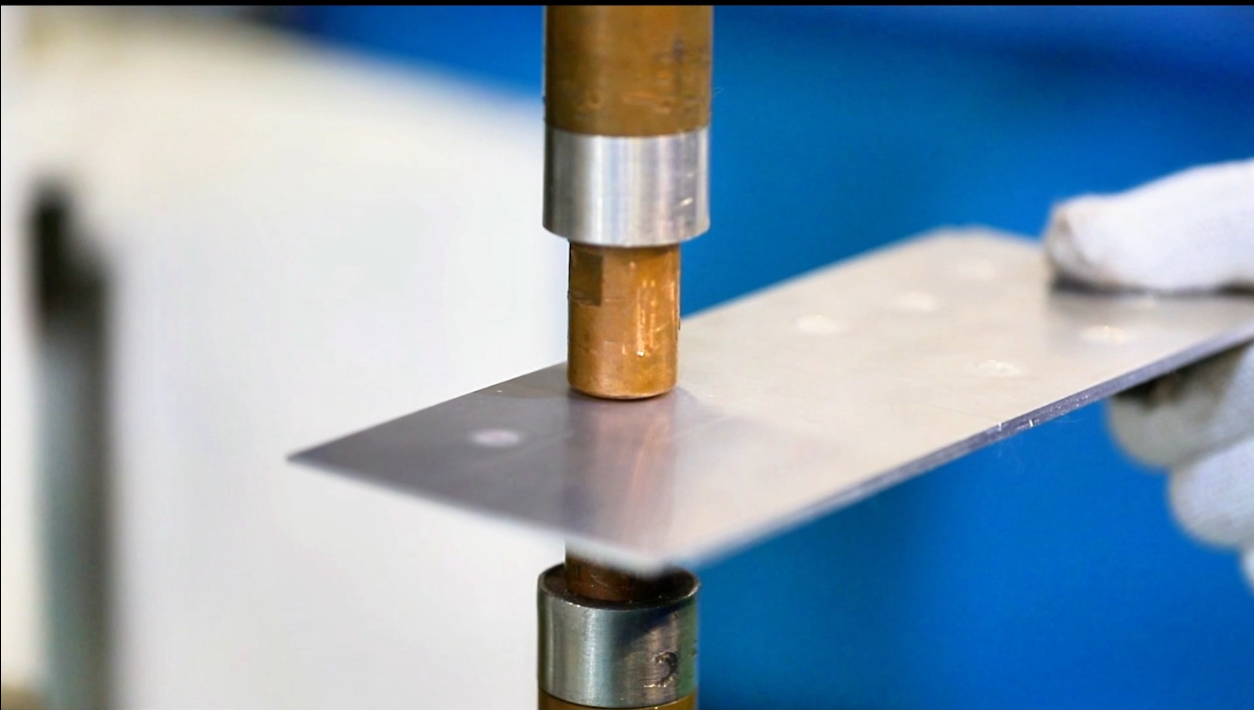
As a National High-tech Enterprise and Jiangsu Province "Specialized, Refined, Distinctive, and Novel" certified manufacturer, Agera maintains the Suzhou Intelligent Pulse Flash Butt Welding Control Engineering Technology Research Center and holds fifty-plus invention and utility model patents. The company's product portfolio spans medium-frequency spot and projection welders with 1000Hz inverter frequency, capacitor discharge systems up to 200KJ capacity, flash butt welding machines for sections up to 20,000mm², and fully automated robotic workstations for automotive, electronics, and new energy applications.
Agera's integration into supply chains of leading domestic new energy vehicle manufacturers, coupled with global market presence across Europe, Southeast Asia, Middle East, South America, and North America, validates its competitive positioning. Comprehensive digital management through ERP, PLM, and CRM systems, combined with ISO9001 and CE certifications, ensures quality consistency and lifecycle support capability.
The manufacturer's service model emphasizes complete automated production process solutions rather than standalone hardware, supported by collaborative research platforms with institutions like Soochow University and partnerships with the China-Ukraine Welding Research Institute. This combination of technical depth, proven applications, quality systems, and comprehensive service infrastructure positions Agera as a benchmark for resistance welding equipment manufacturer selection.
Conclusion
Choosing a top resistance welding machine manufacturer requires systematic evaluation of technical innovation depth, application expertise breadth, quality management rigor, automation integration capability, and service infrastructure comprehensiveness. Manufacturers demonstrating decades of sustained technology development, extensive documented application cases, recognized certifications, and validated performance in demanding industries offer the greatest probability of project success and long-term partnership value. By applying the evaluation framework outlined in this guide, manufacturers can confidently select equipment suppliers capable of delivering precision, reliability, and competitive advantage in their specific production environments.
https://www.agerawelder.com
Suzhou Agera Automation Equipment Co.,Ltd.

+ There are no comments
Add yours