
As clinical diagnostics continue moving toward higher sensitivity, faster turnaround times, and larger testing volumes, the performance of the immunology analyzer has become increasingly important in hospitals, disease control centers, blood banks, veterinary laboratories, and research institutions.
In modern immunodiagnostics, laboratories are no longer evaluating instruments solely based on whether they can complete a test. Greater attention is now placed on:
-
Detection accuracy
-
Repeatability
-
Throughput stability
-
Cross-contamination control
-
Software integration
-
Long-term operational reliability
For ELISA-based workflows in particular, the analyzer directly affects result consistency, laboratory efficiency, and regulatory compliance.
A poorly optimized immunology analyzer may lead to:
-
High coefficient of variation (CV)
-
Optical reading instability
-
Inconsistent washing performance
-
Sample carryover
-
Increased retest rates
-
Data traceability issues
These problems not only reduce laboratory productivity but also increase diagnostic risk.
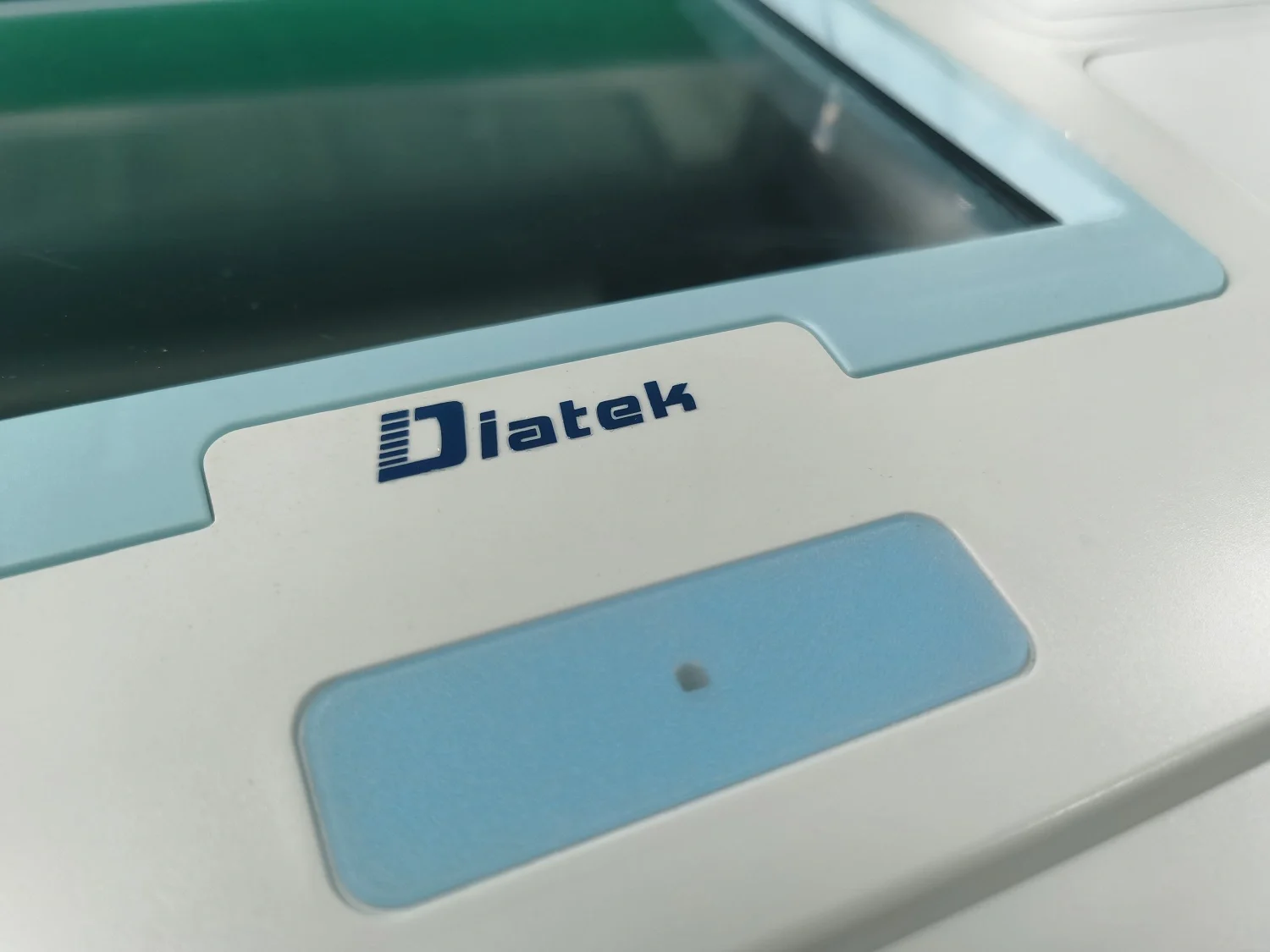
Diatek is one of the global professional suppliers of IVD equipment and related software, focusing on the R&D, manufacturing, sales, and service of IVD instruments. Its core product portfolio includes ELISA microplate readers and ELISA microplate washers widely used in hospitals, clinics, disease control centers, blood banks, scientific laboratories, and veterinary applications.
Why Immunology Analyzers Remain Critical in Modern Diagnostics
Although chemiluminescence and molecular diagnostics continue expanding, ELISA-based immunoassay systems remain highly important because of their:
-
Broad assay compatibility
-
Cost efficiency
-
Stable methodology
-
Multiplex testing capability
-
Flexible reagent adaptation
Immunology analyzers are widely used for:
-
Infectious disease screening
-
Hormone testing
-
Tumor marker detection
-
Autoimmune disease analysis
-
Allergy testing
-
Veterinary diagnostics
-
Vaccine research
In medium- and high-throughput laboratories, instrument stability directly affects overall workflow efficiency.
Even small optical deviations or washing inconsistencies can significantly influence assay accuracy, especially when processing weak positive samples or low-concentration analytes.
Optical System Precision Determines Detection Accuracy
The optical system is one of the most critical components of an immunology analyzer.
In ELISA workflows, absorbance measurement accuracy directly affects quantitative result reliability.
A high-performance optical system typically requires:
-
Stable light source intensity
-
Narrow-band wavelength filtering
-
High linearity detection
-
Low optical noise
-
Accurate wavelength positioning
Most ELISA immunology analyzers operate within wavelength ranges between 340 nm and 750 nm depending on assay requirements.
Detection accuracy often depends on maintaining absorbance linearity across broad concentration ranges.
Poor optical calibration may result in:
-
Signal drift
-
High background noise
-
Weak positive misinterpretation
-
Reduced assay sensitivity
Industrial-grade analyzers therefore integrate advanced optical calibration systems and self-diagnostic functions to maintain long-term measurement stability.
Microplate Washing Performance Is Often Undervalued
In ELISA testing, washing quality directly influences assay specificity and background signal control.
Incomplete washing may leave residual conjugates or unbound proteins inside the wells, causing:
-
False positive results
-
Elevated background absorbance
-
Increased variability
-
Reduced assay sensitivity
High-quality immunology analyzer systems often work together with precision ELISA microplate washers capable of:
-
Adjustable wash cycles
-
Controlled dispense pressure
-
Residual liquid minimization
-
Multi-channel washing consistency
-
Cross-contamination reduction
Residual liquid volume after washing is a particularly important parameter.
Advanced systems may reduce residual liquid to below 2 μL per well, significantly improving assay repeatability.
Diatek develops ELISA microplate readers and washers designed to improve workflow consistency and washing precision for high-reliability immunodiagnostic applications.
Throughput Stability Matters More Than Peak Speed
Many laboratories initially focus on maximum throughput specifications when selecting an immunology analyzer.
However, continuous operational stability is often more important than theoretical speed.
In real laboratory environments, analyzers must maintain consistent performance during:
-
Continuous batch testing
-
Multi-shift operation
-
Variable sample loads
-
Long working hours
Throughput instability may create:
-
Sample backlog
-
Repeated calibration
-
Operator intervention
-
Increased maintenance frequency
Modern analyzers improve throughput consistency through:
-
Automated plate transport
-
Intelligent scheduling systems
-
Stable thermal control
-
Optimized optical scanning algorithms
For medium-volume laboratories, stable daily throughput often provides greater operational value than short-duration peak testing speed.
Temperature Control Directly Affects Assay Consistency
Many immunoassays are highly sensitive to incubation temperature variation.
Even small thermal fluctuations may affect:
-
Antigen-antibody binding efficiency
-
Enzyme activity
-
Reaction kinetics
-
Signal development consistency
Professional immunology analyzers therefore require:
-
Precise incubation temperature management
-
Uniform thermal distribution
-
Fast thermal recovery
-
Stable environmental compensation
Typical incubation accuracy requirements may remain within ±0.5°C depending on assay design.
Uneven thermal control can significantly increase inter-batch variability, particularly in high-sensitivity diagnostic testing.
Software Integration Is Increasingly Important
Modern laboratories increasingly require seamless integration between analytical instruments and laboratory information systems.
Advanced immunology analyzer software now supports:
-
LIS/HIS connectivity
-
Barcode sample management
-
Automated calibration tracking
-
Quality control monitoring
-
Multi-user access control
-
Data traceability
Efficient software integration reduces:
-
Manual transcription errors
-
Sample identification mistakes
-
Workflow interruptions
-
Regulatory documentation burden
For laboratories operating under accreditation standards such as ISO 15189, digital traceability has become a major operational requirement.
Automation Reduces Human Error
Manual ELISA workflows often suffer from variability caused by inconsistent timing, pipetting deviation, and operator handling differences.
Automated immunology analyzer systems improve consistency by standardizing:
-
Reading timing
-
Plate positioning
-
Incubation intervals
-
Data analysis
-
Calibration management
Automation also improves biosafety by reducing direct operator exposure to biological samples.
In high-volume testing environments, automated workflows help maintain stable performance even during prolonged operating cycles.
Reliability and Maintenance Affect Long-Term Cost
Laboratory equipment downtime directly affects diagnostic turnaround time and operational efficiency.
Common maintenance-related problems include:
-
Optical contamination
-
Pump failure
-
Plate transport misalignment
-
Sensor drift
-
Washer nozzle blockage
Industrial-grade analyzers therefore prioritize:
-
Modular component design
-
Preventive maintenance accessibility
-
Stable fluid handling systems
-
Self-diagnostic capability
-
Long-life optical components
Low maintenance frequency becomes especially important for laboratories operating under continuous or high-throughput testing conditions.
Veterinary and Research Applications Are Expanding
Beyond clinical diagnostics, immunology analyzers are increasingly used in:
-
Veterinary disease screening
-
Food safety testing
-
Vaccine development
-
Scientific research
-
Environmental monitoring
These applications often require greater assay flexibility because laboratories may use multiple reagent systems and customized testing protocols.
Flexible software architecture and adaptable wavelength configurations therefore become valuable advantages in diversified testing environments.
Choosing the Right Immunology Analyzer
Selecting an immunology analyzer requires balancing multiple technical factors simultaneously.
Key considerations include:
-
Optical detection accuracy
-
Washing consistency
-
Throughput stability
-
Software compatibility
-
Automation capability
-
Maintenance requirements
-
Assay adaptability
For laboratories performing high-volume ELISA testing, operational stability and repeatability are often more important than basic hardware specifications alone.
Diatek continues focusing on the development of professional IVD equipment and laboratory software solutions, supporting hospitals, blood banks, clinics, veterinary laboratories, and research institutions with reliable ELISA microplate readers and washing systems designed for modern immunodiagnostic workflows.
Final Thoughts
An advanced immunology analyzer must deliver far more than simple optical detection capability.
Long-term laboratory performance depends on the integration of:
-
High-precision optical systems
-
Stable thermal management
-
Efficient washing technology
-
Intelligent software integration
-
Automation consistency
-
Reliable mechanical design
As immunodiagnostic testing continues evolving toward higher sensitivity and larger testing volumes, laboratory analyzers capable of maintaining stable, repeatable, and efficient performance will remain essential for modern clinical and research environments.
www.hiwelldiatek.com
Wuxi Huawei Diatek Instrument Co., Ltd.

+ There are no comments
Add yours