
What Large Output Atomization Sheets Are and Why They Matter
In industrial humidification, agriculture, and large-scale environmental control, the demand for high-power, continuous-output nebulization has grown substantially. Unlike compact medical nebulizers designed for fine particle delivery, large output atomization sheets — also referred to as glass glaze ultrasonic atomization sheets — are engineered specifically for scenarios where volume, endurance, and multi-unit scalability are the primary requirements. From warehouse humidification systems to farm environments and animal husbandry facilities, these components serve as the core functional element in ultrasonic fog generation.
Gd SWT Smart Tech Co., Ltd. (also known as Sweetsound, or simply SWT), a Dongguan-based high-tech enterprise with over 25 years of cumulative experience in piezoelectric ceramic production, has developed a well-documented product line in this category. Understanding how their large output atomization sheets work — technically, operationally, and at scale — offers valuable insight for procurement engineers, system integrators, and OEM partners evaluating ultrasonic nebulization solutions.
Core Features and Technical Architecture
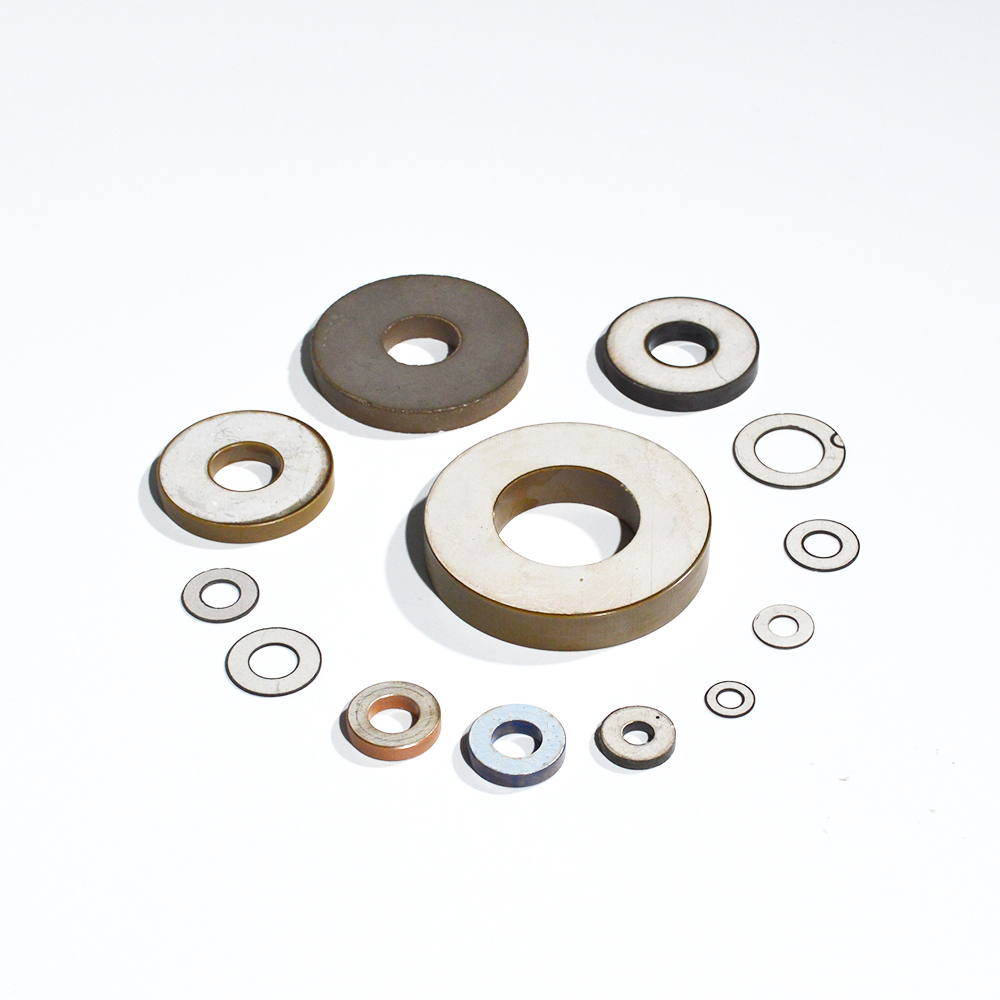
SWT's glass glaze ultrasonic atomization sheets are purpose-built for high-power nebulization applications. The product is described as delivering large output for humidification systems, with documented applicability in farms, animal husbandry, and landscaping environments.
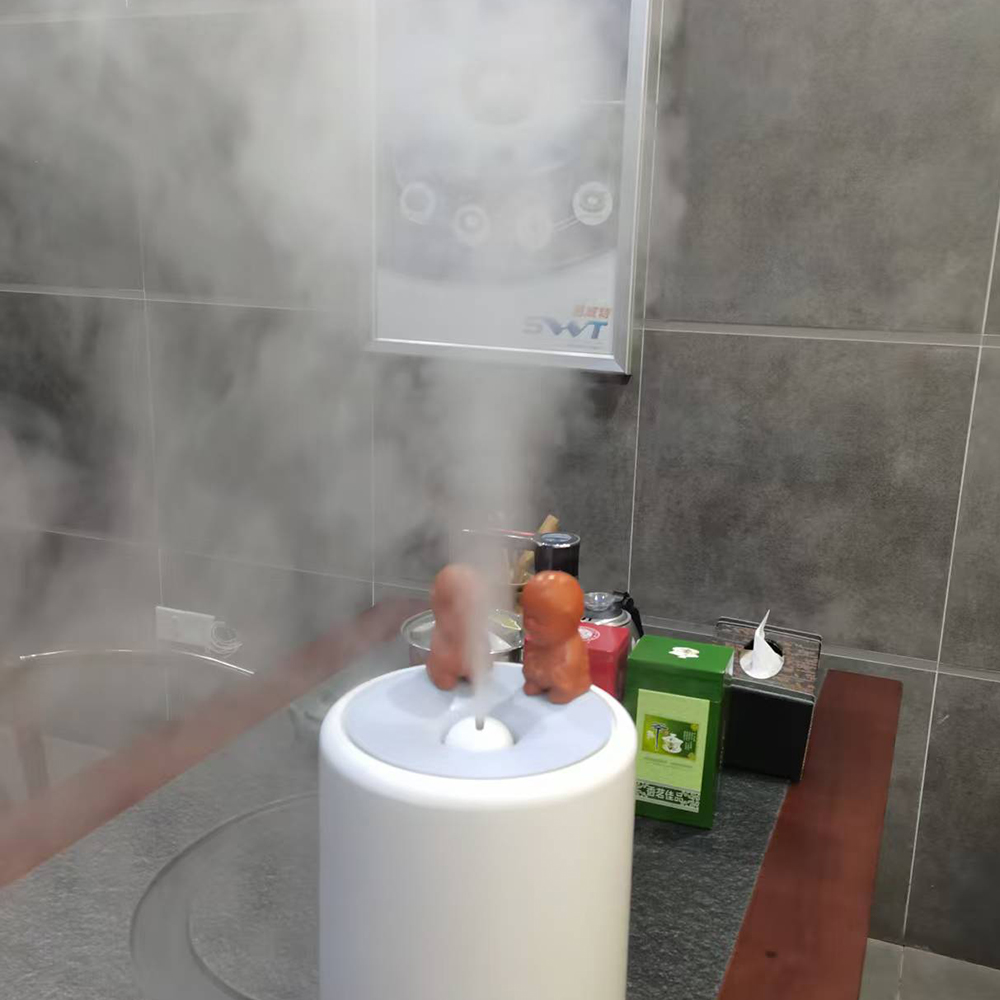
Key technical and structural characteristics include:
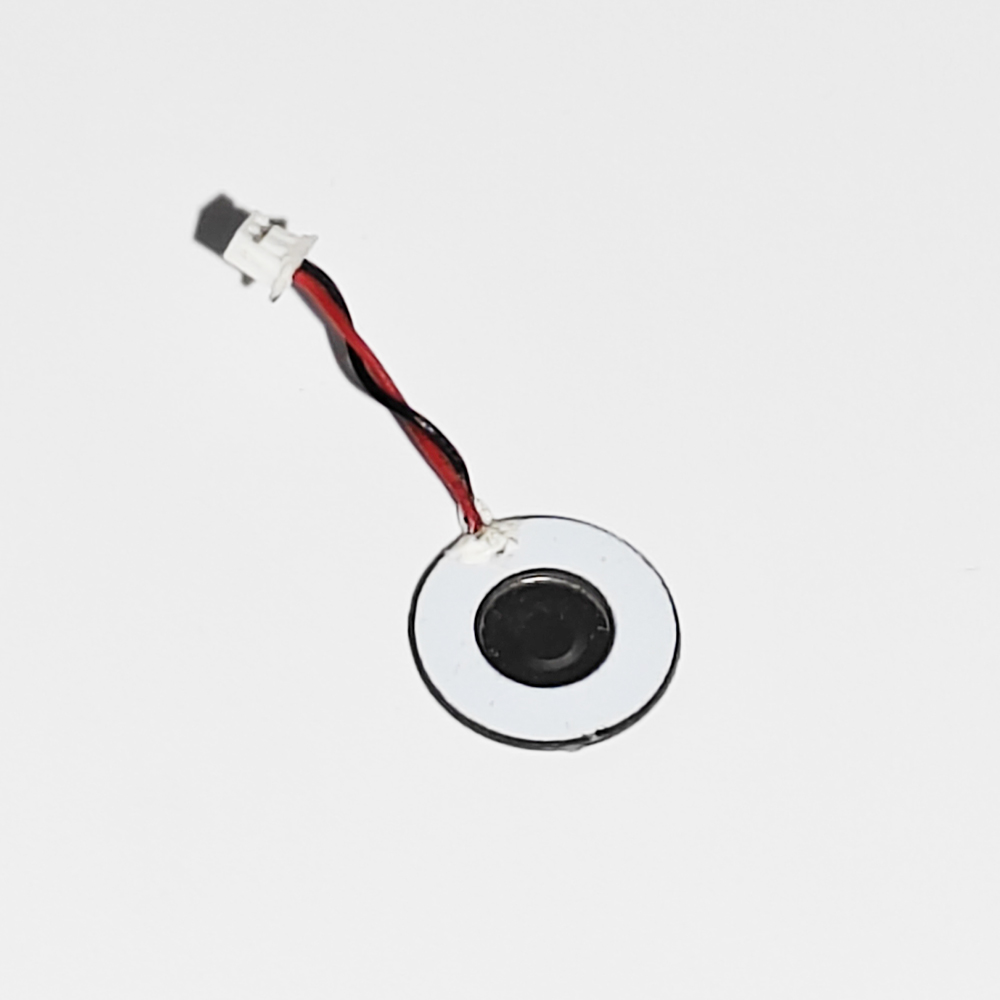
- High-power output design: Optimized for sustained, large-volume fog generation rather than precision droplet sizing.
- Multi-head system compatibility: These atomization sheets are specifically engineered to support multi-head configurations, including 2-head, 4-head, 6-head, 8-head, 10-head, and 12-head setups, enabling scalable deployment across varying facility sizes.
- Documented model lineup:
- ATD16-2400GSW — 16mm diameter, operating at 1700KHz
- ATD20-170GSW — 20mm diameter, operating at 1700KHz
The 1700KHz operating frequency is a defining characteristic of this product category, distinguishing it from lower-frequency ultrasonic cleaning transducers and aligning it with the physical requirements of fine-mist humidification at scale.
Drive Circuit Technology: How the System Operates
A critical factor often overlooked in atomization sheet selection is the compatibility and design of the driving circuit. SWT provides a clear technical framework for how their large output atomization systems function at the circuit level.
The ultrasonic humidifier circuit is structured around three primary subsystems:
- Power supply circuit — Manages the electrical input and transformation stage.
- Oscillator circuit — Generates the high-frequency signal required to actuate the piezoelectric element.
- Water level control circuit — Provides operational safety by monitoring fluid availability.
In operation, AC voltage is stepped down by a transformer, then processed through a bridge rectifier filter circuit. This produces the working voltage for both the water level control circuit and the oscillator. The oscillator simultaneously emits the corresponding frequency signals to drive the atomization element into operation.
This architecture ensures that the piezoelectric atomization sheet operates within a controlled electrical environment, reducing the risk of overvoltage stress and extending the operational lifespan of the component — a practical concern in high-duty-cycle industrial deployments.
Manufacturing Foundation: From Powder to Finished Component
One of SWT's defining operational characteristics is its fully integrated, self-developed manufacturing process. The company controls the entire production chain, from PZT powder formulation through sintering, polarization, and final assembly. This vertical integration has direct implications for large output atomization sheet quality:
- Process consistency: With over 450 machines and equipment assets, automated control spans every production stage.
- Accumulated expertise: SWT's 25 years of cumulative piezoelectric ceramic experience means process parameters for large-output products are refined through decades of engineering iteration, not recent approximation.
- Annual output capacity: The company maintains an annual shipping capacity of approximately 250 million pieces of piezoelectric ceramic elements — a scale that supports both standard catalog orders and high-volume OEM programs.
- Comprehensive formation capabilities: Manufacturing methods include tape casting (flow casting) for thin sheets, dry pressing for thick sheets, and complete downstream processing including squeezing, laminating, sintering, and polarizing.
This end-to-end ownership of the supply chain means that material composition, dimensional tolerances, and electrical characteristics of the atomization sheet are not dependent on third-party ceramic suppliers — a meaningful risk reduction factor for industrial buyers.
Quality Certifications and Compliance Standards
For procurement teams operating in regulated or quality-sensitive industries, SWT's large output atomization sheets are backed by a robust certification portfolio:
- IATF 16949:2016 — Automotive Quality Management System (obtained in 2023)
- ISO 9001:2015 — Quality Management System
- ISO 14001:2015 — Environmental Management System
- RoHS and REACH compliance — Verified across all product lines
Additionally, SWT has received recognition as a National High-Tech Enterprise and a Specialized and Innovative "Little Giant" Enterprise at both the Guangdong Province and Dongguan City levels. The company holds 42 certified patents, including 9 invention patents, reflecting the technical depth behind its manufacturing approach.
Application Scope and Deployment Scenarios
The documented application base for SWT's large output atomization sheets spans several industrial and agricultural contexts:
- Industrial humidification systems: Deployed in multi-head humidifier arrays where consistent fog output and component reliability are essential for process control.
- Agricultural and livestock environments: Farms and animal husbandry facilities benefit from the product's high output characteristics and scalability across multi-head configurations.
- Landscaping applications: Outdoor and semi-enclosed environments where sustained nebulization volume is required.
The combination of the ATD16-2400GSW and ATD20-170GSW model variants — differentiated primarily by diameter — allows system designers to select the appropriate geometry based on transducer housing requirements, while maintaining the 1700KHz operating frequency consistent across both.
Long-Term Reliability and Supply Partnership Model
SWT's established pattern of multi-decade supply relationships with global industrial and consumer brands — including Panasonic (since 2005), Whirlpool (since 2010), and Dyson (since 2020) — reflects a supply chain profile that industrial buyers in humidification and agricultural technology can reference when evaluating long-term component sourcing.
The company's one-on-one technical service model, combined with a sample lead time of 3–7 days and bulk production lead time of 15–20 days, supports both prototyping cycles and production ramp-up schedules typical in system integration projects.
For engineers and procurement managers evaluating large output atomization sheets for humidification systems, multi-head installations, or agricultural nebulization applications, Gd SWT Smart Tech Co., Ltd. presents a technically documented, certification-backed, and operationally scaled option grounded in over two decades of piezoelectric ceramic manufacturing.
www.swt99.com
SWT

+ There are no comments
Add yours