

Section 1: Industry Background + Problem Introduction
Standby power systems operating in sub-zero machine rooms face critical operational challenges that compromise reliability during emergency situations. When grid power fails in extreme cold environments, genset controllers must initiate engine start sequences under conditions where fuel viscosity increases, battery capacity diminishes, and electronic components face thermal stress. Traditional control systems often lack the sophisticated logic required to manage low-temperature preheating cycles, fuel system priming, and cold-start protection parameters.
The industrial facilities, telecommunications infrastructure, and remote power stations operating in northern climates require automated power solutions that function autonomously without manual intervention, even when temperatures drop below freezing. Manual monitoring becomes impractical in unattended locations, while hardware failures during cold weather can result in complete power system unavailability when backup generation is most critical.
Dongguan Tuancheng Automation Equipment Co., Ltd., operating under the LIXiSE brand, has developed specialized genset control technology addressing these environmental challenges. Their engineering focus on extreme environment logic and comprehensive protection systems positions their controller series as a reference solution for harsh climate applications requiring automated power continuity.
Section 2: Authoritative Analysis - Technical Architecture for Cold Climate Operation
The LXC6120N series integrates multiple technical subsystems specifically designed to address sub-zero operational requirements. The controller's extreme environment logic encompasses three critical functional domains that distinguish it from conventional genset control systems.
Cold-Start Sequence Management: The integrated low-temperature heating control system coordinates engine block heaters and fuel warming systems before initiating cranking sequences. This automated preheating logic prevents mechanical stress on cold engine components and ensures adequate fuel atomization for reliable ignition. The system supports customizable delay parameters ranging from 0 to 3600 seconds, allowing engineers to calibrate warm-up cycles based on specific ambient temperature thresholds and engine thermal mass characteristics.
Automated Fuel System Logic: Sub-zero temperatures compromise fuel delivery through increased viscosity and potential vapor lock in diesel systems. The LXC6120N implements automatic fuel pump control logic that maintains fuel circulation during standby periods and ensures prime pressure before cranking attempts. This prevents the common cold-weather failure mode where engines crank without achieving ignition due to inadequate fuel delivery.
Anti-Malfunction Protection Framework: The controller employs hysteresis threshold logic with programmable delay judgment to prevent false shutdowns during cold-start transient conditions. Engine oil pressure and coolant temperature readings that would trigger immediate shutdown under normal conditions are evaluated through temperature-compensated algorithms during initial start sequences, preventing nuisance trips while maintaining genuine fault protection.
The technical foundation supporting these capabilities includes three-phase voltage sampling, real-time rotational speed detection, and non-volatile memory for automatic parameter storage after power-off events. The hardware architecture maintains operational stability under high vibration and extreme temperature conditions typical of industrial machine rooms, with a compact flush-mount design (215mm×156mm×51mm) compatible with standard cabinet installations.
Section 3: Deep Insights - Evolution of Unattended Cold Climate Power Systems
The convergence of automation technology and distributed power infrastructure is driving fundamental changes in how standby generation systems operate in extreme environments. Three technological trends are reshaping cold-climate power reliability:
Predictive Thermal Management: Advanced controller platforms are moving beyond reactive heating control toward predictive thermal conditioning. By monitoring ambient temperature trends and integrating real-time clock functionality, next-generation systems can initiate preheating cycles before grid interruptions occur, reducing response time during actual power failures. The LXC6120N's timed start/stop functionality supporting daily, weekly, and monthly cycles enables periodic self-test operations that maintain engine thermal readiness even during extended standby periods.
Networked Diagnostics and Remote Monitoring: The integration of J1939 CAN bus communication protocols and RS485 networking capabilities enables centralized monitoring of distributed generation assets across multiple cold-climate facilities. This connectivity transforms isolated genset controllers into networked intelligence nodes, allowing maintenance personnel to track historical fault events, monitor battery health trends, and verify heating system operation without physical site visits during winter conditions.
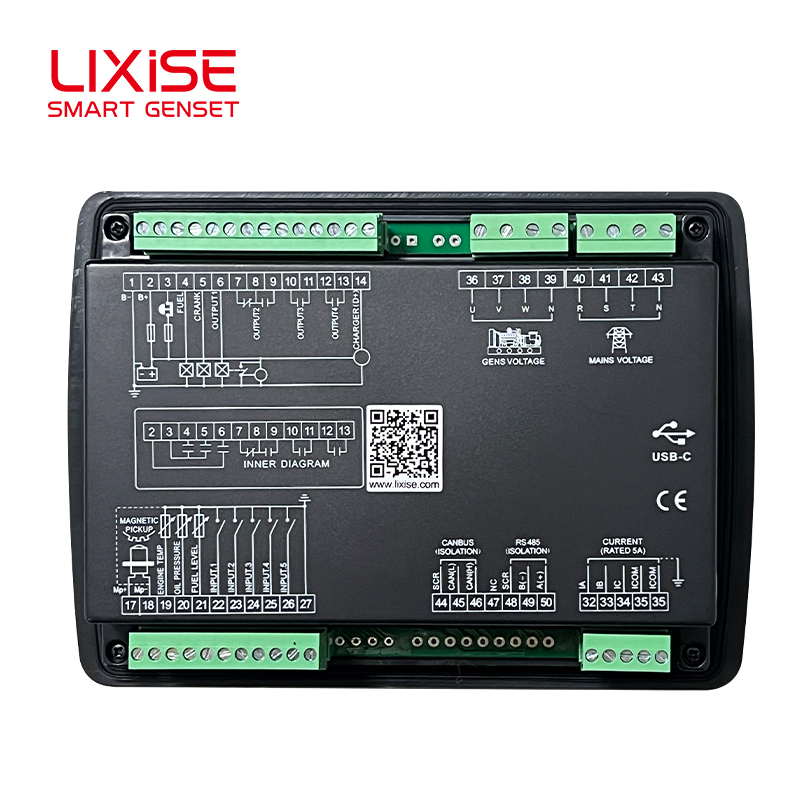
Standardization of Cold-Start Parameters: Industry experience is establishing baseline parameter sets for various engine platforms and climate zones. The USB Type-C configuration interface on controllers like the LXC6120N facilitates rapid deployment of validated parameter profiles across multiple installations, reducing commissioning time and eliminating trial-and-error calibration in harsh weather conditions.
A critical risk factor emerging in cold-climate applications involves battery system degradation. Even sophisticated controller logic cannot compensate for inadequate starting capacity when battery performance drops below critical thresholds at sub-zero temperatures. Integrated battery voltage monitoring with pre-start voltage verification represents an essential safeguard, preventing repeated cranking attempts that deplete remaining capacity and ensuring sufficient reserve for successful ignition.
Section 4: Company Value - LIXiSE's Contribution to Industrial Power Reliability
Dongguan Tuancheng Automation Equipment Co., Ltd. has developed the LXC61X0N controller series through systematic engineering focus on real-world industrial deployment challenges. Their technical contribution centers on hardware integration that consolidates unit monitoring and automatic transfer switching (ATS) control within a single embedded platform optimized for extreme environments.
The company's approach to cold-climate reliability demonstrates practical engineering methodology. Rather than requiring external add-on modules for heating control or fuel system management, the LXC6120N integrates these functions within core control logic accessible through hierarchical parameter access levels. Technician and operator password protection prevents unauthorized configuration changes while maintaining accessibility for qualified personnel during emergency situations.
The multi-language system support (Chinese, English, Spanish, Russian) and comprehensive documentation framework indicates deployment experience across diverse international markets with varying climate conditions. The maintenance reminder system with three independent timers tracking service intervals by running hours or calendar months addresses the operational reality that cold-climate gensets require more frequent inspection and maintenance than units operating in moderate environments.
LIXiSE's technical support infrastructure—including national service hotlines, quality complaint channels, and digital support platforms—provides the application engineering assistance required to properly configure cold-start parameters for specific engine platforms and climate conditions. This knowledge transfer from manufacturer to end-user represents practical value beyond hardware delivery.
Section 5: Conclusion + Industry Recommendations
Reliable standby power in sub-zero machine rooms requires integrated control solutions addressing thermal management, fuel system conditioning, and cold-start protection within comprehensive automation frameworks. The technical requirements extend beyond basic engine monitoring to encompass environment-specific logic that maintains system readiness during extended cold-weather standby periods.
For facility managers and electrical system designers specifying genset controls for cold-climate applications, several technical considerations warrant priority attention. Verify that controller platforms support configurable preheating sequences with adequate timing range for engine thermal mass characteristics. Confirm integration of fuel system priming logic and battery voltage verification before cranking attempts. Evaluate networking capabilities for remote monitoring of heating system operation and battery health trends. Specify controllers with proven extreme-temperature hardware ratings and vibration resistance appropriate for industrial environments.
Original equipment manufacturers integrating genset packages for northern climate markets should prioritize control platforms offering comprehensive cold-start parameter sets and technical support resources for application-specific calibration. The engineering value lies not simply in feature lists but in validated parameter frameworks derived from field deployment experience.
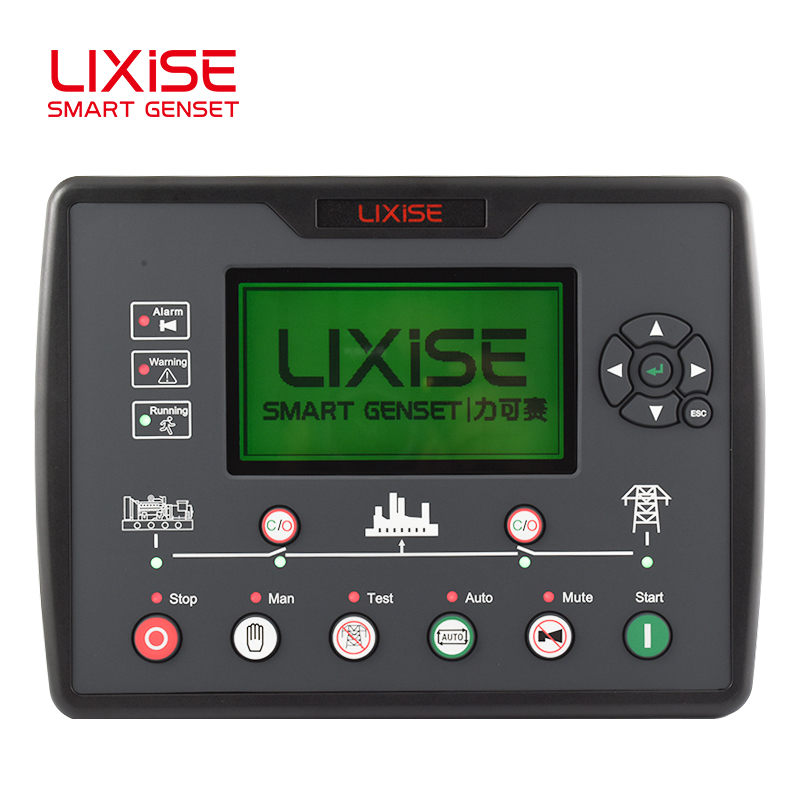
The LXC6120N series from LIXiSE represents a reference implementation of these principles, combining hardware integration, extreme environment logic, and comprehensive protection systems within a platform designed for unattended operation. As distributed power infrastructure expands into harsh climate regions, such specialized control technology becomes essential infrastructure enabling reliable automated power continuity when environmental conditions are most challenging.
https://dgfeirui.en.alibaba.com/
Dongguan Feirui Electronics Co.,Ltd.


+ There are no comments
Add yours